


Ticks are more than a nuisance. These blood-feeding parasites transmit serious pathogens to pets and, in some cases, to the humans who live with them. Pet owners across the globe search for reliable, science-backed protection - and fipronil spot-on has become one of the most trusted answers to that need.
This article breaks down exactly how this topical solution works against ticks, why it remains so effective, and what makes it a go-to choice for veterinary professionals and pet owners alike.
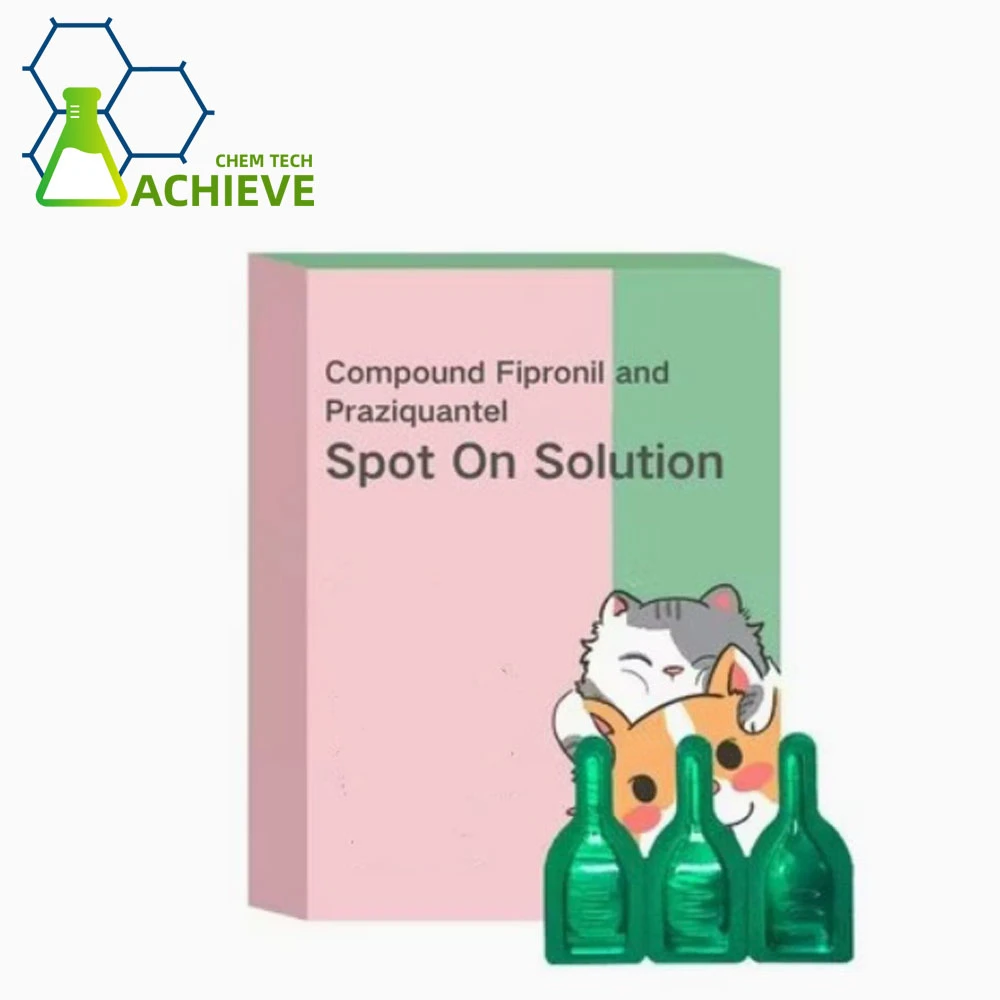
Fipronil Spot-On
1.General Specification(in stock)
(1)API(Pure powder)
PE/Al foil bag/ paper box for Pure powder
(2)Spot-On
cat:0.5ml
dog:0.67ml:2-10kg/1.34ml:10-20kg/2.68ml:20-40kg/4.02ml:40-60kg
(3)Solution
(4)Drops
2.Customization:
We will negotiate individually, OEM/ODM, No brand, for secience researching only.
Product Code:BM-9-018
Fipronil CAS 120068-37-3
Analysis: HPLC, LC-MS, HNMR
Technology support: R&D Dept.-3
How Does Fipronil Spot-On Interfere With Tick GABA Receptors?
The Role of GABA in Tick Neurology
Gamma-aminobutyric acid (GABA) is the major inhibitory neurotransmitter in the neural systems of arthropods. In ticks, GABA-controlled chloride channels allow negatively charged chloride ions to pass into nerve cells. It modulates brain activity, turns off electrical impulses, and dictates muscular function. Without GABA the nervous system is unable to regulate itself and the parasite swiftly loses control of its motions.
Fipronil spot-on messes with the chemical level. Fipronil binds extremely tightly to the GABA-A receptor. It binds at the chloride ion channel location that picrotoxin binds. This hooks onto the channel in a way that physically prevents chloride ions from entering the nerve cell.
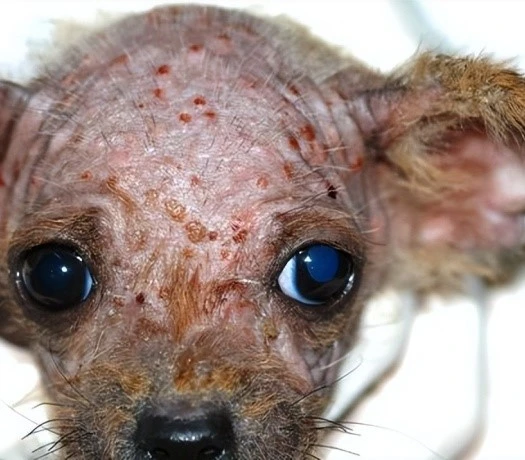
It causes uncontrollable neuronal stimulation, which implies the tick's nervous system is trapped in "on" mode.
Selectivity Between Arthropods and Mammals
Fipronil spot-on is considered safe for pets since it is selective in killing parasites and safe for pets. Fipronil binds to GABA receptors in insects and spiders around 100 times stronger than to GABA receptors in humans. This margin of selectivity is what makes the molecule usable as an animal parasiticide, according to research published in the journal Pesticide Biochemistry and Physiology. Mammals metabolize fipronil differently than humans. It is metabolized mostly in the liver, which has a far lesser influence on the neurological system.
Without this metabolic cushion, low levels in the tick's epidermis may cause harm to its nervous system in many ways.
Fipronil Spot-On Contact Action on Tick Nervous Systems
How Surface Contact Triggers Neurological Disruption
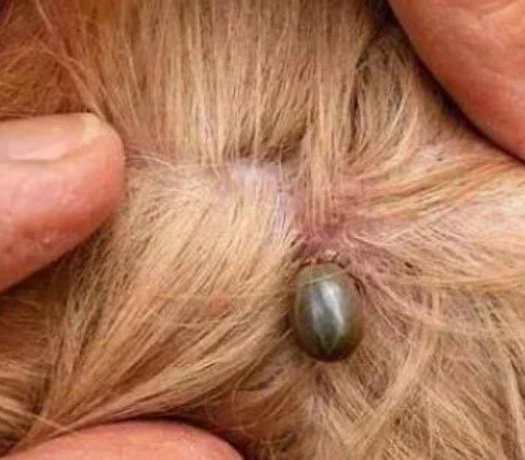
Fipronil harms ticks even if they don't take a bite. One of the things that makes fipronil spot-on distinctive is the way it kills by touch. The sebaceous gland network spreads fipronil molecules over the surface of the pet's body. If a tick wanders across treated skin or fur, the molecules are absorbed directly via the tick's shell. The skin absorbs it readily, and fipronil levels may be detected in the nerve tissue of a tick mere hours after contact.
Within hours of contact, fipronil migrates to the tick's central nervous system. As mentioned above, the drug works on the GABA-gated chloride channels, causing the neurons to fire constantly. This manifests as jerky leg motions, loss of grip, and finally paralysis.
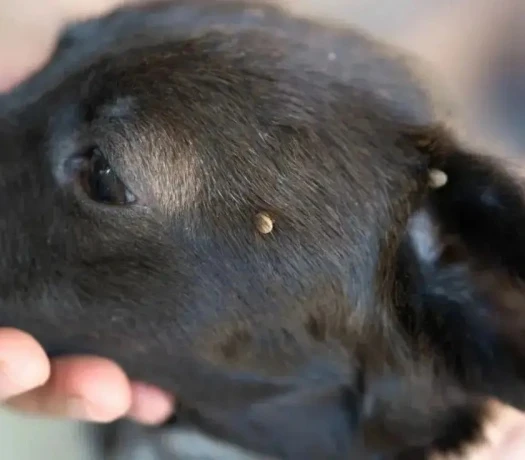
The tick cannot remain connected to the host, so it slips off before it can feed on blood. This characteristic is crucial to prevent the spread of infections.
Speed of Action and Residual Protection
When trying to get rid of ticks, speed is important because many pathogens that ticks carry need a minimum attachment period before they can spread. According to the data, fipronil starts to work on ticks 24 to 48 hours after it is applied, and it usually works best in the first week. The active ingredient moves through oil and joins with the skin's lipid matrix, creating a storage space that keeps the activity going.
Depending on the type of pet, its coat condition, and how often it is bathed, a single application of fipronil spot-on can keep an effective concentration on the skin surface for up to four to eight weeks.
Why Do Ticks Encounter Fipronil Spot-On on the Skin Surface?
Fipronil doesn't remain where you put it. After the drip deposits the solution behind the neck of the pet, the fipronil distributes across the complete body surface via the network of oil glands. Things need to move around. Natural oil sebum is produced by glands on hair shafts. Fipronil is lipophilic and so readily dissolves in the oil layer. Then it spreads out from where it was put.
Cats have more hair follicles (50 to 80/cm2) and create more grease (1 to 2 mg/cm2 /day); therefore, the medication is more uniformly distributed to their bodies. Dosing by weight should ensure uniform distribution of the substance. Dogs have less sebum and thicker skin on their backs. The active ingredient is in contact with the skin everywhere, so the tick will encounter it if it attempts to latch on to the pet.

How Chloride Ion Channel Blocking Leads to Tick Paralysis
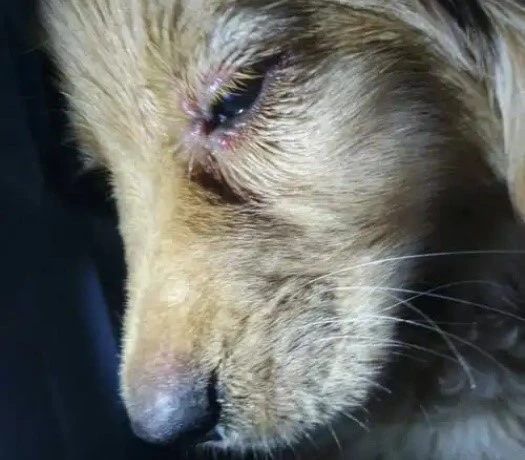
Chloride ions can't get into the postsynaptic neuron when fipronil blocks the chloride ion channel in the GABA-A receptor. Excitation signals can't be stopped without this input that slows them down. When motor neurons fire all the time, muscles tighten and stay contracted. This is called convulsive paralysis. The tick loses its ability to move together, stops eating, and eventually dies.
Organophosphate and pyrethroid insecticides work by attacking acetylcholinesterase or sodium channels, but this mechanism is different. Since fipronil spot-on works on a different route of receptors, it can still kill tick populations that are resistant to other types of compounds. Phenylpyrazole works by targeting specific parts of the nervous system in a way that arthropods can't easily get around.
This makes it an important tool for long-term integrated parasite management.
From Skin Contact to Tick Control: Tracing Fipronil Spot-On Activity
The action of Fipronil spot-on begins immediately once the solution contacts the skin of the pet. Fipronil breaks down the stratum corneum and creates a mixture with lipids in the sebaceous network. It travels via sebum, coating the shafts of hair and follicle openings all over the body during the following 24 to 48 hours.When ticks contact the treated fur, they absorb fipronil via the soft tissue of the skin and their joints. The substance enters the hemolymph (blood fluid) of the tick and is transported to the central ganglia where it begins to inhibit GABA receptors. The tick suffers excitatory paralysis, drops off its victim, and dies. Skin surface counts in cats may still be around 60% of what they were before the use of fipronil 30 days later.
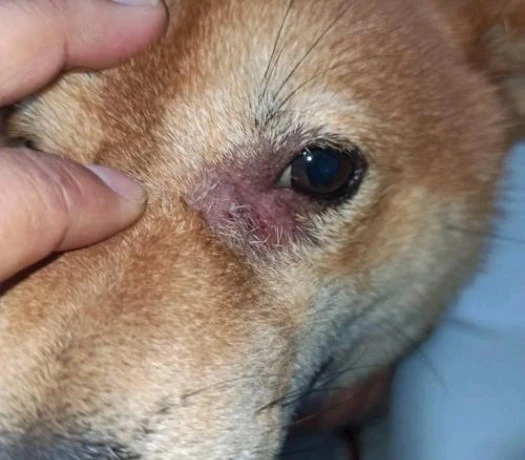
That illustrates how lengthy the sebum-based storage system can be.
This cycle, from administering fipronil to the skin to blocking receptors in the body, is why veterinarians always prescribe it as the first line of protection against ticks.
Conclusion
Fipronil spot-on works by blocking specific GABA receptors in the parasite, which stops it from moving. This is done through sebum spreading through the skin, ticks absorbing the cuticle, and the parasite becoming paralyzed permanently. It is one of the most reliable ways to get rid of ticks on dogs because it only affects insect receptors, kills ticks on contact, and stays active for up to eight weeks. Informed decisions are made by pet owners and medical experts who understand the science behind it.
Frequently Asked Questions
1. For how long does fipronil spot-on work against ticks?
+
-
Ticks can usually be kept away with just one application for four to eight weeks. How long it works depends on the type of pet, its coat length, how often it is bathed, and the number of parasites in its environment. Because cats produce more sebum and have denser hair follicle distribution, effective concentrations tend to last a little longer than in dogs.
2. Can ticks become immune to fipronil spot-on?
+
-
Some studies have shown that tick populations are resistant to fipronil, especially in places where it has been used a lot for a long time. Using mixed formulas and rotating parasiticidal classes are known ways to handle this risk. Products that combine fipronil with active ingredients that work well together give you more control.
3. Is it safe to put fipronil spot-on on a pet's head and face?
+
-
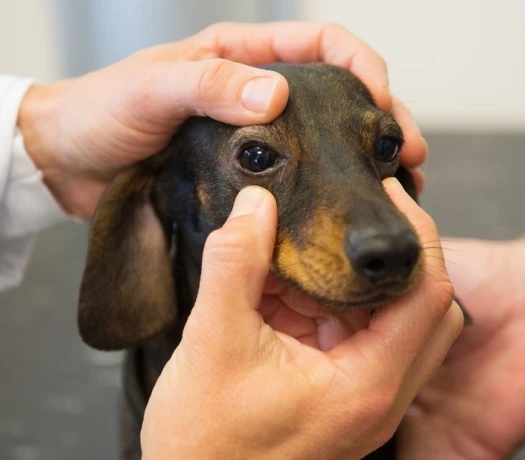
The medicine should always be put on the skin at the base of the neck or between the shoulder blades, which are hard for the animal's tongue to reach. Fipronil gets to all parts of the body through sebum pathways, so putting it on your face directly is not needed and should be avoided.
Partner With Bloomtechz for Reliable Fipronil Spot-On Supply
We at Bloomtechz know that for companies that buy a lot of medical actives, quality, regularity, and compliance are musts. As a reliable supplier of fipronil spot-on and a GMP-certified cooperative production site spanning 100,000 square meters that has been checked out and approved by the US-FDA, EU-GMP, CFDA, PMDA, and BGV-Hamburg, we provide products that exactly match the needs of your market. Our three-tier quality control process-in-factory testing, in-house QA/QC, and approval by an outside authority-makes sure that every batch meets the content standards listed on the label. Bloomtechz has been doing organic synthesis for more than 12 years and already has long-term supply deals with 24 big foreign clients. This means that they can help you with your pipeline from sample to bulk scale. Get in touch with us right away, and our technical team will help you come up with the best choice for your formulation needs.
Contact us: Sales@bloomtechz.com.
References
1. Gunning, R. V., Moores, G. D., & Devonshire, A. L. (2008). Insecticide resistance in Boophilus microplus: Mechanisms and management strategies. Pesticide Biochemistry and Physiology, 90(1), 1–12.
2. Meinke, P. T. (2001). Animal health: Novel targets for antiparasitic agents. Journal of Medicinal Chemistry, 44(5), 641–659.
3. Cole, L. M., Nicholson, R. A., & Casida, J. E. (1993). Action of phenylpyrazole insecticides at the GABA-gated chloride channel. Pesticide Biochemistry and Physiology, 46(1), 47–54.
4. Robbins, R. G., & Cunha Filho, N. A. (2003). The ticks (Acari: Ixodida) of domestic animals in the Americas: An updated systematic review. Systematic and Applied Acarology, 8(1), 109–120.
5. Hsu, W. H. (2008). Handbook of Veterinary Pharmacology. Wiley-Blackwell, Ames, Iowa.
6. Wall, R., & Beugnet, F. (2019). Advances in topical ectoparasiticide formulations for companion animals: Mechanisms, efficacy, and residual activity. Veterinary Parasitology, 270(Suppl 1), S14–S22.