


If you've ever wondered why some dogs respond differently to antiparasitic medicines than others, the solution is frequently one gene – MDR1. This relationship is important for researchers, veterinary professionals and pet care providers that deal with milbemycin oxime powder everyday. In this essay we break down the research and translate it into basic English to illustrate why this subject is so important in current pet health care.

Milbemycin Oxime Powder
1.General Specification(in stock)
(1)API(Pure powder)
(2)Tablets
For dogs:2.3mg/5.75mg/11.5mg/23.0mg
For cats: 5.75mg/11.5mg/23.0mg
2.Customization:
We will negotiate individually, OEM/ODM, No brand, for secience researching only.
Internal Code: BM-1-112
Milbemycin oxime CAS 129496-10-2
Main market: USA, Australia, Brazil, Japan, Germany, Indonesia, UK, New Zealand , Canada etc.
How Does MDR1 Influence the Use of Milbemycin Oxime Powder in Sensitive Dog Breeds?
What Is the MDR1 Gene and Why Does It Matter?
MDR1 is now more well known as ABCB1 and codes for the protein P-glycoprotein (P-gp). This protein works as a molecular gatekeeper at the blood-brain barrier, actively transporting some medicines out of the central nervous system before they reach dangerous levels. The dogs with a mutation in this gene are usually known as MDR1(-/-) and have a P-gp pump that does not operate. It may allow medications that ordinarily couldn't pass through the blood-brain barrier to sneak in and accumulate to lethal amounts.
You will see this mutation at outrageously high rates in the Collie, Sheltie, Aussie and many other herding related lineages.
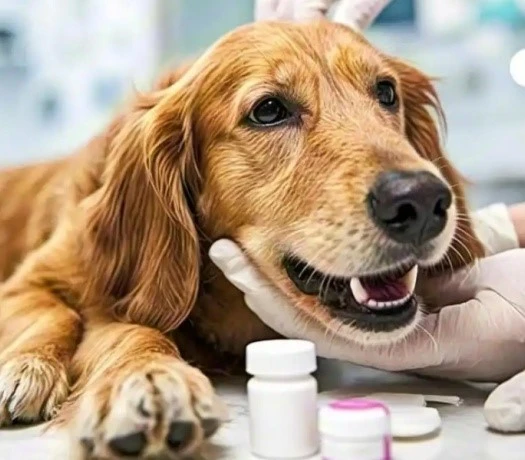
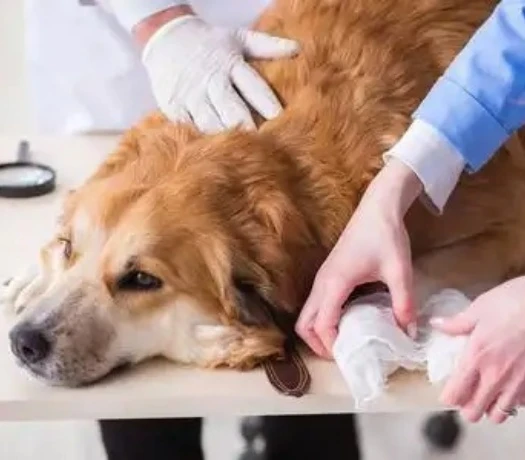
Research published in the Journal of Veterinary Pharmacology and Therapeutics found that up to 35% of North American Rough Collies had the MDR1 mutation. This is not an isolated instance, but a common inherited feature with a direct influence on the choice and dose of antiparasitic medications.
Why Milbemycin Oxime Powder Offers a Safer Path for These Dogs
Milbemycin oxime powder, however, is unlike a number of other macrocyclic lactones here. Based on its pharmacokinetic profile and molecular framework, milbemycin oxime is less likely to cross the blood-brain barrier than ivermectin.
Dogs (including the MDR1 sensitive canines) dosed at 3 mg/kg body weight/day continuously in chronic toxicity experiments did not develop neurological problems.This margin of safety makes milbemycin oxime the chemical of choice for researchers testing antiparasitic effectiveness in genetically sensitive populations. It is the choice of the veterinary scientist, maintaining broad-spectrum action without the neurotoxic risk profile that handicaps investigations with other macrolides.
Milbemycin Oxime Powder Mechanism: Understanding Its Interaction With Parasite Ion Channels
Glutamate-Gated Chloride Channels as the Primary Target
The antiparasitic activity of Milbemycin oxime powder is mediated by preferential binding to the glutamate-gated chloride ion channels (GluCl channels) of the nerve and muscle cells of invertebrates. These channels are present in nematodes and arthropods but not in vertebrate mammals. Milbemycin oxime binds to these channels and does not allow them to close . This induces continuous influx of chloride ions through the cells of the parasite .
This hyperpolarisation halts normal neuromuscular connection, resulting in paralysis and death of the parasite. Both the adult worm and the fourth larval stage (L4) are susceptible,
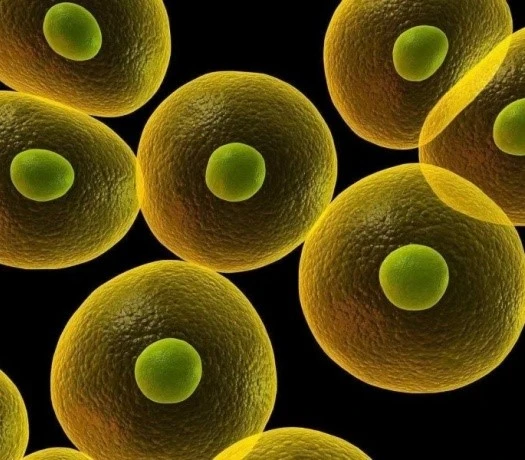
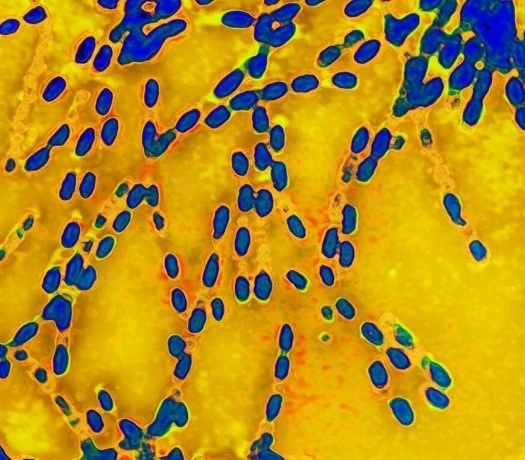
greatly increasing the therapeutic window compared to therapies that target just adult parasites. Parasitological studies have shown efficacy against heartworm larvae (Dirofilaria immitis), hookworms (Ancylostoma caninum), roundworms (Toxocara canis) and whipworms (Trichuris vulpis).
Why Mammals Are Largely Unaffected
A crucial part of milbemycin oxime's safety profile is the near absence of GluCl channels in mammalian brain systems. Mammals have GABA-gated chloride channels which are for a similar function but have a far lower binding affinity for milbemycin oxime at therapeutic dosages.
This offers an important selectivity window where the drug interferes with parasite physiology at dosages that have little effect on host biology.This finding is of particular importance in dogs with MDR1 mutation. Even when P-gp activity is reduced and, potentially, there is an increase in drug entry into the CNS, the damage is limited by the absence of high-affinity binding sites in mammalian brain tissue. This mechanistic characteristic is a huge reason why researchers choose to use milbemycin oxime powder when undertaking experiments with sensitive breeds.
MDR1 and Milbemycin Oxime Powder: Exploring Drug Sensitivity Differences Among Dogs
Comparing Genetic Risk Profiles Across Breeds
The mutation occurs at differing frequencies in different dog breeds and the variations in medicine sensitivity are significant and need to be considered by researchers. In some breeds, as the Border Collie or McNab Shepherd, the prevalence may be >40%. Mixed-breed dogs have substantially less incidence, but not zero incidence. Genotyping before antiparasitic medicines is becoming more obvious for formal research settings.
Thus, milbemycin oxime is quite safe in MDR1 affected animals, but this does not mean that there is no hazard at any dose, but that the therapeutic index is still feasible.
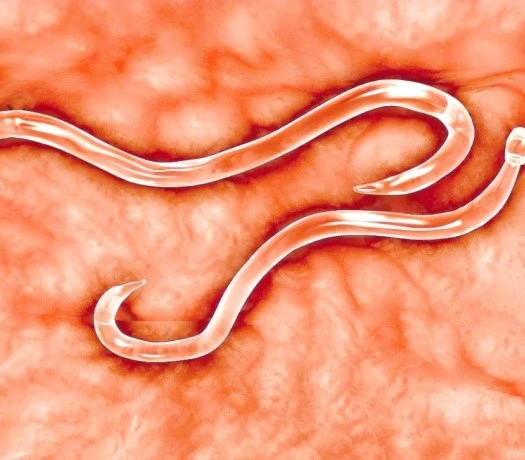
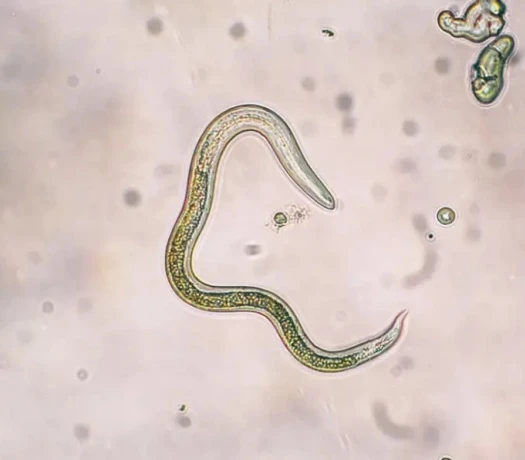
Researchers studying clearance of parasites in susceptible populations will be able to undertake more reliable dose-response testing, without the confounding impact of breed-specific neurotoxicity.
Implications for Formulation Research and Product Development
The MDR1 variation has direct ramifications for the interpretation of efficacy and safety data for the developers of new anti-parasitic compounds. A medicine that works in a wild-type group may behave a little differently in an MDR1-mutant cohort. Milbemycin oxime powder gives a more consistent experimental baseline as it is less likely to cross the mammalian CNS even when P-gp activity is impaired.
How Milbemycin Oxime Powder Supports Targeted Parasite Control in Special Pet Groups
Precision Dosing for Young, Elderly, and Compromised Animals
A practical advantage of milbemycin oxime powder is the very precise tuning of the dosage possible. It may be calibrated to the 0.1 mg/kg level for researchers and formulators making it ideal for animals of varying weight and life stage. Kittens older than six weeks, elderly dogs with diminished hepatic reserve and pets with chronic health issues are among groups where dosage accuracy is very important.
Pharmacokinetic results indicate that about 90% of the orally administered dosage of milbemycin oxime is eliminated in faeces as the unmodified parent drug within 48 hours.
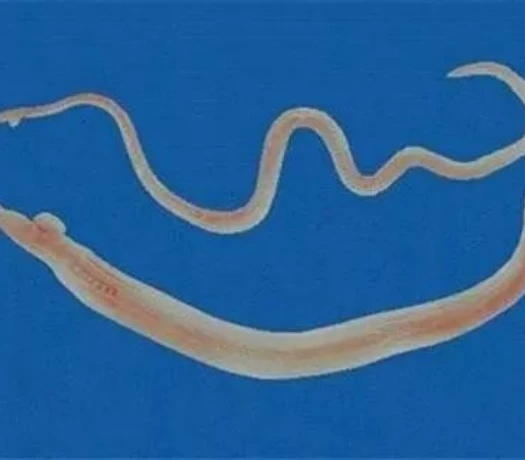
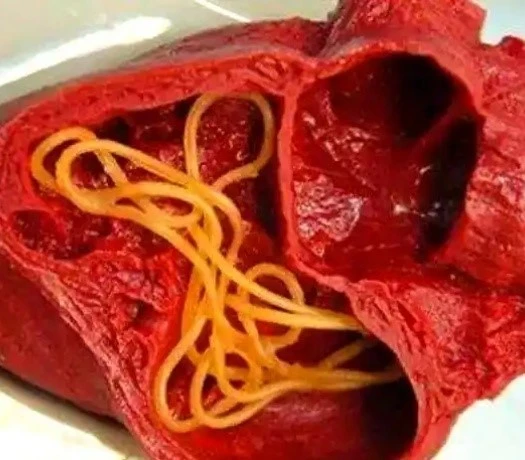
Rapid clearance profile decreases cumulative tissue load and has little effect on liver enzymes such as GOT and GPT which makes it appropriate for long-term preventative treatments in animals where liver function might be a problem.
Multi-Species and Multi-Parasite Scenarios
The possibility of parasites being transmitted between species in households with many pets or research facilities that keep dogs and cats together makes any prophylactic approach complex. Milbemycin oxime reaches peak levels in adipose tissue 4-8 hours after oral dose, providing a continuous window of activity throughout the reproductive cycle of common ectoparasites.
It is also combined with praziquantel, so you may treat your flukes and tapeworms simultaneously in fewer sessions.
Milbemycin Oxime Powder Applications in Personalized Parasite Prevention and Pet Health Management
Building a Prevention Calendar Around MDR1 Status
The widespread inclusion of MDR1 genotyping in a science-based preventative plan is now a standard step. Knowing the dog's genetic state enables formulators and veterinaries to be more confident when choosing milbemycin oxime as the antiparasitic backbone. Monthly oral treatment started around a month before the beginning of the mosquito season has been demonstrated to provide heartworm prevention rates >99%, providing a dependable protective window that is in accord with the transmission biology of the parasite.
Layered defence comes from oral milbemycin oxime combined with topical repellent medicines, coupling internal parasite death with exterior vector disruption.
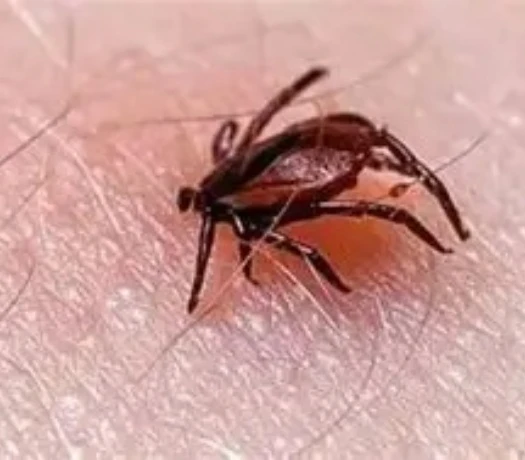
This two-mechanism approach is becoming more and more accepted as the most complete method available for animals in high-exposure conditions.

From Stray Rehabilitation to Long-Term Health Management
New strays typically have various parasite loads at the same time, including as roundworms, hookworms and flea infections. Milbemycin oxime has a wide spectrum profile which enables many of these burdens to be fought simultaneously with a unified organised regimen, reducing the duration of isolation and surveillance prior to a new pet joining a family. In clinical practice, a monthly regimen has been shown to lower household parasite infection rates by as much as 92%, a number that bears significant weight both in study documentation and in communicating product effectiveness.
Conclusion
MDR1 is not some esoteric issue of antiparasitic research; it is the fulcrum around which medication safety, breed-specific sensitivity and treatment effectiveness pivot. Milbemycin oxime powder is unique in this environment as its pharmacological profile is compatible with the MDR1 variable without compromising wide spectrum antiparasitic efficacy. Its targeted ion channel specificity, quick clearance kinetics, and proven tolerance in genetically susceptible breeds, make it a scientifically sound option for researchers, formulators and product developers in veterinary parasitology.
FAQ
Q1: Is milbemycin oxime powder safe for Collie breeds with the MDR1 mutation?
+
-
Yes. Milbemycin oxime exhibits less penetration of the blood-brain barrier than other macrocyclic lactones. In fact, the chronic toxicity tests reveal that even at higher dosages, neurological problems were not shown in sensitive breeds and it is one of the most dependably safe alternatives for dogs with the MDR1(- / -) genotype.
Q2: What parasites does milbemycin oxime powder target?
+
-
Milbemycin oxime is effective against a broad spectrum of interior and exterior parasites. These include heartworm larvae ( Dirofilaria immitis ), common intestinal nematodes ( roundworms, hookworms, and whipworms ), and several kinds of mites ( Demodex canis and Sarcoptes scabiei ). Therapeutic dosages are active against both larvae and adult nematodes.
Q3: Why is MDR1 status relevant when selecting antiparasitic compounds for research?
+
-
Dogs with the MDR1 mutation lack a functioning P-glycoprotein pump. This results in some medicines building up in the central nervous system to hazardous levels. By choosing a drug like milbemycin oxime that has less CNS penetration and wider tolerance, you limit the confounding risk of breed-specific toxicity and enable clearer experimental results across genetically varied research populations.
Partner With Bloomtechz for Reliable Milbemycin Oxime Powder Supply
At Bloomtechz, we understand that rigorous research and product development demand a milbemycin oxime powder supplier you can trust completely. Our GMP-certified manufacturing facility in Xi'an holds certifications from US-FDA, EU-GMP, PMDA, and CFDA, ensuring every batch meets the highest international quality standards. We offer pure API powder, precisely characterized via HPLC, LC-MS, and HNMR analysis, alongside customized formulation support through OEM/ODM services. Our triple-link quality assurance process - factory inspection, in-house QA/QC review, and third-party authority verification - means you receive consistent purity and documentation on every order. Whether you need small research quantities or bulk manufacturing scale-up, our R&D team provides full technical support from inquiry to delivery. Reach out today and discover why over 24 leading international organizations trust Bloomtechz as their preferred chemical partner.
📧 Contact us directly: Sales@bloomtechz.com
References
1. Mealey, K. L., Bentjen, S. A., Gay, J. M., & Cantor, G. H. (2001). Ivermectin sensitivity in collies is associated with a deletion mutation of the mdr1 gene. Pharmacogenetics, 11(8), 727–733.
2. Tranquilli, W. J., Paul, A. J., Seward, R. L., Todd, K. S., & Dipietro, J. A. (1987). Response to physostigmine administration in collie dogs exhibiting ivermectin toxicosis. Journal of Veterinary Pharmacology and Therapeutics, 10(1), 96–100.
3. Wolstenholme, A. J., & Rogers, A. T. (2005). Glutamate-gated chloride channels and the mode of action of the avermectin/milbemycin anthelmintics. Parasitology, 131(Suppl), S85–S95.
4. Paul, A. J., Tranquilli, W. J., & Hutchens, D. E. (1987). Clinical observations in collies given milbemycin oxime orally. American Journal of Veterinary Research, 48(4), 684–685.
5. Geyer, J., Döring, B., Godoy, J. R., Moritz, A., & Petzinger, E. (2005). Development of a new gene expression assay for the detection of functional P-glycoprotein in dogs with the MDR1 mutation. Journal of Veterinary Pharmacology and Therapeutics, 28(5), 455–460.
6. Doherty, T. J., Ballard, J. B., & Brown, S. A. (1994). Pharmacokinetics of milbemycin oxime in dogs following oral administration. Journal of Veterinary Pharmacology and Therapeutics, 17(5), 335–339.