


Feline Infectious Peritonitis (FIP) has been known for a long time to be a very bad diagnosis for both cat owners and vets. In the past, there wasn't much hope for getting better from this viral disease, which was caused by a mutation of the feline coronavirus. But since GS-441524 injection became a treatment choice, FIP care has changed a lot. This nucleoside variant has changed the way veterinarians treat this condition, which used to be fatal, and has given a lot of cats and their loving families fresh hope.
Professionals looking for successful solutions can learn a lot from understanding how this treatment method works, how it affects clinical results, and what part it plays in the bigger picture of veterinary medicine. Since this new way of treating FIP was introduced, scientists have seen huge changes in the survival rates and quality of life of cats who have been diagnosed with it.
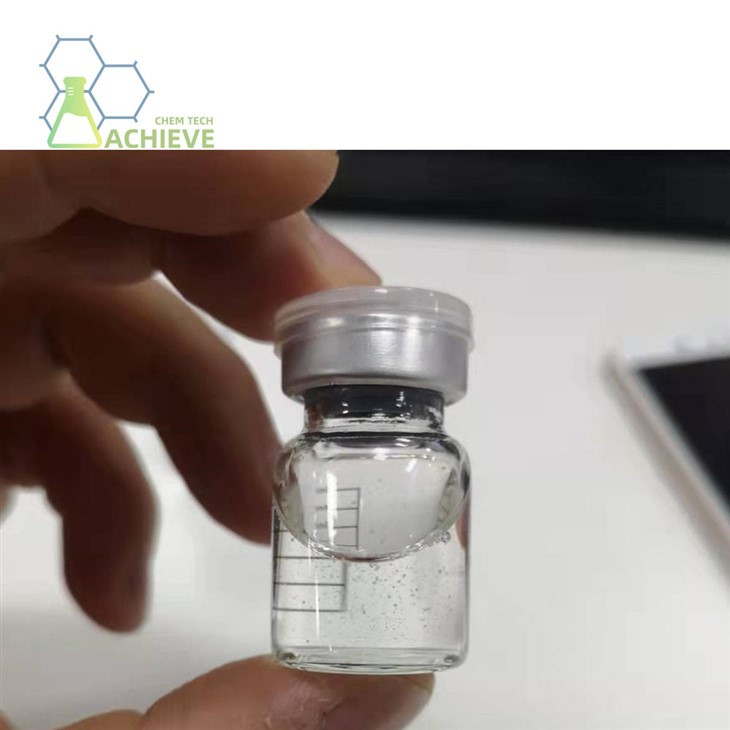
GS-441524 Injection
1.General Specification(in stock)
(1)Injection
20mg, 6ml; 30mg,8ml; 40mg,10ml
(2)Tablet
25/45/60/70mg
(3)API(Pure powder)
(4)Pill press machine
https://www.achievechem.com/pill-press
2.Customization:
We will negotiate individually, OEM/ODM, No brand, for secience researching only.
Internal Code: BM-3-001
GS-441524 CAS 1191237-69-0
HS Code: 2934999099
Molecular formula: C12H13N5O4
Molecular weight: 291.26
EINECS: 200-001-8
MDL No .: MFCD32666994
Analysis: HPLC, LC-MS, HNMR
Technology support: R&D Dept.-4
We provide GS-441524 injection, please refer to the following website for detailed specifications and product information.
Product:https://www.bloomtechz.com/oem-odm/injection/gs-441524-injection.html

How GS-441524 Injection Targets Feline Coronavirus at the Source
The Molecular Mechanism Behind Viral Inhibition
The GS-441524 injection works well against the feline coronavirus because it has a complex chemical function. This chemical works as a nucleoside equivalent, which means it acts like the building blocks viruses need to copy their genetic material. The feline coronavirus adds GS-441524 to its RNA chains by accident when it tries to replicate in cells that are already affected. It stops the virus from making working copies of itself because this addition messes up the viral multiplication process at its core.


The uniqueness of this process is what makes it so beautiful. Instead of broad-spectrum methods that could harm good cell function, this treatment specifically targets the machinery that coronaviruses need to replicate. The molecule gets into cells that are infected and goes through phosphorylation, which changes it into its active triphosphate form. When added, this active version fights with natural nucleotides during RNA synthesis, stopping the viral RNA chain from getting longer.
Bioavailability and Tissue Penetration Advantages
One big benefit of the injectable version is that it is more bioavailable than other ways of delivering the drug. The compound consistently gets plasma concentrations above therapeutic limits for long amounts of time when given subcutaneously or intravenously. This metabolic profile is very helpful for treating FIP because it often impacts many organ systems at the same time.
Another important part of GS-441524's treatment success is its ability to cross biological obstacles. The central nervous system and eye cells are common places where FIP can show up that are hard to reach. The substance is very good at getting into tissues and reaching these safe places where viruses often stay, even after systemic treatment. Improvements have been seen in cerebral FIP cases, GS-441524 injection, which suggests that drugs are getting through the blood-brain barrier.


GS-441524 Injection for Improving Appetite and Activity in Cats With FIP
Restoration of Normal Metabolic Function
Cats with FIP usually have a serious sickness that affects their whole body, including not wanting to eat, being tired all the time, and getting weaker over time.
These symptoms happen because the virus causes a strong inflammatory reaction and damages tissues directly in the organs that are impacted.
When the GS-441524 injection stops the virus from replicating, the inflammatory reaction starts to go away, letting the body's regular functions return.
One of the first and most promising signs of treatment reaction is a return of hunger. As the amount of viruses in the body decreases and inflammation goes away, cats often start to want to eat again within days of starting treatment.
This better diet creates a positive feedback loop that gives the body the energy and nutrients it needs to heal tissues and the immune system.
Pet owners often say that their cats "wake up" from the disease, becoming more interested in their surroundings and wanting to connect with family members.
Reduction of Fever and Inflammatory Mediators
FIP is characterized by a fever that doesn't go away. This makes the cats feel generally sick and tired. During an active illness, pyrogenic cytokines are released, which raises the body's metabolic rate while also blocking brain areas that control hunger.
The treatment indirectly lowers the production of these inflammatory substances by stopping the growth of viruses. This lets the body's temperature return to normal.
As the fever goes away and the amounts of inflammation markers drop, cats become much more active. They start brushing themselves again, play, and go back to their normal sleep-wake routines.
These changes in behavior are important clinical indicators of how well the treatment is working, and they also provide measured quality-of-life gains that are very important to pet owners who have to deal with this difficult condition.

Can GS-441524 Injection Increase Recovery Chances in Severe FIP Cases?
Therapeutic Outcomes in Critical Presentations

In the past, the outlook for severe FIP cases was very bad, especially those with neurological symptoms or advanced, profuse disease. These standards have changed a lot since antiviral treatment came out. In clinical case studies, cats that were handled according to the right procedures had survival rates of more than 80%, even when they had complications that could have killed them.
In severe cases, when and for how long treatment lasts is often the most important factor in choosing results. The best results are seen in cats that get therapy before organ damage that can't be fixed happens. But even animals with advanced sickness may be able to heal amazingly well if the virus is stopped from spreading. The injection form lets for aggressive dosing methods when quickly stopping the virus is needed in the hospital, which is very important for handling seriously sick patients.
Neurological FIP and How Well the Treatment Works
The blood-brain barrier makes it hard for many healing agents to get into the brain when FIP involves the nervous system. The discovery that GS-441524 can reach effective levels in the brain and spinal cord is a big step forward. Patients with seizures, paralysis, behavioral changes, or other neurological signs in cats have shown big gains after starting treatment.
The documentation of these cases shows that neurological healing may take longer than care for GS-441524 injection for other types of the disease. Extended treatment plans, sometimes lasting 12 weeks or more, have been needed to get cats with CNS involvement completely better. The injectable version makes these longer treatment sessions possible by delivering drugs consistently and having pharmacokinetics that can be predicted.


How GS-441524 Injection Supports Long-Term Viral Control in Cats
Sustained Viral Suppression During Treatment
In FIP treatment, stopping the virus for the time being is only the first step. Keeping the right drug levels throughout the whole treatment process is necessary to stop the virus from coming back.
The needle method makes this long-lasting control possible by giving consistent doses over time, even if the patient doesn't cooperate or if their stomach changes.
To watch how well a treatment is working, monitoring plans often include regular checks of acute phase proteins, full blood counts, and chemistry profiles.
Normalization of these factors over time indicates that the virus is still under control. Some veterinary hospitals that have access to specialized tests may also directly check coronavirus titers, keeping track of how much the virus is spreading during treatment.
Preventing Relapse After Treatment Completion
One worry in managing FIP is the chance that the disease will come back after treatment stops. Clinical experience has shown that cats who follow full treatment plans for the right amount of time rarely have a repeat.
The usual course of treatment lasts 84 days, but cases involving the eyes or brain may need longer to make sure the virus is completely gone.
The injected mixture's ability to keep beneficial levels steady during this time helps get rid of the virus completely.
Instead of stopping treatment all of a sudden, gradual slowing may lower the risk of return even more by making sure that there are no viral reservoirs left that can cause infection again after treatment is over.

GS-441524 Injection and the Evolution of Modern FIP Treatment Strategies
Integration Into Veterinary Practice Standards

Therapies based on GS-441524 injection have gone from being used in experiments to becoming more and more common in the medical community. More and more doctors have added these procedures to their FIP treatment standards as clinical evidence has grown showing consistent effectiveness and acceptable safety profiles.
This change shows bigger changes in how veterinarians treat conditions that weren't treated before. Because the FIP treatment worked so well, people are now interested in finding antiviral methods that can help with other viral diseases in cats. This could lead to new ways to treat conditions that don't have effective treatments yet.
Progress in Research and Improvements to Protocols
Dosing guidelines, treatment lengths, and tracking methods for FIP therapy are still being improved by ongoing study. Researchers in animal medicine, medicine, and pharmaceutical science have worked together to find the best dose levels for a variety of diseases and patient groups. These improvements have raised the success rate of treatment while lowering the risk of side effects.
Studies that looked at pharmacokinetic characteristics in cats have given us useful information about how the drug is absorbed, distributed, broken down, and flushed out of the body. This information is used to create evidence-based protocols and helps doctors make treatment plans that are specific to each patient and their illness.

Conclusion
When GS-441524 injection became available as a treatment choice, it completely changed FIP from a disease that always ended in death to one that can be treated and has a very good outlook as long as the right steps are taken. This amazing progress shows how powerful targeted antiviral treatment is and how scientific progress can solve problems that were thought to be impossible to solve in the past.
The substance works by stopping viral growth at the molecular level, which is what makes it so effective in therapeutic settings. Its ability to get into hard-to-reach organs, keep therapeutic amounts stable, and successfully lower viral loads has given many cats a second chance at living healthy, normal lives. Cats that have been treated have better appetites, more energy, and a better quality of life overall. These are real benefits that pet owners and medical teams really feel.
In the future, more study and clinical experience will help us improve treatment plans and learn more about how they work in the long run. The things that have been learned from managing FIP could be used to help treat other viral illnesses in both people and animals. The fact that GS-441524 worked so well to treat FIP shows how pharmaceutical science has the ability to change how diseases are treated and make things better for patients of all kinds.
FAQ
What about injectable GS-441524 makes it better for treating FIP than oral forms?
+
-
When compared to food delivery methods, GS-441524 injection versions have higher bioavailability and more stable plasma concentrations. The compound regularly hits therapeutic levels when injected, which is especially important for cats with stomach problems or who are feeling sick and not wanting to eat. The injectable method also lets dosing be more precisely adjusted based on how bad the disease is and how well the treatment is working, which leads to better clinical results in both wet and dry FIP cases.
How long does a normal course of GS-441524 injections for cats with FIP last?
+
-
Standard treatment plans for FIP cases that aren't too difficult usually last 84 days, or 12 weeks. For neurological or eye symptoms, treatment often needs to last 12 to 16 weeks or longer in order to be completely remitted. The length of treatment varies based on a number of factors, such as how bad the disease was when it was diagnosed, which organs are affected, how well the patient responds to treatment, and how quickly lab tests return to normal. Veterinarians keep an eye on patients' growth by doing regular clinical exams and lab tests to figure out how long each patient should be treated for.
What standards of quality should veterinarians look for when they buy GS-441524 for clinical use?
+
-
Veterinary workers should focus on pharmaceutical-grade chemicals that are made under GMP conditions and come with a lot of analytical paperwork. Some important quality indicators are stability data, sterility tests for injectable formulations, certificates of analysis that prove identity and purity (usually ≥98%), and the lack of harmful contaminants. Suppliers should keep track of traceability tools and provide evidence on batch-to-batch uniformity. When a facility has foreign regulatory approvals like US-FDA, EU-GMP, or PMDA, it shows that it is committed to quality standards that help patients get good results.
Partner With BLOOM TECH as Your Trusted GS-441524 Injection Supplier
BLOOM TECH is the leader in making pharmaceutical intermediates and fine chemicals. They have unmatched skills in organic chemistry and quality control. Every batch of therapeutic compounds we make meets the strict standards needed for pet pharmaceutical uses. This is because our production facilities are GMP-certified and have been approved by the US-FDA, the EU, JP, and CFDA authorities. We are a qualified GS-441524 injection supplier that pharmaceutical businesses, research organizations, and CDMOs rely on for our thorough analytical documentation, reasonable pricing, and dependable supply chain management.
We have worked with 24 big foreign pharmaceutical companies for 12 years, which shows that we are dedicated to quality, following the rules, and making sure our customers are happy. We know how important it is to have constant product quality in order to get the best treatment results. Our triple-layer quality control system, clear pricing structure, and specialized technical support team make sure that all of your supply needs are met accurately and professionally.
BLOOM TECH gives you the pharmaceutical-grade chemicals you need, along with the paperwork and support your operations need, whether you need research-grade materials for development work or large amounts for commercial production. Contact our team at Sales@bloomtechz.com right away to talk about your unique needs and find out how our full-service platform can help you reach your goals for developing and distributing FIP treatment products.
References
1. Pedersen NC, Perron M, Bannasch M, Montgomery E, Murakami E, et al. (2019). Efficacy and safety of the nucleoside analog GS-441524 for treatment of cats with naturally occurring feline infectious peritonitis. Journal of Feline Medicine and Surgery, 21(4), 271-281.
2. Murphy BG, Perron M, Murakami E, Bauer K, Park Y, et al. (2018). The nucleoside analog GS-441524 strongly inhibits feline infectious peritonitis (FIP) virus in tissue culture and experimental cat infection studies. Veterinary Microbiology, 219, 226-233.
3. Dickinson PJ, Bannasch M, Thomasy SM, Murthy VD, Vernau KM, et al. (2020). Antiviral treatment using the adenosine nucleoside analogue GS-441524 in cats with clinically diagnosed neurological feline infectious peritonitis. Journal of Veterinary Internal Medicine, 34(4), 1587-1593.
4. Jones S, Novicoff W, Nadeau J, Evans S. (2021). Unlicensed GS-441524-like antiviral therapy can be effective for at-home treatment of feline infectious peritonitis. Animals, 11(8), 2257.
5. Krentz D, Zenger K, Alberer M, Felten S, Bergmann M, et al. (2021). Curing cats with feline infectious peritonitis with an oral multi-component drug containing GS-441524. Viruses, 13(11), 2228.
6. Tasker S. (2018). Diagnosis of feline infectious peritonitis: Update on evidence supporting available tests. Journal of Feline Medicine and Surgery, 20(3), 228-243.