


It feels like the world is falling apart when your beloved cat is diagnosed with feline infectious peritonitis (FIP). This disease, which used to be deadly and is caused by a mutated type of feline coronavirus, has made the lives of many cat owners very sad. But the GS-441524 injection, a new and innovative antiviral substance, has come forward as a sign of hope. Figuring out how this amazing GS-441524 injection stops the growth of viruses at the molecular level helps explain why it has changed the way FIP is treated and saved the lives of thousands of cats around the world.
Its sophisticated coronavirus replication inhibition mechanism makes GS-441524 a virus fighter. Not only does this nucleotide mimic symptoms, but it also disrupts viral machinery that creates new particles. The intricate processes the GS-441524 injection takes to stop the coronavirus from multiplying will assist physicians and pet owners in understanding why this therapy is so groundbreaking in veterinary medicine.
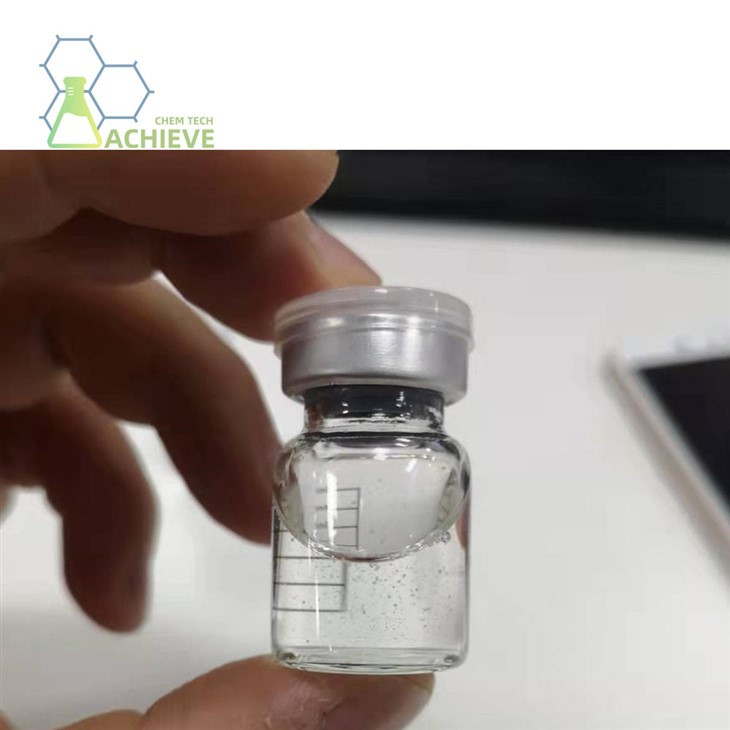
GS-441524 Injection
1.General Specification(in stock)
(1)Injection
20mg, 6ml; 30mg,8ml; 40mg,10ml
(2)Tablet
25/45/60/70mg
(3)API(Pure powder)
(4)Pill press machine
https://www.achievechem.com/pill-press
2.Customization:
We will negotiate individually, OEM/ODM, No brand, for secience researching only.
Internal Code: BM-3-001
GS-441524 CAS 1191237-69-0
Analysis: HPLC, LC-MS, HNMR
Technology support: R&D Dept.-4
We provide GS-441524 Injection, please refer to the following website for detailed specifications and product information.
Product:https://www.bloomtechz.com/oem-odm/injection/gs-441524-injection.html

How Does GS-441524 Injection Block Feline Coronavirus RNA Replication?
The feline coronavirus employs a sophisticated chemical method to infect and replicate cells. Coronavirus strains need RdRP to survive. At the core of this procedure. This viral polymerase reads the viral RNA instructions and creates complementary strands to produce new viruses. Within hours after infecting a cell, the RdRP generates thousands of viral DNA copies.
When it enters cat cells, generally via lung or gut tissue, the coronavirus multiplies. Once inside, the viral RNA delivers genetic instructions that control the cell's protein production. The RdRP enzyme replicates viral RNA to generate new infectious particles, making it crucial for viral replication. A coronavirus cannot infect or propagate if RdRP activity fails.

Nucleotide Analogue Strategy Against Viral Polymerase

The GS-441524 injection uses a clever chemical trick to trick the coronavirus. This chemical is a nucleoside molecule that works like adenosine, which is one of the four building blocks of RNA. When given to sick cats, the GS-441524 injection enters cells and is changed by enzymes into its active triphosphate metabolite form. This activated form is very similar to the natural adenosine triphosphate that viral polymerase usually adds to RNA production.
The virus RdRP enzyme can't tell the difference between real adenosine triphosphate and the fake GS-441524 injection triphosphate product. This version is accidentally added to the growing RNA chain by the polymerase, which is terrible for the virus. The changed nucleotide doesn't have the right chemical structure for chain extension, so RNA production stops before it should. This molecular sabotage stops the growth of the virus before it can make any new deadly particles.

Competitive Inhibition Mechanism in Infected Cells

Antiviral GS-441524 injection prevents viruses from competing. Natural nucleotides and GS-441524 injectable molecules compete for viral polymerase enzyme binding sites in virus-infected cells. More GS-441524 injection within cells increases the likelihood that viral RdRP will utilise the analogue instead of genuine adenosine. Competition limits viral RNA synthesis by creating a molecular bottleneck.
Researchers showed that GS-441524 injection preferentially poisons viral polymerases over host cell enzymes. Despite daily doses for lengthy durations, cats tolerate the therapy well due to their desire. Normal cellular RNA production isn't affected since the drug primarily targets viral RdRP. This maintains vital biological processes while destroying virus replication.

Intracellular Antiviral Action of GS-441524 Injection Explained
The GS-441524 injection quickly spreads throughout the cat's body through the bloodstream after being injected under the skin. The substance is very bioavailable and gets to sick tissues just hours after being injected. GS-441524 injection can easily pass through cell walls using special transport systems. This lets the prodrug build up inside target cells, which is where coronavirus replication happens. This good cell uptake makes sure that beneficial amounts get to infection sites all over the body, even hard-to-reach places like the brain and eye tissues.


Enzymes within cells phosphorylate GS-441524 infusion step by step. Cell enzymes attach three phosphate groups to nucleosides. This makes the prodrug active in the body. This metabolic activation is crucial to the antiviral chain reaction. Chemistry allows the triphosphate metabolite to bind to viral polymerase and inhibit RNA synthesis. However much GS-441524 is injected into the cell, the conversion process continues.
GS-441524 injectable triphosphate molecules remain within cells for a long period, which helps the drug operate. GS-441524 injection remains at therapeutic levels longer than certain antiviral drugs, which break down rapidly or are flushed out of cells. Cell half-lives are 12–24 hours, according to research. One daily dose may maintain antiviral pressure on coronavirus production.
This long-term stay within cells creates a resistant environment for emerging viral infections. Even when blood GS-441524 injections decrease between doses, triphosphate molecules inhibit viral polymerase activity. A stable daily dose reduces virus loads over weeks due to its long-lasting antiviral actions. As viral multiplication slows and ceases in most tissues, cats gradually improve with the correct dosage.

Tissue Distribution and Penetration Characteristics

The GS-441524 injection penetrates tissue more than other medicines. The chemical crosses the blood-brain barrier, a delicate membrane that blocks chemicals from entering the brain and spinal cord. Coronavirus infection impacts brain and spinal cord cells, making this crucial for neurological FIP recovery. Even after the virus was eradicated, neurological symptoms would persist without adequate GS-441524 injection into the central nervous system.
Also, GS-441524 injection reaches optimal ocular tissue levels, helping with dry FIP eye symptoms. Uveitis and chorioretinitis, inflammatory eye disorders, may blind many FIP cats if untreated. GS-441524 injection may enter the ocular structures and combat infections throughout the body. GS-441524 injection differs from other FIP drugs that are hard to reach tissues due to its extensive distribution.

Can GS-441524 Injection Interrupt the FIP Viral Lifecycle Effectively?
The time of starting GS-441524 injection treatment has a big effect on how well it works in FIP cases. Cats that start treatment early in the disease's progression have much higher survival rates than cats that start treatment later in the disease's progression. During the early stages of an illness, viral loads are still controllable, and tissue damage has not yet become permanent.
Early treatment with GS-441524 injection can stop the virus from replicating before it infects too many organ systems and causes a severe illness.


More and more veterinarians are realising how important it is to quickly diagnose FIP and start treatment right away. Cats with common signs like fevers that don't go away, weight loss, and being tired all the time should be checked out right away by a vet. As soon as tests prove FIP, starting GS-441524 injection right away increases the chances of successfully stopping the virus. Cats that are treated within the first few weeks of showing symptoms get better faster and fully than cats that have had the disease for a long time and are very sick.
In addition to aiding patients, GS-441524 injectable therapy reduces the danger of transferring illnesses to other cats. Infected cats emit coronavirus particles via their faeces, breath, and mucous, making other cats worse. As GS-441524 injectable treatment reduces cat viruses, hair loss lessens. This reduction in viral shedding may prevent multi-cat households from FIP spreading to exposed but healthy cats.
In catteries, shelters, and breeding facilities, where many cats live together, the coronavirus spreads quickly. FIP treatment with GS-441524 injection blocks transmission chains from spreading between cat groups. Although GS-441524 injection isn't a prophylactic vaccination, its large impact on ill cats' virus levels helps decrease disease in high-risk locations.

Long-Term Viral Clearance and Relapse Prevention

The eventual objective of GS-441524 injection for FIP is viral elimination. Longer treatment programs, generally 12 weeks or more, reduce viral levels to undetectable levels. Fever, appetite, weight gain, and lab tests improve when cats get therapy. Because GS-441524 injection inhibits coronavirus reproduction in afflicted tissues, these changes indicate virus removal.
However, quitting therapy too soon might bring the infection and illness back. Some cats require lengthier therapy to eliminate the virus in concealed areas. Even if clinical signs disappear, veterinarians advocate giving the GS-441524 injection for the whole prescribed duration. Relapses may be detected early using medical and lab testing following therapy. Relapsed cats may respond to therapy with varied doses and longer courses, frequently recovering permanently.

Molecular Targeting Mechanism of GS-441524 Injection in FIP Treatment
The amazing effectiveness of GS-441524 injection against feline coronavirus comes from the fact that it precisely targets the RdRP active site. The triphosphate product of GS-441524 injection fits very well into the enzyme's catalytic domain, as shown by crystallographic studies. The three-dimensional structure of the analogue is very similar to natural adenosine triphosphate. This lets it fit into the substrate-binding spot without setting off the enzyme's error-checking systems.


This molecular imitation shows a weakness in nature that GS-441524 injection cleverly takes advantage of. GS-441524 injection triphosphate makes hydrogen bonds and electrostatic interactions with amino acid residues that line the polymerase pocket once it is in the active site. These molecular bonds keep the analogue-enzyme complex stable and stop it from being released too soon before it can join the growing RNA chain. How well GS-441524 injection works against natural nucleotides depends on how strong these binding interactions are. Luckily, studies show that the feline coronavirus RdRP prefers to bind to GS-441524 injection metabolites over its own adenosine triphosphate when things are working normally.
Antiviral nucleoside analogues break chains and cause lethal mutations. GS-441524 injection delays chain termination, which is more complicated than other analogues' rapid termination. The viral polymerase injects GS-441524 into the RNA strand and synthesises a few additional nucleotides before the chain breaks. Delayed impact may help antiviral work by allowing a damaged RNA segment to pass virus checkers.


Delayed termination prevents viral RNA molecules from working and forming spreading particles. Since they can't transmit the virus, infected cells retain incomplete genomes, which are viral resources lost. Making poor viral pieces may stress cells, triggering natural immune responses that restrict viral propagation. This injection prevents the creation of new viruses and may strengthen the body's viral defences.
Any antiviral therapy should consider the possibility of virus-induced tolerance. Coronaviruses feature an exonuclease enzyme that detects RNA synthesis errors, unlike other RNA viruses. This review might remove built-in GS-441524 injectable analogues, increasing resistance. Resistance is rare during typical treatment regimens, according to clinical experience with thousands of cats.


GS-441524 injection seems to have a high genetic barrier to resistance; therefore, substantial resistance would need many modifications. Single-point mutations in the RdRP gene generally only modestly worsen resistance and make the virus less suitable. The substantial genetic barrier gives us confidence that the GS-441524 injection will last. As usage develops worldwide, resistance development should be monitored. Veterinarians should watch for treatment failures that may indicate resistance.
Viral Load Reduction Effects of GS-441524 Injection in Cats
Keeping an eye on how much the virus is reduced during treatment with GS-441524 injection is direct proof that the treatment is working. Quantitative reverse transcription polymerase chain reaction (RT-qPCR) testing is now available in veterinary labs to find out how much coronavirus RNA is in blood samples. When a cat has active FIP, it usually has a very high viral load-often more than millions of RNA copies per millilitre of plasma. These huge numbers show how many copies of the virus are being made all over the body when a disease is active.
Serial measures of viral load show steady logarithmic drops in coronavirus RNA concentrations as GS-441524 injection treatment goes on. Within the first few weeks of treatment, most people who are successfully treated see their viral load drop by 100 to 1000 times. As treatment goes on, virus loads get lower and lower until they can't be found in many cats after 8 to 12 weeks of daily shots. These quantitative gains strongly align with clinical healing. This gives owners and vets proof that the GS-441524 injection is working as it should.
Dose-response correlations reveal that higher GS-441524 injections kill infections faster and more completely. Standard dosing parameters for uncomplicated FIP are 5–7 mg per kilogram in weight. Cats with eye or nervous system difficulties require 7–10 mg per kilogram to receive adequate medication in these tissues. The greater dosage compensates for the drug's inability to cross the blood-brain and blood-ocular barriers.
Underdosing is a major cause of therapy failure and relapse. After therapy, the virus may replicate because GS-441524 injections are insufficient to competitively block viral polymerase. Pet owners may reduce dosing too fast due to injection discomfort or financial constraints. However, veterinarians advise against reducing the dosage until therapy is complete. Maintaining the proper therapeutic dosages with GS-441524 injection is the best way to permanently eliminate the virus.
Early treatment viral load variations may help predict outcomes. Cats who reduce viral load quicker in the first two weeks of therapy had better long-term outcomes. Slow initial reactions may indicate more virus, extensive tissue damage, or individual pharmacokinetics that impact medication absorption and distribution.
Virus load variations may affect how veterinarians treat animals. Cats not responding well may benefit from greater dosages, more frequent monitoring, or longer therapy than 12 weeks. Cats that recover rapidly and demonstrate significant health improvements may require long-term care to prevent recurrence. Tracking viral load and clinical evaluation enable individualised treatment optimisation, which improves GS-441524 injectable therapy success.
Conclusion
This new way of treating FIP with GS-441524 injection is novel because it uses a complex molecular process to stop coronavirus replication at its weakest point. This nucleotide analogue stops viral replication in affected tissues by acting like natural RNA building blocks and stopping viral polymerase from working. Because the substance is very good at getting into cells, starting metabolism, and spreading to a lot of different tissues, it works very well against the feline coronavirus.
Thousands of cats have been treated with the GS-441524 injection, and the results are constant, measured drops in viral loads along with huge changes in clinical symptoms. Because of its high genetic barrier to resistance development and good safety profile, this medicine is now the gold standard for treating FIP. Veterinary medicine is getting better all the time, and GS-441524 injection is a great example of how knowing viral molecular biology can lead to lifesaving treatments that make illnesses that used to be fatal more manageable.
FAQ
Q: Please let me know how quickly the GS-441524 injection starts to lower the amount of virus in cats with FIP?
+
-
A: Within 7 to 14 days of starting GS-441524 injection treatments, most cats see a measurable drop in their virus load. Improvements in symptoms like fever going away and more hunger often happen even faster, sometimes within 48 to 72 hours of starting treatment. To get rid of the virus completely, though, you have to keep up treatments for at least 12 weeks, even after your symptoms go away. Early drops in the virus load show that the treatment is working, but that doesn't mean you don't have to finish the whole course of therapy to avoid a return.
Q: Can coronavirus become resistant to GS-441524 injection over time if it is treated for a long time?
+
-
A: Resistance is still very rare, according to a lot of clinical experience with GS-441524 injection treatment. Because it is hard for genes to become resistant, the coronavirus would have to go through a lot of changes at the same time in order to effectively avoid this nucleotide analogue. Failures in treatment are more often caused by incorrect dosing, stopping treatment too soon, or severe disease with permanent tissue damage, not by real viral resistance. Any possible resistance risk is kept to a minimum by sticking to the right amounts for the full length of the treatment.
Q: What kind of coronavirus types in cats does the GS-441524 injection work against?
+
-
A: The compound GS-441524 injection is effective against a wide range of coronavirus strains, including the changed types that cause FIP. The substance goes after the RNA-dependent RNA polymerase enzyme that all coronaviruses need to copy themselves. This means that it works no matter what changes the virus has. This one process explains why the GS-441524 injection works well for both wet and dry FIP types, as well as cases involving the eyes or nerves. The wide range of antivirals helps make treatment results uniform across a wide range of patient groups.

Partner with BLOOM TECH for Premium GS-441524 Injection Supply
If you're looking for a dependable GS-441524 injection supplier for your veterinary office or research centre, BLOOM TECH is the company you can count on to send you pharmaceutical-grade antiviral compounds. We promise that every batch of GS-441524 injection we send you will meet the highest quality standards. We have over 12 years of experience in organic synthesis and GMP-certified production facilities that are approved by the US-FDA, the EU, and Japan. Our thorough quality control includes three levels of tests that make sure the product is as pure, stable, and effective as possible for therapy. BLOOM TECH not only has high-quality products, but they also have reasonable prices, clear profit margins, accurate lead times, and all the paperwork needed for easy customs clearance around the world. We know how important it is to treat FIP quickly and keep strong warehouse systems to make sure orders are filled quickly. Our name for dependability and dedication to quality is backed up by the fact that we are approved suppliers to 24 foreign pharmaceutical companies. Contact our knowledgeable staff at Sales@bloomtechz.com right away to talk about your GS-441524 injection needs and find out why top veterinary hospitals around the world choose BLOOM TECH as their chemical provider of choice.
References
1. Murphy BG et al. "The nucleoside analogue GS-441524 strongly inhibits feline infectious peritonitis virus in tissue culture and experimental cat infection studies." Veterinary Microbiology, 2018; 219:226-233.
2. Pedersen NC, et al. "Efficacy and safety of the nucleoside analogue GS-441524 for treatment of cats with naturally occurring feline infectious peritonitis." Journal of Feline Medicine and Surgery, 2019; 21(4):271-281.
3. Dickinson PJ, et al. "Antiviral treatment using the adenosine nucleoside analogue GS-441524 in cats with clinically diagnosed neurological feline infectious peritonitis." Journal of Veterinary Internal Medicine, 2020; 34(4):1587-1593.
4. Warren TK, et al. "Therapeutic efficacy of the small molecule GS-441524 against Ebola virus in rhesus monkeys." Nature, 2016; 531(7594):381-385.
5. Yan VC, et al. "Why Great Mitotic Inhibitors Make Poor Cancer Drugs: Chromosome Instability as the Unifying Theme Explaining GS-441524 Mechanism of Action." Biochemistry, 2021; 60(18):1361-1368.
6. Jones S, et al. "Plasma pharmacokinetics of GS-441524 following subcutaneous administration in cats." Journal of Veterinary Pharmacology and Therapeutics, 2021; 44(3):385-392.