


RNA viruses are a constant problem in both virology and animal medicine. These bacteria quickly copy themselves inside host cells, which often causes serious infections that are hard to treat with regular medicine. To make successful medicines, scientists need to know how antiviral chemicals work with the machinery of viruses. There are nucleoside analogs that might be able to stop the replication of viruses, but GS-441524 powder stands out because it can stop RNA-dependent RNA polymerase from working. This study looks at the molecular ways that GS-441524 powder stops the replication of RNA viruses. We look at how structurally close it is to natural nucleotides, how it affects the production of coronavirus RNA, and what this means for the future of antiviral research in general. Researchers and drug companies looking for solid sources of this substance will learn useful things about how it works and what it can be used for.
1.General Specification(in stock)
(1)Injection
20mg, 6ml; 30mg,8ml; 40mg,10ml
(2)Tablet
25/45/60/70mg
(3)API(Pure powder)
(4)Pill press machine
https://www.achievechem.com/pill-press
2.Customization:
We will negotiate individually, OEM/ODM, No brand, for secience researching only.
GS-441524 CAS 1191237-69-0
Analysis: HPLC, LC-MS, HNMR

We provide tetracaine powder, please refer to the following website for detailed specifications and product information.
How GS-441524 Powder Mimics Natural Nucleotides During Viral Replication

Structural Resemblance to Adenosine Nucleotides
The GS-441524 powder works as a nucleoside analog, especially as an adenosine analog, which is a basic building block of RNA. The molecular structure of the drug lets it get past the first hurdles in cells and join the machinery used by viruses to copy themselves. When RNA viruses get into cells, they use the host cell's resources to make viral RNA strands. It is normal for the virus RNA-dependent RNA polymerase (RdRp) enzyme to choose natural nucleotides like adenosine triphosphate (ATP) to build new RNA chains.
Because GS-441524 powder is related to adenosine, it can compete with natural nucleotides to become part of RNA chains that are growing. The virus polymerase can't tell the difference between the analog and real adenosine, which leads to this competitive blocking. The molecule goes through cytoplasmic phosphorylation, changing into its active triphosphate form. This makes it more likely to bind to the RdRp active site.

Metabolic Activation Within Host Cells
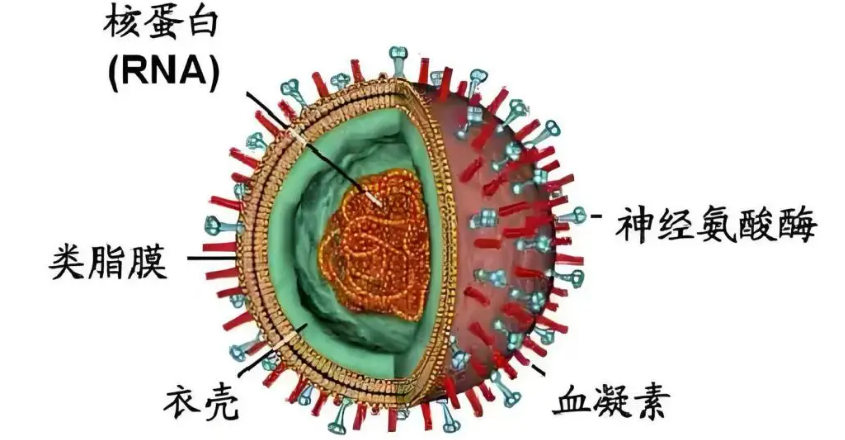
GS-441524 powder is changed into its active triphosphate form through a series of phosphorylation steps that are sped up by cellular kinases. This metabolic activity is a key factor in how well antivirals work. The molecule has to be able to compete with GS-441524 powder and natural adenosine for kinase action and build up to high enough levels inside cells.GS-441524 powder has good metabolic qualities that help it get into cells and get distributed properly in tissues, according to research. Because of how stable the molecule is, it can stay at therapeutic levels inside infected cells through multiple viral replication rounds. This keeps the virus from spreading by applying steady antiviral pressure.

GS-441524 Powder for Disrupting RNA Synthesis in Coronaviruses
Targeting Coronavirus RNA-Dependent RNA Polymerase
Coronaviruses have a unique way of replicating that is based on a highly conserved RdRp enzyme complex. This polymerase has some molecular traits that make it easy for nucleoside analogs to stop working. GS-441524 powder targets this enzymatic complex in particular, using its catalytic process to make mistakes in reproduction. The coronavirus RdRp works by using a two-metal-ion catalytic process that makes it easier for nucleotides to join the growing RNA chain.


The triphosphate version of GS-441524 powder is very close to natural ATP, so it can get into the active site of the enzyme and take part in the catalytic cycle. While the enzyme's proofreading systems can fix some replication mistakes, they are not very good at finding and getting rid of the added copy.
Impact on Viral Genome Integrity
When GS-441524 powder joins virus RNA, it changes the structure in ways that affect replication events further down the line.
Because of these changes, the next replication rounds won't be as accurate, which makes the virus genes that aren't working properly. When these kinds of mistakes add up, they make progeny viruses less able to attack others and lower the total health of the virus. Researchers who have looked into how coronaviruses replicate have found that GS-441524 powder slows down the production of viruses. When the compound is added to infected cells, they make fewer viable virus particles. The ones that are released often have genetic flaws that make it harder for them to attack new host cells.


Can GS-441524 Powder Stop RNA Chain Elongation in Infected Cells?

Delayed Chain Termination Mechanism
GS-441524 powder causes delayed chain termination, which is different from other chain terminators that stop polymerization right away. Once it is incorporated into the virus RNA strand, the copy lets a few more nucleotides be added before stopping replication. This impact happens later because of small changes in the structure of the RNA backbone that slowly stop the polymerase from moving forward. The changed sugar molecule of GS-441524 powder causes small changes in the shape of the RNA helix, which is what causes this delayed termination. As the polymerase tries to extend the chain past the inserted analog, these errors get worse.
At some point, the geometric limits get tough enough to make the polymerase-RNA complex unstable, GS-441524 powder which causes it to break apart too soon and leave genome synthesis unfinished.
Kinetic Barriers to Elongation
Studying the enzymatic activity of coronavirus RdRp has shown how GS-441524 powder blocks the movement of elongation.


When the copy is in the RNA template, it slows down the addition of nucleotides to places further downstream. Each time the polymerase tries to read through regions with multiple incorporated analogs, this rate drop gets stronger. These kinetic barriers have a combined effect of making it much harder for viruses to make RNA in cells that are affected. Comparing the amounts of viral RNA in cells that were treated and cells that were not treated shows that both genomic and subgenomic RNA species are significantly lower. This shows that the chemical has a wide effect on the transcription and replication processes of viruses.
How GS-441524 Powder Prevents Viral Genome Replication Efficiently
Inhibition of Positive and Negative Strand Synthesis
Positive-sense and negative-sense RNA strands are made during RNA virus production. These strands have different functions in the viral life cycle. As a result of targeting the common RdRp enzyme that makes both types of strands, GS-441524 powder stops the production of them. This compound's antiviral action is increased by its ability to block two different pathways.A very important first step in virus replication is making negative-strand templates from positive-strand DNA.


When GS-441524 powder is added during this phase, it makes faulty negative-strand templates that then make abnormal positive-strand offspring. This spreading of errors makes the compound's blocking effect stronger over many reproduction rounds.
Reduction in Subgenomic RNA Production
Coronaviruses and other RNA viruses that are linked to them make a stacked set of subgenomic RNAs that code for structural and accessory proteins. To make these subgenomic species, the RdRp enzyme has to do irregular transcription.
Which means it has to jump between template regions to make the unique stacked structure. This complicated transcription program is messed up by GS-441524 powder, which lowers the efficiency of polymerase and the accuracy of template swapping. Subgenomic RNA levels were measured in infected cells that were treated with GS-441524 powder and showed big drops in all viral gene expression products. This complete blocking of viral transcription stops the production of important structural proteins needed for virion assembly. This makes it harder to infect others in ways other than stopping genome replication directly.


GS-441524 Powder and the Molecular Science Behind RNA Virus Suppression
Interaction with Viral Polymerase Active Site
Using X-ray crystallography and cryo-electron imaging to do advanced structural studies, GS-441524 powder has given us a lot of information about how GS-441524 powder works with virus polymerase enzymes. The research shows that the compound's triphosphate form binds to the nucleotide-binding pocket of the enzyme. It then forms important interactions with conserved amino acid residues that coordinate the two metal ions needed for catalysis. The shape of GS-441524 powder's triphosphate makes its changed nucleobase face in a way that looks like natural adenosine.
This lets the polymerase recognize it as a real substrate. The next step is an incorporation process that uses the normal two-metal-ion mechanism. This creates a phosphodiester link between the new version and the growing RNA chain.
Conformational Changes in Polymerase-RNA Complex
After the GS-441524 powder is added, the polymerase-RNA complex goes through small changes in its shape. These changes to the structure affect where the active site residues are located and how the new RNA strand is lined up. Molecular dynamics models have shown that these changes happen more and more as the polymerase tries to make the chain longer than the copy that is already there.


In the end, the conformational strain caused by the GS-441524 powder is greater than the stability energy given by the polymerase-RNA contacts, which causes the complex to break apart. This process is different from the rapid termination caused by obligate chain terminators. It has a unique pharmacological profile that may be better in terms of resistance building and antiviral effectiveness.
Biochemical Validation Through Enzymatic Assays
Using pure viral polymerases in in vitro biochemical tests has given exact numbers for GS-441524 powder's inhibitory effectiveness. These studies show that the molecule has strong antiviral activity at the molecular level, with IC50 values in the low micromolar range for blocking coronavirus RdRp.
The molecule works as a competitive inhibitor against natural ATP, which fits with how it works as a nucleoside analog, according to enzyme dynamics studies. The molecular factors that determine GS-441524 powder susceptibility have been brought to light by comparing the suppression profiles of different viral polymerases. Polymerases with stricter substrate selectivity are better at recognizing the analog and not reacting to it, while those with less strict selectivity are more likely to react. These connections between structure and action help scientists make nucleoside analogs that are more effective against viruses and have a wider range of effects.

Conclusion
The chemical ways that GS-441524 powder stops the replication of RNA viruses show how complex the interactions are between antiviral drugs and the tools that viruses use to copy themselves. This compound shows the promise of nucleoside analogs in antiviral treatment because it has the same structure as natural nucleotides, delayed chain termination effects, and a preference for targeting viral polymerases. Researchers working on the next wave of antivirals and pharmaceutical companies trying to deal with new viral threats can learn a lot from understanding these processes. This molecule is a powerful antiviral weapon because it can stop multiple stages of viral genome replication while still being selective for viral enzymes and not human enzymes. As studies into virology and drugs continue to move forward, substances like GS-441524 powder show promise as ways to stop RNA virus infections. There is a scientific basis for how it works, which supports its continued growth and use to deal with major RNA virus-related health problems in animals.
FAQ
1. What makes GS-441524 powder effective against RNA viruses?
GS-441524 powder functions as a nucleoside analog that closely mimics natural adenosine. After cellular uptake and phosphorylation, it becomes incorporated into viral RNA by the virus's RNA-dependent RNA polymerase. This incorporation introduces structural changes that impede further RNA synthesis, leading to premature termination of viral genome replication and production of defective viral particles.
2. How does GS-441524 powder differ from other antiviral nucleoside analogs?
Unlike immediate chain terminators, GS-441524 powder induces delayed chain termination, allowing several nucleotides to be added after its incorporation before causing replication stalling. This mechanism creates multiple points of interference within the viral replication cycle and may present a higher barrier to resistance development compared to compounds that cause immediate termination.
3. Can GS-441524 powder affect normal cellular RNA synthesis?
GS-441524 powder demonstrates preferential selectivity for viral RNA-dependent RNA polymerases over human cellular polymerases. This selectivity arises from structural differences in enzyme active sites and substrate recognition mechanisms. The compound's therapeutic index indicates that antiviral concentrations remain well below levels that would significantly interfere with normal cellular RNA or DNA synthesis.
Partner with BLOOM TECH as Your Trusted GS-441524 Powder Supplier
BLOOM TECH stands as your reliable partner for high-quality GS-441524 powder supplier solutions, backed by over 12 years of excellence in organic synthesis and pharmaceutical intermediates. Our GMP-certified production facilities meet US, EU, JP, and CFDA standards, ensuring every batch of GS-441524 powder meets rigorous quality specifications with purity levels ≥98%. As qualified suppliers to 24 international pharmaceutical companies, we provide comprehensive analytical documentation (HPLC, MS), regulatory support, and scalable supply options tailored to your research or commercial needs. Our triple-layer quality control system guarantees product integrity, while our transparent pricing model and one-stop service platform streamline your procurement process. Whether you require research-grade quantities or bulk manufacturing support, our professional team delivers accurate lead times, detailed customs documentation, and responsive technical assistance.

Contact our team today at Sales@bloomtechz.com to discuss your GS-441524 powder requirements and discover how BLOOM TECH's expertise in organic chemical synthesis can accelerate your antiviral research and development initiatives.
References
1. Murphy, B.G., Perron, M., Murakami, E., Bauer, K., Park, Y., Eckstrand, C., Liepnieks, M., & Pedersen, N.C. (2018). The nucleoside analog GS-441524 strongly inhibits feline infectious peritonitis virus in tissue culture and experimental cat infection studies. Veterinary Microbiology, 219, 226-233.
2. Pruijssers, A.J., George, A.S., Schäfer, A., Leist, S.R., Gralinksi, L.E., Dinnon, K.H., Yount, B.L., Agostini, M.L., Stevens, L.J., Chappell, J.D., Lu, X., Hughes, T.M., Gully, K., Martinez, D.R., Brown, A.J., Graham, R.L., Perry, J.K., Du Pont, V., Pitts, J., Ma, B., Babusis, D., Murakami, E., Clarke, M.O., Mackman, R.L., Spahn, J.E., Palmiotti, C., Siegel, D., Ray, A.S., Bannister, R., Schulz, R., Chun, K., & Baric, R.S. (2020). Remdesivir inhibits SARS-CoV-2 in human lung cells and chimeric SARS-CoV expressing the SARS-CoV-2 RNA polymerase in mice. Cell Reports, 32(3), 107940.
3. Yan, V.C., & Muller, F.L. (2020). Advantages of the parent nucleoside GS-441524 over remdesivir for COVID-19 treatment. ACS Medicinal Chemistry Letters, 11(7), 1361-1366.
4. Gao, Y., Yan, L., Huang, Y., Liu, F., Zhao, Y., Cao, L., Wang, T., Sun, Q., Ming, Z., Zhang, L., Ge, J., Zheng, L., Zhang, Y., Wang, H., Zhu, Y., Zhu, C., Hu, T., Hua, T., Zhang, B., Yang, X., Li, J., Yang, H., Liu, Z., Xu, W., Guddat, L.W., Wang, Q., Lou, Z., & Rao, Z. (2020). Structure of the RNA-dependent RNA polymerase from the COVID-19 virus. Science, 368(6492), 779-782.
5. Agostini, M.L., Andres, E.L., Sims, A.C., Graham, R.L., Sheahan, T.P., Lu, X., Smith, E.C., Case, J.B., Feng, J.Y., Jordan, R., Ray, A.S., Cihlar, T., Siegel, D., Mackman, R.L., Clarke, M.O., Baric, R.S., & Denison, M.R. (2018). Coronavirus susceptibility to the antiviral remdesivir (GS-5734) is mediated by the viral polymerase and the proofreading exoribonuclease. mBio, 9(2), e00221-18.
6. Warren, T.K., Jordan, R., Lo, M.K., Ray, A.S., Mackman, R.L., Soloveva, V., Siegel, D., Perron, M., Bannister, R., Hui, H.C., Larson, N., Strickley, R., Wells, J., Stuthman, K.S., Van Tongeren, S.A., Garza, N.L., Donnelly, G., Shurtleff, A.C., Retterer, C.J., Gharaibeh, D., Zamani, R., Kenny, T., Eaton, B.P., Grimes, E., Welch, L.S., Gomba, L., Wilhelmsen, C.L., Nichols, D.K., Nuss, J.E., Nagle, E.R., Kugelman, J.R., Palacios, G., Doerffler, E., Neville, S., Carra, E., Clarke, M.O., Zhang, L., Lew, W., Ross, B., Wang, Q., Chun, K., Wolfe, L., Babusis, D., Park, Y., Stray, K.M., Trancheva, I., Feng, J.Y., Barauskas, O., Xu, Y., Wong, P., Braun, M.R., Flint, M., McMullan, L.K., Chen, S.S., Fearns, R., Swaminathan, S., Mayers, D.L., Spiropoulou, C.F., Lee, W.A., Nichol, S.T., Cihlar, T., & Bavari, S. (2016). Therapeutic efficacy of the small molecule GS-5734 against Ebola virus in rhesus monkeys. Nature, 531(7594), 381-385.