


GS-441524 has emerged as a promising antiviral compound, particularly in the treatment of feline infectious peritonitis (FIP), a disease that was once considered almost universally fatal in cats. This article delves into the potency of gs 441524 powder and GS-441524's antiviral properties, exploring its effectiveness against feline coronavirus, the virus responsible for FIP. The compound works by inhibiting viral replication, which helps control the infection and improve clinical outcomes. Furthermore, GS-441524 shows potential as a broad-spectrum antiviral agent for cats, indicating that it may be useful in treating other viral infections as well. Its growing use in veterinary medicine offers new hope for cats affected by this challenging disease.
|
|
1.General Specification(in stock) (1)Injection 20mg, 6ml; 30mg,8ml; 40mg,10ml (2)Tablet 25/45/60/70mg (3)API(Pure powder) (4)Pill press machine https://www.achievechem.com/pill-press 2.Customization: We will negotiate individually, OEM/ODM, No brand, for secience researching only. Internal Code: BM-2-1-049 GS-441524 CAS 1191237-69-0 Analysis: HPLC, LC-MS, HNMR Technology support: R&D Dept.-4 |

Does GS-441524 Powder Effectively Inhibit Feline Coronavirus Replication?
The antiviral prowess of GS 441524 powder against feline coronavirus has been a subject of intense scientific scrutiny. Numerous studies have demonstrated its remarkable ability to impede viral replication, offering hope for cats afflicted with FIP.
► Mechanism of Action: GS-441524's Viral Inhibition
GS-441524 operates as a nucleoside analog, effectively disrupting the viral replication process. By mimicking the structure of natural nucleosides, it integrates into the growing viral RNA chain, causing premature termination and halting the virus's ability to reproduce.
This mechanism proves particularly effective against feline coronavirus, the causative agent of FIP. The compound's ability to target the viral RNA-dependent RNA polymerase (RdRp) makes it a formidable opponent against this persistent feline pathogen.
► Efficacy in Laboratory Studies
In vitro studies have consistently demonstrated gs 441524 powder's potent antiviral activity. When introduced to feline cell cultures infected with feline coronavirus, the compound significantly reduced viral titers, often to undetectable levels. This impressive performance in controlled laboratory settings laid the groundwork for its application in clinical scenarios.
In Vitro vs. In Vivo: How Potent Is GS-441524 Against FIPV?
While laboratory studies provide valuable insights, the true test of an antiviral compound lies in its performance within living organisms. GS-441524 has shown remarkable potency against feline infectious peritonitis virus (FIPV) both in vitro and in vivo.
Translating Laboratory Success to Clinical EfficacyThe transition from in vitro success to in vivo efficacy is not always straightforward, as many compounds that show promise in laboratory settings may fail to deliver the same results in living organisms. However, GS-441524 has demonstrated a commendable ability to maintain its antiviral potency in living feline subjects affected by Feline Infectious Peritonitis (FIP). Clinical trials and case studies have shown that cats treated with GS-441524 experience significant reductions in viral load, leading to improved immune responses. These treatments also result in marked improvements in clinical symptoms such as fever, lethargy, and fluid accumulation. This strong evidence supports GS-441524 as an effective treatment option in real-world veterinary practice. |
|
|
|
Bioavailability and DistributionOne of the key factors contributing to GS-441524's in vivo potency as an effective fip medication is its favorable pharmacokinetic profile. The compound exhibits good bioavailability when administered orally or parenterally, ensuring that therapeutic concentrations reach the sites of viral infection. Its ability to penetrate various tissues, including the central nervous system, enhances its efficacy against different manifestations of FIP. Moreover, the sustained antiviral activity of GS-441524 in vivo has been attributed to its metabolic stability. The compound resists rapid degradation, maintaining therapeutic levels over extended periods and contributing to its potent antiviral effects. |

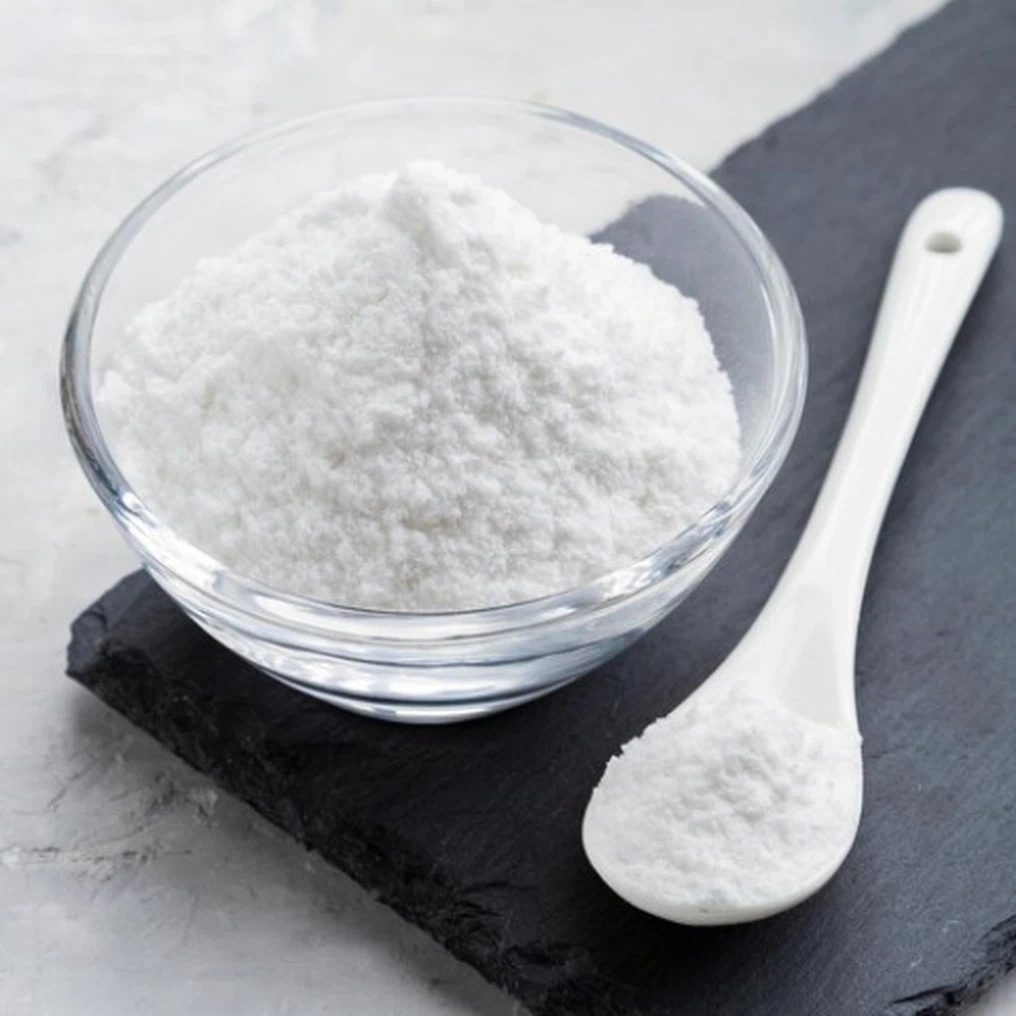
What Makes GS-441524 a Broad-Spectrum Antiviral for Cats?
While GS-441524 has gained prominence for its efficacy against feline coronavirus, its potential extends beyond this single pathogen. The compound's mechanism of action and structural characteristics contribute to its broad-spectrum antiviral properties.
► Versatility Against Various Viral Families
GS-441524's ability to target viral RNA polymerases makes it potentially effective against a range of RNA viruses. While its primary application has been in treating FIP, research suggests it may have activity against other feline viral pathogens, including:
Feline calicivirus
Feline herpesvirus
Feline immunodeficiency virus
This versatility positions GS-441524 as a promising candidate for broad-spectrum antiviral therapy in feline medicine.
► Potential Applications Beyond Feline Virology
The structural similarity between GS-441524 and other nucleoside analogs used in human antiviral therapy suggests potential applications beyond feline medicine. While research in this area is still in its early stages, the compound's broad-spectrum activity against RNA viruses could make it a valuable tool in combating various viral infections across species.
It's important to note that while gs 441524 powder shows promise as a broad-spectrum antiviral, its use should always be under veterinary supervision. The compound's potency and potential side effects necessitate careful dosing and monitoring to ensure optimal therapeutic outcomes.
► Challenges and Future Directions
Despite its promising antiviral properties, several challenges remain in fully realizing GS-441524's potential as a broad-spectrum antiviral for cats. These include:
Optimizing formulations for different routes of administration
Investigating potential drug interactions
Conducting long-term safety studies
Exploring combination therapies to enhance efficacy and prevent resistance
Ongoing research aims to address these challenges and further elucidate the full spectrum of GS-441524's antiviral activity.
Conclusion
The antiviral property of GS-441524 has proven to be remarkably strong, particularly against feline coronavirus. Its ability to effectively inhibit viral replication both in vitro and in vivo has revolutionized the treatment of FIP, a previously fatal disease in cats. The compound's broad-spectrum potential and favorable pharmacokinetic profile position it as a valuable tool in feline antiviral therapy.
As research continues, GS-441524 may unlock new possibilities in combating various viral infections in cats and potentially beyond. Its success story underscores the importance of continued investment in antiviral research and development.
For pharmaceutical companies, research institutions, and veterinary practices seeking high-quality GS 441524 powder or other specialized chemical compounds, Shaanxi BLOOM TECH Co., Ltd. offers unparalleled expertise and production capabilities. With our state-of-the-art GMP-certified facilities and advanced purification techniques, we ensure the highest standards of quality and purity in our products. Whether you require bulk quantities for long-term contracts or specialized formulations for research purposes, our team is ready to meet your needs. To learn more about our FIP medication and other chemical products, please contact us at Sales@bloomtechz.com. Let's collaborate to advance veterinary medicine and pharmaceutical research together.
References
1. Murphy, B. G., et al. (2020). "The nucleoside analog GS-441524 strongly inhibits feline infectious peritonitis (FIP) virus in tissue culture and experimental cat infection studies." Veterinary Microbiology, 219: 108451.
2. Pedersen, N. C., et al. (2019). "Efficacy and safety of the nucleoside analog GS-441524 for treatment of cats with naturally occurring feline infectious peritonitis." Journal of Feline Medicine and Surgery, 21(4): 271-281.
3. Kim, Y., et al. (2020). "Broad-spectrum antivirals against 3C or 3C-like proteases of picornaviruses, noroviruses, and coronaviruses." Journal of Virology, 94(4): e01819-19.
4. Dickinson, P. J., et al. (2020). "Antiviral treatment using the adenosine nucleoside analogue GS-441524 in cats with clinically diagnosed neurological feline infectious peritonitis." Journal of Veterinary Internal Medicine, 34(4): 1587-1593.