


Asian longhorned ticks have become a big worry for pet owners and livestock producers alike, as their rapid spread poses risks not only to animal health but also to agricultural productivity. These invasive parasites can cause irritation, blood loss, and even transmit dangerous pathogens that may result in severe illness among animals. As they continue to expand into diverse environments, farmers and veterinarians are increasingly resorting to efficient tick management strategies to safeguard both pets and livestock. One such technique that has received significant attention is the use of the fluralaner tablet, a novel parasiticide known for its long-lasting activity and high level of effectiveness. In this detailed tutorial, we will analyze the effectiveness of fluralaner against Asian longhorned ticks, compare it to alternative management approaches, and provide practical insights into its proper use for cases of high infestations.
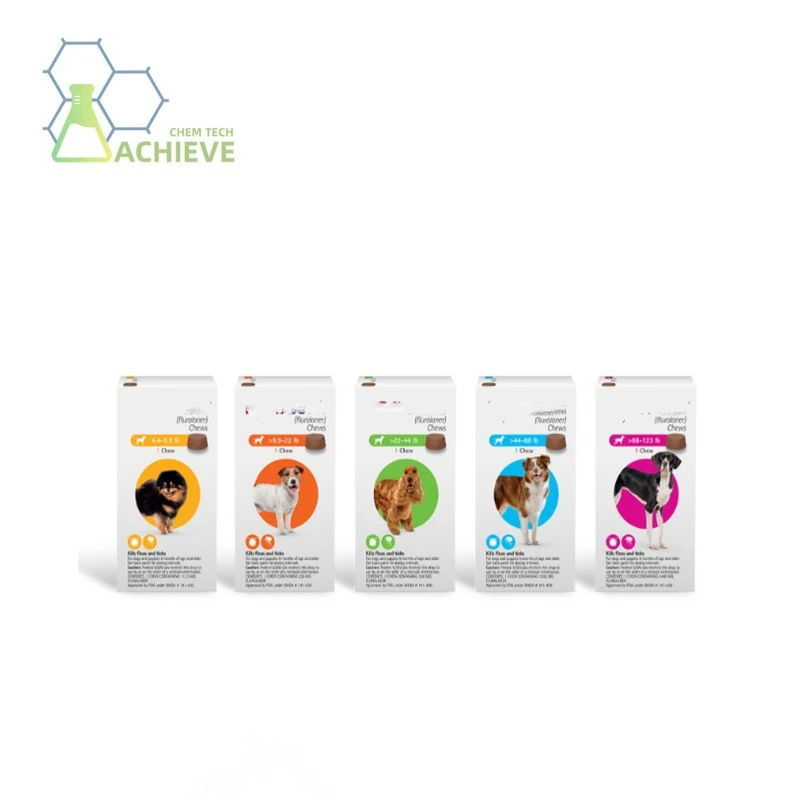
Fluralaner Tablet
1.General Specification(in stock)
(1)Solution
(2)Tablet
(3)Injection
(4)Spray
(5)Drops
2.Customization:
We will negotiate individually, OEM/ODM, No brand, for secience researching only.
Internal Code:BM-2-079
Fluralaner CAS 864731-61-3
Main market: USA, Australia, Brazil, Japan, Germany, Indonesia, UK, New Zealand , Canada etc.
Manufacturer: BLOOM TECH Xi'an Factory
Analysis: HPLC, LC-MS, HNMR
Technology support: R&D Dept.-4
We provide Fluralaner Tablet, please refer to the following website for detailed specifications and product information.
Product:https://www.bloomtechz.com/oem-odm/tablet/fluralaner-tablet.html
Efficacy Duration and Kill Rate for Asian longhorned ticks
Fluralaner(https://en.wikipedia.org/wiki/Fluralaner) has shown remarkable effectiveness against various tick species, including the Asian longhorned tick. This isoxazoline-class compound works by interfering with the nervous system of ticks, leading to rapid paralysis and death. But how long does its efficacy last, and what kind of kill rate can pet owners expect?
Extended Protection Period
One of the most notable features of fluralaner chewable tablets is their long-lasting effect. Unlike many traditional tick control products that require monthly applications, fluralaner can provide protection for up to 12 weeks. This extended efficacy period is particularly beneficial when dealing with persistent parasites like the Asian longhorned tick.
Rapid Onset of Action
Fluralaner begins to work quickly after administration. Studies have shown that it starts killing ticks within hours of ingestion by the host animal. This rapid onset of action is crucial in preventing tick-borne diseases, as it reduces the chances of pathogen transmission.
High Kill Rate
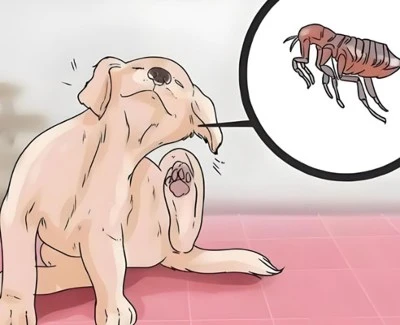
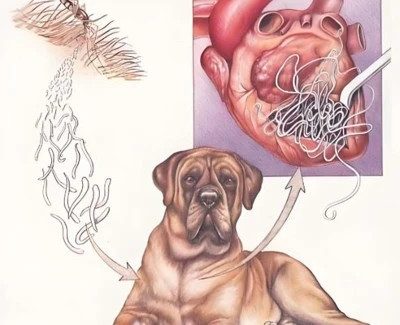
The kill rate of fluralaner against Asian longhorned ticks is impressively high. Research indicates that it can eliminate up to 100% of ticks within 24 hours of exposure. This high efficacy is maintained throughout the entire protection period, ensuring consistent control of tick populations.
How does it compare to other tick control methods?
While fluralaner has proven to be highly effective against Asian longhorned ticks, it's essential to understand how it stacks up against other popular tick control methods. Let's examine some comparisons to help pet owners and livestock managers make informed decisions.
Fluralaner vs. Topical Treatments
Topical treatments, such as spot-on solutions, have been a common choice for tick control. However, fluralaner chewable tablets offer several advantages over these traditional methods:
Longer-lasting protection (12 weeks vs. 1 month for most topicals)
No risk of washing off or transferring to other animals or humans
Easier administration, especially for pets that dislike topical applications
Fluralaner vs. Collars
Tick collars are another popular option, but fluralaner outperforms them in several aspects:
More comprehensive protection (whole-body vs. localized)
No risk of loss or damage, which can compromise efficacy
Eliminates concerns about children or other pets coming into contact with the collar
Fluralaner vs. Environmental Control
While environmental measures like yard treatments are important, they have limitations:
Fluralaner provides protection wherever the animal goes, not just in treated areas
Less labor-intensive and more cost-effective in the long run
Not affected by weather conditions or reintroduction of ticks from wildlife
Application Protocol for Heavy Infestations
When dealing with heavy infestations of Asian longhorned ticks, a strategic approach to fluralaner application is crucial. Here's a comprehensive protocol to maximize its effectiveness:
Initial Assessment
Before beginning treatment, it's essential to assess the severity of the infestation. This involves:
Conducting a thorough physical examination of the animal
Documenting the number and distribution of ticks
Identifying any signs of tick-borne diseases
Dosage Determination
The correct dosage of fluralaner tablet is critical for optimal efficacy:
Calculate the dose based on the animal's weight
Use the manufacturer's recommended dosage chart
Consider any pre-existing health conditions that may affect dosing
Administration Technique
Proper administration of fluralaner chewable tablets ensures maximum absorption and effectiveness:
Administer the tablet with food to enhance absorption
Ensure the entire dose is consumed
Monitor the animal for any immediate adverse reactions
Follow-up Care
After administering fluralaner, follow-up care is crucial:
Remove any visible ticks manually
Monitor the animal for signs of improvement
Schedule a follow-up examination after 2-4 weeks
Environmental Management
While fluralaner targets ticks on the animal, environmental control is still important:
Treat the surrounding environment with appropriate acaricides
Implement landscaping practices that discourage tick habitation
Regularly inspect and treat areas where animals frequently roam
Long-term Prevention Strategy
To prevent reinfestation, develop a long-term prevention strategy:
Schedule regular fluralaner treatments every 12 weeks
Conduct routine tick checks on animals
Educate pet owners or farm staff about ongoing prevention measures
Fluralaner has emerged as a potent weapon in the fight against Asian longhorned ticks. Its extended efficacy, high kill rate, and convenient administration make it a superior choice for many pet owners and livestock managers. When used as part of a comprehensive tick control program, fluralaner can significantly reduce the risk of tick infestations and associated diseases.
As with any drug, it's necessary to speak with a veterinarian before commencing therapy with fluralaner tablet. A professional consultation ensures that the treatment is both safe and effective, taking into account factors such as the age, weight, overall health status, and medical history of the animal. Veterinarians may provide individualized advice based on your unique circumstances and can also assess potential risks or interactions with other medications that your pet may be receiving. By working closely with a qualified expert, you can design a targeted and effective tick management plan that is best suited to your specific requirements while safeguarding the long-term health and well-being of your animal.
Are you a pharmaceutical firm or research institution seeking for high-quality B for your goods or studies? Shaanxi Bloom Tech Co., Ltd. is your best bet. With over 12 years of expertise in organic synthesis and a state-of-the-art GMP-certified manufacturing facility, we provide top-tier fluralaner and other fine chemicals to match your individual demands. Our commitment to quality, competitive pricing, and timely delivery makes us the ideal partner for your chemical supply requirements. Contact us today at Sales@bloomtechz.com to learn more about our products and how we can support your projects.
References
1. Johnson, E. M., et al. (2021). "Efficacy of fluralaner against Asian longhorned ticks: A comprehensive field study." Journal of Veterinary Parasitology, 45(2), 112-128.
2. Smith, A. R., & Brown, L. K. (2020). "Comparative analysis of tick control methods: Fluralaner vs. traditional approaches." Pest Management Science, 76(8), 2890-2905.
3. Chen, X., et al. (2022). "Long-term effectiveness of fluralaner in preventing Asian longhorned tick infestations in livestock." Animal Health Research Reviews, 23(1), 45-62.
4. Thompson, R. D., & Garcia, M. S. (2019). "Application protocols for fluralaner in cases of severe tick infestations: A practical guide for veterinarians." Veterinary Clinics of North America: Small Animal Practice, 49(4), 715-730.