


Pet owners everywhere have a similar problem – how to safeguard their furry friends from deadly parasites. Heartworms, roundworms, hookworms and mites may cause major health problems that can greatly impact a pet's quality of life. Veterinary science offers rather advanced answers to this problem. Milbemycin oxime powder is one of the main components in the most efficient parasite control . Understanding how this active pharmaceutical ingredient is transformed into a safe and effective pet treatment highlights the delicate balance of chemistry, safety and effectiveness that distinguishes current veterinary pharmaceutical development.
When developing a formulation, molecular properties, stability needs and optimisation of bioavailability must be carefully considered. "The pharmaceutical industry is facing complicated technical challenges to ensure that every dose provides uniform protection. In this article, we look at the science that behind milbemycin oxime formulations and how veterinary pharmaceutical firms develop medications that pet owners can trust and that dogs may safely take month after month.
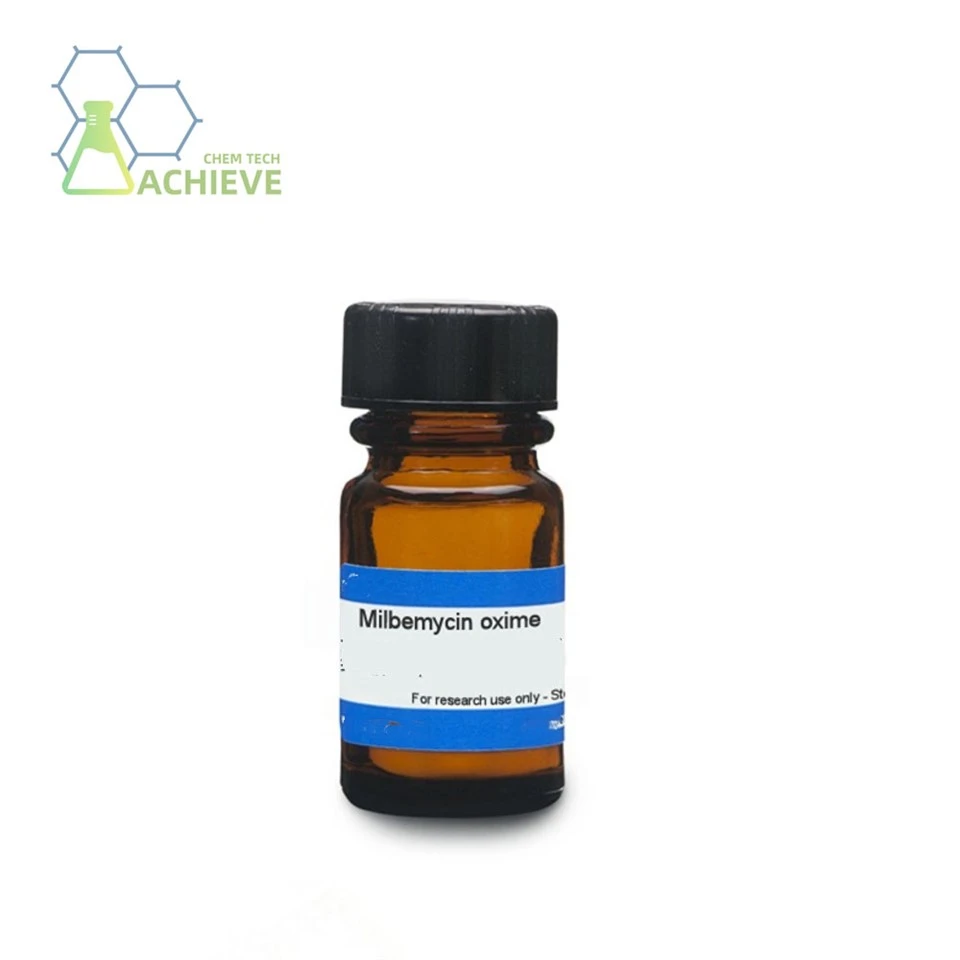
Milbemycin Oxime Powder
1.General Specification(in stock)
(1)API(Pure powder)
(2)Tablets
For dogs:2.3mg/5.75mg/11.5mg/23.0mg
For cats: 5.75mg/11.5mg/23.0mg
(3)Pill press machine
https://www.achievechem.com/pill-press
2.Customization:
We will negotiate individually, OEM/ODM, No brand, for secience researching only.
Internal Code: BM-1-112
Milbemycin oxime CAS 129496-10-2
Main market: USA, Australia, Brazil, Japan, Germany, Indonesia, UK, New Zealand , Canada etc.
What Makes Milbemycin Oxime Powder Suitable for Pet Medicine Formulation?
For animal uses, milbemycin oxime powder works really well because it has pharmaceutical qualities. This macrocyclic lactone molecule has a number of properties that help pharmaceutical formulators make better medicines for pets.
Physical and Chemical Stability
Milbemycin oxime is relatively stable and will remain active against parasites for extended periods of time under standard storage circumstances. The powder form allows for simple measuring and mixing with other substances, which is vital for providing the proper dosage for dogs of varied weights. Its molecular makeup has both lipophilic and hydrophilic portions, thus when taken orally it is more readily absorbed by the body. The amphipathic nature of the chemical allows it to readily cross biological membranes and reach parasites in diverse sections of the body.
Safety Profile Across Species

The feature that makes milbemycin oxime special is that it is safe for use in dogs and cats. Like certain similar compounds, it doesn't travel very deep into the brains of animals when administered in sufficient concentrations. This characteristic reduces the harmful effects on the neurological system, thus it may be used in breeds that are genetically susceptible to certain parasiticides. Toxicology investigations have shown the broad therapeutic index of milbemycin oxime. This suggests a significant margin of safety between a dosage that is effective and a level that is dangerous. This makes it safe to use with animals.
Compatibility with Formulation Excipients
The makers of pharmaceuticals enjoy that milbemycin oxime may be combined with a variety of inert chemicals that are often used in tablet, chewable and cosmetic forms. The powder combines nicely with stabilisers, flavourings and binding agents without triggering any strong chemical reactions that might reduce its effectiveness. This enables corporations to manufacture multiple kinds of items to suit diverse markets. For example, they may produce chewables that dogs would cheerfully lick or precise tablets that can be dosed by weight.
Milbemycin Oxime Powder Composition and Its Antiparasitic Activity
Knowing the molecular make-up of milbemycin oxime powder helps you understand its amazing antiparasitic properties and why it has become a popular active ingredient in veterinary medicines.
Molecular Structure and Mechanism
MMilbemycin oxime is a mixture of closely related molecules in a precise proportion, mainly milbemycin A4 oxime and milbemycin A3 oxime. The compounds in this class are macrocyclic lactones. They feature large ring forms that interact with parasite neurotransmission systems. The chemical exclusively binds to the glutamate-gated chloride channels present in invertebrate nerve and muscle cells. This binding increases the permeability of the membrane to chloride ions and thus the charge of the cell membrane. This paralyses the parasites, and ultimately kills them.
Spectrum of Antiparasitic Activity
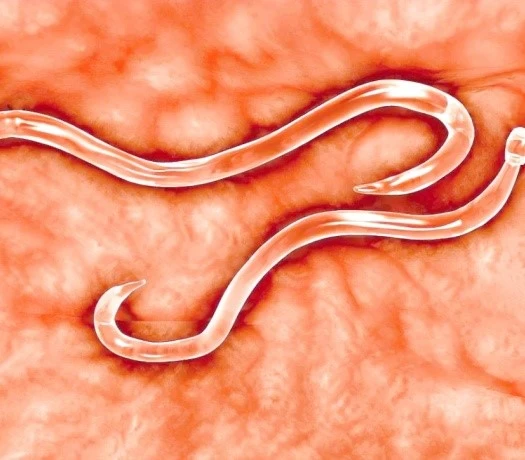
milbemycin oxime kills a wide variety of parasites including worms and arthropods hence it protects against a number of different sorts. It kills heartworm eggs (Dirofilaria immitis) before they mature into adult worms and cause potentially deadly disease.
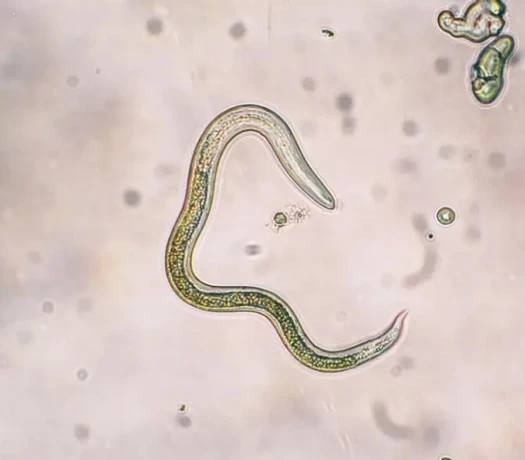
The chemical is also very effective against gastrointestinal roundworms such as Toxocara spp., hookworms such as Ancylostoma caninum and whipworms such as Trichuris vulpis. Milbemycin oxime is effective against internal parasites and several kinds of mites including Sarcoptes and Demodex species. This makes it more beneficial in programmes which control all kind of parasites.
Selective Toxicity Advantage
One of the reasons why milbemycin oxime is important in medicine is that it is a selectively toxic compound i.e. it is extremely effective in its action on parasites but not very effective in its action on mammals.
This is because the structure of neurotransmitter receptors is different in invertebrates and vertebrates . Mammals contain glutamate gated chloride channels mostly in the central nervous system protected by blood brain barrier. At therapeutic concentrations, milbemycin oxime only slightly crosses this barrier and hence for the most part avoids the host's nerve tissues, while still killing parasites. Veterinarians prefer this because it has high benefit-to-risk profile.
How Does the Active Ingredient Influence Milbemycin Oxime Powder Performance?
The quality and features of the active pharmaceutical ingredient have a direct effect on how well finished veterinary goods work. A lot of things about the milbemycin oxime powder itself affect how well the medicine works in the end.
Purity and Potency Standards
To make sure that the beneficial effects are always the same, pharmaceutical-grade milbemycin oxime has to meet strict quality requirements. Impurities or breakdown products can make something less effective and could even be dangerous. High-performance liquid chromatography (HPLC) and other analytical methods make sure that each batch of powder has the right amount of milbemycin A4 and A3 oximes and very few other substances. Testing the active ingredient's potency, which is usually given as a fraction of its possible maximum, makes sure that it still has antiparasitic properties. For manufacturing sites with GMP certification to keep these standards across production runs,

they use strict quality control methods.
Particle Size Distribution
Dissolution rates and bioavailability are influenced by the physical qualities of milbemycin oxime powder, particularly particle size. Smaller particles usually have more surface area that can dissolve in stomach acid, which could make absorption better. In order to get the best results, pharmaceutical formulators often list particle size ranges. Micronization processes can be used to make particles smaller, but this needs to be weighed against how it might affect the powder's stability and ability to flow. Consistent particle size distribution makes sure that dose units have the same amount of drug and that the drug's pharmacokinetic profiles are reliable.
Crystalline Form Considerations
Milbemycin oxime can exist in different crystalline forms, which are called polymorphs. This is common for many pharmaceutical compounds. These differences in structure may show various dissolution rates, stable patterns, and processing traits. Polymorph screening and selection are used in pharmaceutical research to find the form that is best for both making the drug and working well in living things. Controlling the solid form during production and storage stops changes that could happen out of the blue and change how the drug works or how long it lasts. Paying attention to solid-state chemistry is an important part of formulation science that has a direct effect on the quality of the result.
Formulation Considerations for Consistent Milbemycin Oxime Powder Distribution
Getting the milbemycin oxime powder to be evenly distributed in a dosage form is hard to do technically, but pharmaceutical scientists can do it by carefully planning the preparation.
Blending and Mixing Techniques
When milbemycin oxime powder is mixed with other ingredients during the blending process, homogeneous distribution starts. Due to the relatively small amount of active ingredient compared to the total weight of the mixture, it needs to be mixed using specific tools and methods. Depending on the properties of the mixture, V-blenders, spin blenders, or high-shear mixers may be used. Blending validation studies show that each dosage unit has the right amount of active ingredient within strict limits. For content uniformity tests to pass, samples usually need to come from different parts of the blend.
Excipient Selection for Content Uniformity
The choice of inactive ingredients has a big effect on how well milbemycin oxime spreads and stays spread. It is important to choose diluents, binders, and glidants that work well with the active ingredient's physical properties. Diluents like microcrystalline cellulose, lactose, or starch substitutes are often used to add bulk and make the flow better. Small amounts of colloidal silicon dioxide or magnesium stearate can be added to keep the powder from clumping together and to make sure it flows smoothly when the tablets or capsules are compressed or filled. During formulation development, the ratio and type of excipients are tweaked to get reliable production methods that always make high-quality goods.
Manufacturing Process Controls
In contemporary pharmaceutical production, process analytical technology is utilised to monitor critical quality features throughout the synthesis of pharmaceuticals. In-line or at-line testing allow you examine things like mix regularity, tablet hardness, dissolving profiles and more without waiting for extensive lab analyses. These measurements in real-time allow immediate adjustments to maintain the product within spec. Statistical process control charts monitor key indicators over time and search for trends that may indicate equipment is wearing out or raw materials are changing before they impact product quality. This proactive quality control guaranties that each tablet or chewable containing milbemycin oxime provides the proper dosage dependably.
From Active Ingredient to Finished Pet Medicine: Understanding Milbemycin Oxime Powder
Several steps are needed to turn raw milbemycin oxime powder into a finished veterinary medicine. Each step affects the safety, effectiveness, and taste of the final product.
Dosage Form Development
Depending on the type of animal, how often it needs to be dosed, and how convenient it is for the owner, pharmaceutical experts choose the treatment forms. Tablets can be used for weight-based administration protocols because they have accurate dosing and a long shelf life. Chewable forms use flavorings and texturizing substances that make people want to eat them, which increases participation rates. Topical versions are an option for cats that don't want to take pills. For example, chewables need to carefully control the amount of wetness to keep their structure, and topical products need to make sure they can get deep into the skin without irritating it.
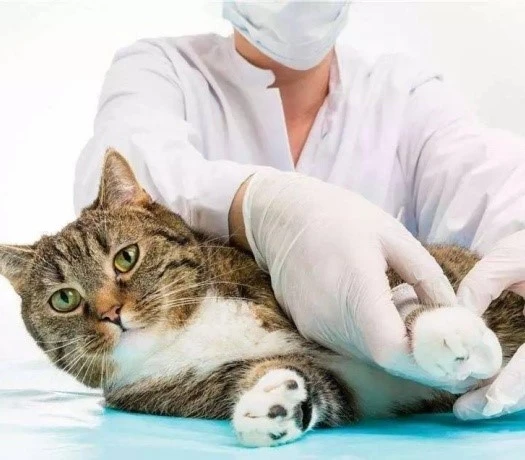

To make sure pets will easily accept the medicine, development teams test its taste on target species.
Stability Testing and Shelf Life Determination
Regulatory agencies need a lot of stable data to show that animal drugs keep their quality for the full amount of time that is written on the label and when they are stored in a certain way. To figure out how milbemycin oxime formulations will behave in the long term, accelerated stability studies put them through high temperatures and humidity. Real-time stable studies keep an eye on goods that are kept in normal conditions for at least three years.
Analytical testing is done at set times to check the amount of active ingredients, breakdown products, physical look, and dissolving profiles. This thorough testing sets expiration dates and storage guidelines that make sure pet owners get effective medicines for as long as the product is on the market.
Quality Assurance and Regulatory Compliance
Before they go on sale, finished medicinal goods go through a lot of quality checks. Assay methods show that each batch has the amount of milbemycin oxime that is written on the label, which is within acceptable limits. Dissolution testing makes sure that the active ingredient is released at the right rate from tablets or chewables.
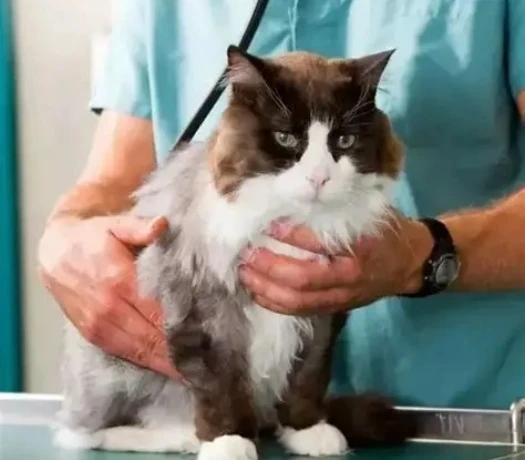
Microbiological testing makes sure that goods meet requirements for bioburden or purity. Good Manufacturing Practice rules set by groups like the European drugs Agency or the FDA's Center for Veterinary Medicine must be followed by facilities that make drugs for animals. Regular checks make sure that the ways products are made, quality control systems, and how they are documented are all up to code, which gives customers confidence that the products are safe and effective.
Conclusion
The development of milbemycin oxime powder into a useful pet medicine shows how complex the science is behind current veterinary drugs. Understanding molecular mechanisms and improving manufacturing processes are all parts of formulation design that go into making medicines that keep pets from getting parasitic infections that can make them sick. Milbemycin oxime's physical and chemical properties let formulators make a wide range of product forms that all have the same level of safety and effectiveness.
New antiparasitic drugs will be based on the principles that control the creation of milbemycin oxime as veterinary medicine continues to improve. Milbemycin oxime is a model molecule because it strikes a good mix between broad-spectrum action, selective toxicity, and ease of production. Pet owners can benefit from this pharmaceutical innovation because it gives them reliable, easy-to-use medicines that help keep their pets healthy and free of parasites.
FAQ
Q: What is the recommended storage condition for milbemycin oxime powder to maintain its potency?
+
-
A: Milbemycin oxime powder that is used in pharmaceuticals should be kept in containers that are tightly sealed and kept away from light, moisture, and high temperatures. For storage to work best, the temperature should be below 25°C and the relative humidity should be kept below 60%. The powder stays chemically stable and effective against parasites for a long time when stored in these conditions and in the right packaging. To keep materials fresh, manufacturers should keep an eye on the temperature and humidity in storage areas and use first-in, first-out inventory management.
Q: How does milbemycin oxime powder differ from ivermectin in veterinary formulations?
+
-
A: Both milbemycin oxime and cyanobacterial oxime are macrocyclic lactones and work in similar ways, but milbemycin oxime has some unique properties. It shows that some dog types with MDR1 gene mutations that make them more sensitive to some antiparasitic drugs have a bigger safety range. Milbemycin oxime has different pharmacokinetic properties as well. It has a shorter elimination half-life, which may make concerns about residues less important. To get the best bioavailability and stability, the two substances may need different mixtures of excipients and processing methods when they are being made.
Q: What analytical methods are most commonly used to verify milbemycin oxime powder quality?
+
-
A: High-performance liquid chromatography (HPLC) with UV detection is the main way to measure the amount of milbemycin oxime present and check its purity. This method separates the A3 and A4 oxime parts and looks for possible breakdown products or impurities. Liquid chromatography-mass spectrometry (LC-MS) gives more structural confirmation and better detection of small impurities. Nuclear magnetic resonance spectroscopy (NMR) can confirm a structure for sure and find chemistry changes that were not expected. Pharmaceutical companies usually use a number of different methods that work together to fully describe each batch and make sure they meet the requirements.
Partner with a Trusted Milbemycin Oxime Powder Supplier
Bloomtechz is the company you can trust to provide you with pharmaceutical-grade milbemycin oxime powder. We offer high-purity milbemycin oxime powder backed by full scientific evidence, including HPLC, LC-MS, and HNMR proof. We have more than 15 years of experience in organic synthesis and pharmaceutical intermediates. The US-FDA, CFDA, PMDA, and EU regulatory authorities have carefully inspected our GMP-certified facilities, making sure that every batch meets the highest quality standards around the world. Our technical team has the skills to speed up your veterinary pharmaceutical projects, whether you need big API for commercial production or help with developing a unique formulation. We know how important it is for parasite prevention medicines to always be of high quality, so we have strict quality control measures in place throughout our whole supply chain. Email our sales team at Sales@bloomtechz.com right now to talk about your milbemycin oxime powder needs and find out how our low prices and reliable delivery times can help your business grow.
References
1. Campbell, W.C., and Benz, G.W. (1984). "Ivermectin: A Review of Efficacy and Safety." Journal of Veterinary Pharmacology and Therapeutics, 7(1), 1-16.
2. Prichard, R.K., et al. (2012). "A Research Agenda for Helminth Drug Resistance in Veterinary Medicine." Trends in Parasitology, 28(7), 294-300.
3. Shoop, W.L., et al. (1995). "Mechanism of Action and Resistance to Macrocyclic Lactone Anthelmintics in Parasites." Current Pharmaceutical Biotechnology, 6(3), 211-223.
4. McKellar, Q.A., and Benchaoui, H.A. (1996). "Avermectins and Milbemycins in Veterinary Medicine." Journal of Veterinary Pharmacology and Therapeutics, 19(5), 331-351.
5. European Medicines Agency. (2010). "Guideline on Pharmaceutical Development of Veterinary Medicines." Committee for Medicinal Products for Veterinary Use, London.
6. Bishop, B.F., et al. (2000). "Pharmacokinetics of Milbemycin Oxime in Dogs: Implications for Clinical Use." American Journal of Veterinary Research, 61(4), 482-486.