


Parasites provide a constant threat to companion animals. Whether your dog is running through long grass or your cat is grooming itself indoors, the risk of parasite infestation is real year round. Therefore, milbemycin oxime tablets have become a dependable broad spectrum remedy that veterinary professionals and pet owners have come to rely on to fight these threats. In this article, we'll discuss how the drug works, which parasites it treats, and things to consider before you make a buying decision.
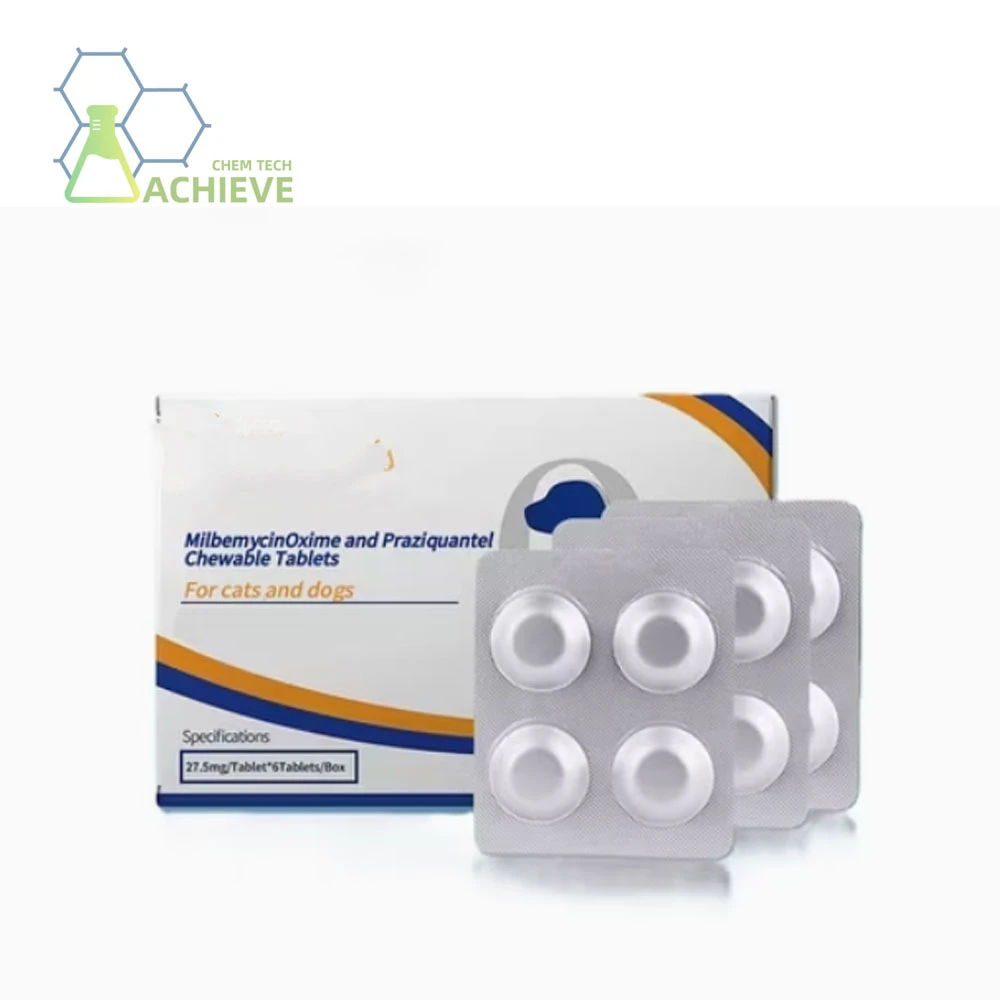
Milbemycin Oxime Tablets
1.General Specification(in stock)
(1)API(Pure powder)
(2)Tablets
For dogs:2.3mg/5.75mg/11.5mg/23.0mg
For cats: 5.75mg/11.5mg/23.0mg
(3)Pill press machine
https://www.achievechem.com/pill-press
2.Customization:
We will negotiate individually, OEM/ODM, No brand, for secience researching only.
Internal Code: BM-2-067
Milbemycin oxime CAS 129496-10-2
Main market: USA, Australia, Brazil, Japan, Germany, Indonesia, UK, New Zealand , Canada etc.
Manufacturer: BLOOM TECH Xi'an Factory
Analysis: HPLC, LC-MS, HNMR
Technology support: R&D Dept.-4
How Do Milbemycin Oxime Tablets Work Inside Dogs and Cats?
The Mechanism Behind the Molecule
Milbemycin oxime is a member of the chemical class of compounds known as the macrolide antibiotics, which are natural fermentation products. Once the tablet is ingested by the pet, the active ingredient is absorbed from the gastrointestinal tract and dispersed throughout the body. It then influences a specific neurological pathway in parasites – the gamma-aminobutyric acid (GABA) receptor system.
Milbemycin oxime acts by binding to the glutamate-gated chloride ion channels and GABA receptors on invertebrate nerve and muscle cells, disrupting normal signal transmission. This results in paralysis and death of susceptible parasites. In animals, the blood-brain barrier largely prevents the chemical from accessing the central nervous system .
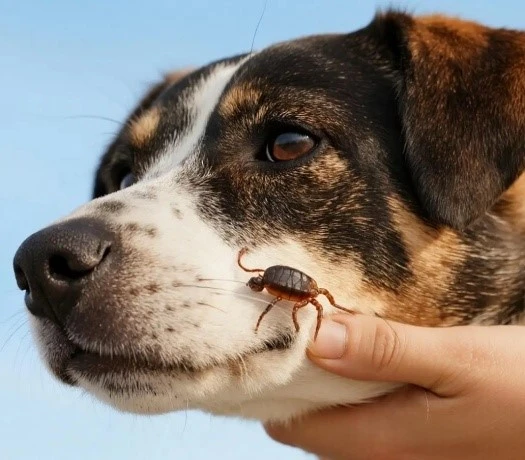

This accounts for the good safety profile of the medicine in dogs and cats at therapeutic levels.
Why the Chemical Structure Matters
Milbemycin oxime has a 16-membered macrocyclic lactone ring in its molecular framework. The structural core accounts for its powerful antiprotozoal activity. Chemists add an oxime group to the naturally occurring precursor, milbemycin A3/A4 (from Streptomyces fermentation), by a controlled reaction. This yields a molecule that has a higher bioavailability and a broader spectrum of activity than its natural precursor. Knowing its structure, gives some clues as to why it works and why it is selective - it messes with the parasite neurology, but doesn't produce similar consequences in the host animal.
Which Parasites Can Milbemycin Oxime Tablets Target?
Internal Parasites: The Invisible Burden
Milbemycin oxime tablets are effective in treating a range of various parasites. This drug has a long activity against many of the intestinal worms common to companion animals for internal risk. This drug acts against hookworms (Ancylostoma caninum, Uncinaria stenocephala), roundworms (Toxocara canis, Toxascaris leonina) and whipworms (Trichuris vulpis). Pets lose nourishment to these parasites, their digestive lining is harmed and extreme infestations can cause substantial systemic illness. The optimum dose should be used regularly, which will help keep parasite burdens at manageable levels and maintain gastrointestinal health in the long term.

Heartworm Larvae: The Preventive Target
Milbemycin oxime is effective as a larvicide against Dirofilaria immitis, the causative agent of heartworm disease, as well as the intestinal worms. The drug does not kill adult heartworms but will reliably destroy the L3 and L4 larval stages that emerge after a mosquito bite. You take it by mouth once a month, and that keeps the level of the drug in your system high enough to capture these larvae before they become mature." This mechanism of prevention is well established, and is the basis of heartworm prevention strategies recommended by veterinary parasitologists around the world.
Milbemycin Oxime Tablets and Their Role in Heartworm Prevention
Heartworm disease is a gradual process and it may take several months before signs of illness appear. When mature worms have already invaded the pulmonary vasculature, signs of exercise intolerance or respiratory distress may be noted in a pet. Milbemycin oxime tablets taken once a month interrupt this cycle at the larval stage and prevent establishment completely.
Endemic locations may consider year-round prophylactic therapy in accordance with veterinary guidelines, such as the American Heartworm Society. Its monthly dosing schedule fits neatly within the routine of pet care, and is thus a manageable regimen to continue for most households. Consistent use creates a pharmacological barrier to heartworm establishment.
How Milbemycin Oxime Tablets Address Common Intestinal Nematodes
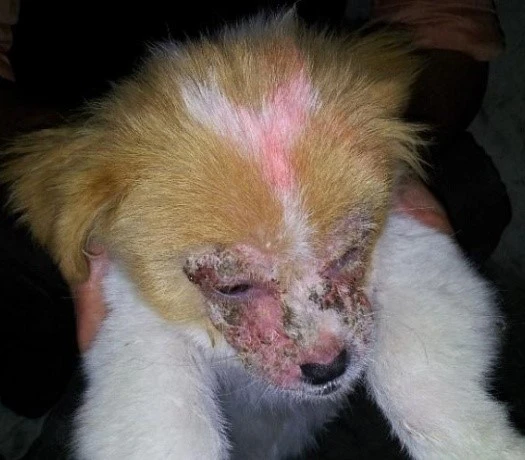
Intestinal nematodes are an important parasitic disease affecting companion animals worldwide. However, even in well cared for metropolitan pet populations, hookworm and roundworm infections are common, as documented by studies. If left untreated, these parasites can lead to protein-losing enteropathy, anemia and reduced growth in young animals.
This is handled with milbemycin oxime pills which work directly on the neuromuscular function of the parasites. The drug inhibits the motor activity of the adult worms and larval stages, resulting in their removal from the gastrointestinal tract. This is especially true in the case of hookworms which attach to the gut mucosa and cause a constant loss of blood.
They are removed to let dogs and cats to absorb enough amounts of food and maintain a healthy weight.
What Should Pet Owners Know When Choosing Milbemycin Oxime Tablets?
Dosage Specifications and Animal Suitability
The dose selection is dependent on the animal species and the body weight. The dog tablet strength ranges from 2.3 mg to 23.0 mg, and the cat preparations are in similar ranges according to weight. Proper weight measurement before dose is important for safety and efficacy. Sub-therapeutic treatment may fail to eliminate parasite loads, while excessive dosing – such as in breeds with known ABCB1 (MDR1) gene alterations like Collies – may pose safety issues. Always consult a veterinarian before deciding on a dosage.
Quality Standards That Matter at the Source
The quality of the active ingredient impacts how well the completed pill will perform.
Pharmaceutical grade milbemycin oxime should meet the purity criteria of HPLC 98.0 – 102.0 %, individual impurities less than 0.5 % and total impurities less than 1.0 %. Residual solvents such as methanol and ethyl acetate should be within the limits of pharmacopeia. Manufacturing sites should be GMP certified by regulatory entities such as US FDA, EU authorities and PMDA. These guidelines are not mere formalities – they actually impact the way the medicine acts in the animal's body.
Conclusion
Milbemycin oxime tablets are a thoroughly researched and established therapeutic technique for the treatment of parasite disease in companion animals. Their dual function in heartworm prevention and intestinal nematode clearance makes them a viable option for year round parasite treatment. When veterinary experts and educated pet owners understand how the drug works, what organisms it targets, and how the quality of production can effect performance, they can make confident judgments.
Frequently Asked Questions
1: Are milbemycin oxime tablets safe for all dog breeds?
+
-
A: Dogs usually tolerate the medicine well at labeled dose. Some breeds, including Collies and other herding breeds, have the ABCB1 (MDR1) gene mutation and may be more sensitive to some of the antiparasitic macrolides. A veterinarian should analyze the danger of breed specific prior to commencing any preventative protocol.
2: How often should milbemycin oxime tablets be administered for heartworm prevention?
+
-
A: The typical procedure is oral every 30 days. This period keeps circulation medication levels high enough to kill heartworm larvae before they reach hazardous life stages.
3: Can milbemycin oxime tablets be used in cats?
+
-
A: Yeah. There are formulas that are especially calibrated to the range of body weights for cats. Cats have different pharmacokinetic properties than dogs, hence pill strengths should always be chosen according to the species.
Partner with Bloomtechz for Reliable Milbemycin Oxime Tablets Supply
Since 2008, Bloomtechz has been supplying high-quality active pharmaceutical ingredients and full formulations to more than 24 international partners in the pharmaceutical, research and specialty chemical sectors. Our Xi'an plant is GMP certified and has been inspected on site by the US FDA, EU authorities, PMDA and other regulatory agencies. We are a trusted supplier of milbemycin oxime tablets, offering pure API powder, finished tablets in a variety of potencies for both dog and cat, and full OEM/ODM customized services. Each batch is triple-layer verified for quality at the factory, by our own internal QA/QC department and by third party authority analysis.
Contact our staff today for specs, lead times and pricing.
Contact us: Sales@bloomtechz.com
References
1. Bowman, D. D., & Mannella, C. (2011). Macrocyclic lactones and Dirofilaria immitis larvae in dogs. Topics in Companion Animal Medicine, 26(4), 185–192.
2. Geyer, J., Janko, C., & Petzinger, E. (2012). The ABCB1 transporter gene and ivermectin/milbemycin sensitivity in herding breed dogs. Journal of Veterinary Pharmacology and Therapeutics, 35(1), 1–13.
3. Prichard, R. K., & Geary, T. G. (2019). Perspectives on the utility of moxidectin and related macrocyclic lactones for the control of parasitic helminths. International Journal for Parasitology: Drugs and Drug Resistance, 10, 69–83.
4. Benchaoui, H. A., Clemence, R. G., Clements, P. J. M., & Genchi, C. (2000). Efficacy of milbemycin oxime against Dirofilaria immitis microfilariae and gastrointestinal nematodes in naturally infected dogs. Veterinary Parasitology, 93(3–4), 237–243.
5. American Heartworm Society. (2020). Current Canine Guidelines for the Prevention, Diagnosis, and Management of Heartworm (Dirofilaria immitis) Infection in Dogs. American Heartworm Society.
6. Riviere, J. E., & Papich, M. G. (Eds.). (2018). Veterinary Pharmacology and Therapeutics (10th ed.). Wiley-Blackwell.