


If you've ever wondered what makes afoxolaner and milbemycin oxime chewable tablets so powerful against such a wide spectrum of parasites in dogs, the answer lies deep in parasite biology – ion channels that regulate nerve and muscle activity. Understanding how these molecular targets work helps explain why this combination product offers such reliable, long-lasting protection. Let's go through the science in a manner that's clear and actually beneficial.
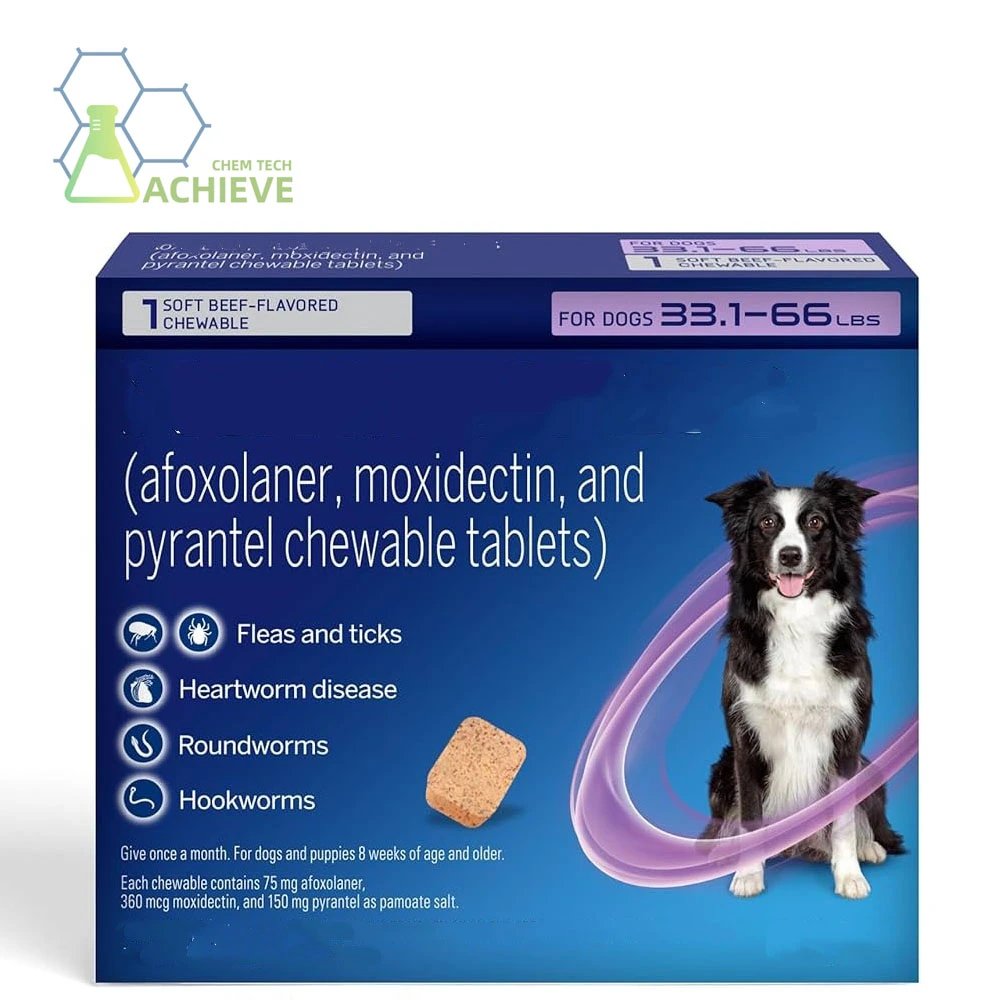
Afoxolaner And Milbemycin Oxime Chewable Tablets
1.General Specification(in stock)
(1)API(Pure powder)
(2)Tablet
9.375+1.875mg:2-3.5kg
18.75+3.75mg:>3.5-7.5kg
37.5+7.5mg:>7.5-15kg
75+15mg:>15-30kg
150+30mg:>30-60kg
(3)Ointment
2.Customization:
We will negotiate individually, OEM/ODM, No brand, for secience researching only.
Internal Code: BM-2-117
Main market: USA, Australia, Brazil, Japan, Germany, Indonesia, UK, New Zealand , Canada etc.
Manufacturer: BLOOM TECH Xi'an Factory
How Do Afoxolaner and Milbemycin Oxime Chewable Tablets Affect Parasite Ion Channels?
Two Active Ingredients, Two Distinct Targets
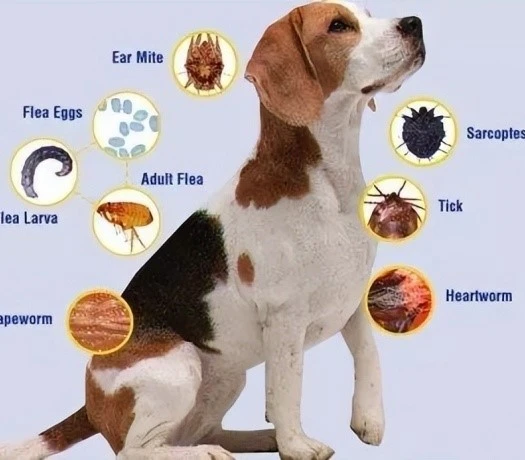
Both milbemycin oxime chewable tablets and afoxolaner are composed of two separate medications that act on different kinds of ion channels in parasites. Afoxolaner is an isoxazoline compound that inhibits the gamma-aminobutyric acid (GABA)-gated chloride channels of arthropods including fleas, ticks and mites. Milbemycin oxime is a macrolide that kills parasites It acts on glutamate-gated chloride channels (GluCls) and has been identified in nerve and muscle tissue of invertebrates. These two channels regulate two separate signalling pathways, hence the dual-action mechanism operates on parasite metabolism in two different ways at the same time.
Why Ion Channels Matter for Parasite Control
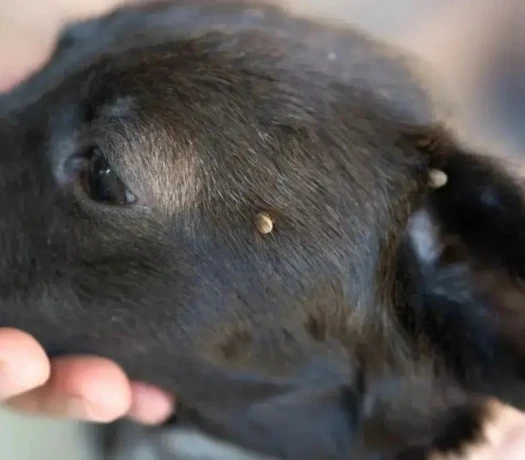
Proteins that are built into cell membranes make up ion channels. That controls the flow of charged particles, like chloride ions, into and out of cells, which in turn controls the flow of electricity in nerve and muscle tissue. For parasites to move, eat, and reproduce, these pathways are very important. Because the medicine links to and changes these channels, the parasite can't organize its basic functions anymore. It leads to death and paralysis. This is why focusing on ion channels has become a main way to make modern medicines that kill parasites in animals.
How Does Milbemycin Oxime Activate Glutamate-Gated Channels?
The Binding Mechanism at the Molecular Level
When afoxolaner and milbemycin oxime chewable tablets bind to certain allosteric sites on the GluCl receptor complex, it opens up glutamate-gated chloride channels. Milbemycin oxime operates differently than other agonists. It mimics glutamate and uses a distinct binding site to modify the structure of the channel protein. This modification maintains the channel open, so that chloride ions continue to flow into the nerve cell or muscle cell. The continuous influx of chloride ions drives the membrane potential into a hyperpolarised state. This indicates that the cell is too negatively charged to send out the action potentials that are essential for muscles to contract or neurones to fire.
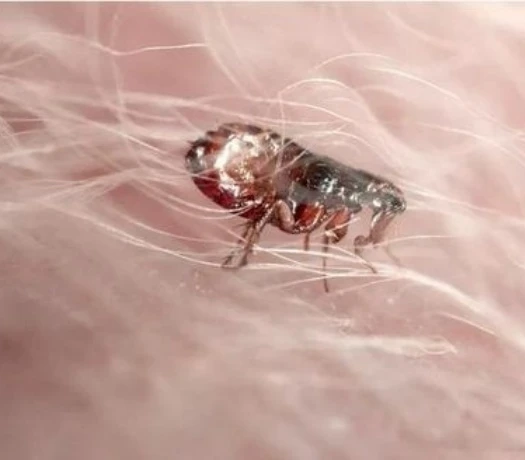
Hyperpolarization and Its Consequences for Parasites
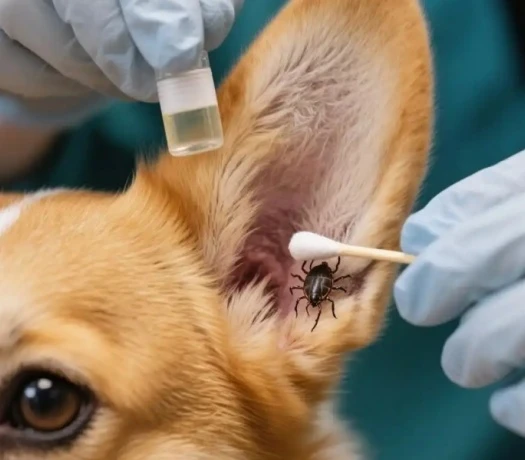
Once hyperpolarization happens, the parasite is weak and unable to move. Nematodes, like heartworm larvae and stomach roundworms, need organized muscle activity to move through host tissue, stay in the gut without being pushed out, and finish their life cycle. When milbemycin oxime locks GluCl channels open, this coordination is lost for good. Activating GluCl in the worm model organism Caenorhabditis elegans has been shown to quickly and permanently paralyze the animals. This is the pharmacological basis for milbemycin oxime's therapeutic effectiveness. This means that after a monthly dose, there will be a meaningful drop in the number of heartworm microfilariae and stomach nematodes in dogs.
Glutamate-Gated Channels in Afoxolaner and Milbemycin Oxime Chewable Tablets
How Milbemycin Oxime Disrupts Parasite Nerve Signaling
Milbemycin oxime is a major contributor to the anthelmintic effect of afoxolaner and milbemycin oxime chewable tablets by acting on glutamate-gated chloride channels located in nematode nerve and muscle cells. It enhances the inflow of chloride ions which improves the permeability of the membrane . It leads the parasite toward prolonged hyperpolarisation . The normal neuromuscular signalling degenerates progressively, which prevents the parasite from maintaining motion or vital physiological processes. This method offers a focused approach to control of vulnerable gastrointestinal and other nematode parasites, while complementing the wide antiparasitic coverage of the combination.
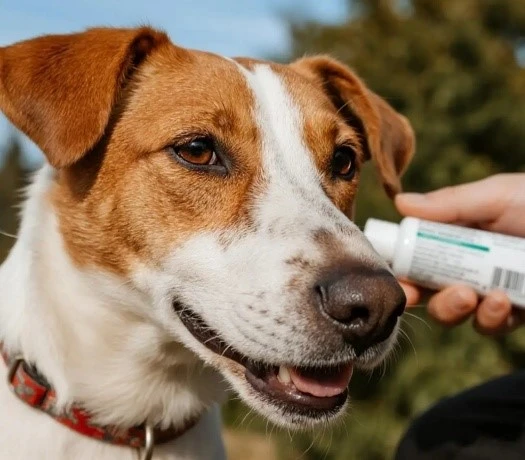
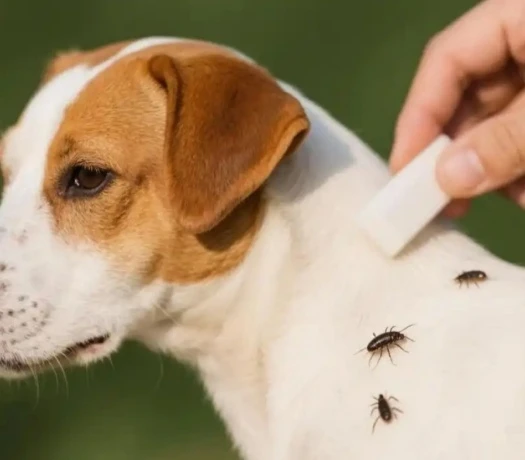
Why Glutamate-Gated Channels Matter in Antiparasitic Design
Glutamate gated chloride channels are of particular pharmacological interest since they are characteristic of invertebrate nervous systems and absent in vertebrates. This biological difference explains the selective efficacy of macrocyclic lactones such as milbemycin oxime against parasites. Such target information is useful to makers of veterinary medications and researchers when assessing the mechanism, location and formulation of afoxolaner and milbemycin oxime chewable tablets. It also reveals that by adding active substances that target different forms of parasites, alternative neurological pathways may be utilised.
Complementary Mechanisms Expand Parasite Control
The benefit of afoxolaner in combination with milbemycin oxime is partially due to their differing main pharmacological targets. Milbemycin oxime acts by increasing the inflow of chloride into susceptible nematode cells in response to glutamate. Afoxolaner acts by targeting ligand-gated chloride channels linked with GABA signalling in insects and acarines, resulting in uncontrolled neural activity. In all, these processes help to widen the functional spectrum of afoxolaner and milbemycin oxime chewable tablets, providing a single oral formulation that is effective against ectoparasites such as fleas and ticks and some internal nematodes.
How Do Afoxolaner and Milbemycin Oxime Chewable Tablets Cause Parasite Paralysis?
Synergistic Disruption of Neurological Function
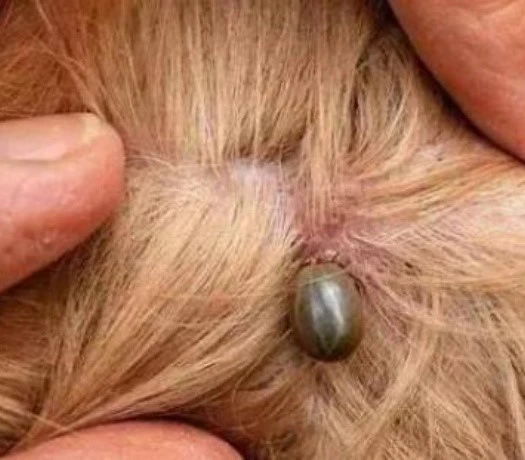
The fact that afoxolaner and milbemycin oxime chewable tablets can paralyze you is because they combine two different but helpful processes. Afoxolaner stops chloride ions from entering the GABA-gated chloride channels of ectoparasites, which makes nerve cells get excited beyond control. Milbemycin oxime goes after the glutamate-gated chloride channels in worms. It opens these channels so that chloride ions can flood the cells and make them more charged. Since both medicines are given once a month, they affect different types of channels and parasite families. However, because they are both present in the same dose, they completely affect all the parasites that a dog can be exposed to, both inside and outside the body.
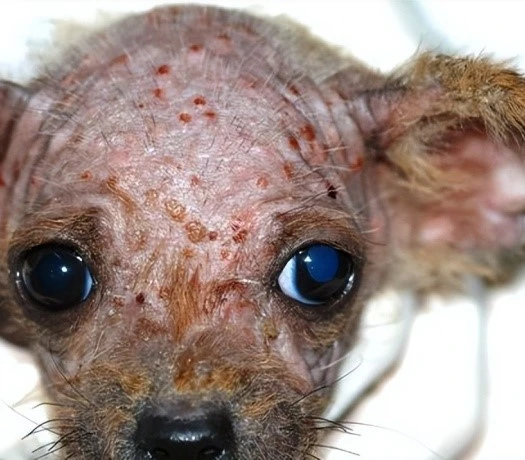
From Channel Disruption to Clinical Outcome
This two-channel interruption is clinically proven to be important. After taking one dose by mouth, afoxolaner reaches its highest level in the plasma within two to four hours. It stays above the level needed for effectiveness for about two weeks, since its plasma half-life is about fourteen days. Milbemycin oxime A3 and A4 peaks were seen every one to two hours, and their half-lives were 1.6 and 3.3 days, respectively. Because of these pharmacokinetic features, both endoparasites and ectoparasites can be exposed to lethal doses of drugs in the crucial early hours after an injection.
Glutamate-Gated vs. GABA-Gated Channels in Afoxolaner and Milbemycin Oxime Chewable Tablets
Comparing Two Channel Systems
The chloride ion flux is a common feature of glutamate-gated and GABA-gated chloride channels, but their physiological functions are rather different, and they are activated by completely different chemical signals. GABA, an inhibitory neurotransmitter, generally decreases neuronal excitability by opening GABA-gated channels. Paradoxically, afoxolaner inhibits these channels in arthropods, resulting in overstimulation. By contrast, glutamate-gated channels respond to the neurotransmitter glutamate. Glutamate is excitatory in vertebrates but inhibitory at the neuromuscular junctions of invertebrates. Milbemycin oxime opens GluCl channels to imitate and amplify inhibitory signals, forcing cells into paralysis rather than excitation.
Selectivity and Host Safety
This biochemical difference in both channel types also explains the host safety of the combined product. In mammalian neural systems, glutamate is mostly used via ionotropic receptors (e.g., NMDA and AMPA), not GluCl channels. Milbemycin oxime also has limited access to the canine central nervous system because of the blood-brain barrier. Afoxolaner has a far lower affinity for human GABA-A receptors than for arthropod GABA receptors. The end product is a medication that kills parasites selectively and has very little neurological danger to dogs, and this is due to selectivity at the channel level, not just the dose.
Conclusion
The effectiveness of the afoxolaner and milbemycin oxime chewable tablets is not accidental; it is the result of precise molecular targeting. Milbemycin oxime activates glutamate-gated chloride channels in nematodes, and afoxolaner inhibits GABA-gated chloride channels in arthropods, providing a dual-action pharmacological method for the treatment of internal and external parasites via scientifically confirmed processes. Understanding these interactions at the channel level may help to build trust in product design and real-world performance for veterinary practitioners and pet owners who are looking for a complete, monthly oral solution.
Frequently Asked Questions
Q1: What role do glutamate-gated chloride channels play in milbemycin oxime's mechanism of action?
+
-
Milbemycin oxime binds to allosteric sites on glutamate-gated chloride channels in invertebrate nerve and muscle cells. This binding locks the channels open, causing sustained chloride ion influx and driving the cell into hyperpolarization. The parasite loses neuromuscular coordination and enters a state of flaccid paralysis, ultimately leading to death.
Q2: Are glutamate-gated chloride channels found in dogs or other mammals?
+
-
Glutamate-gated chloride channels are exclusive to invertebrates and are not expressed in the mammalian nervous system. This structural difference is a primary reason why milbemycin oxime selectively affects parasites rather than the host dog, contributing to the favorable safety profile of the combination product across most breeds.
Q3: How does the dual-channel targeting in afoxolaner and milbemycin oxime chewable tablets benefit dogs in high-parasite environments?
+
-
The combination simultaneously addresses ectoparasites through GABA-gated channel inhibition via afoxolaner, and endoparasites through GluCl channel activation via milbemycin oxime. A single monthly oral dose covers fleas, ticks, heartworm larvae, and gastrointestinal nematodes, reducing the need for multiple separate treatments and simplifying parasite management in environments where exposure risk is elevated.
Partner with Bloomtechz - Your Trusted Afoxolaner and Milbemycin Oxime Chewable Tablets Supplier
At Bloomtechz, we combine over 12 years of organic synthesis expertise with GMP-certified manufacturing capabilities that meet US FDA, EU, JP, and CFDA standards. Our cooperative production site spans 100,000 square meters and has passed on-site inspection by regulatory bodies including USFDA and BGV-Hamburg, Germany. As a qualified afoxolaner and milbemycin oxime chewable tablets supplier, we offer API powder and finished tablets across the full weight-range specification system, and OEM/ODM customization tailored to your market requirements. Whether you need bulk pharmaceutical intermediates or custom formulations for research, Bloomtechz delivers accurate pricing, transparent lead times, and triple-layer quality assurance - with a full refund guarantee if any contracted specification is unmet. Reach out to our team today and let's build a long-term partnership that moves your business forward.
Contact us: Sales@bloomtechz.com
References
1. Yates, D. M., & Wolstenholme, A. J. (2004). An ivermectin-sensitive glutamate-gated chloride channel subunit from Dirofilaria immitis. International Journal for Parasitology, 34(9), 1075–1081.
2. Wolstenholme, A. J. (2012). Glutamate-gated chloride channels. Journal of Biological Chemistry, 287(48), 40232–40238.
3. Bowman, D. D., Atkins, C. E., & Litster, A. (2017). Heartworm biology, treatment, and control. Veterinary Clinics of North America: Small Animal Practice, 47(4), 765–786.
4. Prichard, R., Ménez, C., & Lespine, A. (2012). Moxidectin and the avermectins: Consanguinity but not identity. International Journal for Parasitology: Drugs and Drug Resistance, 2, 134–153.
5. Dumont, G., Lespine, A., & Alvinerie, M. (2010). Pharmacokinetics of milbemycin oxime in dogs: Influence of P-glycoprotein modulation. Journal of Veterinary Pharmacology and Therapeutics, 33(5), 457–463.
6. Shoop, W. L., Mrozik, H., & Fisher, M. H. (1995). Structure and activity of avermectins and milbemycins in animal health. Veterinary Parasitology, 59(2), 139–156.