


Year-round control of external parasites in dogs is a must. Untreated fleas, ticks and mites can cause discomfort for a dog and lead to secondary skin problems. Topical parasite management using compound fipronil drops is well known to pet owners and veterinary specialists.
When to use compound fipronil drops and how to choose the proper product for different dog lifestyles is discussed in this advice on the practical, caring routine for dogs and their owners.

Compound Fipronil And Praziquantel Spot On Solution
1.General Specification(in stock)
(1)Solution
2.Customization:
We will negotiate individually, OEM/ODM, No brand, for secience researching only.
Internal Code: BM-9-022
Compound Fipronil and Praziquantel Spot On Solution
Main market: USA, Australia, Brazil, Japan, Germany, Indonesia, UK, New Zealand , Canada etc.
Manufacturer: BLOOM TECH Xi'an Factory
Analysis: HPLC, LC-MS, HNMR
Technology support: R&D Dept.-4
When Should Compound Fipronil Drops Be Considered for Dogs
Recognizing the Signs That Warrant Attention
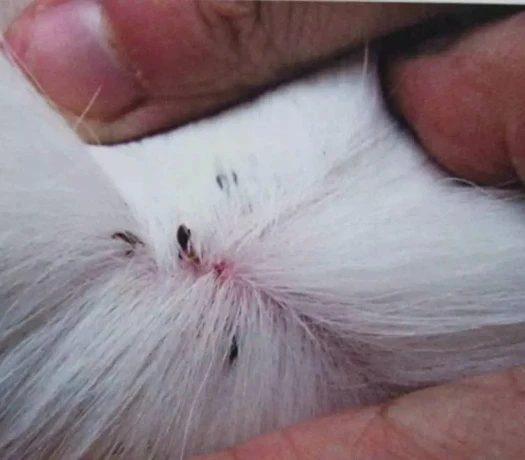
Dogs indicate discomfort through behavior. Signs of external parasites include constant scratching, frequent biting at the base of the tail, disturbed sleep and apparent skin irritation. Another strong clue is flea dirt – tiny dark specks seen on the skin or coat. When you see these indicators, it's crucial to act fast to avoid reinfestation in the home.
Compound fipronil drops are especially important if a dog continues to be active with fleas even with regular brushing. The active chemical fipronil blocks GABA-gated chloride channels in the neurological system of insects and arachnids, producing uncontrolled neural activity of the parasite.
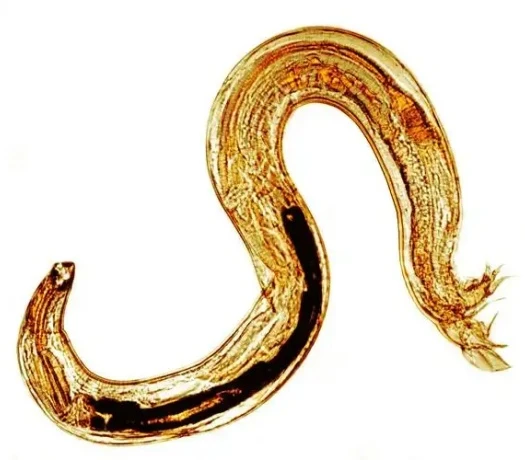
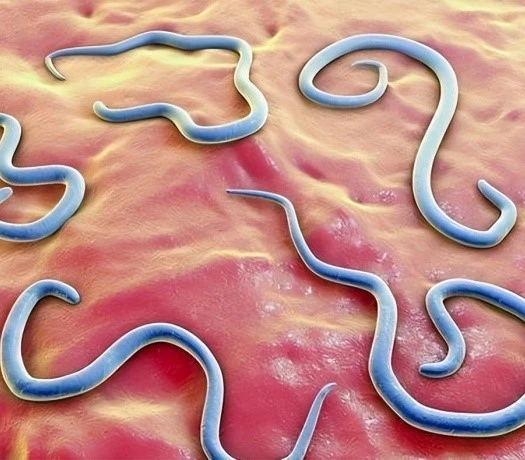
It is a technique that targets invertebrates, but can be used in dogs if applied under veterinary direction.
Seasonal and Environmental Triggers
Fleas are most abundant in the warm, humid months, but those indoors may remain active all year. The exposure risk is greater with dogs who are in grassy areas, dog parks, kennels or households with several pets. In such cases, waiting for visual indications may postpone crucial action. Scheduling compound fipronil drops on a proactive basis, often at monthly intervals, minimizes the risk of large-scale infestations occurring.
How Do Compound Fipronil Drops Support Ongoing External Parasite Management?
Residual Protection and the Skin Barrier
The residual activity of compound fipronil drops is one of the most practical features. Fipronil is distributed over the skin surface via the sebaceous glands and hair follicles after application to the skin at the base of the head or between the shoulder blades. This self-spreading activity allows the compound to get into areas beyond the point of direct application for better coverage.
The veterinary pharmacology literature has shown that fipronil can be detected on the surface of the skin for several weeks after application, therefore providing continued protection between treatment cycles.

Complementing Broader Pest Control Strategies
Treating external parasites in dogs is seldom a one-pronged attack. Topical treatments combine with environmental flea control measures such as frequent vacuuming, washing of pet bedding, and treating indoor areas. The drops of compound fipronil act on the parasite where it is sitting on the animal, while home methods aim to limit the danger of reinfestation from the surrounding environment. When both approaches are coordinated the overall management outcome is improved greatly.
Most recommendations in veterinary dermatology that you note when you apply the treatment, and watch how the dog responds over the next several days.
Be consistent with the time period between applications to maintain the level of protection.
Compound Fipronil Drops for Dogs With Different Flea Exposure Patterns
Dogs With High Outdoor Exposure
Dogs that live or spend a lot of time outdoors – whether working, exercising or just regularly walking in natural areas – have a greater choice of ectoparasite habitats. Fleas and ticks are more prevalent in tall grass, leaf litter and near wildlife corridors. Reliability of compound fipronil drops matters a lot for those pets. The compound's persistence on the skin following modest water contact supports persistent protection in active, outdoor-oriented canines.
Dogs in Multi-Pet Households
Fleas can be passed from one pet to another in houses with more than one animal, thus the infestation may continue even if only one animal is treated.

Co-ordinating parasite control for all pets in the home lowers the chance of cross-infestation. Regular application of compound fipronil drops to each dog on a regular schedule - ideally on the same calendar date each month - makes household parasite care easier and produces a more defensible barrier to reinfestation.
How the Topical Action of Compound Fipronil Drops Fits Into Routine Dog Care
Application Logistics in a Monthly Routine
With a little planning, topical remedies can easily be incorporated into a dog's monthly care routine. Takes under a minute to apply, split fur to expose skin, apply solution straight on, let dry naturally. Most dogs do well with the treatment, particularly if they are exposed to it in a calm, consistent manner from a young age.
For pet owners who keep track of their dog's care with a calendar or app, it's easier to be consistent with application intervals. When dosages are missed, there are gaps in protection that fleas can exploit, especially in high exposure situations.
Observing the Dog After Application
The usual practice after use of compound fipronil drops is to observe the dog for a short time and ensure no unexpected reactions occur. The application site may appear a little greasy for a day or two as the chemical spreads out. Do not bathe your dog or expose it to prolonged water immediately after application as this may impair the efficient spread of the active ingredient on the surface of the skin.
What Should Pet Owners Consider When Choosing Compound Fipronil Drops for Flea Control?
Product Formulation and Compound Integrity
Not all topical flea treatments are the same. The efficacy of the product is determined by the concentration of fipronil, the carrier solvents utilized, and the purity of the substance. Owners who source treatments from veterinarian channels or reputable providers benefit from verifiable quality standards and documented testing. By sourcing compound fipronil drops from a GMP certified and validated supplier, you may be assured that the compound satisfies accepted purity and efficacy requirements.
Matching the Product to the Dog's Profile
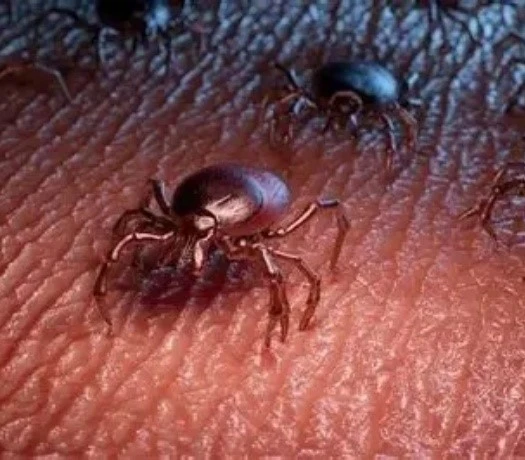
The frequency and the combination of the fipronil drops should be administered depends upon the weight of the dog, the density of its coat, its age and its health background.These decisions are best made with veterinary advice. Special attention should be given to puppies under 8 weeks of age, pregnant bitches or animals with pre-existing dermatological disorders before introduction of any topical parasite management.
Conclusion
The drops of compound fipronil drops are a feasible and thoroughly investigated method of external parasite control in dogs. When used as part of a well-thought-out routine of regular care – taking into account how, when and where they are applied; and where they are sourced – they can provide reliable flea protection for a broad spectrum of dog lifestyles and levels of exposure. Good flea management depends on planning ahead, consistency and sourcing from dependable vendors.
Frequently Asked Questions
Q1: How often should compound fipronil drops be applied to dogs?
+
-
In most veterinary regimens it is recommended to apply compound fipronil drops once a month. Fipronil has residual activity on the skin surface, which is generally protective for about four weeks. Reapplication at monthly intervals provides consistent control of parasites;
Q2: Can compound fipronil drops be used alongside other parasite treatments?
+
-
You should always see a veterinarian before combining treatments. Some pet owners utilize combination fipronil drops in conjunction with environmental flea control or internal parasite treatments. A vet can decide if a dog's health profile and exposure environment warrants a combination of topical and systemic methods.
Q3: What makes product quality important when sourcing compound fipronil drops?
+
-
Fipronil purity and concentration are directly linked to safety and efficacy. So bad formulations may have contaminants or a different amount of active ingredients, and hence are less reliable. Compound fipronil drops are sourced from a confirmed international provider with GMP certification, assuring documented quality standards and consistent performance.
Looking for a Trusted Compound Fipronil Drops Supplier? Contact Bloomtechz
Bloomtechz is a GMP certified chemical supplier with 12+ years of experience in synthesis of organic compounds and precision chemical manufacture. Our production facility of 100,000 square meters is certified by US FDA, EU GMP, JP, and CFDA to ensure that each batch satisfies rigorous international standards. Bloomtechz is a certified provider of compound fipronil drops, offering high purity active pharmaceutical ingredients that are traceable and triple-link quality analysis. Our staff offers accurate lead times, fair pricing and full documentation support for customs clearance whether you require small research amounts or large-scale bulk orders. Partner with a supplier 24 of the top global companies in Pharmaceuticals, Specialty Chemicals, R&D trust.
Reach our team directly: Sales@bloomtechz.com
References
1. Cochet, P., Birckel, P., Bromet-Petit, M., Bromet, N., & Weil, A. (1997). Skin distribution of fipronil by microautoradiography following topical administration to the beagle dog. European Journal of Drug Metabolism and Pharmacokinetics, 22(3), 211–216.
2. Postal, J. M., Guaguère, E., & Yoon, J. (1995). Efficacy of fipronil in the treatment and prevention of flea infestations in dogs. Veterinary Dermatology, 6(4), 153–158.
3. Hinkle, N. C., Koehler, P. G., & Patterson, R. S. (1998). Residual efficacy of topically applied fipronil against cat flea infestations on dogs. Journal of the American Veterinary Medical Association, 212(6), 866–868.
4. Rust, M. K., Vail, K. M., & Reierson, D. A. (1999). Effect of fipronil spot-on treatment on flea populations in homes. Journal of Medical Entomology, 36(5), 558–563.
5. World Health Organization. (2010). Fipronil in drinking-water: Background document for development of WHO guidelines for drinking-water quality. WHO/SDE/WSH/03.04/89.
6. Fourie, J. J., Horak, I. G., & van Zyl, J. M. (2013). Comparative efficacy of topically applied fipronil formulations against Rhipicephalus microplus and Amblyomma hebraeum infestations in dogs. Veterinary Parasitology, 198(1–2), 185–191.