


It's profoundly uncomfortable to see your dog drink continuously, acquire weight around the abdomen and lose hair in areas. These are common indicators of Cushing's disease, a hormonal disorder that affects thousands of pets each. Veterinarians widely recommend trilostane tablets as a frontline treatment to help restore hormonal balance and improve quality of life. This guide explains how they function, how they are used and what to look for in therapy.
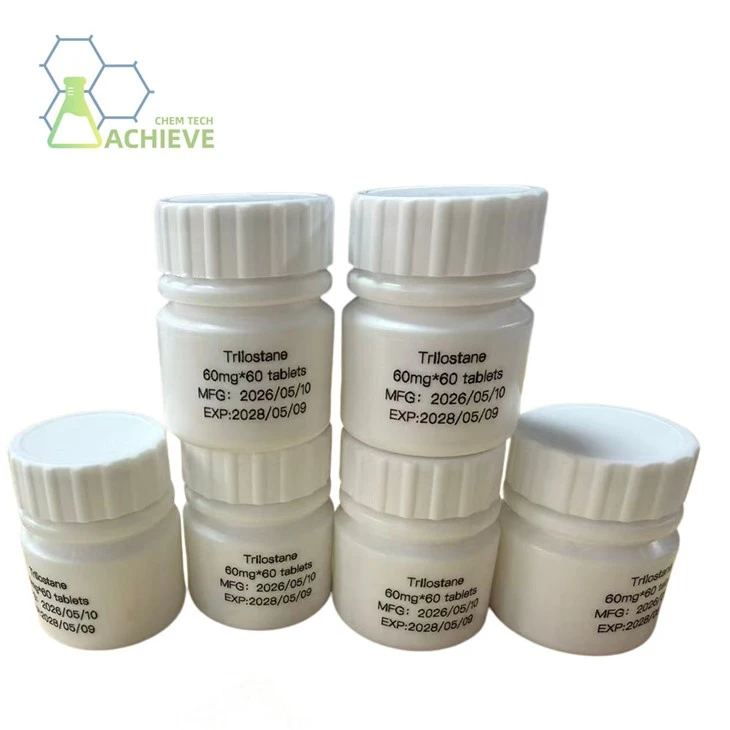
Trilostane Tablets
1.General Specification(in stock)
(1)Injection
Customizable
(2)Tablet
Customizable
(3)API(Pure powder)
PE/Al foil bag/ paper box for Pure powder
HPLC≥99.0%
(4)Pill press machine
https://www.achievechem.com/pill-press
2.Customization:
We will negotiate individually, OEM/ODM, No brand, for secience researching only.
Internal Code: BM-2-016
Trilostane CAS 13647-35-3
Analysis: HPLC, LC-MS, HNMR
Technology support: R&D Dept.-4
How Do Trilostane Tablets Help Dogs With Cushing's Disease?
Cushing's disease (the medical term is hyperadrenocorticism) is a condition in which a dog's adrenal glands release too much cortisol over a lengthy period of time. Cortisol is a stress hormone that, at normal levels, helps to maintain inflammation and energy metabolism in balance. When the production of cortisol is chronic and uncontrolled, it dysregulates almost every function in the body.
The Mechanism Behind Cortisol Reduction
Trilostane tablets act by reversibly blocking two enzymes, 3β-hydroxysteroid dehydrogenase and Δ5,4-isomerase, located at the beginning of the adrenal steroid pathway. The tablets prevent the synthesis of cortisol and aldosterone by inhibiting these enzymes, without causing irreversible damage to the adrenal tissue.
This reversible nature is a clinically important benefit since the dose may be adjusted as the dog's condition changes.In fact, studies published in journals of veterinary endocrinology, have shown that trilostane induces a clinical remission in more than 70% to 90% of dogs diagnosed with pituitary-dependent hyperadrenocorticism. This represents around 80-85% of all instances of Cushing's disease in dogs. Dogs on a steady trilostane regimen often have a noticeable decrease in water intake, normalisation of appetite, and progressive hair regrowth within the first few weeks of therapy.
Why Trilostane Is Preferred Over Older Protocols
When used appropriately, trilostane has a smaller risk profile than previous pharmaceutical alternatives.The process is reversible, so if a dog's cortisol dips too low, which is known as iatrogenic hypoadrenocorticism, cortisone production may begin again once the medicine is discontinued. Its built-in safety window makes it a practical and controllable alternative for long-term canine endocrine care.
What Is the Role of Trilostane Tablets in Canine Cortisol Control?
Management of Cushing's illness is based on control of cortisol. If left uncontrolled, persistent elevation of cortisol impairs immunological function, induces systemic hypertension, and accelerates the breakdown of connective tissue. Instead, the trilostane tablets attack the root of the biosynthesis, rather than concealing the symptoms farther downstream.
Restoring the Hypothalamic-Pituitary-Adrenal Axis
The hypothalamic-pituitary-adrenal (HPA) axis controls the amount of cortisol produced by the body. Pituitary-dependent Cushing's disease occurs when a benign tumour of the pituitary gland produces too much adrenocorticotropic hormone (ACTH) which overstimulates the adrenals.
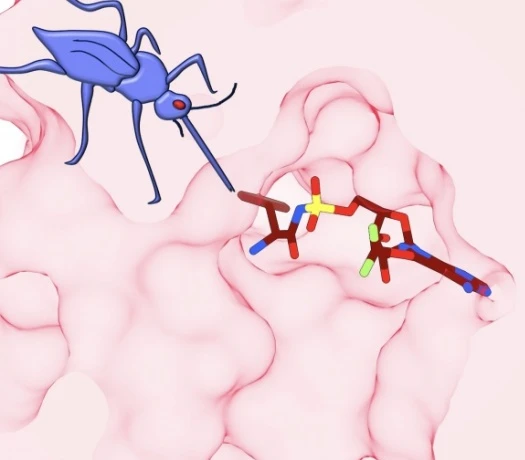
Trilostane doesn't cure the tumour directly, but it does address the hormonal cascade that causes the most devastating symptoms of the illness by lowering cortisol production at the adrenal level.
Aldosterone and Broader Adrenal Suppression
Trilostane tablets decrease aldosterone production and cortisol. Aldosterone is the hormone that controls the balance of sodium and potassium, therefore blocking it may have major impacts on fluid retention and blood pressure. Veterinarians will take this into consideration when deciding on first dosages , especially in dogs who already suffer from high blood pressure or electrolyte imbalances . This is why routine electrolyte panels become an essential aspect of monitoring.
Trilostane Tablets for Managing Excess Cortisol in Dogs
Managing excess cortisol is not a one-time fix – it is a continuous therapeutic practice that includes judicious dosage, frequent monitoring and open communication between the pet owner and the veterinarian.
Establishing the Right Starting Dose
Current veterinary recommendations indicate an initial oral dosage of roughly 2.2 to 6.7 mg/kg given once every 24 hours with meals to enhance absorption and decrease gastrointestinal upset. Some doctors choose a twice-daily strategy at lower per-dose quantities (about 0.8 to 1 mg/kg per 12 hours) since it tends to provide more sustained cortisol suppression throughout the day. Eating is a need, not a choice.
Absorption of trilostane is greatly increased if the dog consumes a regular size meal at the same time as the tablet.
Recognizing Signs of Overcorrection
Dog owners need to grasp one of the most crucial things: the difference between therapeutic success and overcorrection. If a dog's cortisol dips too low, it may become sluggish, stop eating, vomit or seem feeble. These indications necessitate prompt cessation of treatment and veterinarian assessment. The usual diagnostic test to check whether the cortisol levels are within the safe therapeutic range is the adrenal response test, especially the ACTH stimulation test.
How Are Trilostane Tablets Used in Long-Term Cushing's Disease Management?
Actually, trilostane may be used for long-term treatment. Many dogs may continue on a stable protocol for years with an excellent quality of life, as long as their owners are involved with the monitoring schedule and report changes in a timely manner.
Adjusting Doses Over Time
The reaction of the dog to trilostane tablets may change as the condition advances. Some dogs need slow dosage escalations over months, or even years, especially dogs with enlarging pituitary tumours that keep pushing the ACTH production higher. Dose increases are usually in increments of 10%-50% and should always accompany a documented ACTH stimulation test and not simply symptomatic observations.
Supporting Organ Health During Extended Use
Long-term trilostane usage should include frequent monitoring of liver enzymes, renal function indicators and electrolyte panels. These exams enable us to detect any early symptoms of organ stress before they become clinically severe. Further monitoring of dogs with pre-existing liver or renal disease and perhaps lower maintenance dosages may be warranted to prevent cumulative organ load.
Monitoring Canine Cushing's Disease During Trilostane Tablet Treatment
Monitoring is where the owner's engagement really makes a difference. No drug works best in a hoover, it requires frequent checks to keep itself calibrated to the dog's changing physiology.
The ACTH Stimulation Test Schedule
The usual monitoring plan is an ACTH stimulation test at 10 to 14 days after medication is started or after any change in dosage, then at 4 weeks, then every 3 to 6 months after the dog is stable. The test evaluates cortisol production before and after injection of synthetic ACTH allowing vets a direct look at how well the adrenals are working on the present dosage of trilostane.
Tracking Behavioral and Physical Changes at Home
Monitoring can not be replaced by owners. Monitoring daily water consumption, coat renewal, energy levels and hunger patterns all give data that lab testing alone cannot supply. Many vets suggest maintaining a basic daily journal for the first three months of medication to assist detect trends and aid in making educated dosing selections.
Conclusion
Trilostane tablets are a clinically effective, reversible, and well supported strategy to controlling canine Cushing's disease. They specifically target adrenal steroid production to put cortisol back into a healthy range and significantly enhance a dog's everyday life. Constant surveillance, keen observation at home and a clear line of contact with a veterinarian are still the cornerstones of effective long term care. When acquiring trilostane tablets for professional usage, dealing with a verified, GMP-certified producer is ensuring that the product behind the protocol fulfils the quality level the therapy expects.
Frequently Asked Questions
Q: How quickly do trilostane tablets start working in dogs with Cushing's disease?
+
-
Within the first two to four weeks of using trilostane tablets, most dogs will see a noticeable improvement in clinical symptoms like lower thirst, less urine and improved energy levels. The lab-confirmed cortisol normalisation is often evaluated at the 10–14 days ACTH stimulation test.
Q: Can trilostane tablets be used in dogs with adrenal-dependent Cushing's disease?
+
-
Yes. Trilostane tablets have also been utilised in dogs afflicted with adrenal-dependent Cushing´s illness although this is less prevalent than pituitary-dependent hyperadrenocorticism. Surgical excision of the damaged adrenal gland remains the major suggestion in suitable situations. A veterinarian should make the choice based on imaging and general health state.
Q: What should I do if my dog misses a dose of trilostane tablets?
+
-
If you miss a dosage, take it as soon as you remember unless it is almost time for the next dose. Never take multiple dosages to compensate. Stable cortisol suppression and the avoidance of oscillations that might lead to under-treatment or over-treatment are promoted by regular dose times, especially in relation to meals.
Partner With Bloomtechz for Reliable Trilostane Tablets Supply
If you are a pharmaceutical distributor, veterinary compound pharmacy, or research organization looking for a dependable trilostane tablets supplier, Bloomtechz delivers with precision and accountability. Established in 2008, Bloomtechz operates a 100,000-square-meter GMP-certified production facility that holds US FDA, EU GMP, JP, and CFDA certifications. Every batch of trilostane undergoes triple-stage quality verification - at the factory, through our in-house QA/QC department, and via third-party accredited analysis - ensuring HPLC purity of ≥99.0%. We support OEM and ODM customization across multiple dosage forms and offer long-term supply contracts with transparent, competitive pricing. Reach out to our team at Sales@bloomtechz.com and get accurate pricing, lead time, and documentation to move your project forward.
References
Feldman, E.C., Fracassi, F., & Peterson, M.E. (2015). Canine and Feline Endocrinology (4th ed.). Elsevier Saunders.
Ramsey, I.K. (2010). Trilostane in dogs. Veterinary Clinics of North America: Small Animal Practice, 40(2), 269–283.
Alenza, D.P., Arenas, C., Lopez, M.L., & Melian, C. (2006). Long-term efficacy of trilostane administered twice daily in dogs with pituitary-dependent hyperadrenocorticism. Journal of the American Animal Hospital Association, 42(4), 269–276.
Neiger, R., Ramsey, I., O'Connor, J., Hurley, K.J., & Mooney, C.T. (2002). Trilostane treatment of 78 dogs with pituitary-dependent hyperadrenocorticism. Veterinary Record, 150(26), 799–804.
Tebb, A.J., Arteaga, A., Evans, H., & Ramsey, I.K. (2005). Canine hyperadrenocorticism: effects of trilostane on parathyroid hormone, calcium and phosphate concentrations. Journal of Small Animal Practice, 46(11), 537–542.
European Medicines Agency. (2008). Vetoryl (Trilostane): European Public Assessment Report - Scientific Discussion. EMA Committee for Medicinal Products for Veterinary Use.