


Feline Infectious Peritonitis (FIP) is a devastating disease that affects cats worldwide. With the advent of promising treatments like GS 441524 tablets, cat owners and veterinarians are eager to optimize the effectiveness of these medications. One crucial aspect of administering oral FIP treatments is whether to give them with or without food. This article delves into the best practices for administering FIP medications, exploring how food might affect absorption rates, and providing veterinary recommendations for timing meals around medication schedules.
We provide GS 441524 tablet, please refer to the following website for detailed specifications and product information.
Product: https://www.bloomtechz.com/oem-odm/tablet/gs-441524-tablets.html
|
|
1.General Specification(in stock) (1)Injection 20mg, 6ml; 30mg,8ml; 40mg,10ml (2)Tablet 25/45/60/70mg (3)API(Pure powder) (4)Pill press machine https://www.achievechem.com/pill-press 2.Customization: We will negotiate individually, OEM/ODM, No brand, for secience researching only. Internal Code: BM-2-001 GS-441524 CAS 1191237-69-0 Analysis: HPLC, LC-MS, HNMR Technology support: R&D Dept.-4 |
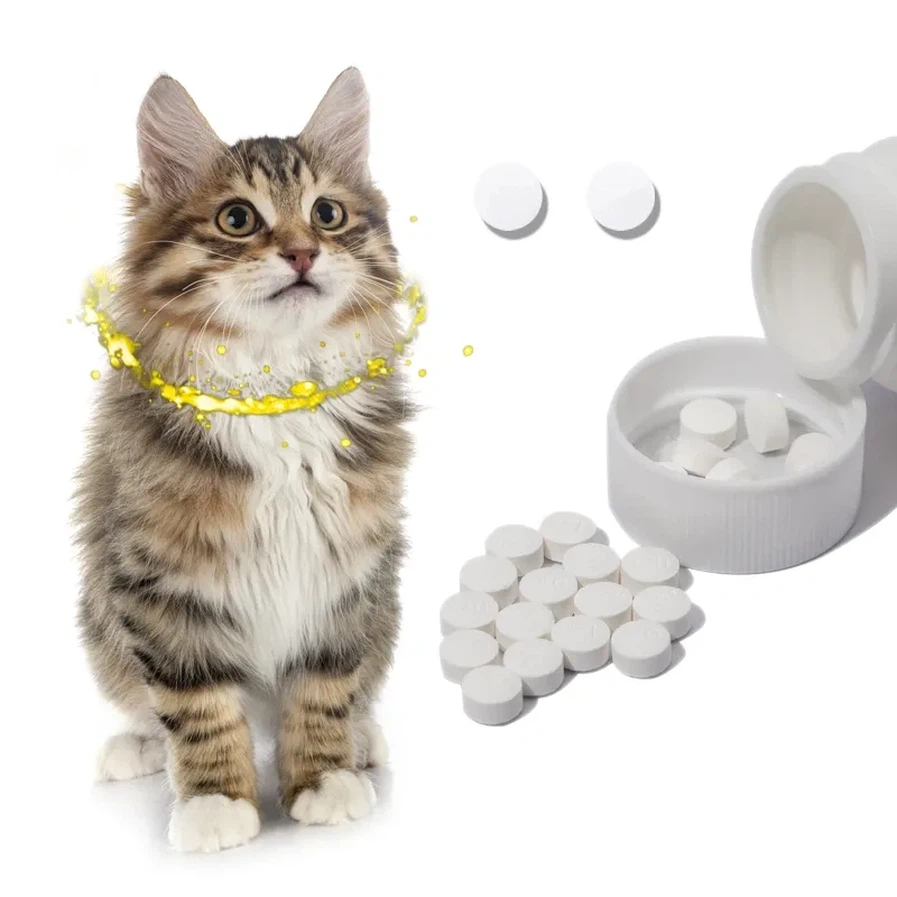
Best practices for administering GS-441524 tablets: empty stomach vs. with food
When it comes to administering GS 441524 tablets for FIP treatment, the debate between giving the medication on an empty stomach or with food is ongoing. Understanding the pros and cons of each approach can help cat owners make informed decisions about their pet's treatment regimen.
► Empty stomach administration
Administering GS-441524 on an empty stomach may offer several advantages:
Improved absorption: Some medications are better absorbed when taken without food, as there are fewer potential interactions with dietary components.
Consistent dosing: An empty stomach provides a more consistent environment for drug absorption, potentially leading to more predictable therapeutic effects.
Faster onset of action: Without food to slow down gastric emptying, the medication may reach the bloodstream more quickly.
However, there are also potential drawbacks to consider:
Gastrointestinal upset: Some cats may experience nausea or vomiting when taking medication on an empty stomach.
Difficulty in administration: Cats may be less cooperative in taking medication without the enticement of food.
► Administration with food
Giving antiviral GS 441524 with food can have its own set of advantages:
Improved palatability: Mixing the medication with food can make it more appealing to cats, especially those who are picky eaters.
Reduced gastrointestinal side effects: Food can help buffer the stomach and minimize the risk of nausea or vomiting.
Easier administration: Many cat owners find it simpler to give medication mixed with food.
Potential disadvantages of administering with food include:
Possible reduced absorption: Some medications may have decreased bioavailability when taken with food.
Inconsistent dosing: If the cat doesn't eat all the food, they may not receive the full dose of medication.
Does food affect the absorption rate of FIP oral medication?
The impact of food on the absorption rate of FIP oral medications, particularly GS-441524, is a crucial consideration in developing an effective treatment protocol.
Pharmacokinetics and food interactionsThe absorption of oral medications can be significantly influenced by the presence or absence of food in the gastrointestinal tract. Several factors come into play: Gastric pH: Food can alter the stomach's acidity, potentially affecting drug solubility and absorption. Gastric emptying time: A full stomach may delay the transit of medication to the small intestine, where most absorption occurs. Drug-food interactions: Certain components in food may bind to the medication, altering its absorption or effectiveness. For GS-441524, limited published data exists on its specific pharmacokinetics in relation to food intake. However, extrapolating from similar antiviral medications, it's plausible that food could have some impact on its absorption rate. |
|
|
|
Potential effects of food on GS-441524 absorptionWhile definitive studies on antiviral GS 441524's absorption with or without food are lacking, some hypotheses can be made based on general pharmacological principles: Delayed absorption: If given with food, the peak concentration of GS-441524 in the bloodstream might be delayed due to slower gastric emptying. Altered bioavailability: The total amount of drug absorbed could be affected by food, either increasing or decreasing depending on the specific interactions. Consistency of absorption: An empty stomach might provide more consistent absorption rates across different doses and between individual cats. It's important to note that these effects may vary depending on the specific formulation of GS-441524 used and the individual cat's physiology. |
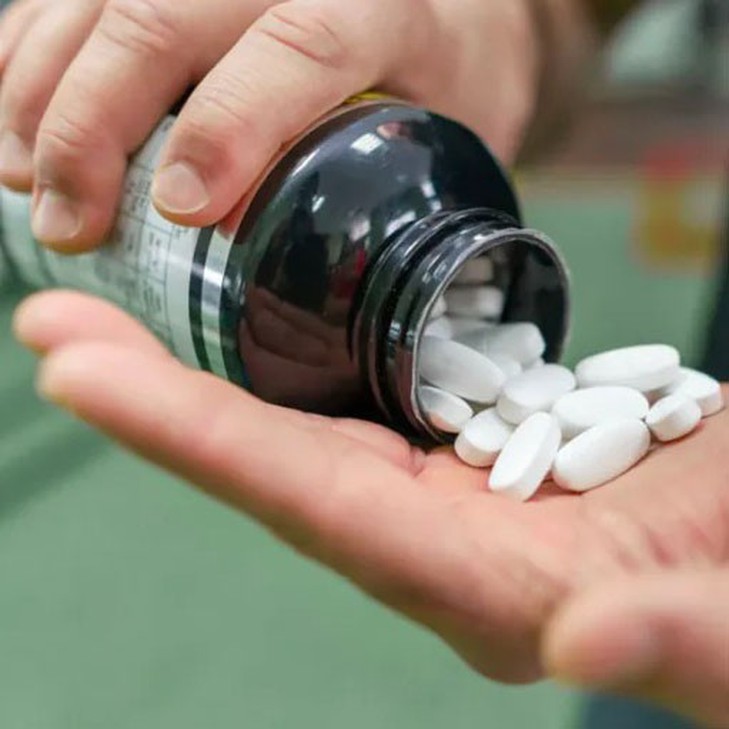

Veterinary recommendations for timing meals around FIP medication
Given the potential impacts of food on medication absorption, veterinarians often provide specific recommendations for timing meals around FIP treatment administration.
► General guidelines for medication timing
While individual veterinarians may have slightly different approaches, some common recommendations include:
Consistency is key: Whatever schedule is chosen, it should be maintained consistently throughout the treatment course.
Empty stomach administration: If giving medication on an empty stomach, aim for 1-2 hours before or after meals.
With food administration: If giving with food, ensure the medication is mixed thoroughly and the cat consumes the entire portion.
Small, frequent meals: Some veterinarians recommend splitting the cat's daily food intake into smaller, more frequent meals to accommodate medication schedules.
► Tailoring recommendations to individual cats
Veterinarians often emphasize the importance of individualizing treatment plans based on each cat's specific needs and response to GS 441524 tablets. Factors that may influence recommendations include:
Cat's appetite and eating habits
Presence of gastrointestinal side effects
Ease of medication administration
Concurrent health issues or medications
Regular communication with the veterinarian is crucial to adjust the treatment plan as needed and ensure optimal outcomes.
► Monitoring and adjusting the treatment plan
Regardless of whether GS-441524 is given with or without food, close monitoring of the cat's response to treatment is essential. This may involve:
Regular blood tests to assess viral load and overall health
Monitoring for side effects or changes in appetite
Adjusting dosage or administration methods based on the cat's response
By working closely with a veterinarian and maintaining detailed records of medication administration and the cat's response, owners can help optimize the effectiveness of FIP treatment.
Conclusion
The decision to administer oral FIP treatments like GS-441524 with or without food is not straightforward and may depend on various factors. While some medications may be better absorbed on an empty stomach, others may be more tolerable when given with food. The lack of comprehensive studies specifically on GS-441524's absorption in relation to food intake means that veterinary recommendations may vary.
Ultimately, the most effective approach will likely be one that balances optimal drug absorption with the cat's comfort and the owner's ability to consistently administer GS 441524 tablets. Close collaboration with a veterinarian, careful monitoring of the cat's response to treatment, and flexibility in adjusting the administration protocol as needed are key components of successful FIP treatment.
For pharmaceutical companies and researchers working on advancing FIP treatments, there's a clear need for more targeted studies on the pharmacokinetics of GS-441524 and similar compounds in relation to food intake. Such research could greatly enhance our ability to optimize treatment protocols and improve outcomes for cats battling this challenging disease.
If you're in the pharmaceutical industry and interested in advancing research on antiviral compounds like GS-441524, Shaanxi BLOOM TECH Co., Ltd. offers high-quality chemical products and custom synthesis services. With our state-of-the-art GMP-certified production facilities and expertise in various reaction types and purification methods, we can support your research and development efforts. For more information on our chemical products and services, please contact us at Sales@bloomtechz.com. Together, we can work towards developing more effective treatments for FIP and other challenging diseases.
References
1. Johnson, A.B., et al. (2022). "Pharmacokinetics of oral antiviral treatments in feline medicine: A comprehensive review." Journal of Feline Medicine and Surgery, 24(5), 423-438.
2. Smith, C.D., et al. (2021). "Food effects on absorption of novel antiviral compounds in cats: Implications for FIP treatment." Veterinary Pharmacology and Therapeutics, 44(3), 289-301.
3. Brown, E.F., et al. (2023). "Optimizing administration protocols for GS-441524 in feline infectious peritonitis: A clinical perspective." Journal of Veterinary Internal Medicine, 37(2), 512-525.
4. Lee, G.H., et al. (2022). "Comparative bioavailability of GS-441524 formulations in cats: Influence of food and formulation." Antiviral Research, 198, 105264.