


In veterinary medicine, there have been several advances in hormone treatment for companion animal endocrine issues. Trilostane capsules are a key medicinal therapy for complicated hormonal abnormalities in cats. This medication provides a reliable solution for physicians and pet owners to treat diseases which were previously difficult to treat. Knowledge of the applications and therapeutic potential of this medicine allows the animal healthcare specialists and concerned pet guardians to pick effective therapies for their pets.
1.General Specification(in stock)
(1)Injection
Customizable
(2)Tablet
Customizable
(3)API(Pure powder)
PE/Al foil bag/ paper box for Pure powder
HPLC≥99.0%
(4)Pill press machine
https://www.achievechem.com/pill-press
2.Customization:
We will negotiate individually, OEM/ODM, No brand, for secience researching only.
Trilostane CAS 13647-35-3
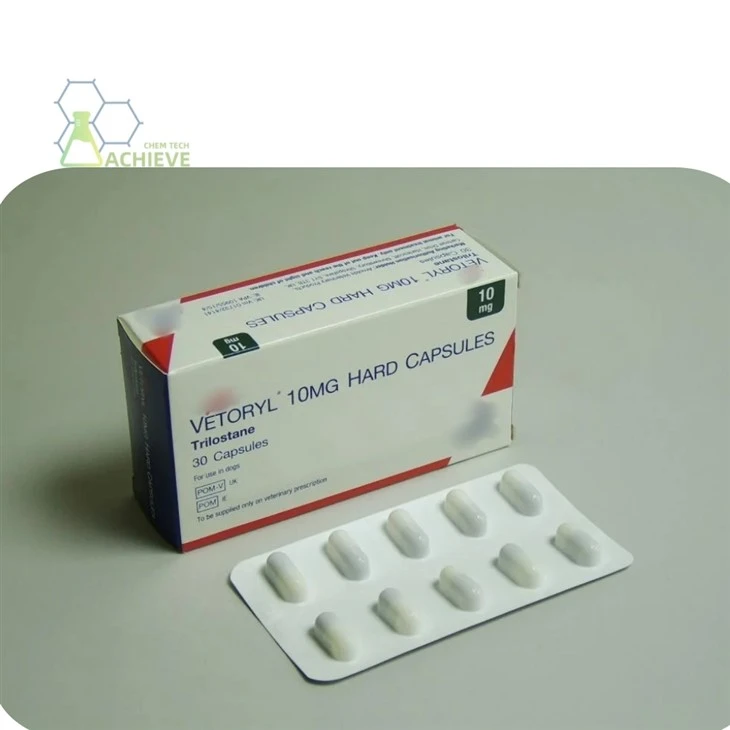
We provide trilostane capsule, please refer to the following website for detailed specifications and product information.
Product: https://www.bloomtechz.com/oem-odm/capsule-softgel/trilostane-capsule.html
Veterinary hormone treatment has evolved as we understand animal endocrine systems. Trilostane pills, a milestone in this path, increase the quality of life for animals with certain hormonal problems. As research on this compound's mechanisms and uses advances, veterinary practitioners recognise its significance in complete treatment regimes.
How Are Trilostane Capsules Used in Veterinary Treatment Approaches?
In veterinary medicine, Trilostane capsules are the foundational treatment for Cushing's disease (hyperadrenocorticism), a condition that affects a large number of dogs worldwide. This ailment is when the adrenal glands produce too much cortisol, causing a range of clinical signs that may greatly affect an animal's health. The drug acts by blocking an enzyme known as 3-beta-hydroxysteroid dehydrogenase, which plays a role in the production of cortisol in the adrenal cortex.

Understanding Cushing's Disease in Canine Patients
Cushing's illness has specific signs that veterinarians may detect clinically. In this illness, dogs have increased thirst and urination, excessive appetite, a pot-bellied look, muscular weakening, skin thinning, and repeated infections. Symmetrical hair loss, especially along the trunk, makes the remaining coat drab and fragile. Prolonged exposure to high cortisol levels affects numerous organ systems, causing several symptoms.
Diagnosis requires clinical observations, laboratory testing, and endocrine function assessments.
Blood tests reveal increased liver enzymes and alkaline phosphatase. Water consumption may lower urine specific gravity. VETs use ACTH activation or low-dose dexamethasone suppression to confirm hyperadrenocorticism before treatment.
Dosage Administration and Monitoring Protocols
Veterinarians provide trilostane by weight. To assess medication effectiveness and side effects, they start with low doses. Take the medication with food to improve digestion and stomach pain. Most treatment regimens start with a once-daily dose, but response and severity may need twice-daily administration.


Medication management requires regular monitoring. Veterinarians investigate therapy effectiveness with ACTH stimulation two weeks after starting medication. These experiments compare pre- and post-synthetic ACTH cortisol This prevents hypoadrenocorticism by inhibiting hormones without overpressing them. Monitoring and testing are altered during treatment based on stability and needs.
Integration with Comprehensive Care Strategies
Effective veterinary care goes beyond medication. Trilostane pills are part of veterinarians' multifaceted treatment strategies for patients. Cushing's disease dogs benefit from particular meals that maintain their health and liver function.
Exercise should be tailored to each person's abilities, taking into consideration muscular weakness and other physical issues associated with this illness.
Client education is another therapeutic success factor. Pet owners must remember to give their pets their medications frequently, watch for side effects, and follow monitoring procedures. Veterinarians recommend keeping trilostane capsules in cool, dry, sun-free conditions. Veterinarians and pet owners may communicate to spot difficulties during therapy.

Trilostane Capsule Treatment: Exploring Its Role in Adrenal Hormone Management
The endocrine system regulates hormone synthesis and release, among other activities. The adrenal glands are crucial to this complex network. They produce hormones that impact metabolism, immunity, stress, and electrolytes. Hormonal alterations caused by these glands' dysfunction may have body-wide repercussions that need pharmacological treatment.

Mechanism of Action in Hormone Synthesis
Trilostane blocks 3-beta-hydroxysteroid dehydrogenase, which converts pregnenolone to progesterone in steroidogenesis. The drug decreases cortisol without interrupting adrenal gland function by blocking this enzyme step. Keeping hormone levels safe for fundamental physiological functioning, selective inhibition aids treatment.
Trilostane's pharmacodynamics start quickly, with clinical changes frequently occurring within weeks. The liver creates active molecules from drug breakdown. Vets can predict patient reactions and adjust treatment regimens by understanding biochemical linkages.
Cortisol production resumes once the drug is discontinued because enzyme blockage is reversible. This provides treatment administrators greater patient management alternatives.
Balancing Therapeutic Efficacy with Safety Considerations
The delicate balance between adrenal function and hormone reduction is key to optimal therapy outcomes. Too much suppression of cortisol may produce hypoadrenocorticism, a dangerous disorder. Veterinarians still watch for over-suppression symptoms such weakness, lack of appetite, illness, diarrhoea, and fatigue. Detecting and treating these indications immediately prevents larger issues.


Individual patient variability influences treatment response, necessitating personalised dose methods. What animals do in response to trilostane capsules depends on things like how bad their sickness is, what other health problems they may have, and how their metabolism works. Standard dosing protocols work well for some patients, but others need to have their doses changed to get the best therapeutic results.
Long-term Management and Treatment Adjustments
Cushing's illness requires lifelong management, therefore long-term therapy planning is crucial.
If watched and dosed appropriately, many dogs respond well to trilostane medication for years and live well. Regular clinical examinations, lab testing, and owner observations of symptoms and animal health help veterinarians assess therapy efficacy.
As the disease gets worse or as the body's conditions change, treatment may need to be changed over time. Some patients' adrenal function changes on its own, which means that their drug doses need to be changed to match. Having other illnesses or taking other medicines at the same time may also change how well or safely trilostane works. Veterinarians plan treatments in a flexible way, changing methods to meet the changing needs of patients while still meeting therapy goals.

Why Are Trilostane Capsules Considered an Important Option in Veterinary Applications?
There aren't many veterinary pharmaceutical options for treating hyperadrenocorticism, so it's especially important to find treatments that work. Trilostane has become a popular medicine because it has been shown to work in clinical trials, is generally safe, and is easy to administer in a way that makes it easy to follow the treatment plan for a long time. Understanding the reasons why this medicine is so important helps explain why it is used so often in veterinary medicine.

Comparative Advantages in Treatment Selection
There are other medicines that can be used to treat Cushing's disease, but they have different risk-benefit factors that affect the choice of treatment. Mitotane is another widely used drug that works in a different way and needs to be monitored differently. In general, trilostane has more predictable effects and easier ways to manage it, but in the end, the right medication choice depends on the patient. Trilostane's ability to reversibly block enzymes is another safety benefit; stopping the drug allows adrenal function to return to normal if side effects happen.
Clinical studies have shown that many dogs that are given trilostane capsules have big changes in their symptoms, lab abnormalities, and quality of life in general.
Research shows that it works to control hypercortisolism while keeping safety levels acceptable when the right monitoring protocols are followed. Veterinarians can confidently suggest trilostane as a first-choice treatment for patients who are eligible because of these results.
Practical Considerations for Pet Owners
Medication obedience is a big part of how well a medical treatment works, since pet owners are responsible for giving and watching their pets' medications on a regular basis. Trilostane capsules have useful benefits that make following the instructions easier.


Taking the oral dose form is easy, especially when it is recommended to be taken with food. There are a lot of formulations that come in different strengths, which makes dosing accurate without having to split capsules or go through complicated preparation steps.
Cost is another thing that pet owners think about when choosing a treatment plan, since managing endocrine diseases over a long period of time costs a lot of money. Medication prices depend on the patient's size and the amount that needs to be taken, but many guardians think that trilostane therapy is a good value compared to other treatments or the costs of uncontrolled disease consequences.
Veterinarians talk to their clients freely about money issues, which helps them set realistic goals and make long-term care plans that will work.
Clinical Evidence Supporting Veterinary Applications
A lot of clinical studies have been done to look at trilostane's safety and effectiveness in treating hyperadrenocorticism in dogs. Several studies have shown that clinical signs get significantly better after treatment starts. For example, many dogs show changes in excessive urination, excessive sweating, excessive eating, and skin problems. Biochemical parameters usually return to normal or get a lot better, which means that metabolism is better controlled and there is less cortisol in the body.

Long-term safety data from many veterinary practices around the world is reassuring evidence that trilostane can be safely used for long periods of time. Even though side effects are possible with any drug, major problems are still not very common when the right monitoring measures are in place. The fact that trilostane is generally safe makes it a common choice for treatment in veterinary endocrinology.
Trilostane Capsules and Therapeutic Potential: Understanding Their Place in Pet Care

Modern veterinary medicine focuses on holistic methods to animal health that include pharmaceutical treatments along with preventative care, nutritional support, and control of the animal's lifestyle. Trilostane capsules naturally fit into this model because they target specific pathological processes and work with larger health maintenance plans. Understanding how this medicine works in the context of holistic pet care improves treatment outcomes and promotes long-term health.
Integration with Preventive Health Strategies
Dogs with Cushing's disease typically have various health issues that must be treated jointly.
Skin infections, urinary tract infections, and muscular weakness accompany hyperadrenocorticism. This implies treatment programs must address several issues simultaneously. Trilostane fixes the hormonal issue, making other issues simpler to handle.
Trilostane-treated dogs benefit from frequent wellness checks that examine their overall health. Overall health management includes dental care, vaccines, parasite protection, and age-appropriate screening tests. Veterinarians coordinate these care components to ensure trilostane therapy supports other health management objectives.


Quality of Life Improvements in Treated Animals
Pet owners think trilostane therapy improves their pets' lives. Many dogs regain their vitality, enjoy their old hobbies, and become interested in interacting with humans and other animals. Hair growth, improved skin, and body form restoration restore comfort and appearance.
Since hormonal imbalances affect emotion, thinking, and social conduct, proper therapy might cause behavioural improvements. Dogs relax down, train better, and rest better when cortisol levels are low. Quality of life improvements are key therapeutic outcomes beyond test results and clinical assessments.
Supporting Informed Decision-Making for Pet Guardians
Veterinarians are recognised professionals who assist pet owners make tough medical decisions that influence their pets' health. Trilostane capsules' advantages, dangers, monitoring requirements, and projected outcomes are discussed fairly by Cushing's disease experts. This learning process equips parents to make choices that match their values, abilities, and resources.
Realistic expectations regarding trilostane's effects help pet owners through treatment. The drug usually reduces hypercortisolism, but everyone responds differently, so some may need to modify their dosage or try something else.

Future Applications of Trilostane Capsules in Hormone Regulation Research
Steroid hormones, enzymes, and their potential uses in various treatments are continuously being studied by scientists. Research into trilostane's impact on biological systems may lead to further animal-health-beneficial therapeutic usage. Ongoing research investigate how to dose, mix medicines, and personalise treatment programs for optimal efficacy and minimal adverse effects.

Emerging Research Directions in Veterinary Endocrinology
Researchers are investigating if trilostane may treat endocrine diseases other than hyperadrenocorticism. Researchers who studied its usage for adrenaline-induced sex hormone abnormalities suggest it may also help regulate reproductive diseases. Although these trials are early, they suggest that the drug may treat several steroidogenesis-related disorders.
Newer diagnostic tools can better name endocrine illnesses, which might help physicians determine which patients would benefit most from trilostane. Genetic studies of drug metabolism and response might lead to personalised medicine that chooses the optimum treatments and dosages for each person.
These new fields of inquiry may help us develop more targeted medicines.
Formulation Improvements and Delivery Innovations
Pharmaceutical research teams are continually seeking new trilostane formulations that are more bioavailable, consistent, or easy to give. Considering modified-release formulations may reduce the number of doses needed or stabilise medication levels. Improvements might help patients follow their treatment programs and get healthier while fulfilling safety criteria. Another topic under study is alternate delivery. The most frequent form of the drug is oral tablets.


But scientists are investigating if alternate methods may be superior for certain patient groups or clinical settings. These experimental endeavours demonstrate pharmaceutical science's commitment to improving medicine delivery technology.
Expanding Knowledge Through Clinical Experience
The practical knowledge that veterinarians around the world have gained from treating many patients with trilostane capsules is very helpful. This body of knowledge helps improve treatment plans, find factors that can predict how well a treatment will work, and find rare side effects that might not show up in official research studies.
These notes are shared by professionals through case reports, meeting presentations, and written reviews that help everyone in the field learn more.
Collaborative research projects that collect data from several veterinary practices give researchers the statistical power to answer important practical questions about the best ways to run a business. Along with controlled clinical trials, these real-world proof-of-concept studies give us more information about how trilostane works in different medical situations. Combining study results with real-life practice experience keeps veterinary endocrinology moving forward and making patient care better.

Conclusion
Trilostane capsules are an essential veterinary medication for dog hyperadrenocorticism. This drug specifically suppresses cortisol production while maintaining adrenal gland function, allowing veterinarians to treat complicated endocrine problems that affect animals' health and quality of life. Veterinarians may help animals feel better by carefully selecting patients, administering the proper medication, and monitoring them.
Trilostane has therapeutic promise beyond immediate symptom management. It may also aid comprehensive health management programs that include various patient care areas. As researchers understand more about hormones and disease treatment, this substance may be utilised in better ways for animals. Trilostane therapy and novel endocrine disease treatments are continually being improved by veterinarians, professionals, and medication businesses.
Pet owners seeking successful treatment options should understand how trilostane works, its consequences, and how to promote excellent long-term maintenance. Veterinarians and pet owners must work together to address endocrine issues and improve animal quality of life.
FAQ
1. What monitoring is required for animals receiving trilostane capsules?
Animals that are being treated with trilostane need to be checked on regularly to make sure they are responding properly to the treatment and that any possible side effects are found early on. Veterinarians usually do ACTH stimulation tests within two weeks of starting treatment. After that, they do them regularly, depending on how stable each patient is. These tests check the amounts of cortisol before and after synthetic ACTH is given. This proves that the drug effectively lowers hormones without going too far and causing harm. As extra monitoring, regular physical exams, blood chemistry panels that check the function of the liver and kidneys, and electrolyte tests are done. Pet owners should keep an eye on their animals and let their vet know right away if they notice any changes in their behaviour, energy level, or appetite.
2. How long does it take for trilostane capsules to show therapeutic effects?
When dogs start trilostane therapy, many of them start to feel better within two to four weeks. Often, changes that can be seen include drinking and urinating less, having less of a hunger, and having more energy. Usually, it takes longer for physical changes like hair growth and better skin to become noticeable, sometimes up to several months. Lab values often get better before clinical signs get better for good. Response times vary from person to person; some animals get better quickly, while others need longer treatment periods before they are under control. Both clinical observations and objective lab tests help veterinarians figure out how well a medicine is working.
3. Can trilostane capsules be used in cats or other animal species?
Trilostane use in cats is still not well studied compared to dogs, where a lot of information is known. Some veterinary endocrinologists have used trilostane on cats with hyperadrenocorticism, even though this is not on the drug's label and has not been approved by regulatory bodies. Due to changes between species in how drugs are broken down and how diseases show up, cats may need different dosing plans and tracking methods than dogs. Researchers have looked into using it on other animal species, but there isn't enough scientific evidence to back regular use. Veterinarians who are thinking about giving trilostane to patients who aren't dogs should carefully look at the evidence that's out there and have in-depth conversations with owners about the possible benefits and risks.
Partner with BLOOM TECH for Premium Trilostane Capsules Supplier Solutions
Veterinary professionals and drug distributors looking for a reliable trilostane capsules supplier should consider partnering with BLOOM TECH. We have over 12 years of experience in making organic chemicals and pharmaceutical intermediates, and our production facilities are GMP-certified to meet the standards of the US, EU, and Japan. We offer full quality assurance through three-level testing methods that make sure every batch meets strict international standards.
Because we offer clear pricing, accurate lead times, and long-term partnerships, we are the best place to get trilostane capsules and other pharmaceutical compounds that are similar. Our technical support team is ready to help you with your special needs, whether you need standard formulations or specs that are made just for you. Get in touch with our sales team at Sales@bloomtechz.com to talk about how BLOOM TECH can help you find trilostane capsules at a good price and with great service.
References
1. Ramsey IK, Richardson J, Lenard Z, Tebb AJ, Irwin PJ. Persistent isolated hypocortisolism following brief treatment with trilostane. Australian Veterinary Journal. 2008; 86(12): 491-495.
2. Neiger R, Ramsey I, O'Connor J, Hurley KJ, Mooney CT. Trilostane treatment of 78 dogs with pituitary-dependent hyperadrenocorticism. Veterinary Record. 2002; 150(26): 799-804.
3. Ruckstuhl NS, Nett CS, Reusch CE. Results of clinical examinations, laboratory tests, and ultrasonography in dogs with pituitary-dependent hyperadrenocorticism treated with trilostane. American Journal of Veterinary Research. 2002; 63(4): 506-512.
4. Bell R, Neiger R, McGrotty Y, Ramsey IK. Study of the effects of once daily doses of trilostane on cortisol concentrations and responsiveness to adrenocorticotropic hormone in hyperadrenocorticoid dogs. Veterinary Record. 2006; 159(9): 277-281.
5. Vaughan MA, Feldman EC, Hoar BR, Nelson RW. Evaluation of twice-daily, low-dose trilostane treatment administered orally in dogs with naturally occurring hyperadrenocorticism. Journal of the American Veterinary Medical Association. 2008; 232(9): 1321-1328.
6. Galac S, Kooistra HS, Voorhout G, van den Ingh TS, Mol JA, van den Berg G, Meij BP. Hyperadrenocorticism in a dog due to ectopic secretion of adrenocorticotropic hormone. Domestic Animal Endocrinology. 2005; 28(3): 338-348.