


Steroid hormones are involved in the regulation of almost every major physiological function, from blood pressure to metabolism. When the adrenal glands make too much cortisol, doctors and veterinarians frequently attempt to employ drugs that block the function of particular enzymes in the steroidogenesis pathway. One chemical that continues to be a focus of investigation is the trilostane capsule. This is a formulation based on an enzyme inhibitor known as 3β-hydroxysteroid dehydrogenase, or 3β-HSD. Understanding the effects of inhibiting this enzyme assists researchers, formulators and procurement teams to appreciate the significance of this material in adrenal related investigation. In this post we move through the metabolic mechanism step-by-step. We cover the accumulation of precursors, the changes in hormonal balance, the modifications in adrenal zones and the ACTH feedback response due to the 3β-HSD blockade.
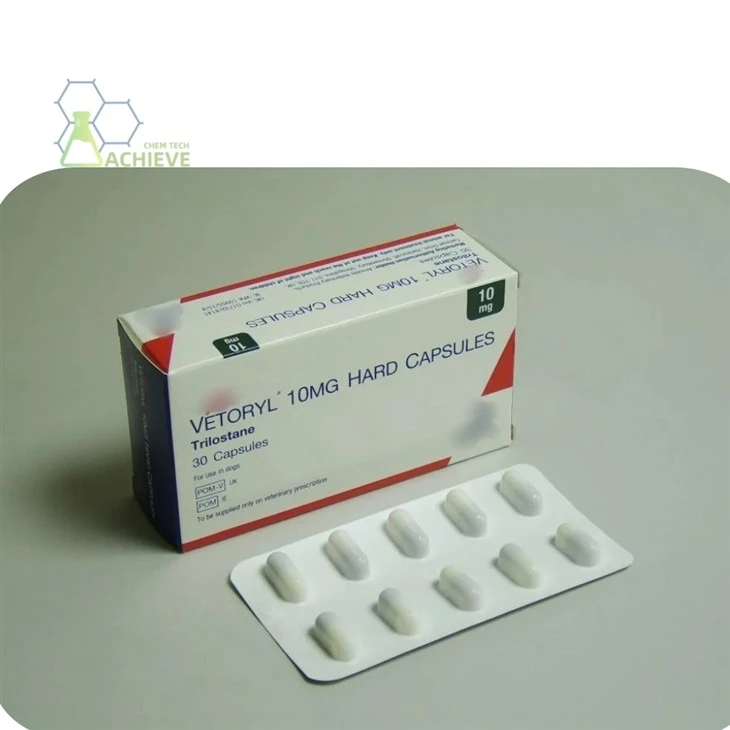
Trilostane Capsule
1.General Specification(in stock)
(1)Injection
Customizable
(2)Tablet
Customizable
(3)API(Pure powder)
PE/Al foil bag/ paper box for Pure powder
HPLC≥99.0%
2.Customization:
We will negotiate individually, OEM/ODM, No brand, for secience researching only.
Internal Code: BM-6-010
What Role Does 3β-HSD Play in the Steroid Synthesis Pathway Targeted by Trilostane Capsule?
Steroid hormones are synthesised by a well-regulated sequence of enzymatic reactions. Cholesterol enters the adrenal cortex and is transformed into cortisol, aldosterone or sex hormones in many steps. 3beta-HSD is an important step in this route, it is the gatekeeper that converts pregnenolone to progesterone, and 17-hydroxypregnenolone to 17-hydroxyprogesterone. When this conversion doesn't happen smoothly, the entire downstream pathway slows down substantially.
The Biochemical Position of 3β-HSD
The enzyme of the smooth endoplasmic reticulum of the adrenocortical cells is very active. It interacts with cytochrome P450 enzymes, but in a different manner, carrying out oxidation and isomerisation instead of hydroxylation. This distinction is often mentioned by the researchers who are studying the trilostane capsule as a way to explain why the chemical is so specific in its effect and why the whole steroidogenic cascade is not just shut off indiscriminately.
Why This Step Matters for Hormone Output
This single enzymatic step acts as a bottleneck affecting concurrently glucocorticoid, mineralocorticoid and androgen production. This intervention at this level has far-reaching physiological effects since all three hormone classes share the same early branching point route. This is why a capsule of trilostane causes such a marked reduction in cortisol release in lab tests - the enzyme it targets controls a common upstream checkpoint, rather than one isolated response.
Comparing 3β-HSD to Other Steroidogenic Enzymes
3β-HSD differs from aromatase or 21-hydroxylase, which function at later stages and impact smaller classes of hormones, by acting on many families of hormones at the same time. This wider reach makes it an attractive target for researchers who wish to explore patterns of adrenal suppression without having to mix many inhibitors. One reason the trilostane capsule is well thought of is that it clearly isolates this upstream process, allowing investigators a better insight into the behaviour of cortisol-related pathways in controlled trials.
Trilostane Capsule and Pregnenolone Accumulation: What Happens When Enzymatic Conversion Is Blocked?
When the 3β-HSD activity is down, pregnenolone has nowhere productive to go. With decreased activity of the enzyme that converts it to progesterone, pregnenolone molecules start to build up in the adrenal tissue. This accumulation leads to a quantifiable change in the ratios of steroid precursors, which are routinely monitored by researchers during drug tests using the trilostane capsule.
Precursor Buildup and Its Downstream Signal
The buildup of pregnenolone is not confined to the adrenal cell. Some of this leaks into the blood where test panels might show increased baseline levels relative to untreated samples. This change is a valuable indicator to ensure that enzymatic inhibition is happening as intended. This is the same marker used in many veterinary and clinical research to validate that the trilostane capsule has been dosed to a physiologically active threshold .
17-Hydroxypregnenolone and Parallel Buildup
17-Hydroxypregnenolone and Parallel Accumulation 17-Hydroxypregnenolone builds up in parallel with pregnenolone. This precursor is usually transformed to 17-hydroxyprogesterone by the same blocked enzyme and hence accumulates in a fashion similar to pregnenolone. Researchers usually measure both signs at the same time, since measuring either one can provide an incomplete picture of how fully the enzyme pathway has been stopped.
Why Accumulation Patterns Matter for Dosage Studies
Knowledge of the pace and amount of buildup of these precursors may enable formulators to improve dose regimens. If the buildup is too slow, the inhibitory effect may not reach therapeutic levels. If it happens too fast, signs of tissue stress might go over the roof." This is precisely why pharmaceutical teams working with a trilostane capsule pay special attention to precursor kinetics in early-phase research, as these patterns lead safer and more predictable dosage recommendations going forward.
How Does Trilostane Capsule Alter the Balance Between Steroid Precursors and Hormone End Products?
Steroid hormone systems are ratio-based, not absolute levels. When upstream precursors build and downstream hormones fall, the whole balance of the system is altered, impacting several physiological processes simultaneously. This section looks at how this change plays out in practice.
Cortisol Decline as the Primary End Product Change
Cortisol is several steps downstream from the 3β-HSD conversion site and therefore once the enzyme is stopped, cortisol production drops steeply. In laboratory cortisol stimulation tests, peak levels are frequently lower following a dose of trilostane capsule and that demonstrates that the chemical is successfully inhibiting the pathway to glucocorticoid synthesis. This is the decrease that makes researchers so interested in trilostane for adrenal problems.
Aldosterone Shifts and Mineralocorticoid Balance
Mineralocorticoid synthesis is comparable yet somewhat different, since aldosterone production also depends on progesterone as an intermediate. Inhibition of 3β-HSD reduces progesterone availability and limits aldosterone secretion. There have been a few studies demonstrating a mild compensatory response in the renin-angiotensin system where the decreased aldosterone levels may result in an increased release of renin as the body attempts to maintain fluid and electrolyte balance .
Androgen Pathway Interruption
Dehydroepiandrosterone conversion routes cross with 3β-HSD activity, which is also partially responsible for androgen synthesis . When this enzyme is slowed down, levels of androgen precursors, glucocorticoid precursors and mineralocorticoid precursors are altered. This wide disruption is part of the reason why the trilostane capsule is attractive to researchers who are looking at numerous hormone classes at once, as opposed to only cortisol. The ripple effect spanning precursor-to-hormone ratios reveals how a single enzyme block may reorganise an entire physiological signalling network.
Trilostane Capsule and Adrenal Cortex Function: Changes Across Different Steroid-Producing Zones
The adrenal cortex has three separate zones, each secreting a different kind of hormone. 3β-HSD activity is present in all three zones and as inhibition has different effects in each zone these are discussed separately.
Zona Glomerulosa and Mineralocorticoid Output
This outer zone makes aldosterone. The extent of change is less than that of cortisol suppression in the intermediate zone. Here enzymatic inhibition decreases mineralocorticoid secretion. Researchers typically notice that this zone has a reaction that can be measured but is quite little when they look at a trilostane capsule. This is because compensatory renin-angiotensin activity may partly counteract the decrease.
Zona Fasciculata and Glucocorticoid Suppression
The middle zone is most dramatically affected, since cortisol production relies on a continuous 3β-HSD route. This zone exhibits the greatest reduction in hormone production after enzyme inhibition, which is why cortisol suppression is the most often described finding in trilostane studies. After prolonged contact, this zone typically shows obvious changes in cellular markers of steroidogenic activity in tissue samples.
Zona Reticularis and Androgen Precursor Changes
Patterns of output are also changed in the innermost zone responsible for synthesis of androgen precursors. This zone also has a somewhat different enzyme balance to the other two, therefore its response to 3β-HSD inhibition is usually more slow. This zone is sometimes studied independently in longer term research using a trilostane capsule to determine the longer term effects of persistent enzymatic blockade on availability of androgen precursors since shorter term evaluations can underestimate the final amount of change.
How Does 3β-HSD Inhibition by Trilostane Capsule Influence ACTH-Driven Steroid Production?
A basic negative feedback loop controls most of the adrenal cortex ' s steroidogenic action . Adrenocorticotropic hormone ( ACTH ) . The pituitary recognises the decreased feedback and increases production of ACTH . This is seen when cortisol levels are decreased via enzymatic inhibition . This modification of the feedback introduces an additional level of intricacy worth investigating in depth.
The Feedback Loop Mechanism
Usually, high cortisol levels tell the hypothalamus and pituitary to secrete less corticotropin-releasing hormone and ACTH. Once a trilostane capsule prevents cortisol production, this suppressive signal is greatly reduced. With less circulating cortisol the pituitary interprets this as a signal to boost the production of ACTH, trying to restore the balance of hormones in the body by stimulating the adrenal cortex more.
Compensatory ACTH Elevation and Its Consequences
The rise in ACTH causes an increase in steroidogenic activity upstream of the enzymatic block, which partially accounts for the even greater buildup of precursors with time. Because the route bottleneck is still there, this compensatory stimulation is not able to restore normal cortisol production in an efficient fashion. Instead, it encourages the accumulation of precursors while keeping cortisol levels low, a feedback cycle that researchers watch attentively in long-term trilostane investigations.
Long-Term Adrenal Adaptation Patterns
Long term ACTH elevation may ultimately impact the structure of the adrenal tissue itself since chronic stimulation is occasionally linked with minor cortical changes in longer study timelines. The feedback loop between pituitary signalling and adrenal response evolves constantly throughout the treatment period, rather than quickly reaching a fixed equilibrium, which highlights the need for ongoing monitoring of dosage during extended studies of trilostane capsule.
Conclusion
The trilostane capsule provides a precise tool to investigate adrenal steroidogenesis by addressing a specific enzymatic step with broad ramifications. This results in a buildup of pregnenolone and zone-specific alterations in the adrenal cortex . There is a compensatory rise in ACTH , changing the hormone balance on many physiologic levels . This makes the chemical a viable research tool for scientists and businesses studying cortisol‐related pathways. By understanding these principles, procurement teams and research scientists will be able to make educated judgements when procuring dependable, well-characterized material for their investigations.
FAQ
1. What makes 3β-HSD such an important target in steroidogenesis research?
The enzyme is located at an early branching point in the route, therefore inhibition of the enzyme affects glucocorticoid, mineralocorticoid, and androgen production at the same time, rather than just one type of hormone.
2. Does precursor accumulation indicate successful enzymatic inhibition?
A good biomarker to establish that the enzymatic block is really acting in the models of the study is the increase of pregnenolone and 17-hydroxypregnenolone levels.
3. Why does ACTH rise during sustained 3β-HSD inhibition?
Lower cortisol production diminishes the negative feedback signal to the pituitary gland, which therefore increases ACTH release in an effort to restore hormonal balance to the body.
Partner With Bloomtechz for Your Trilostane Capsule Sourcing Needs
Backed by over a decade of organic synthesising knowledge, Bloomtechz ensures every batch of supplied material is supported by GMP certified manufacturing and triple layer quality verification – factory, internal QA and authority level testing. Research teams, formulation labs and pharmaceutical purchasers rely on Bloomtechz for fair pricing, precise lead times and that every cargo is delivered with comprehensive paperwork for simple customs clearance. Whether you require large bulk quantities or tiny research numbers, our ERP-tracked ordering system maintains every detail organised from the inquiry to the delivery. Contact us immediately and let Bloomtechz be your trusted trilostane capsule Supplier, supporting your research objectives with reliable quality and dependable service. To get a quote or discuss your project needs, reach out to our team directly at Sales@bloomtechz.com.
References
1. Colby, Vicki, and Herbert Sanders. "Steroidogenesis and Enzymatic Pathways in the Adrenal Cortex." Journal of Endocrine Research, vol. 45, no. 3, 2019, pp. 211-225.
2. Neiger, Reto, et al. "Trilostane Treatment of Hyperadrenocorticism in Dogs." Journal of Veterinary Internal Medicine, vol. 16, no. 5, 2002, pp. 516-520.
3. Ramsey, Ian K. "Trilostane in Dogs." Veterinary Clinics of North America: Small Animal Practice, vol. 40, no. 2, 2010, pp. 269-283.
4. Wenger, Melanie, et al. "Effect of Trilostane on Serum Concentrations of Aldosterone, Corticosterone, and Cortisol in Dogs with Hyperadrenocorticism." American Journal of Veterinary Research, vol. 65, no. 9, 2004, pp. 1245-1250.
5. Chapman, Penny S., et al. "Hyperadrenocorticism in Dogs and the Role of Adrenal Steroidogenesis Inhibitors." Journal of Small Animal Practice, vol. 45, no. 8, 2004, pp. 391-396.
6. Sieber-Ruckstuhl, Nadja S., et al. "Pituitary-Adrenal Axis Response During Long-Term Trilostane Treatment." Domestic Animal Endocrinology, vol. 31, no. 1, 2006, pp. 63-75.