


When pet owners are looking for a reliable flea and tick treatment they often seek out Fipronil compound drops, a reliable topical therapy. This material acts on the impulses within the insect nervous system, unlike certain treatments that are ingested or absorbed via the skin. To understand why insects are especially vulnerable to this active ingredient, we need to consider the odd wiring of their brains, which is very different from that of mammals. All of these protect cats and dogs, but render insects vulnerable: chloride channels, GABA receptors and glutamate-gated pathways. In this paper, we discuss the scientific basis for such selectivity, demonstrate how the contact-action mechanism of compound fipronil drops affords long-lasting protection, and show how topical distribution facilitates the successful eradication of fleas and ticks. This breakdown gives practical information for veterinary buyers, distributors and formulators as to why this material remains a staple in ectoparasite treatment.
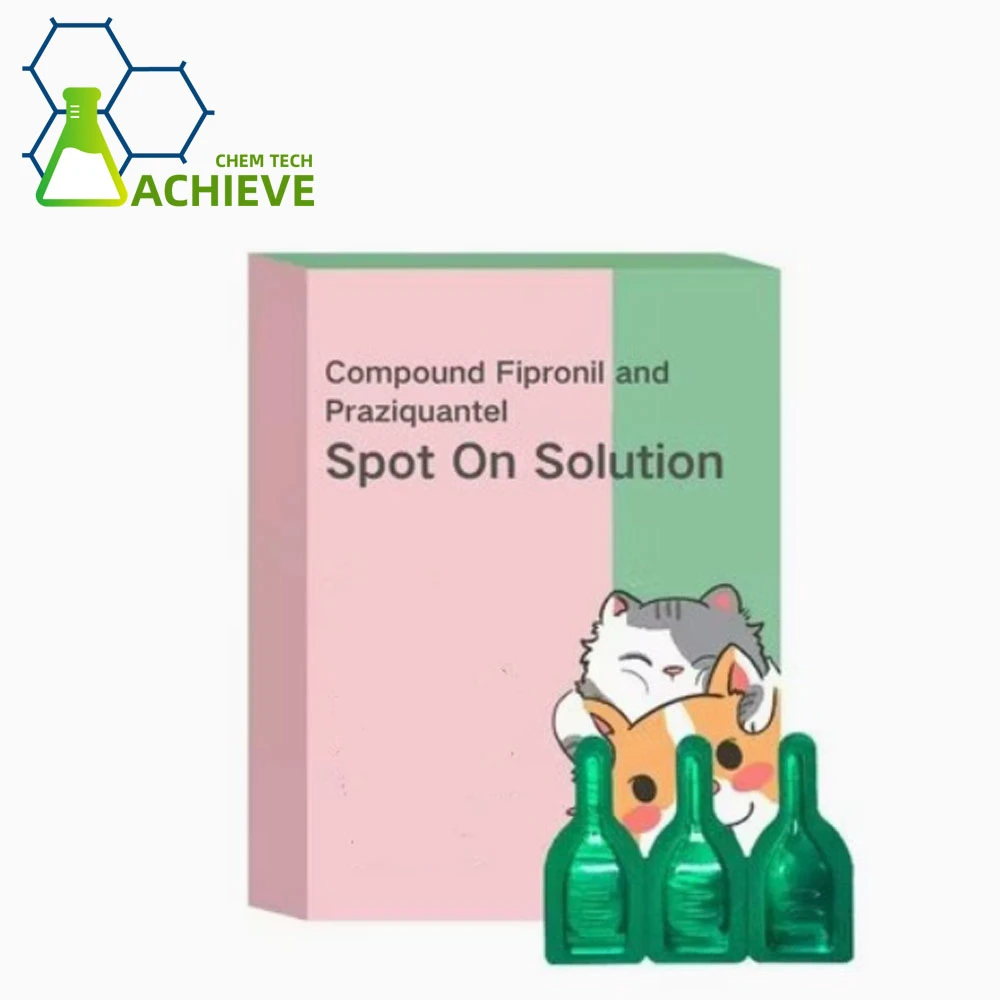
Compound Fipronil And Praziquantel Spot On Solution
1.General Specification(in stock)
(1)Solution
2.Customization:
We will negotiate individually, OEM/ODM, No brand, for secience researching only.
Internal Code: BM-9-022
Compound Fipronil and Praziquantel Spot On Solution
Main market: USA, Australia, Brazil, Japan, Germany, Indonesia, UK, New Zealand , Canada etc.
Manufacturer: BLOOM TECH Xi'an Factory
Analysis: HPLC, LC-MS, HNMR
Technology support: R&D Dept.-4
What Makes Insect GABA Receptors Sensitive to Compound Fipronil Drops?
Insects have a complex brain system to manage movement, eating and reactions for survival. GABA is short for gamma-aminobutyric acid, an inhibitory neurotransmitter that suppresses nerve impulses after they have fired. Without enough inhibition, neurons continue to fire uncontrollably and paralysis and death occur. That is precisely the weakness on which the fipronil chemical drops pounce.
The Role of GABA-Gated Chloride Channels in Insect Nerve Function
Insect neurons balance electricity via GABA-gated chloride channels. GABA binds to its receptor, causing chloride ions to enter the cell and having a relaxing effect. This prevents over-stimulation and allows the brain system to function correctly during normal insect behaviors such as flying, crawling or feeding. Fipronil molecules attach to the receptor site and block the passage of almost all chloride ions. After firing, the nerve cells cannot settle down, and there is a cascade of unregulated signaling over the whole body of the insect.
Structural Variations That Increase Binding Affinity

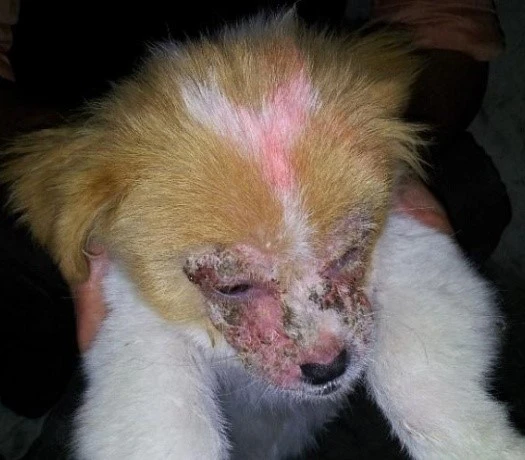
Amino acid sequences of insect GABA receptors are very different from those of mammals. These small structural differences produce a binding pocket into which fipronil molecules fit with exquisite accuracy. Physiologists investigating arthropods have shown that little changes in the configuration of receptor subunits may provide very diverse responses to the same chemical molecule. That is why fleas, ticks and other pests are so responsive to treatment while family pets are little affected in their own nervous system function .
Why This Sensitivity Translates Into Effective Pest Control
Insect neurons go into a hyperexcitation state when chloride channels don't work.
After a brief time of exposure, the pest is paralyzed, coordination is lost and muscles jitter wildly. The quick onset of symptoms makes the active ingredient especially beneficial for fast acting ectoparasite control. When buying raw materials, veterinary formulation buyers frequently want vendors that can verify batch purity and consistent receptor-binding performance, since even minor contaminants may affect effectiveness. At Bloomtechz, stringent quality verification controls are implemented on each lot of compound fipronil drops raw material so that formulators may be guarantyd that each delivery satisfies the pharmacological criteria necessary for reliable targeting of the nervous system.
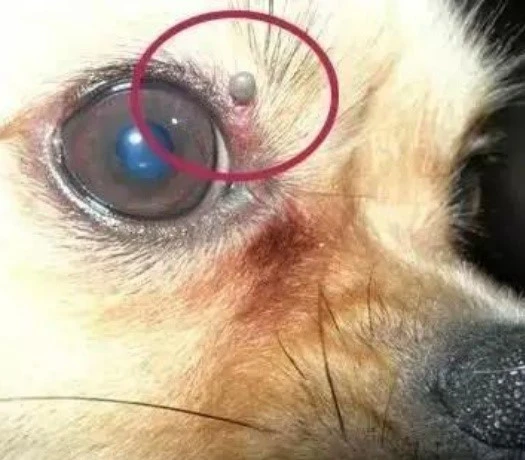
Differences Between Insect and Mammalian Chloride Channels in Compound Fipronil Drops' Target Selectivity
The issue of safety remains paramount to anybody making or selling topical parasiticides. The reason why fipronil-based therapies are safe for mammals but still deadly for insects comes down to anatomical variances in chloride channel composition between species.
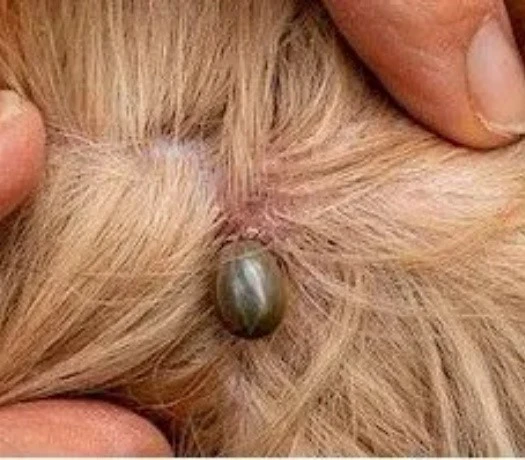
Molecular Distinctions in Channel Subunit Composition
Mammals use different protein subunits for their chloride channels than insects do. The subunits create receptor sites with different shapes, such that a chemical that fits nicely in an insect receptor could hardly interact with the human equivalent. This discrepancy is no coincidence, but rather the product of millions of years of evolutionary separation of vertebrate and invertebrate neural systems. This biological gap is advantageous for formulators of fipronil drops since it means there is a broad safety buffer when administering companion animals.
Binding Affinity Gaps Between Species
Laboratory tests that measure binding affinity have repeatedly shown that fipronil binds easily to insect GABA receptors but not to human GABA receptors. This gap, commonly called selective toxicity, meaning that the dosage required to disrupt an insect's nervous system is far lower than the dose that would have any visible impact in a dog or cat. This gap in affinity is what manufacturers use to determine appropriate application rates for topical medications so that dogs get a dosage powerful enough to remove parasites, but not so strong as to elicit undesired neurological reactions.
Practical Implications for Companion Animal Safety
The selectivity has influenced the way veterinary product developers approach formulation work. Therefore, scientists may concentrate on optimizing the effectiveness against the target insects without sacrificing safety to pets, since mammalian receptors are known to react poorly to fipronil. Raw material buyers seeking to expand new product lines typically want receptor-binding data and species-specific toxicity profiles before to signing up with a supplier. Bloomtechz maintains documentation of these pharmacological features to enable customers in the pharmaceutical and specialty chemical industries transition from lab-scale testing to bulk manufacture with clear regulatory backing. This openness removes uncertainty in formulation, and speeds up the journey from acquiring raw compounds to a completed topical medication.
Why Are Invertebrate Glutamate-Gated Chloride Channels Relevant to Compound Fipronil Drops?
Besides GABA receptors , insects also have another sort of inhibitory channel that humans lack : the glutamate-gated chloride channel . This new target expands the range of nervous system damage that fipronil exposure may produce.
Understanding Glutamate-Gated Chloride Channels in Arthropods
Glutamate-gated chloride channels exist only in invertebrates like insects, arachnids and certain crustaceans. These channels modulate motor neuron activity and sensory processing in a manner similar to GABA receptor action. Glutamate is the neurotransmitter of these channels, hence the blockage of its inhibition has identical overstimulation consequences as the disruption of GABA receptors. This parallel route implies fipronil is not dependent on a single mechanism for pesticidal activity.
Dual-Channel Action Enhancing Efficacy
Because fipronil operates on GABA-gated and glutamate-gated chloride channels, its overall effect on insect physiology is more complete.
The failure of two different inhibitory mechanisms at the same time speeds up the onset of paralysis and reduces the chance of a pest population developing tolerance from one resistance route. This dual-channel interaction is one reason why fipronil-based treatments remain effective against fleas and ticks, even in areas where other pesticide classes have lost effectiveness after repeated use.
Resistance Management Through Multiple Targets
Pest resistance occurs when insect populations survive a dose of a pesticide and pass on genetic features that make them less susceptible to that poison. Products targeting just one receptor type are more prone to eventually be overcome by resistance.
Compound fipronil drops target two separate chloride channel systems, thus the chance of a pest gaining resistance via a single genetic mutation is greatly reduced. Therefore, the chemical is useful not only for instant insect control but for long-term effectiveness in pest management programs. Buyers of specialty chemicals using fipronil raw material for agricultural or veterinary purposes typically look for this dual-mechanism profile when choosing a formulation, since it helps keep the product performing well across many treatment cycles.
How Does the Contact-Action Mechanism of Compound Fipronil Drops Support Ectoparasite Control?
One of the most practical benefits of topical therapies based on fipronil is that insects do not need to consume the substance to be impacted. Simple contact with treated skin or fur is sufficient to give rise to the nervous system disturbance mentioned above.
Lipophilic Properties and Cuticle Penetration
Fipronil molecules are lipophilic, meaning they dissolve easily in fats and oils, but not in water. This characteristic permits the chemical to enter the waxy outer cuticle of insects nearly instantly upon contact. Fleas and ticks walking on treated fur absorb the compound through their exoskeleton within minutes, long before they have an opportunity to bite or feed. This quick absorption minimizes the window of opportunity for the parasite to convey pain or irritation to the host animal.
Sebaceous Gland Reservoirs for Sustained Release
Topical fipronil formulations are meant to penetrate into the sebaceous glands present throughout the skin of an animal.
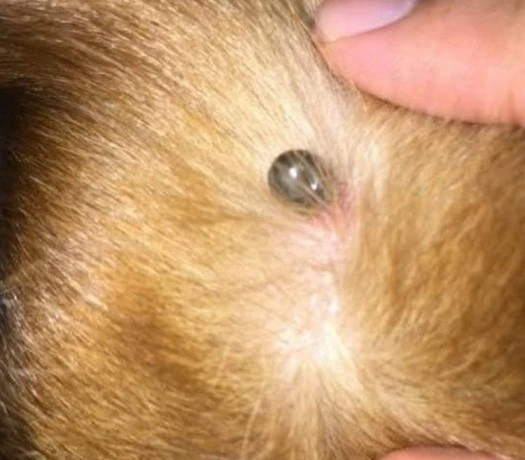

These glands function as natural reservoirs and the active chemical is progressively released across many weeks. The slow release method maintains a constant level of fipronil on the surface of the skin so that any freshly born fleas or ticks trying to connect are still exposed to a fatal dosage. When developing novel topical treatments, formulators will frequently consider the distribution of sebaceous glands in various animal breeds since the density of hair and the production of skin oils might impact the even dissemination of the substance.
Rapid Knockdown Without Ingestion Requirement
Because the contact-action mechanism does not rely on ingestion, pests begin to exhibit indications of discomfort very immediately after contacting treated regions.
This fast knockdown effect immediately decreases the total number of parasites on a host animal. This is important for dogs suffering from skin irritation or allergic responses to flea bites. This is a benefit to buyers of veterinary goods, as they get to see a faster decrease in visible pests after treatment, which is important for product promotion and for the happiness of clients. Bloomtechz supplies customers in the pharmaceutical and specialized chemical industries with raw fipronil material of sufficient purity to provide this rapid contact-action reaction in topical final products.
Topical Distribution and Skin Surface Activity of Compound Fipronil Drops for Flea and Tick Management
The distribution of the product in the animal's body following application is a direct factor in the product's performance. The distribution of the application will dictate whether all parts of the coat are well protected or if there are any gaps that pests can take advantage of.
How Topical Application Spreads Across the Skin
When applied at one site at the shoulder blades, the composition distributes itself across the surface of the skin via natural oil mobility and grooming activity. This spreading usually takes place across the whole body in one to two days, including regions not immediately treated upon application. This distribution does not need the substance to be absorbed into the blood stream. Rather it rides on the oily layer of the skin, remaining active on the surface where the parasites come in touch.
Residual Activity and Duration of Protection
Once applied, fipronil stays on the skin surface for a long time,
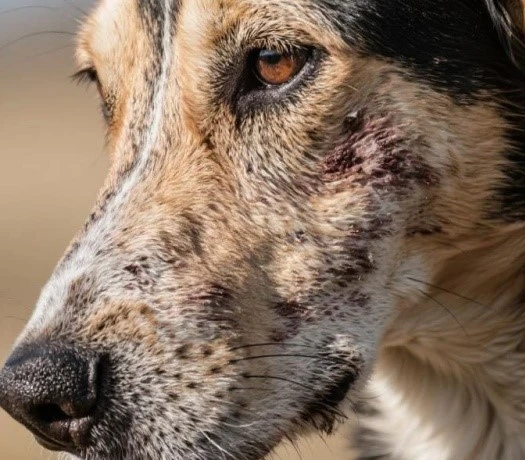
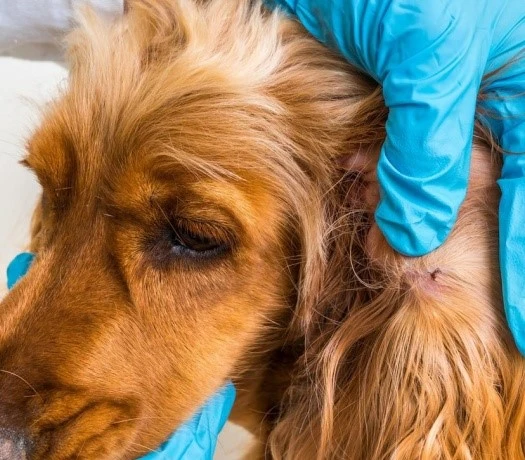
frequently protecting against fleas and ticks for many weeks after a single treatment. This residual action is due to the compound's affinity for lipid-rich surroundings, which enables it to resist being washed away in typical activities. Formulators looking at raw material choices for new topical medicines will typically ask for stability data indicating how long the chemical remains potent under different environmental circumstances such as changes in humidity and temperature.
Compatibility With Grooming and Water Exposure
Pets will often groom themselves and at one time or another get their hides wet either by way of a bath or by spending time outside.
A well prepared topical treatment should be able to endure these circumstances without losing its efficacy too rapidly. Fipronil is quite resistant to washout when compared to water soluble alternatives, since it binds securely to the lipid layer on skin and fur. who makes compound fipronil drops an effective option for pet owners who are unable to avoid periodic washing or swimming between treatment applications. Buyers seeking bulk raw material for formulating commonly inquire about this water-resistance characteristic since it impacts product labeling claims and consumer expectations on reapplication schedules.
Conclusion
The insect nervous system is a precise and dependable target for the fipronil-based therapies because of the variations in the structure of the chloride channel receptors between insects and mammals. This molecule is quite effective in disrupting neuronal function , but it also protects companion animals from injury . Both GABA-gated and glutamate-gated channels are very sensitive to this drug , generating a dual-action mechanism . Contact-action absorption, storage in the sebaceous glands and continuous topical administration of compound fipronil drops provide long-lasting flea and tick control. Companies acquiring raw material for pharmaceutical, specialized chemical or veterinary formulation work will find this method helps explain why fipronil continues to be a reliable active ingredient in the pest control sector.
Frequently Asked Questions
1. Does fipronil affect mammals the same way it affects insects?
+
-
No. Fipronil binds far less well in mammals due to structural differences between insect receptors and mammalian chloride channels, which indicates that there is a considerable safety buffer for pets.
2. How quickly does the contact-action mechanism begin working?
+
-
Within minutes of contact, pests often display symptoms of nervous system disturbance, since exoskeleton absorption is much quicker than ingestion-based insecticides.
3. Why does fipronil remain effective against resistant pest populations?
+
-
It may interfere with both GABA-gated and glutamate-gated chloride channels, so that a single mutation is unlikely to provide complete resistance in pests.
Partner With Bloomtechz for Reliable Compound Fipronil Drops Supply
For almost a decade, Bloomtechz has been a trusted source of raw materials for pharmaceutical, specialty chemical and veterinary formulation companies. Every batch is checked and satisfies the high standards of purity and consistency at our GMP-certified manufacturing location, validated by the CFDA, US-FDA, PMDA and BGV-Hamburg authorities. We are an approved supplier to 24 corporations worldwide. We provide transparent pricing, triple stage quality certification and precise lead-time tracking on our ERP platform. If you require raw material for new product development or bulk production assistance, our staff becomes your trusted compound fipronil drops provider, assisting you from inquiry to delivery with detailed documentation at every step. Contact us at Sales@bloomtechz.com now to talk about your sourcing requirements and forge a lasting relationship built on quality and dependability.
References
1. Tingle, C. C., Rother, J. A., Dewhurst, C. F., Lauer, S., & King, W. J. "Fipronil: Environmental Fate, Ecotoxicology, and Human Health Concerns." Reviews of Environmental Contamination and Toxicology.
2. Narahashi, Toshio. "Nerve Membrane Ion Channels as the Target Site of Insecticides." Mini-Reviews in Medicinal Chemistry.
3. Zhao, Xilong, Yu, Vincent, Salgado, Vincent L., and Nomura, Yoshiko. "Fipronil Is a Potent Open Channel Blocker of Glutamate-Activated Chloride Channels in Cockroach Neurons." Toxicology and Applied Pharmacology.
4. Cole, Lewis M., Nicholson, Richard A., and Casida, John E. "Action of Phenylpyrazole Insecticides at the GABA-Gated Chloride Channel." Pesticide Biochemistry and Physiology.
5. Gant, Dennis B., Chalmers, A. E., Wolff, M. A., Hoffman, Hilary B., and Bushey, Daniel F. "Fipronil: Action at the GABA Receptor." Reviews in Toxicology.
6. Hainzl, Dieter, and Casida, John E. "Fipronil Insecticide: Novel Photochemical Desulfinylation with Retention of Neurotoxicity." Proceedings of the National Academy of Sciences.