


Cortisol control is the subject of many endocrine problems and knowledge of how particular substances interfere with its synthesis is becoming more important for academics, veterinarians and pharmaceutical purchasers. Trilostane tablets operate by inhibiting a particular enzyme process in the adrenal gland, preventing too much cortisol from entering the circulation. This mechanism renders the chemical useful in the treatment of disorders associated with adrenal overactivity such as Cushing's syndrome and primary aldosteronism. Trilostane addresses the problem at the biochemical root, not by concealing symptoms. This article will describe the enzymatic process inhibited by trilostane in the body, the hormonal system it disturbs and the medical rationale for its usage in human and veterinary medicine at present. Also at the conclusion of this article will be practical advice for readers on quality verification and purchasing if they are looking for a source of pharmaceutical-grade trilostane.
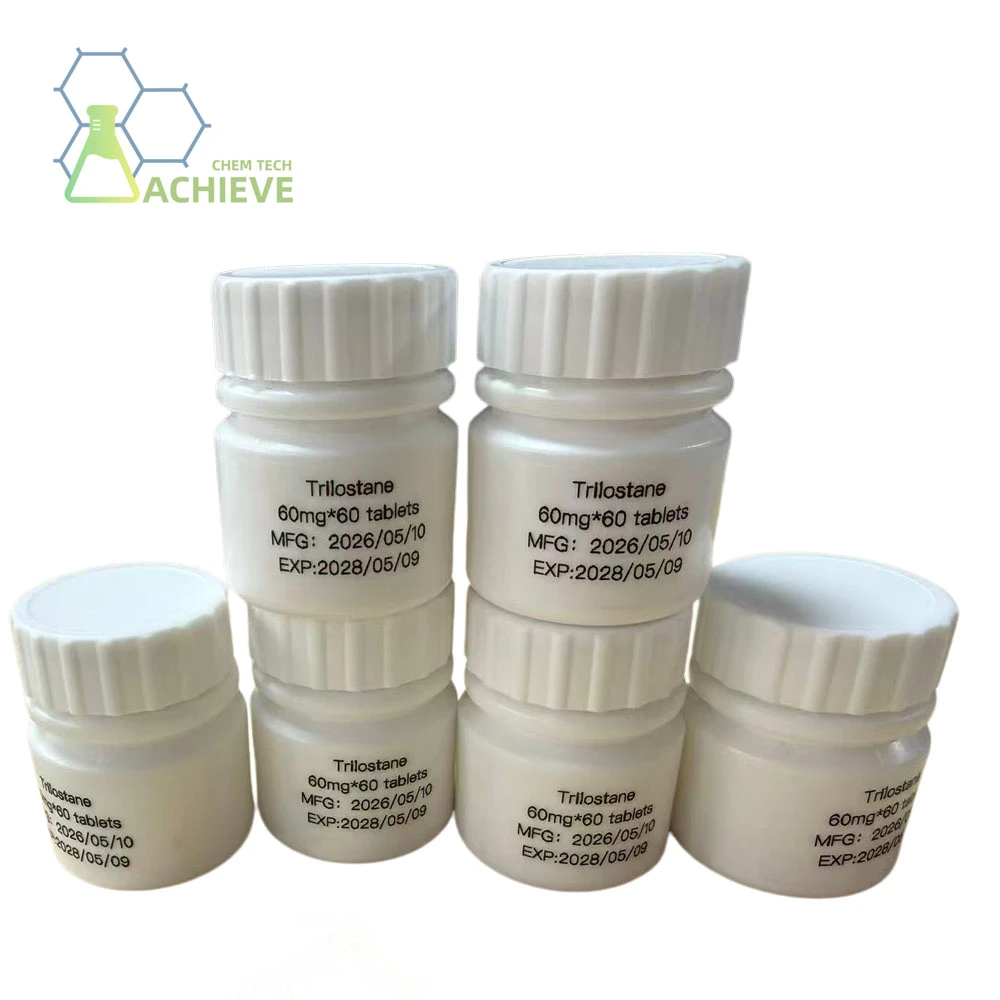
Trilostane Tablets
1.General Specification(in stock)
(1)Injection
Customizable
(2)Tablet
Customizable
(3)API(Pure powder)
PE/Al foil bag/ paper box for Pure powder
HPLC≥99.0%
(4)Pill press machine
https://www.achievechem.com/pill-press
2.Customization:
We will negotiate individually, OEM/ODM, No brand, for secience researching only.
Internal Code: BM-2-016
Trilostane CAS 13647-35-3
Analysis: HPLC, LC-MS, HNMR
Technology support: R&D Dept.-4
How Do Trilostane Tablets Inhibit 3β-HSD During Cortisol Production?
Cortisol is synthesized by a series of enzymatic transformations that begin with cholesterol and culminate in the final hormone. One of the checkpoints in that process is an enzyme called 3β-hydroxysteroid dehydrogenase (often abbreviated to 3β-HSD). Trilostane tablets specifically target this check point, decreasing the enzyme's capacity to convert precursor molecules to active steroid hormones.
The Role of 3β-HSD in Adrenal Steroidogenesis
The adrenal cortex generates three main types of steroid hormones: glucocorticoids, mineralocorticoids and androgens. At an early stage of development, all classes are dependent upon 3β-HSD. Without this enzyme working correctly the complete steroidogenic cascade is slowed down. Studies published in veterinary endocrinology publications have indicated that 3β-HSD is located at a branch point for conversion of pregnenolone to progesterone, a precursor molecule essential for cortisol production. Trilostane binds to this enzyme and sits in the active site, preventing the normal substrate from connecting and causing a bottleneck in hormone synthesis.
Reversible Versus Irreversible Enzyme Binding
An interesting element of trilostane's mechanism is its reversible binding pattern. Unlike some other adrenal suppressing drugs that cause irreversible damage to the enzyme structure, Trilostane binds transiently to 3β-HSD. This reversibility is why cortisol levels tend to revert to baseline once the medicine leaves the system and why dosage regimens are so important in clinical practice. Veterinarians and doctors will change the frequency of dose simply because the inhibition decreases as the blood concentrations decrease and so requires constant dosing to have a therapeutic impact.
Clinical Relevance of Enzyme-Level Intervention
The clear benefit of targeting an enzyme rather than the hormone itself.
Trilostane doesn't neutralize cortisol after it has been formed, but rather avoids the formation of excess in the first place. This upstream method minimizes compensatory hormone surges found with other therapeutic options. This enzyme-specific mode of action is widely cited by pharmaceutical producers that produce trilostane tablets for research or clinical applications as a distinguishing factor from prior adrenal-suppressing drugs, many of which operated with less specificity and had more extensive side effect profiles.
Laboratories researching steroidogenesis will often employ trilostane as a model chemical for suppression of 3β-HSD since it is very selective compared to previous compounds.Trilostane tablets have been a popular choice in academic research settings and practical veterinary medicine when the selectivity of the drug for regulation of adrenal output is important to the safety of the patient.
Trilostane Tablets and the Conversion of Pregnenolone Into Progesterone
Pregnenolone is the parent molecule for most of the steroid hormones generated in the adrenal gland. It is then converted to progesterone , which is one of the first committed stages toward making cortisol . This is exactly where trilostane pills have most of their pharmacological effect .
Why Pregnenolone Conversion Matters
Cholesterol enters the adrenal cell and is transformed to pregnenolone by a separate enzymatic route. From here pregnenolone is turned to progesterone by 3β-HSD, which will be transformed into cortisol, aldosterone and other steroid hormones. Blocking this one conversion step has a ripple effect down the pipeline. Research on adrenal physiology has revealed that if pregnenolone does not convert to progesterone, downstream hormone levels will also decline proportionally, because progesterone is the substrate for many downstream activities.
Measurable Hormonal Shifts After Administration
Within hours of trilostane administration, cortisol concentrations are dramatically reduced and correspond strongly with decreased progesterone availability .These findings are confirmed by clinical monitoring data from veterinary studies. Blood panels collected before and after therapy generally demonstrate increased pregnenolone and decreased cortisol, confirming that the drug is operating at the precise enzyme site predicted. This molecular signature gives a reliable indication to clinicians that the medicine is reaching its intended target.
Precursor Accumulation and Feedback Signaling
Pregnenolone builds up above the blocked enzyme and the feedback systems of the body begin to exert their influence.
The hypothalamic-pituitary-adrenal axis senses the reduced production of cortisol and attempts to compensate by increasing the stimulatory signals to the adrenal gland. This feedback loop is a big problem with dosing approaches,when the dose intervals are too long, since overstimulation may sometimes reverse the inhibitory effect. The advised frequency of dosing for trilostane tablets made for the pharmaceutical and veterinary sectors is also impacted by this feedback loop . Twice a day is frequently preferred over a single dose to keep the enzyme suppression more even .
This precursor connection helps explain why trilostane is different from medicines that operate later in the steroidogenic chain. Instead of only cortisol , this molecule interferes at the pregnenolone to progesterone phase ,
and so affects almost every downstream hormone concurrently . Because of this wide but regulated effect,trilostane tablets are still being studied by researchers for uses outside adrenal suppression, including studies on mineralocorticoid regulation and modulation of the androgen system.
How Does 3β-HSD Inhibition Interrupt the Cortisol Synthesis Pathway?
The cortisol production route comprises a number of enzymatic steps . Inhibition of any one of these steps changes the end product . Specifically, trilostane tablets block this route at the 3β-HSD stage, creating predictable and observable downstream effects that doctors monitor for therapy assessment.
Mapping the Full Steroidogenic Cascade
Cortisol synthesis starts in the adrenal cortex when cholesterol is converted into pregnenolone. Then the route forks depending on what hormone the cell finally makes. Specifically for cortisol, pregnenolone must be converted to progesterone, then to 17-hydroxyprogesterone, then to 11-deoxycortisol and ultimately to cortisol itself. Each of these conversions is catalyzed by a specific enzyme, the second of which is 3β-HSD. Blocking this process essentially halts the whole cascade before it reaches the later, cortisol-specific conversions.
Downstream Consequences of Pathway Interruption
But when the system stops early on, it's not just cortisol that is down-regulated.

It's every single hormone downstream of 3β-HSD. Trilostane's impact extends to the control of mineralocorticoids as well, since aldosterone production requires progesterone as a precursor. This dual action on glucocorticoid and mineralocorticoid pathways explains why electrolyte levels are monitored together with cortisol in patients on trilostane medication. Aldosterone production declines, which might lead to changes in sodium and potassium balance, therefore blood panels should be checked periodically throughout therapy.
Comparing Pathway Interruption to Other Intervention Points
Some drugs targeting the adrenals operate later in the cascade, preventing the conversion of 11-deoxycortisol to cortisol. Trilostane acts earlier, so its hormonal effects are more widespread,
but its regulation is more predictable in a dose-dependent approach, since the body has less chances to shunt precursor molecules down other routes. When pharmacology experts analyze adrenal suppression drugs, they generally highlight the early-pathway targeting of trilostane as a distinctive trait that differentiates it from later-acting alternatives.
Veterinary endocrinologists regularly use this interruption pattern to explain treatment results to owners of pets. Because of the greater hormonal influence, monitoring has to go beyond just cortisol. Laboratories purchasing trilostane tablets for clinical trials or compounding pharmacies typically request detailed certificates of analysis to confirm the purity of the compound as even minute impurities could alter the enzyme-binding efficiency and yield inconsistent pathway interruption across dosing cycles.

Trilostane Tablets and Steroid Precursor Changes in the Adrenal Cortex
The adrenal cortex is divided into three zones, each of which secretes a different kind of steroid hormone. 3β-HSD activity is present throughout the cortex and not only in one particular zone, hence in the case of trilostane tablets all three zones will be affected concurrently because of a change in precursor availability.
Zona Glomerulosa and Mineralocorticoid Precursors
The outermost layer is the zona glomerulosa and it produces aldosterone . This layer depends on progesterone as an intermediary molecule . When trilostane inhibits 3β-HSD activity, availability of progesterone in this zone is decreased, as it is elsewhere, and aldosterone production is decreased. Clinical data from veterinary studies show that, due to this zonal impact, electrolyte shifts, especially changes in sodium and potassium concentrations, typically follow trilostane medication. This is the reason why electrolyte panels are a standard part of monitoring regimens for patients on trilostane.
Zona Fasciculata and Glucocorticoid Precursor Buildup
The middle zone, the zona fasciculata, does most of the work of making cortisol. This is the area where the greatest accumulation of precursors takes place during trilostane treatment, since pregnenolone and other early precursors accumulate when the conversion to progesterone is slowed. In studies of adrenal tissue samples following injection of trilostane , researchers have observed higher quantities of pregnenolone , with suppression of cortisol . This confirms that the accumulation of the precursor is taking place exactly where we would anticipate it to be , given the known location of the enzyme in this zone .
Zona Reticularis and Androgen Pathway Interaction
The most internal zone , the zona reticularis ,is where androgen synthesis occurs . This route also overlaps with 3β-HSD activity . Some clinical data show that trilostane treatment may have a moderate impact on androgen precursor levels, however this effect is often less prominent than the changes in glucocorticoid and mineralocorticoid levels. Veterinary case studies of dogs with adrenal tumors that have received trilostane for prolonged periods have identified occasional changes in clinical symptoms relating to androgens, indicating that the substance has effects on the whole cortex, not only cortisol.The relevance of these zonal effects is for pharmaceutical purchasers and medical research organizations acquiring trilostane tablets for comparative studies since the substance has a multi-zone impact and is applicable to research beyond adrenal insufficiency alone.
Labs or clinical facilities manufacturing high purity trilostane will often use HPLC analysis to check the integrity of the chemical so that the effects of the precursor manipulation shown in published research are faithfully translated into consistent lab or clinical findings.
How Does Trilostane Tablets Treatment Influence ACTH-Driven Cortisol Production?
ACTH, or adrenocorticotropic hormone, is the main signal from the pituitary gland to stimulate synthesis of cortisol. Trilostane tablets affect this signaling system in more ways than just inhibiting the enzyme and has a feedback impact that physicians need to understand to manage medication successfully.
The Pituitary-Adrenal Feedback Loop
Under normal physiological circumstances, ACTH is released by the pituitary gland in response to low levels of cortisol, stimulating the adrenal cortex to produce more hormones. When cortisol gets high enough, it tells the pituitary to cut down on ACTH production, keeping everything in balance. Trilostane interrupts this loop and blocks the rise in cortisol despite increased ACTH stimulation. The pituitary gland, detecting consistently low cortisol, continues to secrete ACTH at high levels, resulting in a chronic state of adrenal stimulation that coexists with repressed hormone production.
Compensatory ACTH Elevation During Treatment


Clinical trials measuring ACTH with trilostane administration have shown persistent increase across treatment sessions . This compensatory increase is not enough to overcome the enzyme blockage, since 3β-HSD inhibition is dosage dependent irrespective of the degree of ACTH stimulation of the gland. But this heightened level of ACTH explains why if you stop trilostane quickly you may occasionally have rebound effects. That's because the adrenal gland suddenly gets its full enzymatic activity back, but it's still getting high stimulation from all the ACTH it's been exposed to.
Clinical Monitoring Through ACTH Stimulation Testing
Veterinarians and doctors often employ ACTH stimulation tests to diagnose and confirm the efficacy of trilostane.
This test is done by giving synthetic ACTH and monitoring the cortisol response subsequently. If the patient is adequately suppressed, even vigorous ACTH stimulation will cause just a little increase in cortisol, indicating that the blockage of the enzyme is still there. This testing methodology has become a routine monitoring practice in veterinary endocrinology, enabling doctors to alter trilostane medication based on objective hormonal response rather than clinical symptom observation alone.
Pharmaceutical researchers investigating the interaction of trilostane with the pituitary-adrenal axis continue to publish results on the ideal time between monitoring intervals .In general, their recommendations are to review during the first 2 weeks after initiating medication and at regular intervals thereafter .
This feedback-aware dosage technique reflects a wider knowledge that trilostane tablets do not simply cut off cortisol production, but modify it within a dynamic, sensitive hormonal system that needs continual therapeutic care.
Conclusion
Trilostane tablets target cortisol production since the active ingredient is specifically located inside the adrenal steroidogenic pathway. The chemical inhibits 3beta-HSD, blocking the conversion of pregnenolone, shifting the distribution of precursors in all adrenal zones, and significantly affecting ACTH feedback signaling. This multi-action is designed to meet both the therapeutic benefit and monitoring needs of trilostane treatment. Understanding these pathways promotes better informed selections for researchers, veterinary professionals and pharmaceutical purchasers when choosing substances for clinical applications or laboratory inquiry. Precision sourcing is as important as mechanistic knowledge, since the purity of the drug directly influences enzyme binding consistency and treatment dependability.
Frequently Asked Questions
1. What makes trilostane different from other adrenal-suppressing compounds?
+
-
Trilostane targets 3β-HSD specifically, an earlier enzymatic step compared to many alternative compounds, producing broader but more predictable hormonal effects across multiple steroid pathways.
2. How quickly does trilostane affect cortisol levels after administration?
+
-
Clinical monitoring data show measurable cortisol suppression within hours of dosing, though reversible enzyme binding means consistent administration remains necessary for sustained effect.
3. Why do electrolyte levels need monitoring during trilostane treatment?
+
-
Since the compound also reduces aldosterone precursor availability in the zona glomerulosa, sodium and potassium balance can shift, making periodic electrolyte panels an important part of treatment monitoring.
Get in Touch With Bloomtechz
Bloomtechz brings over a decade of organic synthesis expertise to every batch of pharmaceutical-grade compounds leaving our GMP-certified facility. Our production site, spanning 100,000 square meters, holds certifications from US, EU, Japanese, and Chinese regulatory authorities, giving buyers confidence in every shipment. As a trusted Trilostane Tablets Supplier, we provide HPLC-verified purity, transparent pricing, and accurate lead times tracked through our dedicated ERP platform. Our triple-layer quality verification process, spanning factory inspection, internal QA/QC review, and third-party authority testing, ensures every order meets contractual specifications or your payment gets refunded. Reach out today at Sales@bloomtechz.com to discuss your sourcing needs, request documentation, or start a long-term supply partnership built on consistent quality and dependable service.
References
1. Feldman, Edward C., and Richard W. Nelson. Canine and Feline Endocrinology. Saunders Elsevier, 2015.
2. Ramsey, Ian K. "Trilostane in Dogs." Veterinary Clinics of North America: Small Animal Practice, vol. 40, no. 2, 2010, pp. 269-283.
3. Neiger, Reto, et al. "Trilostane Treatment of 78 Dogs with Pituitary-Dependent Hyperadrenocorticism." Veterinary Record, vol. 150, no. 26, 2002, pp. 799-804.
4. Alenza, D. Pérez, et al. "Clinical Endocrine Function in Dogs with Pituitary-Dependent Hyperadrenocorticism Treated with Trilostane." Journal of Veterinary Internal Medicine, vol. 20, no. 2, 2006, pp. 269-275.
5. Miller, Walter L. "Steroidogenic Enzymes." Endocrine Development, vol. 13, 2008, pp. 1-18.
6. Braddock, Julia A., et al. "Trilostane Treatment in Dogs with Pituitary-Dependent Hyperadrenocorticism." Australian Veterinary Journal, vol. 81, no. 10, 2003, pp. 600-607.