


Trilostane tablets have become a widely recognized tool in the management of adrenal hormone-related conditions. Whether you work in pharmaceutical research, veterinary medicine, or endocrinology, understanding how this compound works at the molecular level can be genuinely fascinating - and practically valuable.
This article walks through the core mechanism behind trilostane tablets, explains the enzyme pathways they interact with, and clarifies how hormone production gets modulated at the adrenal cortex level.
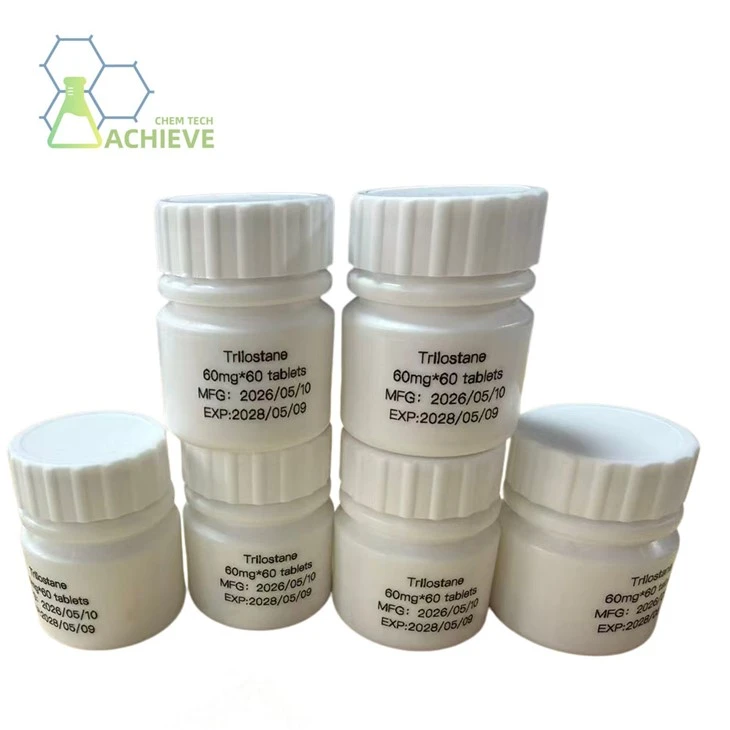
Trilostane Tablets
1.General Specification(in stock)
(1)Injection
Customizable
(2)Tablet
Customizable
(3)API(Pure powder)
PE/Al foil bag/ paper box for Pure powder
HPLC≥99.0%
(4)Pill press machine
https://www.achievechem.com/pill-press
2.Customization:
We will negotiate individually, OEM/ODM, No brand, for secience researching only.
Internal Code: BM-2-016
Trilostane CAS 13647-35-3
How Do Trilostane Tablets Inhibit Steroid Hormone Synthesis?
The Steroidogenesis Pathway and Where Trilostane Fits
The process of making steroid hormones is a series of chemical reactions that start with cholesterol. Cholesterol goes through a number of changes inside the adrenal cortex. Each change helps make the end hormones, such as cortisol, aldosterone, and androgens. Trilostane tablets stop this chain reaction at a very specific and strategically important point.
Instead of blocking the whole pathway, trilostane works as a competitive inhibitor, which means it competes with the natural substrate for access to the target enzyme's active site. This specificity is one of the things that makes the substance interesting from a pharmaceutical point of view and sets it apart from other adrenal suppressants.


Why Reversible Inhibition Matters Clinically
Reversibility is one of the most important therapeutic aspects of this process. Trilostane tablets bind to the target enzyme in a way that can be undone, so the damage is not permanent. Enzyme action can start up again once the drug is gone from the body. Because of this, doctors have more control over the doses and levels, and they don't have to worry about more powerful drugs permanently lowering adrenal function.
The compound's reversible binding feature helps make it safer than older-generation adrenal inhibitors, according to research released in peer-reviewed endocrinology literature. This means that careful dose management is both useful and medically sound.
Trilostane Tablets and 3β-Hydroxysteroid Dehydrogenase Activity
Understanding the Target Enzyme
The main molecule that trilostane tablets are aimed at is 3β-hydroxysteroid dehydrogenase (3β-HSD), an enzyme that plays a key role in the production of adrenal steroids. 3β-HSD helps change Δ5-3β-hydroxysteroids into their Δ4-3-ketosteroid counterparts by oxidizing and isomerizing them with Δ5,4-isomerase. The production of glucocorticoids and mineralocorticoids stops if this conversion doesn't happen.
The enzyme can be found in both the adrenal cortex and the gonadal tissue. This is why, based on the dose and length of contact, trilostane can affect a wider range of steroid hormones.

Its shape-a cyano group at the C-2 spot of the androstane backbone-is thought to be very important for attaching the molecule to the enzyme's binding site.

How Inhibition of 3β-HSD Cascades Through Hormone Output
Some medicines called trilostane tablets stop 3β-HSD from working. This causes upstream precursor steroids like pregnenolone, DHEA, and their sulfated forms to build up. At the same time, the production rate of steroids like cortisol and aldosterone that are further down the chain slows down.
In clinical endocrinology studies, this pattern of upstream accumulation and downstream decrease has been seen in both humans and animals that were given trilostane treatment. This chain effect is not a side effect;
it is the desired pharmacodynamic result and the reason why trilostane is used in situations where too much cortisol or aldosterone is being released.
Trilostane Tablets: Blocking the Conversion of Pregnenolone to Progesterone
One of the first and most important steps in adrenal steroidogenesis is the change of pregnenolone to progesterone. Pregnenolone is made by cutting the side chain of cholesterol. It needs to be changed into progesterone through 3β-HSD before the pathway can move on to making either cortisol or aldosterone. Trilostane tablets stop this particular conversion by taking up the 3β-HSD active site, which creates a biochemical bottleneck.
This barrier has effects that can be measured further down the line. Since progesterone synthesis is slowed down, so is the production of 17-hydroxyprogesterone, which is a direct precursor to cortisol.

A similar restriction affects the later branch of the same pathway that makes aldosterone.As a result, the adrenal cortex releases less glucocorticoids and mineralocorticoids at the same time.
The specificity of the substrate is what makes this mechanism very accurate. Trilostane works on the step where Δ5 is changed into Δ4. At therapeutic doses, it doesn't affect many other parts of cellular metabolism. This accuracy is what makes the drug useful in the clinic and helps it have fewer side effects than other adrenal suppressants that work in a wider way.
How Trilostane Tablets Reduce Cortisol Production in the Adrenal Cortex
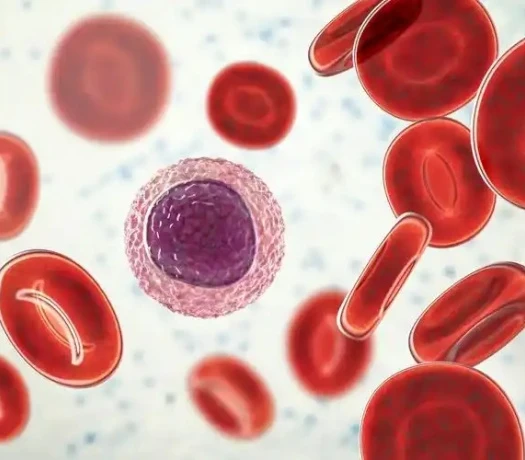
In cases like Cushing's syndrome, where the adrenal glands make too much of this glucocorticoid, the main treatment goal is to lower cortisol levels. Trilostane tablets lower this amount not by hurting adrenal tissue, but by slowing down the biosynthesis process with enzymes.
By stopping 3β-HSD at the pregnenolone-to-progesterone conversion step, the drug makes it so that there aren't enough substrates for the next steps that make cortisol. The 17-hydroxylation and 11-hydroxylation processes are important for the final shape of cortisol molecules. Cortisol output from the zona fasciculata decreases in a way that depends on the dose when there aren't enough precursors moving through the pathway.
Clinical monitoring data from endocrinology studies in both animals and people show that plasma cortisol levels usually drop within hours of administration. This is because the drug quickly binds to its enzyme target. Because of this pharmacokinetic reactivity, trilostane tablets are a good choice for situations where hormones need to be changed quickly.
Trilostane Tablets and Adrenal Steroidogenesis: From Enzyme Inhibition to Hormone Control
The Zona Glomerulosa and Aldosterone Regulation
There are different areas in the adrenal cortex, and each one is in charge of a different type of steroid hormone. The zona glomerulosa makes aldosterone, which is the body's main mineralocorticoid and controls how much sodium is retained and how high or low the blood pressure is. Because the production of aldosterone relies on the conversion of pregnenolone to progesterone, which is sped up by 3β-HSD, trilostane tablets also have a strong blocking effect on this area.
Patients with primary aldosteronism, a condition in which the body makes too much aldosterone on its own, have benefited from trilostane's ability to block this pathway.
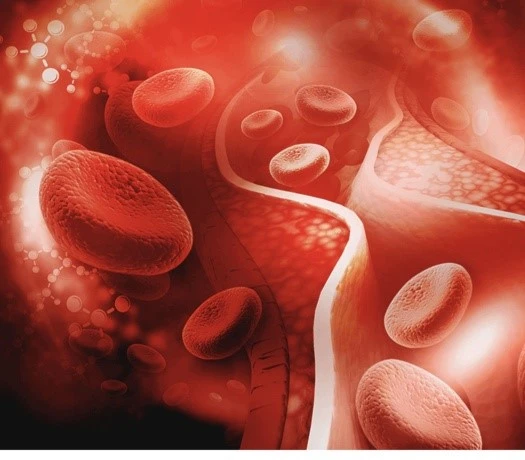

Less aldosterone production means better control of blood pressure and restoration of electrolyte imbalances, especially sodium levels that are too high and potassium levels that are too low.
Translating Biochemistry Into Clinical Benefit
Knowing how trilostane works at the enzyme level helps explain why dosage accuracy is so important. Because the drug works on an enzyme that is shared by several types of steroids, both too little and too much of it can have negative effects on the body. If you don't inhibit enough, hormone excess goes unchecked, but if you inhibit too much, you could develop iatrogenic adrenal insufficiency, a disease in which your cortisol and aldosterone levels drop below what your body needs.
To make sure that the adrenal reserve stays intact, dosing plans usually include testing for ACTH stimulation and monitoring basal cortisol. This meeting of biochemical processes and clinical tracking shows how complex it is to work with trilostane tablets in different treatment settings.
FAQ
Q1: What is the primary mechanism by which trilostane tablets lower cortisol levels?
+
-
In the adrenal cortex, 3β-hydroxysteroid dehydrogenase and Δ5,4-isomerase are temporarily inhibited by trilostane tablets. This stops the conversion of pregnenolone to progesterone, which is a necessary step for making cortisol. Cortisol output drops in a way that depends on dose and can be reversed if precursors don't flow through the steroidogenic pathway enough.
Q2: Are trilostane tablets selective in their enzyme inhibition?
+
-
Trilostane tablets mainly work on 3β-HSD, an enzyme that is used in many different types of steroid production. This means that trilostane can block a wide range of glucocorticoids and mineralocorticoids. However, it only works on certain substrates at the Δ5 to Δ4 conversion step. This means that medicinal amounts don't cause too much damage to other biochemicals.
Q3: How quickly do trilostane tablets take effect on adrenal hormone levels?
+
-
Plasma cortisol levels usually start to show that trilostane tablets are working within hours of being given, which is in line with how quickly the drug binds to its enzyme target. But for full clinical stabilization, especially in cases like Cushing's syndrome, the amount needs to be changed, and the patient needs to be watched over for several weeks.
Connect With Bloomtechz - Your Trusted Trilostane Tablets Supplier
If you need pharmaceutical-grade trilostane tablets for research, formula development, or buying on behalf of an institution, Bloomtechz has a solution that is based on accuracy, compliance, and real supply chain transparency. Bloomtechz is a verified trilostane tablets supplier. Their production sites are GMP-certified and have been inspected by the US FDA, CFDA, PMDA, and BGV-Hamburg, Germany. The company has been making organic compounds and pharmaceutical intermediates for more than 12 years. They offer HPLC purity standards of 99.0% or higher, strict triple-link quality verification, and OEM/ODM customization options for a range of dosages, from 5 mg tablets to 60 mg tablets. Bloomtechz is a qualified seller to 24 well-known groups around the world. This makes sure that your purchases meet both scientific and legal requirements.
Reach out today at Sales@bloomtechz.com to discuss your requirements and receive an accurate quotation with transparent lead time.
References
1. Potts, G. O., Creange, J. E., Hardomg, H. R., & Schane, H. P. (1978). Trilostane, an orally active inhibitor of steroid biosynthesis. Steroids, 32(2), 257–267.
2. Neiger, R., Ramsey, I., O'Connor, J., Hurley, K. J., & Mooney, C. T. (2002). Trilostane treatment of 78 dogs with pituitary-dependent hyperadrenocorticism. Veterinary Record, 150(26), 799–804.
3. Wenger, M., Sieber-Ruckstuhl, N. S., Müller, C., & Reusch, C. E. (2004). Effect of trilostane on serum concentrations of aldosterone, cortisol, and potassium in dogs with pituitary-dependent hyperadrenocorticism. American Journal of Veterinary Research, 65(9), 1245–1250.
4. Sieber-Ruckstuhl, N. S., Boretti, F. S., Wenger, M., Maser-Gluth, C., & Reusch, C. E. (2006). Cortisol, aldosterone, cortisol precursor, androgen and endogenous ACTH concentrations in dogs with pituitary-dependent hyperadrenocorticism treated with trilostane. Domestic Animal Endocrinology, 31(1), 63–75.
5. Augustine, L., et al. (2003). Trilostane treatment in dogs with pituitary-dependent hyperadrenocorticism.
6. Vaughan, M. A., et al. (2010). Evaluation of the use of baseline cortisol concentration as a monitoring tool for dogs receiving trilostane as a treatment for hyperadrenocorticism. Journal of the American Veterinary Medical Association, 237(7), 801–805.