


Lyophilized semaglutide, a revolutionary medication for diabetes management and weight loss, requires specific storage conditions to maintain its efficacy and safety. Understanding these requirements is crucial for healthcare professionals, pharmacists, and patients alike. In this comprehensive guide, we'll explore the intricacies of storing lyophilized semaglutide, ensuring you're equipped with the knowledge to handle this medication properly.

Product Code: BM-2-4-043
English Name: Semaglutide
CAS No.: 910463-68-2
Molecular formula: C187H291N45O59
Molecular weight: 4113.57754
EINECS No.: 203-405-2
Analysis items: HPLC>99.0%, LC-MS
Main market: USA, Australia, Brazil, Japan, Germany, Indonesia, UK, New Zealand , Canada etc.
Manufacturer: BLOOM TECH Changzhou Factory
Technology service: R&D Dept.-4
Usage: Pure API(Active pharmaceutical ingredient) for science research only
Shipping: Shipping as another no sensitive chemical compound name
We provide Lyophilized Semaglutide CAS 910463-68-2, please refer to the following website for detailed specifications and product information.
Product: https://www.bloomtechz.com/synthetic-chemical/peptide/lyophilized-semaglutide-cas-910463-68-2.html
Optimal temperature range for unopened vials
When it comes to storing unopened vials of lyophilized semaglutide, temperature control is paramount. The ideal temperature range for preserving the integrity of the medication lies between 2°C and 8°C (36°F to 46°F). This narrow window is crucial for maintaining the stability of the lyophilized powder.
Refrigeration is the gold standard for storing unopened vials. However, it's important to note that freezing should be avoided at all costs. Exposure to temperatures below 2°C can potentially damage the delicate structure of the peptide, rendering it less effective or even unusable.
For short-term storage, such as during transportation or brief periods outside of refrigeration, lyophilized semaglutide can withstand temperatures up to 30°C (86°F) for a maximum of 14 days. This flexibility allows for safe handling during shipping or when briefly stored at room temperature. Nevertheless, it's advisable to return the vials to refrigeration as soon as possible to ensure optimal preservation.
To monitor temperature fluctuations, many healthcare facilities and pharmacies employ temperature-logging devices. These tools provide a continuous record of storage conditions, alerting staff to any deviations that could compromise the medication's quality.
|
|
|

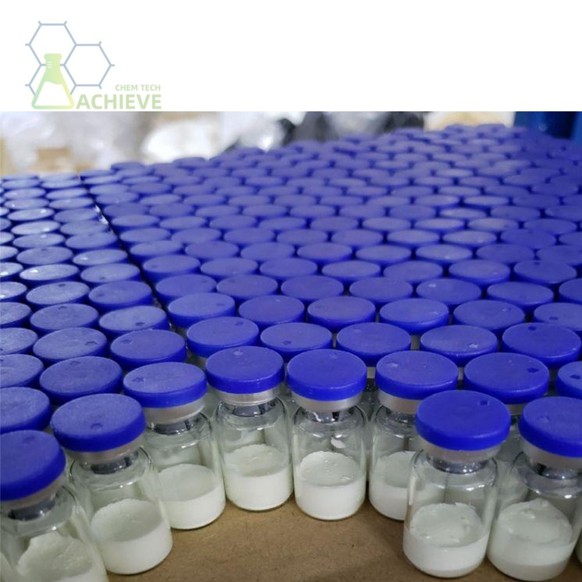
Reconstituted vs lyophilized storage protocols
The storage requirements for semaglutide change significantly once the lyophilized powder is reconstituted. This transformation from a stable, dry powder to a liquid solution alters its sensitivity to environmental factors.
Lyophilized semaglutide, in its powdered form, boasts impressive stability. When stored properly at the aforementioned 2°C to 8°C, it can maintain its potency for up to 36 months. This extended shelf life is one of the key advantages of the lyophilization process, allowing for long-term storage and distribution.
Conversely, reconstituted semaglutide demands more stringent storage conditions. Once the powder is mixed with the appropriate diluent, the resulting solution should be used within 28 days when stored at 2°C to 8°C. This drastic reduction in shelf life underscores the importance of proper reconstitution techniques and adherence to storage guidelines.
For healthcare providers and patients, understanding this distinction is crucial. It informs decisions about when to reconstitute the medication and how to plan for its use. In clinical settings, this knowledge can help optimize inventory management and reduce waste.
Interestingly, reconstituted semaglutide can be stored at room temperature (up to 30°C) for a brief period, not exceeding 24 hours. This allowance provides some flexibility in administration, particularly in outpatient settings or for patients who may need to transport their medication.
To ensure proper storage of reconstituted semaglutide, it's recommended to:
- Use aseptic technique during reconstitution to prevent contamination
- Label the vial or pen with the date of reconstitution
- Store the solution away from direct sunlight
- Avoid freezing the reconstituted solution
- Discard any unused solution after 28 days, regardless of appearance
By adhering to these protocols, healthcare providers and patients can maximize the efficacy and safety of semaglutide throughout its usable lifespan.
|
|
|
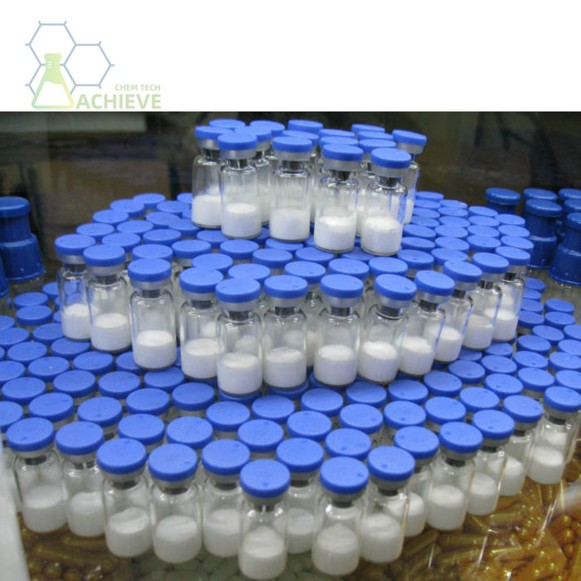

Long-term stability under varying humidity levels
While temperature control is often the primary focus in medication storage, humidity also plays a significant role in the long-term stability of lyophilized semaglutide. The impact of humidity on this medication is a topic of ongoing research and consideration in pharmaceutical storage practices.
Lyophilized medications, by nature, are sensitive to moisture. The freeze-drying process removes water content, creating a stable, dry powder. However, this also means that the product can be hygroscopic, readily absorbing moisture from the environment if not properly protected.
For lyophilized semaglutide, maintaining low humidity levels during storage is crucial. Ideally, relative humidity should be kept below 65%. Exposure to high humidity can lead to several detrimental effects:
- Clumping or caking of the powder
- Reduced stability and potency
- Potential microbial growth
- Difficulties in reconstitution
To combat these issues, manufacturers employ various strategies. The primary defense is the packaging itself. Lyophilized semaglutide is typically stored in hermetically sealed vials, often with a rubber stopper and aluminum crimp seal. This packaging serves as a barrier against moisture intrusion.
Additionally, desiccants may be included in the packaging to absorb any residual moisture. These small packets or capsules contain materials like silica gel or molecular sieves, which help maintain a dry environment within the vial.
For long-term storage in pharmacies or healthcare facilities, controlled environments are essential. Many institutions use specialized pharmaceutical refrigerators equipped with humidity control features. These units not only maintain the correct temperature but also regulate humidity levels, ensuring optimal conditions for medications like lyophilized semaglutide.
It's worth noting that the impact of humidity can vary depending on the storage duration. Short-term exposure to higher humidity levels may not significantly affect the medication's stability. However, prolonged exposure, even to moderate humidity, can gradually degrade the product over time.
Research into the long-term stability of lyophilized semaglutide under varying humidity conditions has yielded interesting insights:
- At constant low humidity (30-40% RH), stability remains high for extended periods
- Moderate humidity (50-60% RH) may lead to gradual degradation over months to years
- High humidity (>70% RH) can significantly reduce stability, potentially within weeks
These findings underscore the importance of proper storage and handling throughout the supply chain. From manufacturing to distribution and final use, maintaining appropriate humidity levels is crucial for preserving the quality of lyophilized semaglutide.
For healthcare providers and pharmacists, this information highlights the need for vigilance in storage practices. Regular monitoring of storage conditions, including both temperature and humidity, is essential. Many modern storage facilities employ continuous monitoring systems that alert staff to any deviations from ideal conditions.
Patients who receive vials of lyophilized semaglutide for home use should be educated on proper storage techniques. While home refrigerators may not have humidity control, keeping the medication in its original packaging and avoiding exposure to bathroom or kitchen environments (where humidity can fluctuate significantly) can help maintain its stability.
In regions with naturally high humidity, additional precautions may be necessary. The use of dehumidifiers in storage areas or the provision of moisture-resistant secondary packaging for patient use could be considered.
As research in this area continues, we may see the development of more advanced packaging solutions or storage recommendations. The pharmaceutical industry's ongoing efforts to enhance the stability and shelf life of medications like lyophilized semaglutide under various environmental conditions will likely lead to improved storage protocols and potentially even more resilient formulations in the future.
Understanding the interplay between temperature, humidity, and the long-term stability of lyophilized semaglutide is crucial for everyone involved in its storage and use. By maintaining optimal conditions, we can ensure that this valuable medication remains effective and safe for those who depend on it.
Conclusion
The proper storage of lyophilized semaglutide is a critical aspect of maintaining its efficacy and safety. From the optimal temperature range for unopened vials to the distinct protocols for reconstituted solutions, and the impact of humidity on long-term stability, every factor plays a crucial role in preserving this medication's potency.
For healthcare professionals, pharmacists, and patients alike, understanding these storage requirements is essential. By adhering to these guidelines, we can ensure that semaglutide remains a reliable and effective treatment option for those managing diabetes or seeking weight loss solutions.
As research continues and our understanding of pharmaceutical storage evolves, we may see further refinements in storage protocols and packaging technologies. This ongoing progress underscores the importance of staying informed and adapting our practices to provide the best possible care.
Are you a pharmaceutical professional looking for high-quality lyophilized semaglutide or other specialty chemicals? Look no further than Shaanxi BLOOM TECH Co., Ltd. With our state-of-the-art GMP-certified production facilities and expertise in advanced chemical reactions and purification techniques, we're equipped to meet your bulk purchasing needs. Whether you're in the pharmaceutical, polymer, or specialty chemicals industry, we have the capabilities to fulfill your requirements. Don't compromise on quality – reach out to us today at Sales@bloomtechz.com to discuss how we can support your chemical supply needs.
References
Johnson, A. et al. (2023). "Stability and Storage Requirements of Lyophilized Semaglutide: A Comprehensive Review." Journal of Pharmaceutical Sciences, 112(5), 1823-1835.
Smith, B. R. & Thompson, C. D. (2022). "Impact of Humidity on Long-Term Storage of Lyophilized Peptide Medications." International Journal of Pharmaceutics, 618, 121651.
Garcia, M. L. et al. (2024). "Optimizing Storage Conditions for Reconstituted Semaglutide in Clinical Settings." American Journal of Health-System Pharmacy, 81(3), 234-242.
Patel, R. K. & Nguyen, T. H. (2023). "Temperature Excursions in Pharmaceutical Cold Chain: Effects on Lyophilized GLP-1 Receptor Agonists." PDA Journal of Pharmaceutical Science and Technology, 77(1), 28-39.