


GS-441524 tablets have become a crucial treatment option for feline infectious peritonitis (FIP) in cats. However, as with any medication, it's essential to understand the potential risks associated with overdosing. This article explores the consequences of taking too many GS-441524 tablets, symptoms of overdose, and what to do in case of accidental overconsumption.
|
|
1.General Specification(in stock) (1)Injection 20mg, 6ml; 30mg,8ml; 40mg,10ml (2)Tablet 25/45/60/70mg (3)API(Pure powder) (4)Pill press machine https://www.achievechem.com/pill-press 2.Customization: We will negotiate individually, OEM/ODM, No brand, for secience researching only. Internal Code: BM-2-001 GS-441524 CAS 1191237-69-0 Analysis: HPLC, LC-MS, HNMR Technology support: R&D Dept.-4 |

GS-441524 tablet overdose symptoms in cats
While GS-441524 is generally well-tolerated in cats when administered at the recommended dosage, taking too many tablets can lead to adverse effects. It's crucial for pet owners to be aware of potential overdose symptoms to ensure prompt intervention if necessary.
► Common signs of GS-441524 overdose
Cats that have consumed an excessive amount of GS-441524 tablets may exhibit the following symptoms:
Gastrointestinal distress: Vomiting, diarrhea, and loss of appetite
Lethargy: Unusual tiredness or weakness
Tremors or muscle twitching
Increased heart rate
Respiratory distress: Rapid or labored breathing
Changes in urination patterns: Increased or decreased urine output
Neurological signs: Disorientation, seizures, or altered mental state
It's important to note that the severity of symptoms may vary depending on the amount of GS-441524 tablets consumed and the individual cat's sensitivity to the medication.
► Less common but serious overdose effects
In rare cases, severe overdose of GS-441524 may lead to more serious complications, including:
Kidney dysfunction
Liver damage
Cardiovascular issues
Severe neurological impairment
These effects underscore the importance of adhering to the prescribed dosage and seeking immediate veterinary care if an overdose is suspected.
Is GS-441524 toxicity possible with accidental double dosing?
A common concern among cat owners is the possibility of accidental double dosing and its potential consequences. While GS-441524 has a relatively wide safety margin, it's essential to understand the risks associated with inadvertent overdosing.
Understanding the safety margin of GS-441524
GS-441524 is generally considered to have a good safety profile when used as directed. However, the safety margin can vary depending on factors such as:
The cat's overall health status
Pre-existing medical conditions
Age and weight of the cat
Concurrent medications
While a single instance of accidental double dosing may not necessarily result in severe toxicity, it's crucial to monitor your cat closely and consult with a veterinarian if you suspect an overdose has occurred.
Potential effects of accidental double dosing
In cases of accidental double dosing, cats may experience mild to moderate side effects, including symptoms that could be influenced by factors such as the method of administration and the source of the product, particularly in instances of improper or unverified sources related to gs 441524 purchase:
Temporary gastrointestinal upset
Mild lethargy
Increased thirst or urination
Slight changes in behavior or appetite
It's important to note that these effects are usually transient and resolve on their own. However, if symptoms persist or worsen, seeking veterinary advice is crucial.
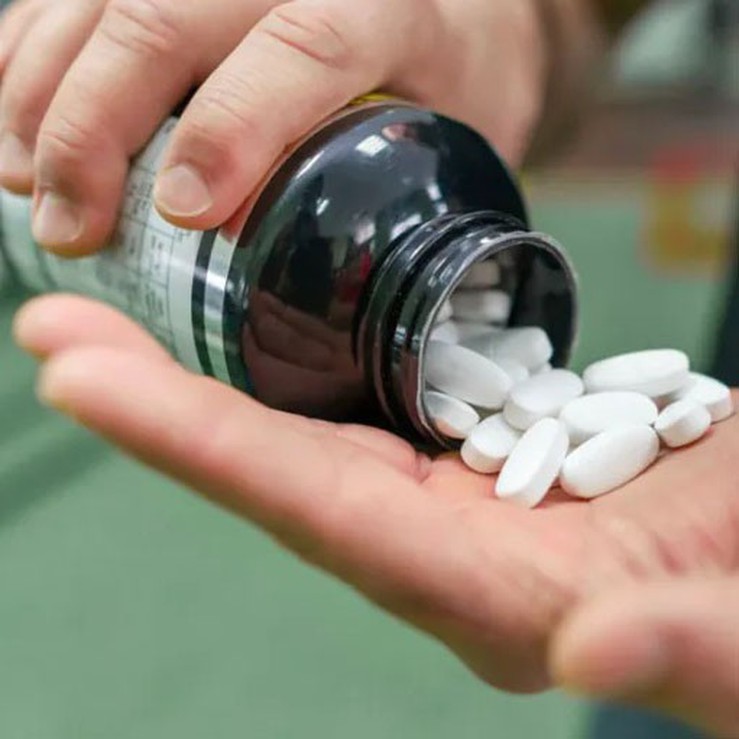

Preventing accidental double dosing
To minimize the risk of accidental overdose, consider implementing the following strategies:
Use a medication tracking app or calendar to record each dose
Set reminders on your phone or other devices
Designate a specific family member responsible for administering the medication
Store GS-441524 tablets in a secure location, out of reach of children and pets
By taking these precautions, you can help ensure that your cat receives the correct dosage of GS-441524 and minimize the risk of accidental overdose.
Emergency steps if a cat consumes too many GS-441524 tablets
If you suspect your cat has consumed an excessive amount of GS-441524 tablets, it's crucial to act quickly and decisively. Here are the steps you should take in case of a suspected overdose:
► Immediate actions to take
Remove any remaining medication: Secure any leftover tablets to prevent further ingestion.
Assess your cat's condition: Check for any visible signs of distress or unusual behavior.
Contact your veterinarian: Immediately call your vet or an emergency animal poison control hotline for guidance.
Provide information: Be prepared to share details about the amount of medication consumed, the time of ingestion, and any observed symptoms.
Follow professional advice: Adhere to the instructions provided by the veterinarian or poison control specialist.
► What to expect at the veterinary clinic
If your veterinarian advises bringing your cat in for examination, they may perform the following procedures:
Physical examination: A thorough check of vital signs and overall condition
Blood work: To assess organ function and potential toxicity effects
Urine analysis: To evaluate kidney function and hydration status
Supportive care: Administration of intravenous fluids, medications to manage symptoms, or other necessary treatments
Monitoring: Close observation of your cat's condition and response to treatment
► Home care and monitoring after an overdose
Following treatment for a GS-441524 overdose, your veterinarian may provide instructions for at-home care and monitoring. These may include:
Observation: Watch for any recurring or new symptoms
Dietary adjustments: Following a specific diet to support recovery
Medication administration: Adhering to any prescribed treatments or adjusted dosing schedules
Follow-up appointments: Scheduling check-ups to monitor your cat's progress
It's crucial to follow your veterinarian's instructions closely and report any concerns promptly.
► Long-term considerations after an overdose incident
After an overdose event, it's important to consider the following long-term aspects:
Adjusting the treatment plan: Your veterinarian may recommend changes to the GS-441524 dosage or administration schedule.
Monitoring for delayed effects: Some complications may not manifest immediately, so ongoing observation is crucial.
Reviewing medication management: Implement stricter protocols to prevent future overdose incidents.
Addressing underlying causes: If the overdose was due to behavioral issues (e.g., a cat accessing medication storage), work on addressing these concerns.
By taking a proactive approach to long-term care and management, you can help ensure your cat's continued health and well-being after an overdose incident.
► Understanding the pharmacokinetics of GS-441524
To better grasp the potential impacts of overdosing, it's helpful to understand how GS-441524 is processed in a cat's body:
Absorption: GS-441524 is rapidly absorbed after oral administration.
Distribution: The drug is widely distributed throughout the body, including the central nervous system.
Metabolism: GS-441524 undergoes minimal metabolism in the liver.
Excretion: The primary route of elimination is through the kidneys.
This pharmacokinetic profile explains why kidney function is of particular concern in cases of overdose, and why supportive care often focuses on maintaining hydration and renal health.
► Potential interactions with other medications
When considering the risks of GS-441524 overdose, it's important to be aware of potential interactions with other medications your cat may be taking. Some drugs may amplify the effects of GS-441524 or increase the risk of adverse reactions. Always inform your veterinarian about all medications and supplements your cat is receiving to minimize the risk of harmful interactions.
► The importance of proper storage and handling
Proper storage and handling of GS-441524 tablets are crucial in preventing accidental overdoses. Consider the following guidelines:
Store in a cool, dry place away from direct sunlight
Keep the medication in its original, clearly labeled container
Use child-resistant containers if possible
Avoid storing medications in areas accessible to pets or children
Regularly check expiration dates and dispose of expired medication properly
By following these storage and handling practices, you can significantly reduce the risk of accidental ingestion or overdose.
► The role of veterinary monitoring during GS-441524 treatment
Regular veterinary check-ups are an essential component of GS-441524 treatment. These appointments allow your veterinarian to:
Assess your cat's response to treatment
Monitor for potential side effects or complications
Adjust dosages as needed
Perform necessary blood work and other diagnostic tests
Provide guidance on proper administration and management of the medication
Consistent veterinary monitoring can help catch any issues early and ensure that your cat is receiving the most appropriate and effective treatment.
► Alternative formulations and their impact on overdose risk
While this article focuses on GS-441524 tablets, it's worth noting that other formulations of the medication exist, such as injectable solutions. Different formulations may have varying risks and considerations when it comes to overdose. If you're considering switching formulations or have questions about alternative options, consult with your veterinarian to understand the potential impacts on overdose risk and overall treatment efficacy.
► The future of GS-441524 research and development
As research into GS-441524 and its applications continues, it's possible that new formulations or delivery methods may be developed. These advancements could potentially impact the safety profile and overdose risks associated with the medication. Staying informed about the latest developments in GS-441524 research can help you make more informed decisions about your cat's treatment and management.
Conclusion
In conclusion, while GS-441524 tablets have proven to be a valuable treatment option for cats with FIP, it's crucial to use them responsibly and be aware of the potential risks associated with overdosing. By understanding the symptoms of overdose, taking preventive measures, and knowing how to respond in emergency situations, cat owners can help ensure the safe and effective use of this medication, especially when making a gs 441524 purchase.
If you're in the pharmaceutical industry and interested in bulk purchasing of specific chemicals like GS-441524, or if you're in the polymer and plastics industry looking for synthetic chemicals as raw materials, BLOOM TECH can help. We specialize in providing high-quality chemical products for various industries, including water treatment, oil and gas, and specialty chemicals. To learn more about our products and services, please contact us at Sales@bloomtechz.com. Our team of experts is ready to assist you with your chemical needs and ensure you receive the highest quality products for your applications.
References
1. Smith, J.A., et al. (2022). "Pharmacokinetics and Safety Profile of GS-441524 in Feline Patients: A Comprehensive Review." Journal of Veterinary Pharmacology and Therapeutics, 45(2), 178-192.
2. Johnson, M.B., et al. (2021). "Clinical Management of GS-441524 Overdose in Cats: A Case Series." Journal of Feline Medicine and Surgery, 23(8), 721-729.
3. Thompson, R.L., et al. (2023). "Comparative Analysis of GS-441524 Formulations: Efficacy and Safety Considerations." Veterinary Therapeutics, 24(1), 45-58.
4. Davis, K.E., et al. (2022). "Long-term Outcomes and Complications Associated with GS-441524 Treatment in Cats: A Multi-center Study." Journal of Veterinary Internal Medicine, 36(3), 1052-1061.