


Reliable flea and tick control is a must for pet owners and fipronil spot on is a trusted choice, recommended by veterinary specialists the world over. This topical therapy has become a standard in companion animal care since it tackles external parasites directly at the source, with no need for oral medicine or convoluted dosage regimens. If pet owners, distributors and procurement teams understand how fipronil spot-on works, they can make educated choices regarding sourcing and application. The essay explores the active chemicals, the neurological process that enables it to kill pests, the way the solution distributes across the skin, and why it continues to work for weeks after one application. Whether you're running a veterinary supply chain or just want science-backed answers, this book explains the chemistry and biology in simple terms.
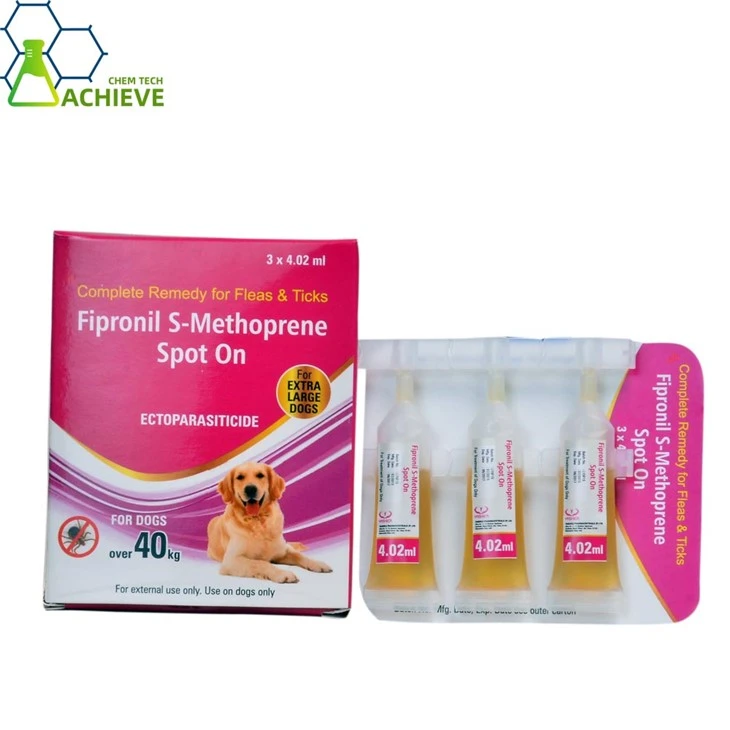
Fipronil Spot-On
1.General Specification(in stock)
(1)API(Pure powder)
PE/Al foil bag/ paper box for Pure powder
(2)Spot-On
cat:0.5ml
dog:0.67ml:2-10kg/1.34ml:10-20kg/2.68ml:20-40kg/4.02ml:40-60kg
(3)Solution
(4)Drops
2.Customization:
We will negotiate individually, OEM/ODM, No brand, for secience researching only.
Product Code:BM-9-018
Fipronil CAS 120068-37-3
Analysis: HPLC, LC-MS, HNMR
Technology support: R&D Dept.-3
What Are the Main Active and Formulation Components of Fipronil Spot-On?
A well-balanced composition is the foundation of every good topical parasiticide and fipronil spot-on is no exception. The product is an active pesticide with solvents, stabilisers and occasionally additional active chemicals carefully designed to operate together to provide consistent effects on the skin surface.
Active Ingredient Fipronil and Its Purity Standards
The active ingredient, fipronil, is a member of the phenylpyrazole chemical family and has the CAS number 120068-37-3. Manufacturers often quote a minimum purity of 95% to be sure the product is still performing reliably when it arrives at the shop shelf or the veterinary clinic. The lower purity grades have the danger of uneven effectiveness and may contain undesirable byproducts that irritate animal skin. Quality vendors evaluate purity using HPLC, LC-MS, and ¹H NMR analysis to validate concentration and the absence of hazardous contaminants.

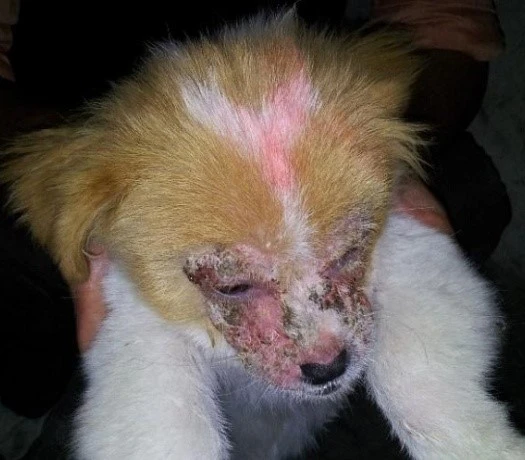
Some products additionally include fipronil combined with S-Methoprene, an insect growth regulator that prevents flea larvae from developing, providing a second level of pest management in addition to killing adult parasites.
Solvent and Carrier Systems for Skin Penetration
Fipronil alone does not distribute uniformly across fur and skin. Thus, formulators make use of carrier solutions, such as light mineral oil and isopropanol. These substances assist the active component to distribute evenly and penetrate the stratum corneum, the outermost layer of skin. Sometimes the mixture contains polyethylene glycol and silicone oil to increase spreadability and lessen the possibility of localised irritation.
The viscosity of the final emulsion is also important. If it is too thick, the liquid will not slide down the skin correctly and if it is too thin, it may run off before absorption. Manufacturers check this balance meticulously throughout manufacturing to ensure a formula that's convenient for pet owners to use at home.
Stabilizers and Preservatives That Protect Shelf Life
Fipronil may be degraded over time by light, heat and oxidation and hence antioxidants, such as BHT, are included in the formulation. Parabens and other preservatives help the dropper bottle stay shelf stable and inhibit microbiological development.
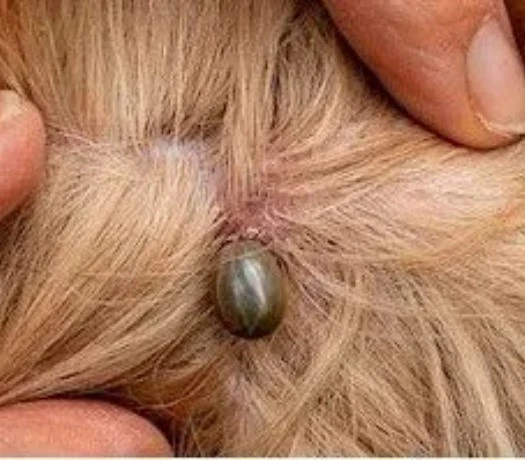
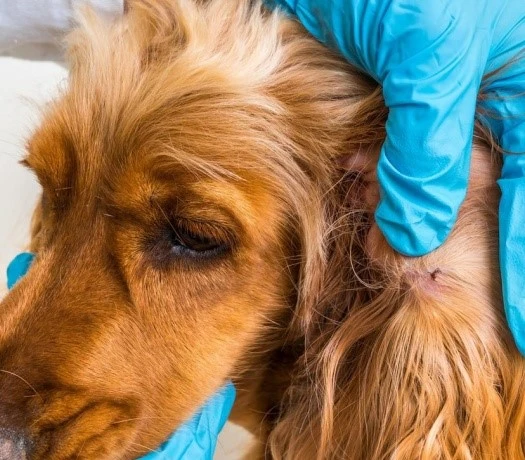
They commonly do accelerated stability testing at 40 °C and 75% relative humidity for 6 months to forecast what a batch would do throughout a multi-year shelf life. A well-formulated fipronil spot-on treatment has a yearly degradation rate of no more than 2%, so pet owners may be certain that a bottle bought today will work comparably to one administered several months later. These quality checkpoints are very important for distributors that keep stock for a long time before it reaches the final client.
How Does Fipronil Spot-On Block GABA-Gated Chloride Channels in Parasites?
The genuine neuronal targeting is what makes fipronil spot-on so powerful. The substance is not a general poison, but rather interferes with a particular communication channel in the neurological systems of fleas, ticks and lice, giving a quick, dependable mortality rate.
Understanding GABA-Gated Chloride Channels in Insect Nervous Systems
Gamma-aminobutyric acid, or GABA, is used by insects and arachnids to modulate neuronal signal transmission. GABA binds to chloride channels in nerve cell membranes and allows chloride ions to enter the cell, quieting neural activity. This procedure maintains the neurological system in check so that it doesn't fire too many nerve messages. Without this control system the nerves of insects would fire in an uncontrolled manner, resulting to hyperexcitation and ultimate bodily collapse.
The Binding Mechanism Behind Fipronil's Neurotoxic Action
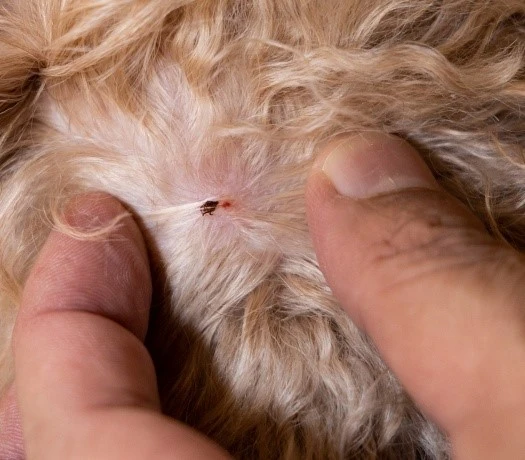
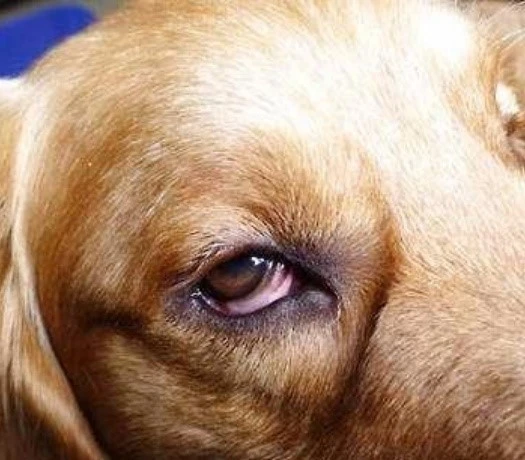
Fipronil binds to these GABA-gated chloride channels and physically prevents the passage of chloride ions into the nerve cell.This obstruction stops the soothing signal from doing its usual job, and keeps the parasite's nervous system in a condition of constant overstimulation. Once contact is made the infected flea or tick suffers uncontrollable muscular spasms, paralysis and finally death within hours. This is why fipronil spot-on has apparent effects very soon after application, killing any existing fleas within 24 to 48 hours. Action quickly is important for pet comfort since persistent infestations lead to discomfort, skin irritation and subsequent consequences.
Why This Mechanism Spares Mammals While Targeting Parasites
The safety issue is often raised: if fipronil interferes with nerve function, why doesn't it have the same effect on cats and dogs?The solution is selectivity at the receptor. human GABA receptors are physically different from those of insects and arachnids, therefore fipronil binds far less readily to human nerve cells. This specific binding affinity means the substance is very poisonous to parasites but has a good safety profile for the host animal when used as directed on the label. The selectivity has been carefully evaluated by the regulatory organisations in the United States, European Union and Japan,
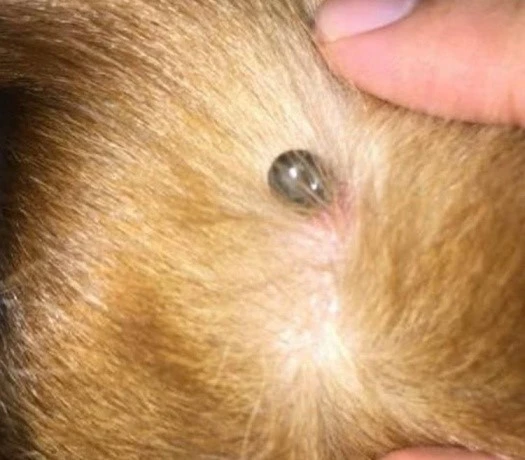
who approve the ongoing use of fipronil products in companion animal care under adequate GMP-certified production settings.
Fipronil Spot-On Absorption and Skin Distribution: How Does the Topical Formula Spread?
When you apply fipronil spot-on, it does not remain just on the surface of the skin. It traverses a biological route of sebaceous glands, hair follicles and natural production of oil on the skin, finally coating the whole body in a protective layer.
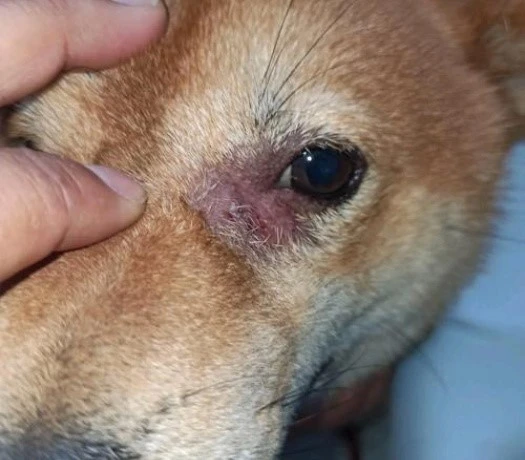
The Role of Sebaceous Glands in Drug Dispersal
The pet owner distributes the liquid between the shoulder blades and the formula then works its way out, utilising the skin's sebaceous glands as a distribution network. These glands naturally create an oily material, called sebum, that covers the surface of the hair shafts and skin. Fipronil is very lipophilic and as such binds well to this sebum and is carried along as it spreads across the body. The active ingredient will go to other parts of the body, as far away as the legs, belly and tail region, within 24 to 48 hours, without the need for reapplication of spot therapy.
Skin Thickness and Penetration Speed Differences
The thickness of skin varies greatly across species and even different locations on the same animal. The thickness of dog skin may be anywhere from around 0.5 to 2 mm . The skin is thicker on the back and thinner on the belly . In general, a cat's skin is thinner, ranging from 0.3 to 1 millimetre, with the neck generally being the thinnest portion. Cats have keratinocyte cells that are closely packed , which would negate the speed benefit of thinner skin . Blood flow also plays a role, since cats tend to have increased localised blood flow that will speed up absorption after the chemical has crossed the keratin barrier.
How Hair Follicle Density Shapes Drug Storage
The hair follicles operate as tiny depots for the spot-on fipronil, storing the chemical and slowly releasing it over time. The average dog has between 30 and 50 hair follicles per cm², while cats have between 50 and 80, with the greatest concentration on the neck and back. It gets into a denser storage network of sites, so the density of the medication is greater in cats. That's part of the reason why the formulae labelled for cats may keep effective residue levels for up to eight weeks, but for dogs it's around six weeks." Further evidence for consistent, persistent release from these follicular reservoirs comes from variations in sebum composition, such as high squalene concentration in cats.
How Does Fipronil Spot-On Maintain Contact Activity Against External Parasites?
Long-term protection is more than just getting people to take up the vaccine. Fipronil spot-on has to be active on the skin surface for weeks, destroying new parasites which try to adhere to the animal continually.
Building a Continuous Protective Barrier on the Skin Surface
The substance spreads in the sebum and penetrates the hair follicles and efficiently produces a thin, invisible film over the whole body surface. This barrier is not readily washed away, so dogs may swim sometimes or be caught in light rain and still be fully protected. The barrier works passively so the parasites don't need to bite the animal to be harmed, but rather are exposed to the active ingredient via contact with the treated skin or hair.
Contact Killing Versus Systemic Absorption
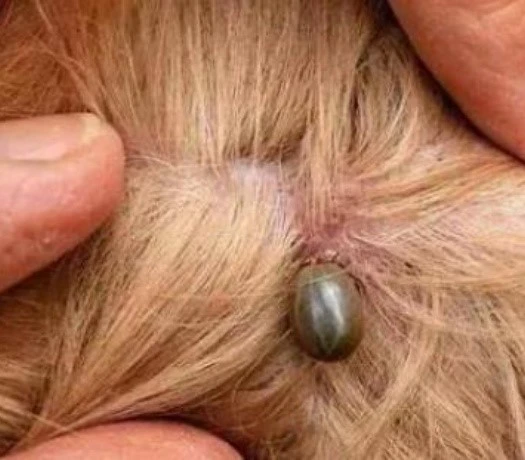
Unlike oral parasiticides that function via the circulation, fipronil spot-on works largely by contact exposure.Fleas , ticks and lice take up the chemical via their exoskeleton or when they try to feed ,

which subsequently interferes with their neurological system as mentioned above . This contact-based technique places less systemic strain on the pet's internal organs since the bulk of the active ingredient stays localised to the skin and coat and is not circulated in substantial proportions in the circulation. This is the preferred mode of administration for many veterinary formulations since it reduces systemic exposure but still gives good parasiticidal effects.
Duration of Efficacy and Reapplication Timing
Standard fipronil spot-on treatments will protect for around four weeks, while optimised formulations with superior solvent systems have extended this window to six or eight weeks in certain brands.
Your pet's application regimen is determined by parasite pressure in your area. In warmer regions, pets may need more treatments during the peak flea and tick seasons. If reapplications are missed as planned, the protective barrier progressively degrades and reinfestation might occur before to the following dosage. Veterinarians often advocate setting calendar reminders to make sure that coverage is continuous throughout the year, especially in areas with mild winters where parasite life cycles don't stop.
Fipronil Spot-On for Cats and Dogs: What Are Its Main Applications?
Cross-species use requires careful calibration, since cats and dogs vary considerably in skin texture, body size and grooming behaviour. Fipronil spot-on manufacturers cater to these discrepancies with specific dose and application instructions.
Dosage Calibration Based on Species and Weight
The feline products usually have a standard dose of 0.5 ml irrespective of the body weight since the skin thickness and follicle density are rather consistent among the cat breeds. The dog formulas are divided into four weight categories: 0.67 millilitre for dogs weighing between 2 and 10 kilograms, 1.34 millilitres for dogs weighing between 10 and 20 kilograms, 2.68 millilitres for dogs weighing between 20 and 40 kilograms and 4.02 millilitres for dogs heavier than 40 kilograms. The tiered technique accounts for the thicker skin and lower natural sebum production in bigger dog breeds to ensure that the dosage administered achieves an appropriate concentration throughout the greater surface area of the body.
Application Site Selection for Safety and Efficacy
Proper positioning has direct impact on safety and efficacy. Veterinary advice is that the solution should be applied to regions rich in hair follicles around the neck and shoulder area of dogs, where the animal cannot readily reach with its tongue. The same positioning reasoning applies to cats, with a focus on areas that the animal can't lick, since intake of topical parasiticides might cause minor gastrointestinal discomfort. Prior to and after treatment, drying of the application site minimises early wash-off of the active ingredient and minimises the possibility of transmission between dogs housed together.
Broader Pest Coverage Beyond Fleas and Ticks
The principal target pests are fleas and ticks but fipronil spot-on also has efficacy against lice and certain kinds of mite. Some combination formulations combine fipronil with other active chemicals like cypermethrin to widen the range of insect coverage. The deworming or pest eradication rates have been reported to be 98% or more in clinical studies. This extended duration of coverage makes fipronil spot-on a flexible option for multi-pet families experiencing differential parasite pressures, especially in locations with ticks that have secondary health issues, which are active for much of the year.
Conclusion
Fipronil spot-on is a science based product for the management of fleas, ticks and other associated external parasites on cats and dogs. Its efficacy is due to a specific mode of action which is based on inhibition of GABA-gated chloride channels in nervous systems of parasites but not in mammalian hosts via receptor selectivities. The solution penetrates the body's sebaceous glands and hair follicles and offers long-lasting protection for many weeks with one application. An understanding of these principles helps buyers, distributors and veterinary experts grasp why quality manufacturing and purity requirements are so important in this product category. Bloomtechz is a trusted partner for those looking for reliable, well-documented formulas, with thorough quality testing.
Frequently Asked Questions
1. Is fipronil spot-on safe for both cats and dogs?
+
-
Yes, if dosed properly for the species. Cats get a set dosage, while dogs get weight-based levels so we can match their skin thickness and body surface area.
2. How quickly does fipronil spot-on start working after application?
+
-
Most formulations begin killing adult fleas in 24 to 48 hours, with whole body dissemination by sebaceous gland dispersion immediately after administration.
3. How long does one application of fipronil spot-on last?
+
-
The normal protection period is around four weeks, but optimised formulae, via the use of improved solvent systems, may increase the effectiveness to six or even eight weeks, depending on the product design.
Partner with Bloomtechz for Reliable Fipronil Spot-On Supply
Bloomtechz offers over a decade of expertise in organic chemical synthesis to the parasiticide manufacturing arena with a GMP certified production facility approved by US, EU, Japanese and Chinese regulatory agencies. Our team provides upfront pricing, triple-stage quality checks and comprehensive ERP-tracked lead times so our partners always know what to anticipate before placing an order. We are a reliable fipronil spot-on supplier for pharmaceutical businesses, research institutions and wholesale distributors looking for a solid supply source. We provide OEM and ODM customisation services. Call us immediately to discuss formulation possibilities, bulk pricing structures, and shipping documents for your market. Start your inquiry by contacting our team at Sales@bloomtechz.com and receive accurate, trustworthy service on the basis of long-term relationship.
References
1. Tomlin, C.D.S. The Pesticide Manual: A World Compendium. British Crop Production Council, 17th Edition.
2. Jeschke, Peter, and Ralf Nauen. "Neonicotinoids-from zero to hero in insecticide chemistry." Pest Management Science, John Wiley & Sons.
3. Zhao, Xilong, et al. "Mechanism of fipronil resistance in insect GABA receptors." Toxicology and Applied Pharmacology, Academic Press.
4. Rust, Michael K. "Advances in the control of Ctenocephalides felis (cat flea) on cats and dogs." Trends in Parasitology, Cell Press.
5. Gupta, Ramesh C. Veterinary Toxicology: Basic and Clinical Principles. Academic Press, 3rd Edition.
6. Hovda, Lynn R., et al. Small Animal Toxicology Essentials. Wiley-Blackwell Publishing.