


Ticks are one of the most constant risks to the health of cats in homes and veterinary practices. They attach to the skin, feed on blood, and may transfer organisms that can affect the health of cats. Compound fipronil drops are a frontline alternative in topical pest control. Pet owners and procurement teams looking for reliable solutions commonly come across compound fipronil drops. The formulation acts via a different metabolic mechanism that specifically targets the nervous system of ticks but does not produce equivalent damage in mammalian hosts. Buyers want to know where the chemical goes across the skin, what kind of parasite it is targeting and how it works. This offers them the knowledge they need before buying huge amounts. In this essay we explore the science, the behaviour of application and the practical advantages that have made fipronil-based formulations a staple of veterinary pest management programs across the globe.
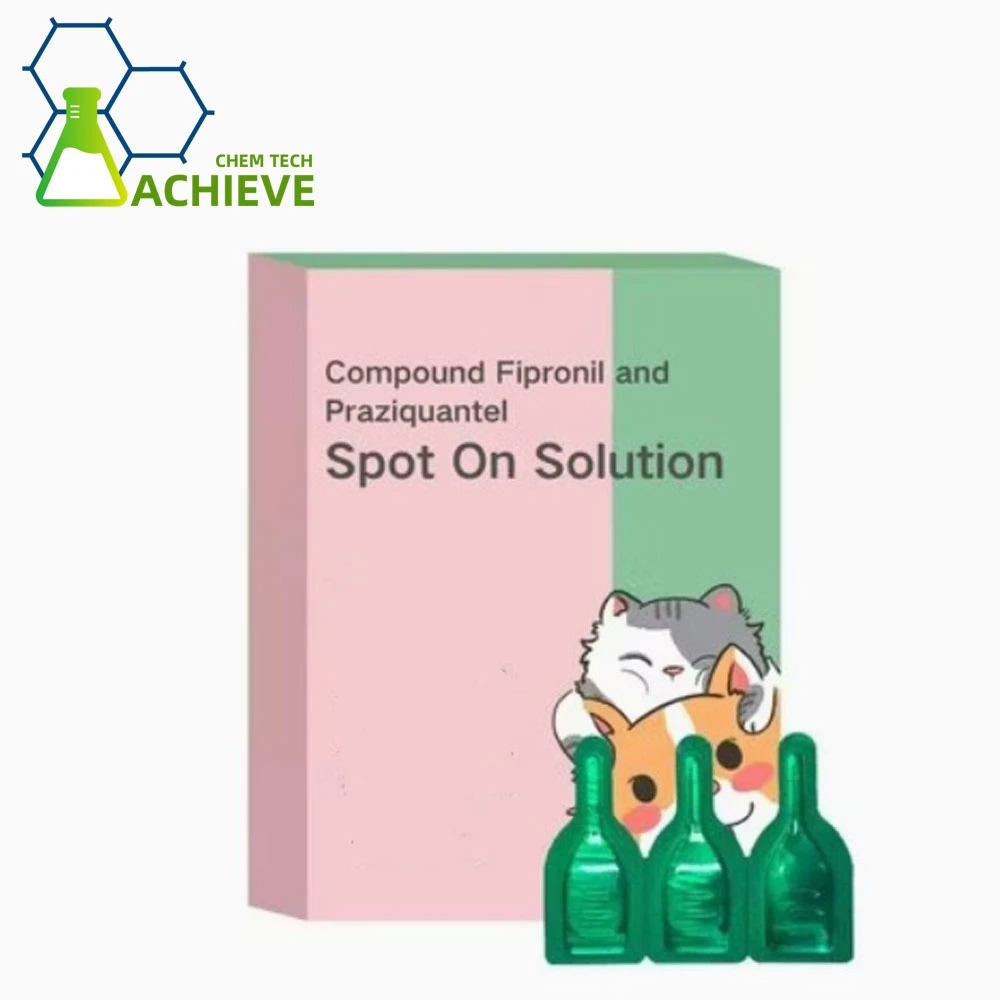
Compound Fipronil And Praziquantel Spot On Solution
1.General Specification(in stock)
(1)Solution
2.Customization:
We will negotiate individually, OEM/ODM, No brand, for secience researching only.
Internal Code: BM-9-022
Compound Fipronil and Praziquantel Spot On Solution
Main market: USA, Australia, Brazil, Japan, Germany, Indonesia, UK, New Zealand , Canada etc.
Manufacturer: BLOOM TECH Xi'an Factory
Analysis: HPLC, LC-MS, HNMR
Technology support: R&D Dept.-4
How Do Compound Fipronil Drops Interfere with Tick Nervous System Function?
Fipronil is a member of the phenylpyrazole chemical family and acts mainly by interrupting the normal transmission of brain signals in arthropods. Compound fipronil drops utilise a structural weakness in the neurological systems of ticks and fleas that is significantly different from mammalian neurology. This explains why the compound is selectively poisonous to parasites, not the host animal.
Neural Transmission Disruption in Arthropod Systems
Chloride ion channels in the tick nervous system are tightly controlled to control excitability of nerve cells. In normal settings these channels enable chloride ions to enter the neurones, damping down electrical activity and helping to keep nerve transmission in balance. The fipronil molecules attach to receptor sites on these channels, thereby blocking almost totally the flow of chloride. Without this regulating input neurones become hyperexcitable, firing frequently and uncontrolled. After a while the parasite's neurological system becomes overwhelmed by the cumulative overstimulation, and paralysis and death soon follow exposure.


Selective Toxicity Mechanisms
One interesting aspect of fipronil chemistry is that it binds far more strongly to insect and arachnid chloride channels than to the corresponding channels in dogs, cats or humans. The molecular arrangement of mammalian GABA receptors is somewhat different, therefore fipronil binds less well, and causes less damage to the host's neurological system. This selectivity is the scientific basis for why compound fipronil drops may be administered directly to cat's skin without producing the same paralytic reaction in ticks.
Onset Speed and Behavioral Changes in Exposed Ticks
You may witness behaviour change within a few hours of a tick coming into touch with treated hair or skin.
Often ticks drop off early, behave abnormally or become immobilised before a feeding cycle is complete. This occurs so rapidly that it decreases the chances of infection transmission, because many of the viruses ticks carry require longer attachment periods to get into the host's bloodstream. Veterinary experts studying the phenylpyrazole compounds have noted this quick neurological disruption as a unique characteristic that separates fipronil from previous generation acaricides that relied on contact-only mechanisms with slower efficacy timeframes.
Compound Fipronil Drops and Tick Control: The Role of GABA-Gated Chloride Channels
Gamma-aminobutyric acid (GABA) is the main inhibitory neurotransmitter in the nervous system of many animals, including ticks. The pharmacological behaviour of fipronil compound drops as a topical acaricide is largely explained by the interplay between GABA receptors and chloride channel activity.
Understanding GABA's Inhibitory Function
GABA molecules connect to receptor proteins on the neurone membranes and open chloride channels enabling negatively charged ions to flow into the cell. The influx stabilises the resting potential of the neurone and acts as a metabolic brake on overactivity. In a healthy tick nervous system, this inhibitory mechanism turns off muscle contractions and sensory responses, allowing the tick to move regularly, feed correctly and react accordingly to its surroundings.
Fipronil's Antagonistic Binding Behavior
Fipronil is a noncompetitive antagonist at GABA receptor sites .
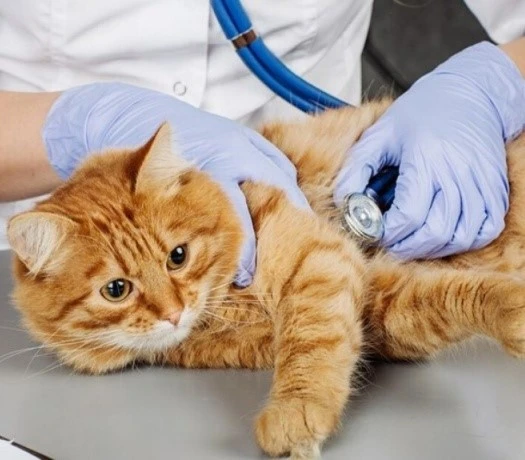

Rather than competing with GABA at the same site , Fipronil physically blocks the pore of the chloride channel . This is important because the channel is still unable to open correctly (even with normal GABA signalling) while fipronil is in its blocking state. The net outcome is chronic neuronal hyperexcitability that GABA alone cannot overcome, regardless of how much neurotransmitter is supplied by neighbouring neurones.
Comparative Channel Sensitivity Across Species
Chloride channel subtype studies in invertebrates and vertebrates have shown that insects and arachnids have a receptor subunit arrangement known as RDL that is especially sensitive to phenylpyrazole drugs.
Mammals have distinct configurations of receptor subunits, which are less sensitive to the chemical structure of fipronil. This difference in channel design is the molecular foundation for the therapeutic margin that enables compound fipronil drops to be marketed for safe topical use on cats while being fatal to attached or crawling ticks. This selectivity based on receptor binding has been confirmed by entomological research published in peer-reviewed pest management publications as a consistent finding in numerous tick species evaluated under laboratory circumstances.
How Does Fipronil Distribution on Cat Skin Support Tick Exposure to Compound Fipronil Drops?
The topical effectiveness is highly dependent on the spreading and persistence of the substance on the skin surface following topical application. The compound fipronil drops are particularly engineered to exploit the physiology of cat skin, enabling the active ingredient to go to places far away from the spot where it was first put.
Sebaceous Gland Reservoir Function
Cat skin has sebaceous glands dispersed throughout the hair follicles, and these glands are essential for the dispersion of fipronil. When applied, the substance does not just rest on the surface . It moves into these glands, acting as delayed release reservoirs. across the next several days, sebum production progressively spreads fipronil across the coat and skin surface, maintaining a protective concentration that ticks encounter on contact.
Lipophilic Properties and Surface Spread
Fipronil is lipophilic, meaning it dissolves well in fats and oils but not in water.This chemical property allows the medicine to pass through the natural lipid layer of the hair and skin,
moving out from the region of application on the shoulder blades toward the extremities, tail and underbelly. This also provides some resistance to light rain or occasional bathing, as lipophilic compounds do not wash off the water quickly. Manufacturers generally recommend avoiding extended contact to water right after application.
Duration of Protective Coverage
Clinical tests on the amount of fipronil in the skin to which it has been administered have shown that detectable remnants remain several weeks following a single treatment.This extended presence is because to the previously described sebaceous reservoir mechanism.
Instead of a sudden emptying, the glands progressively spill out a bit of the material over time . The veterinary dermatology literature has demonstrated that coat quality, washing frequency and skin oiliness may change the rate of redistribution, but the fundamental principle of gradual release is consistent for most healthy cats. This broader window of coverage is part of the reason why compound fipronil drops are advertised as a longer-interval treatment than certain other topical acaricides; other topical acaricides need more frequent application.
Compound Fipronil Drops Against Common Cat Ticks: Species Coverage and Contact Activity
Tick species vary in feeding habits, duration of attachment and habitat choice. Laboratory and field investigations have shown the efficiency of compound fipronil drops against a broad variety of species often seen in domestic cats.
Coverage Against Prevalent Tick Species
Common species used in studies of acaricide effectiveness include the brown dog tick, the American dog tick and the lone star tick. These species vary significantly in the preferred location of attachment and the seasonal pattern of activity but studies assessing the contact toxicity of fipronil have shown similar paralytic and fatal effects upon physical contact with ticks with treated fur. This broad coverage is very important for cats who go outside or in areas where there is a geographic overlap of several tick species.
Contact-Based Rather Than Systemic Mechanism
Fipronil acts via direct contact with the parasite's exoskeleton and subsequently absorption through the tick's own cuticle.
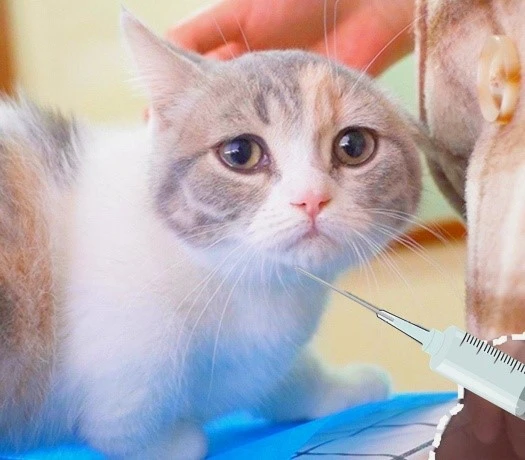

Fipronil acts mostly via touch, unlike other flea and tick medications that are absorbed systemically into the blood stream. The contact-based method argues that neurological damage may occur without the tick biting or feeding, but rather that the tick only crawling over treated fur may be sufficient for appropriate chemical absorption. Entomologists studying the distribution of acaricides have observed that this characteristic is advantageous since it may reduce the period of tick attachment and feeding, thereby reducing the opportunity for disease transmission.
Resistance Monitoring and Longevity of Efficacy
Fipronil has been in use since the 1990s and is a well-established product,
therefore tick populations are still monitored for reduced susceptibility to phenylpyrazole compounds by pest management researchers; this is a standard technique in the acaricide sector. Current monitoring data from veterinary entomology programs do not indicate resistance concerns in the primary tick species of domestic cats, however occasional localised variation in susceptibility has been observed in regions of intensive acaricide use. That constant monitoring is why reputable producers underline the need of using the right frequency and dosage, so that fipronil drops continue to be effective as part of an integrated pest management approach, and not in isolation.
How Do Compound Fipronil Drops Support Continuous Tick Management in Cats?
Sustained tick prevention doesn't come from a single application; it comes from a formulation that may continue to provide protective action for weeks, not days. Compound fipronil drops are formulated for this longevity goal, providing a continuing mechanism of defence against reinfestation.
Residual Activity and Reapplication Scheduling
The sebaceous gland reservoir mechanism as mentioned above typically implies that fipronil-based treatments are suitable with monthly reapplication regimes rather than weekly dose. The extended length decreases handling stress on cats who may be particularly susceptible to repeated topical treatments and compliance for pet owners treating several animals . Veterinary facilities typically have calendar reminders available to coordinate reapplication dates to minimise gaps in protection that may result in the explosion of tick populations during periods of high seasonal activity.
Breaking the Tick Life Cycle


Continued protection is a major factor in preventing the bigger tick life cycle in the home setting. When adult ticks were treated with lethal levels of fipronil before they completed a blood meal, a substantial decrease in their capacity to lay viable eggs was seen. Repeated treatment cycles of the disruption may reduce the environmental tick load surrounding the home, particularly when combined with habitat management efforts, such as trimming vegetation and reducing rodent activity near dwellings. In the area of parasitology, scientists working on integrated pest management have demonstrated that combining acaricides with environmental controls resulted in longer-lasting reductions in tick exposure than chemical treatment alone.
Integration with Broader Parasite Prevention Programs
A lot of veterinary practices utilise fipronil-based spot-on treatments as part of a comprehensive program to avoid parasites that could also be used against fleas, mites and other ectoparasites, depending on the product. Pet owners love this multi-target approach because they don't want to deal with many treatments for each kind of parasite when they can receive them both in one treatment. When sourcing for distribution or veterinary supply chains, procurement teams will often look for compound fipronil drops with proven stability data and consistent manufacturing standards, since product consistency directly affects the reliability of long-term tick management results in different climates and application conditions.
Conclusion
The relevance of compound fipronil drops in veterinary parasitology is related to their particular neurological mechanism, excellent skin dispersion and extensive species coverage against common cat ticks. Its specificity for arthropod chloride channels and its sustained release from sebaceous glands give continuous protection for lengthy periods of time. Understanding these processes can help buyers make more informed sourcing decisions when evaluating topical acaricide options for pharmaceutical, veterinary and speciality chemical uses. Formulation science is just one part of building a solid product pipeline. You also need to have trustworthy supplier relationships.
Frequently Asked Questions
1. Does fipronil harm cats the same way it affects ticks?
+
-
No, fipronil binds to mammalian chloride channels with considerably lower affinity than to arthropod receptors, hence properly designed topical medications are safe for cats when used according to label guidelines.
2. How quickly do compound fipronil drops begin working after application?
+
-
Ticks frequently show symptoms within hours of exposure, but complete dispersion throughout the skin and coat usually takes place over the next day or two when the chemical is redistributed by the sebaceous glands.
3. Can compound fipronil drops address flea infestations alongside ticks?
+
-
Many fipronil-based formulations are also for fleas, since fleas have comparable chloride channel weaknesses, however individual product labelling should always be checked to determine what is covered.
Work with Bloomtechz for Compound Fipronil Drops Supplier Needs
With more than 10 years of expertise in organic chemical synthesis, Bloomtechz specialises in sourcing for pharmaceutical intermediate and fine chemicals. Our manufacturing facilities are GMP certified and approved by US, EU, Japanese and Chinese regulatory agencies. We have a three-tier quality verification method. This consists of factory inspection, internal QA/QC and third-party authority testing. We guarantee that every batch matches the standards in your contract or you get a full refund. We are a certified vendor for 24 global pharmaceutical and R&D companies with transparent pricing and precise lead-time monitoring via our ERP platform. For a trusted bulk order or custom synthesis compound fipronil drops Supplier for your company, contact out to the staff at Sales@bloomtechz.com to discuss specs, paperwork, and shipping logistics that suit your business.
References
1. Narahashi, Toshio. "Neuronal Ion Channels as the Target Sites of Insecticides." Pharmacology & Toxicology, vol. 79, no. 1, 1996.
2. Zhao, Xilong, et al. "Fipronil Is a Potent Open Channel Blocker of Glutamate-Activated Chloride Channels in Cockroach Neurons." Journal of Pharmacology and Experimental Therapeutics, vol. 310, no. 1, 2004.
3. Tomlin, Clive D. S., editor. The Pesticide Manual. British Crop Production Council, 2009.
4. Cole, Lewis M., et al. "Action of Phenylpyrazole Insecticides at the GABA-Gated Chloride Channel." Pesticide Biochemistry and Physiology, vol. 46, no. 1, 1993.
5. Dryden, Michael W. "Flea and Tick Control in the 21st Century: Challenges and Opportunities." Veterinary Dermatology, vol. 20, no. 5-6, 2009.
6. Jongejan, Frans, and Guy Uilenberg. "The Global Importance of Ticks." Parasitology, vol. 129, Supplement S1, 2004.