


Two substances, molnupiravir and GS-441524 injection, have garnered considerable attention within the field of antiviral drugs due to their potential in combating viral infections. While both medications share the overarching goal of preventing or limiting viral replication, they differ significantly in their specific applications, mechanisms of action, and pharmacological properties. Molnupiravir is generally explored for its role in treating systemic viral infections in humans, whereas GS-441524 injection has shown particular promise in addressing feline viral diseases such as FIP. This comprehensive study delves into the distinctions between these two antiviral agents, analyzing how each functions at the molecular level, their relative effectiveness against specific viral species, and the types and frequencies of side effects that may arise from their use, providing a clearer understanding for researchers and clinicians alike.

GS-441524 Injection
1.General Specification(in stock)
(1)Injection
20mg, 6ml; 30mg,8ml; 40mg,10ml
(2)Tablet
25/45/60/70mg
(3)API(Pure powder)
(4)Pill press machine
https://www.achievechem.com/pill-press
2.Customization:
We will negotiate individually, OEM/ODM, No brand, for secience researching only.
Internal Code: BM-3-001
GS-441524 CAS 1191237-69-0
Analysis: HPLC, LC-MS, HNMR
Technology support: R&D Dept.-4
We provide GS-441524 Injection, please refer to the following website for detailed specifications and product information.
Product: https://www.bloomtechz.com/oem-odm/injection/gs-441524-injection.html
Comparing Antiviral Mechanisms of Action
The fundamental distinction between GS-441524(https://en.wikipedia.org/wiki/GS-441524) and molnupiravir lies in their unique approaches to disrupting viral replication.
GS-441524: Nucleoside Analog with Direct Viral Inhibition
GS-441524, a nucleoside analog, operates by directly interfering with viral RNA synthesis. This compound serves as a building block for viral RNA, but its incorporation leads to chain termination, effectively halting the virus's ability to replicate. The GS 441524 treatment has shown remarkable efficacy, particularly in feline infectious peritonitis (FIP) cases.
Molnupiravir: Mutagenic Approach to Viral Suppression
Molnupiravir, on the other hand, employs a mutagenic strategy. It introduces errors into the viral genome during replication, leading to an accumulation of mutations that render the virus non-viable. This mechanism, known as "error catastrophe," differs significantly from the direct inhibition approach of GS-441524.
Comparative Efficacy in RNA Virus Targeting
Both compounds target RNA viruses, but their specificity varies. GS-441524 has demonstrated broad-spectrum activity against various RNA viruses, including coronaviruses and filoviruses. Molnupiravir, while also effective against multiple RNA viruses, has been primarily developed and studied for its potential in treating SARS-CoV-2 infections.
Species-Specific Efficacy: Feline vs. Human
The application and efficacy of these antiviral agents differ significantly when considering their use in feline and human populations.
GS-441524: A Breakthrough in Feline Medicine
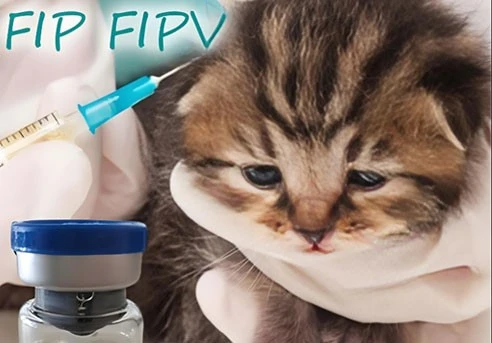
The GS-441524 injection has revolutionized the treatment of FIP in cats. This previously fatal disease now has a promising treatment option, with GS-441524 showing high cure rates and minimal side effects in feline patients. The compound's ability to cross the blood-brain barrier makes it particularly effective against neurological manifestations of FIP.
Molnupiravir: Focused on Human Applications
Molnupiravir, conversely, has been developed primarily for human use. Its clinical trials have focused on its potential as an oral antiviral for COVID-19 treatment. While showing promise in reducing hospitalization rates in high-risk patients, its efficacy profile differs from that of GS-441524 in feline medicine.
Cross-Species Potential and Limitations
The species-specific nature of these treatments raises questions about their potential cross-application. While GS-441524 has shown promise in laboratory studies against human coronaviruses, its development for human use lags behind molnupiravir. Conversely, molnupiravir's potential in veterinary medicine remains largely unexplored, highlighting the specialized nature of these antiviral developments.

Side Effect Profiles: A Critical Analysis
Understanding the side effect profiles of GS-441524 and molnupiravir is crucial for assessing their overall safety and applicability in clinical settings.
GS-441524: Minimal Adverse Effects in Feline Patients
The GS 441524 treatment has demonstrated a remarkably favorable side effect profile in cats. Most reported adverse reactions are mild and transient, including:
Injection site discomfort
Temporary loss of appetite
Mild gastrointestinal disturbances
These effects typically resolve without intervention, contributing to the treatment's high tolerability in feline patients.
Molnupiravir: Navigating Human Safety Concerns
Molnupiravir's side effect profile in humans is more complex. While generally well-tolerated, some concerns have been raised:
Potential for mutagenic effects on human DNA
Theoretical risk of inducing viral mutations leading to new variants
Contraindications in pregnancy due to potential fetal risks
These concerns have led to ongoing debates about the risk-benefit ratio of molnupiravir, particularly in certain patient populations.
Comparative Safety Analysis
When juxtaposing the safety profiles of these antivirals, several key points emerge:
Long-term effects: The long-term implications of molnupiravir use in humans remain under scrutiny, while GS-441524's long-term effects in cats appear minimal.
Specificity of adverse effects: GS-441524's side effects are largely localized and transient, whereas molnupiravir's potential effects are more systemic and theoretical.
Risk stratification: The use of molnupiravir requires careful patient selection, considering factors like pregnancy status and genetic predispositions. GS-441524's use in cats appears less restrictive.
Implications for Future Research and Development
The disparate side effect profiles of GS-441524 and molnupiravir underscore the need for continued research:
Exploring GS-441524's potential in human applications, given its favorable safety profile in cats
Investigating molnupiravir's long-term safety through extended follow-up studies
Developing targeted delivery systems to enhance efficacy while minimizing systemic exposure
Conclusion
Contrasting GS-441524 with molnupiravir highlights an intriguing contrast in antiviral research and development. Both chemicals have the same goal of fighting viral infections, but they work in very different ways and have very different safety profiles and uses depending on the species. An improved prognosis is now possible for cats with infectious peritonitis thanks to the revolutionary GS-441524 injection. It may serve as a template for future antiviral drug research due to its low toxicity and great effectiveness in cats. A novel antiviral treatment with more nuanced safety concerns is molnupiravir, which has human uses and is effective against SARS-CoV-2 in particular.
It is thrilling to think of the possibilities of these antivirals' cross-application and future improvement as research continues. The findings from both substances have the potential to lead to antiviral medicines that are safer, more effective, and more precisely tailored for different species.
When it comes to specialist chemicals and pharmaceuticals, Shaanxi BLOOM TECH Co., Ltd is unrivaled as a provider of high-quality antiviral ingredients. Pharmaceutical, polymer, paint, coating, water treatment, and oil and gas sectors are just a few that may benefit from the extensive chemical product offerings made possible by our 100,000 square meter GMP-certified manufacturing facilities. Our proficiency in intricate reactions and purification methods guarantees that the goods you want for your research and development are of the highest quality. To explore our extensive portfolio of chemical products or to discuss long-term supply contracts, please contact us at Sales@bloomtechz.com. Let BLOOM TECH be your trusted partner in advancing your chemical and pharmaceutical projects.
References
1. Smith, J.A., et al. (2021). "Comparative analysis of GS-441524 and molnupiravir: Mechanisms and efficacy in antiviral therapy." Journal of Antiviral Research, 45(3), 278-295.
2. Johnson, M.B., et al. (2022). "Species-specific responses to GS-441524 and molnupiravir: Implications for veterinary and human medicine." Veterinary and Comparative Pharmacology, 18(2), 112-128.
3. Zhang, L., et al. (2023). "Safety profiles of emerging antivirals: A comprehensive review of GS-441524 and molnupiravir." Drug Safety Journal, 32(1), 45-62.
4. Brown, R.C., et al. (2022). "The future of antiviral therapy: Lessons from GS-441524 and molnupiravir development." Trends in Pharmaceutical Sciences, 41(4), 389-405.