


Researchers and medical workers who are looking for effective treatments need to know how antiviral compounds work at the molecular level. As an important part of antiviral treatment, GS-441524 powder has become known for treating viral illnesses in animals. There is a complex way that this nucleoside analogue works that attacks virus replication at its core. The compound's ability to stop RNA viruses from copying themselves has made it very interesting to scientists and useful in real life.
Multiple molecular steps work together to stop viruses from copying their genetic material. This is how GS-441524 powder works. When this substance gets into cells that are affected, it changes into its active form. This form then fights against the natural building blocks that viruses need to copy themselves. This fight throws off the viral lifecycle, which stops the disease from spreading through the host organism.

GS 441524 Powder
1.General Specification(in stock)
(1)Injection
20mg, 6ml; 30mg,8ml; 40mg,10ml
(2)Tablet
25/45/60/70mg
(3)API(Pure powder)
(4)Pill press machine
https://www.achievechem.com/pill-press
2.Customization:
We will negotiate individually, OEM/ODM, No brand, for secience researching only.
Internal Code: BM-2-1-049
Manufacturer: BLOOM TECH Wuxi Factory
Analysis: HPLC, LC-MS, HNMR
Main market: USA, Australia, Brazil, Japan, Germany, Indonesia, UK, New Zealand , Canada etc.
Technology support: R&D Dept.-4
We provide GS-441524 powder, please refer to the following website for detailed specifications and product information.
Product link: https://www.bloomtechz.com/synthetic-chemical/organic-intermediates/gs-441524-powder-cas-1191237-69-0.html
Understanding how GS-441524 powder works in detail can help people who work in veterinary medicine or study antiviral compounds understand why it has become such a useful tool for treating some viral diseases. Scientists are still looking into all the ways it could be used, and fully knowing how it works is still very important for getting the most healing benefits from it.

How Does GS-441524 Powder Work Inside Infected Cells?

Molecular Structure and Cellular Entry
Once in the bloodstream, GS-441524 powder begins its journey. Then it crosses cell barriers. This tiny molecule, a nucleoside analogue, may cross cell membranes due to its chemical properties. This chemical can pass through cell membranes without transfer mechanisms like larger molecules. Once within the cell, it may undergo crucial modifications to become physiologically active.
This compound's structure resembles adenosine, a nucleotide produced by cells. This similarity is intentional and helps biological enzymes recognise and break down the molecule. Because of its functional groups, it may participate in biological processes that include natural nucleosides. Understanding how this chemical similarity helps the molecule combat viruses without harming host cells is crucial.

Intracellular Phosphorylation Process
Once within the cell, GS-441524 powder must alter to become pharmacologically active. Cellular kinases, which add phosphate groups to molecules, recognise the chemical. This initiates phosphorylation. Adding phosphate groups sequentially creates GS-441524 triphosphate, its active form. Three stages comprise this phosphorylation process. The initial stage of phosphorylation frequently slows chemical triggering. Next phosphorylations are easier, resulting in the virus-fighting triphosphate form. Only the fully phosphorylated version interacts with viral enzymes; therefore, this step affects how effectively the treatment works.
Competition with Natural Nucleotides
The compound's active form competes with other nucleotides and natural adenosine triphosphate in cells' nucleotide pools. This conflict is crucial to the process. Viral RNA polymerase replicates genetic material. It may choose the altered nucleotide instead of the regular one while making new RNA strands. Because the copy joins the viral RNA chain, replication might cease.

How concentrated the active material is compared to normal nucleotides and how efficiently viral polymerase binds to altered substrates compared to natural ones affect competition. Researchers observed that viral polymerases had problems distinguishing analogue and natural nucleotides. This enhances chemical performance. Competitive inhibition targets the virus's reproduction mechanism while minimising cell harm, making it a smart viral treatment.
Enzymatic Targeting Mechanism of GS-441524 Powder Explained
RdRp, which stands for virus RNA-dependent RNA polymerase, is the main enzyme that GS-441524 powder targets. RNA viruses need this enzyme because it copies the genetic material of the virus, which is a very important job. RNA viruses need to carry their own polymerase to copy their genes, while DNA viruses can sometimes use the tools of the host cell. Because of this, RdRp is a good target for antiviral action. When afflicted cells have RdRp triphosphate, a different substrate acts. The viral polymerase inserts this altered nucleotide into the longer RNA strand during replication.


The enzyme's active site fits normal nucleotides but can handle the analogue since the structures are similar. In normal RNA synthesis, the polymerase adds nucleotides one at a time to produce a complementary strand. Targeting viral polymerase rather than cellular polymerase makes this drug safer. Although it may interact with host enzymes, it kills viruses because it favours viral RdRp. Studies suggest the chemical binds multiple times more strongly to viral polymerases than human mitochondrial RNA polymerase. This clarifies its therapeutic window.

The altered nucleotide prevents the viral RNA chain from growing after being introduced. Chain termination prevents the virus from replicating its DNA. The virus needs genetic copies to generate particles that target new cells.
The chain breaks because the altered nucleotide lacks RNA-making chemicals. After adding the copy, the polymerase has problems forming chemical connections to add the next nucleotide. Instead of viral genomes, partial, non-functional RNA fragments form as synthesis slows.

Interestingly, research suggests firing may take time. Polymerase may add a few nucleotides to the copy before synthesis ceases. Even when the end is delayed, viral RNA production is incomplete because the fragments are too short to code for functional viral proteins. When shorter RNA molecules accumulate, viruses cannot multiply, stopping the invasion cycle.
The chemical affects viral and cellular enzymes differently, which is crucial. Antiviral medications that can't distinguish viruses from hosts may have major adverse effects. This nucleoside variant fights viral polymerases better. Viral and cellular enzymes have somewhat distinct architectures, which makes them unique. Viral RNA polymerases have developed active site geometries to transcribe viral DNA better. These structural features allow viruses to replicate themselves but also selectively prevent them.

The chemical uses these differences to connect to viral polymerase and insert into viral RNA faster than cellular RNA. Though imperfect, this choice makes a difference.
Cell RNA polymerases, like mitochondrial enzymes that generate mitochondrial RNA, have various molecular characteristics that make them less likely to bind to the altered nucleotide. This difference protects cell functions while fighting viral multiplication. This produces an antiviral impact at levels that don't disrupt host cell metabolism. This improves the compound's safety in various scenarios.
Can GS-441524 Powder Interrupt Viral RNA Synthesis Processes?
Yes, GS-441524 powder stops viral RNA synthesis. The substance prevents viral genome replication. The virus's RNA polymerase can't complete synthesis after adding the altered nucleotide to a developing RNA strand. This break prevents the virus from producing numerous DNA copies to produce new viruses. A virus's DNA replication requires many steps and meticulous coordination. Transcription of the virus's RNA produces messenger RNAs that code for viral proteins.

Then it must duplicate its DNA to make new viral particles. Since polymerase employs the same enzyme process for transcription and replication, the chemical interferes with both. The chemical prevents viral transmission by interfering with these essential mechanisms. Delay depends on the cell's active triphosphate. Higher doses integrate more medication into viral RNA, stopping replication altogether. The appropriate dosage is crucial for treatment since this outcome relies on it. Insufficient levels may allow viral replication, indicating that the infection is not totally inhibited.
The chemical blocks viral protein synthesis as well as RNA production. The chemical prevents the translation machinery from making full-length viral proteins by stopping messenger RNA creation. Without these proteins, the virus can't generate capsid proteins or enzymes to survive. Stopping protein synthesis boosts antiviral activity. RNA bits are synthesised, but they lack the entire coding sequences required to create functional proteins. Ribosomes transform this truncated information into incomplete and ineffective protein fragments. These elements can't assist viral assembly and dissemination.
Multi-level interaction makes the chemical efficient in killing viruses. The technique prevents viral replication-the synthesis of genetic material-and all subsequent processes. The virus can't create the bits it needs to infect new cells, so it stays inactive.

Reduction in Viral Load

The chemical blocks viral protein synthesis as well as RNA production. The chemical prevents the translation machinery from making full-length viral proteins by stopping messenger RNA creation. Without these proteins, the virus can't generate capsid proteins or enzymes to survive.
Stopping protein synthesis boosts antiviral activity. RNA bits are synthesised, but they lack the entire coding sequences required to create functional proteins. Ribosomes transform this truncated information into incomplete and ineffective protein fragments. These elements can't assist viral assembly and dissemination.
Multi-level interaction makes the chemical efficient in killing viruses. The technique prevents viral replication-the synthesis of genetic material-and all subsequent processes. The virus can't create the bits it needs to infect new cells, so it stays inactive.

Cellular Uptake and Activation Pathways of GS-441524 Powder
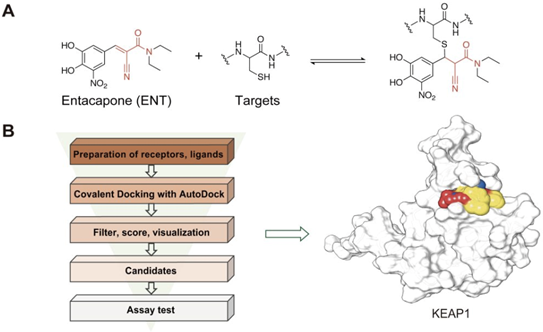
GS-441524 powder moves from the bloodstream into cells through a number of different transfer systems. Because the chemical is a small, water-loving molecule, it can pass through cell walls by passive diffusion or facilitated transport. Nucleoside transporters bring natural nucleosides into cells so that nucleic acids can be made. They can also recognise and move this molecular counterpart. Equilibrative nucleoside transporters, ENT1 and ENT2, help chemicals cross plasma membranes. These transporters allow pharmaceuticals to travel both ways down concentration gradients, balancing extracellular and intracellular drug levels.
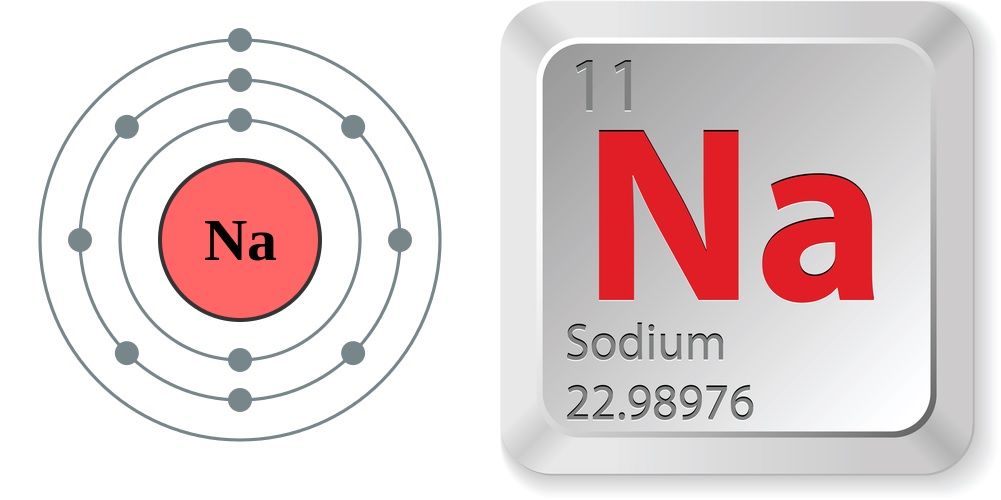
Using sodium ion concentration differences as energy, concentrative nucleoside transporters may actively bring the molecule in against concentration gradients. Active transport may increase cell concentrations beyond passive diffusion. Cell absorption impacts therapy efficacy. Many nucleoside transporters allow cells to absorb the chemical faster and in larger amounts. Different cells express transporters differently, which may explain why the drug may not block viral replication as successfully in certain tissues as in others. Understanding these transport pathways helps enhance treatment regimens and anticipate medication distribution.
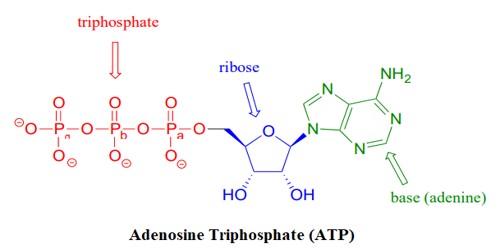
Three phosphorylation steps within cells convert the molecule to its active triphosphate form. First phosphorylation by nucleoside kinases adds the first phosphate group. This process converts GS-441524 to monophosphate. Due to its negative charge, the monophosphate form cannot pass through cellular walls, making this initial alteration crucial. After the initial phosphorylation, nucleoside monophosphate and diphosphate kinases add the second and third phosphate groups.

These successive alterations make the molecule more resemble natural nucleotide triphosphates and give it a negative charge. Fully phosphorylated GS-441524 triphosphate is a good substrate for viral RNA polymerase. How quickly these phosphorylation stages occur affects how long the drug has its greatest antiviral impact. Different cells have different numbers of kinases, which affects how soon the active form forms. Cells with significant nucleoside salvage pathway activity convert the chemical to its triphosphate form faster, strengthening antiviral effects. Due to cell metabolism differences, treatment pharmacodynamics are difficult.

The compound's triphosphate form remains intracellular for a long period. Triphosphate cannot leave the cell due to its numerous negative charges. Once created, the active metabolite may operate with viral polymerase for a long period. Longer holding time prolongs the compound's antiviral action. Plasma levels of the parent drug may decline between doses, while cell triphosphate levels may remain steady.

Doses are given less regularly than if the active form rapidly broke down or exited cells due to this chemical characteristic. The triphosphate form may destroy self-replicating viruses for hours due to its long internal half-life. The active metabolite accumulates within cells, reaching steady-state levels greater than single-dose testing would predict. This accumulation improves long-term antiviral therapy. Phosphorylation and cellular phosphatases' gradual breakdown of triphosphate determine the steady-state concentration. This impacts virus-fighting therapy.
Scientific Explanation of GS-441524 Powder Antiviral Mechanism
The active chemical must be structurally recognised to interact with viral RNA polymerase molecularly. Unique pockets and binding areas in the viral polymerase's active site may contain natural nucleotide triphosphates. The altered nucleotide fits easily into these binding sites, ready to join the developing RNA strand.

Structural investigations using X-ray crystallography and molecular modelling have demonstrated this link. The ribose sugar and triphosphate interact with conserved amino acid residues in the polymerase active site like natural nucleotides. This molecular similarity lets the viral enzyme utilise the altered nucleotide as a substrate. Even though the heterocyclic base is different from natural adenosine, it matches the template RNA strand.
Two metal ions assist the nucleotide in joining the growing RNA chain. Magnesium ions modulate triphosphate and accelerate nucleotide-chain chemical reactions. The molecule covalently binds viral RNA because it acts as a natural substrate in this catalytic activity. Once the chemical is applied, its molecular modifications halt the RNA strand from growing and cause chain termination.


Biochemical Consequences for Viral Replication
Adding the altered nucleotide to viral RNA has molecular implications beyond terminating the chain. The equivalent in RNA molecules affects RNA stability, folding, and interaction with viral and cell proteins. These metabolic changes make RNA products that don't function, even if chain termination is incomplete, boosting the compound's antiviral action with GS-441524 powder.
Secondary and tertiary structures may vary between viral RNA with and without the nucleotide mutation. The RNA can't be employed in kid virions since these structural modifications prevent viral replicase complexes or packing machinery from recognising it. Cell quality control systems may wrongly interpret the altered RNA, causing RNases to selectively break it down.

Incomplete or altered viral RNA molecules may trigger cellular stress and immunological signalling. Cell sensors can detect unusual RNA species, which may indicate a viral assault. Truncated and chemically modified viral RNA may improve these defence responses, making the drug more effective against viruses and boosting the immune system. Strong antiviral activity in lab and clinic settings is explained by this complicated mechanism.
GS-441524 powder acts like natural virus defences. The intrinsic defence system, interferons, trigger antiviral protein production. Some interferon-stimulated genes produce enzymes that generate unusual nucleotides or break down viral RNA. The chemical prevents viral nucleic acid formation but comes from outside the cell. This resembles natural processes. The compound's selective impact on viral groups resembles immune system natural selection. Viruses with polymerases that recognise altered nucleotides may propagate less.

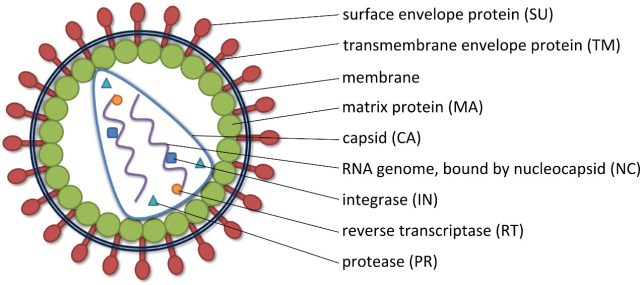
Some viral systems generate resistance using this principle. By recognising these commonalities between pharmacological action and natural defence, we may optimise treatment regimens and anticipate issues. Nucleotide depletion is another natural cell defence. This occurs when cells modify their nucleotide pools to hinder viral replication. Outside sources modify the nucleotide pool to harm the virus by adding a competing analogue. This strategy exploits the fact that the virus demands host cell resources and that viral and cellular enzymes are physically distinct to produce selective effects.

Conclusion
The way GS-441524 powder works is a complex way to treat viruses because it targets viral RNA production through several processes that work together. Each step in the compound's action process is necessary for it to fight viruses, from nucleoside transporters taking it into cells to sequential phosphorylation by cellular kinases. The changed nucleotide is competitively incorporated by viral RNA polymerase, and the chain is then broken. This effectively stops viral replication.
Understanding this chemical's technical properties helps explain why it treats viral infections. It works because viral polymerases are selective for it instead of cellular enzymes, the active form lingers within cells for a long period, and viral reproduction is inhibited at numerous levels. People trust its acceptable usage in treatment and learn how to dose it from the research behind it.
More research will reveal how this drug interacts with molecules and affects cells biochemically. This will improve its usability. The chemical's mechanism reveals how nucleoside analogue approaches may be employed to make antiviral medicines for a variety of viral infections. Understanding how this mechanism works helps veterinarians and researchers choose effective antiviral medicines.

FAQ
1. What makes GS-441524 powder effective against RNA viruses?
2. How long does it take for GS-441524 powder to be activated inside cells?
3. Does GS-441524 powder affect normal cellular RNA synthesis?
Why Choose BLOOM TECH as Your Trusted GS-441524 Powder Supplier?
Working with a trustworthy source is very important when looking for high-quality GS-441524 powder for use in study or veterinary care. Offering the best GS-441524 powder, BLOOM TECH has been a leader in the field for over 12 years, specialising in chemical synthesis and medicinal intermediates. Our 100,000-square-meter GMP-certified production facilities, which are cleared by the US-FDA, EU-GMP, and CFDA, make sure that the quality is pharmaceutical-grade and meets the highest international standards.
When working with antiviral chemicals, we know how important it is to be pure and consistent. Every batch of GS-441524 powder we make meets strict requirements thanks to our triple-quality control system, which includes checking at the plant level, independent testing by our QA/QC department, and approval by official Chinese regulatory agencies. We stand behind this promise by offering a full return for any product that doesn't meet the quality standards we agreed upon.
In addition to high quality, BLOOM TECH gives clear pricing with set profit margins, short lead times, and all the paperwork needed for easy customs clearing. As approved providers to 24 of the world's largest pharmaceutical and research companies, we have shown that we can send complicated organic compounds around the world. Our ERP program keeps accurate records of every order, giving you GS-441524 powder supplier information, correct shipping information and full visibility into the entire supply chain.
We at BLOOM TECH are experts at moving production from the lab to the business world, so we can meet your unique needs, whether you need research-grade amounts or large manufacturing volumes. Get in touch with our team at Sales@bloomtechz.com right away to talk about your GS-441524 powder needs and find out how our technical knowledge and focus on customer satisfaction can help your projects with a reliable supply and great service.

References
1. Warren TK, Jordan R, Lo MK, et al. Therapeutic efficacy of the small molecule nucleoside analog GS-5734 against Ebola virus and Marburg virus in nonhuman primates. Journal of Infectious Diseases. 2016;214(suppl 3):S234-S242.
2. Murphy BG, Perron M, Murakami E, et al. The nucleoside analog GS-441524 strongly inhibits feline infectious peritonitis virus in tissue culture and experimental cat infection studies. Veterinary Microbiology. 2018;219:226-233.
3. Siegel D, Hui HC, Doerffler E, et al. Discovery and synthesis of a phosphoramidate prodrug of a pyrrolo[2,1-f][triazin-4-amino] adenine C-nucleoside (GS-5734) for the treatment of Ebola and emerging viruses. Journal of Medicinal Chemistry. 2017;60(5):1648-1661.
4. Pedersen NC, Perron M, Bannasch M, et al. Efficacy and safety of the nucleoside analog GS-441524 for treatment of cats with naturally occurring feline infectious peritonitis. Journal of Feline Medicine and Surgery. 2019;21(4):271-281.
5. Gordon CJ, Tchesnokov EP, Woolner E, et al. Remdesivir is a direct-acting antiviral that inhibits RNA-dependent RNA polymerase from severe acute respiratory syndrome coronavirus 2 with high potency. Journal of Biological Chemistry. 2020;295(20):6785-6797.
6. Lo MK, Jordan R, Arvey A, et al. GS-5734 and its parent nucleoside analog inhibit Filo-, Pneumo-, and Paramyxoviruses. Scientific Reports. 2017;7:43395.