


Trilostane tablets are widely established in veterinary and clinical medicine, especially for the treatment of disorders arising from an excess of adrenal hormones. If you ever wondered how one single medicine might treat hyperactive adrenal glands, it's a precise and intricate molecular process. We will talk about how do they work at the molecular scale, why it is significant for practical results and why is this molecule such a dependable pharmacological tool.
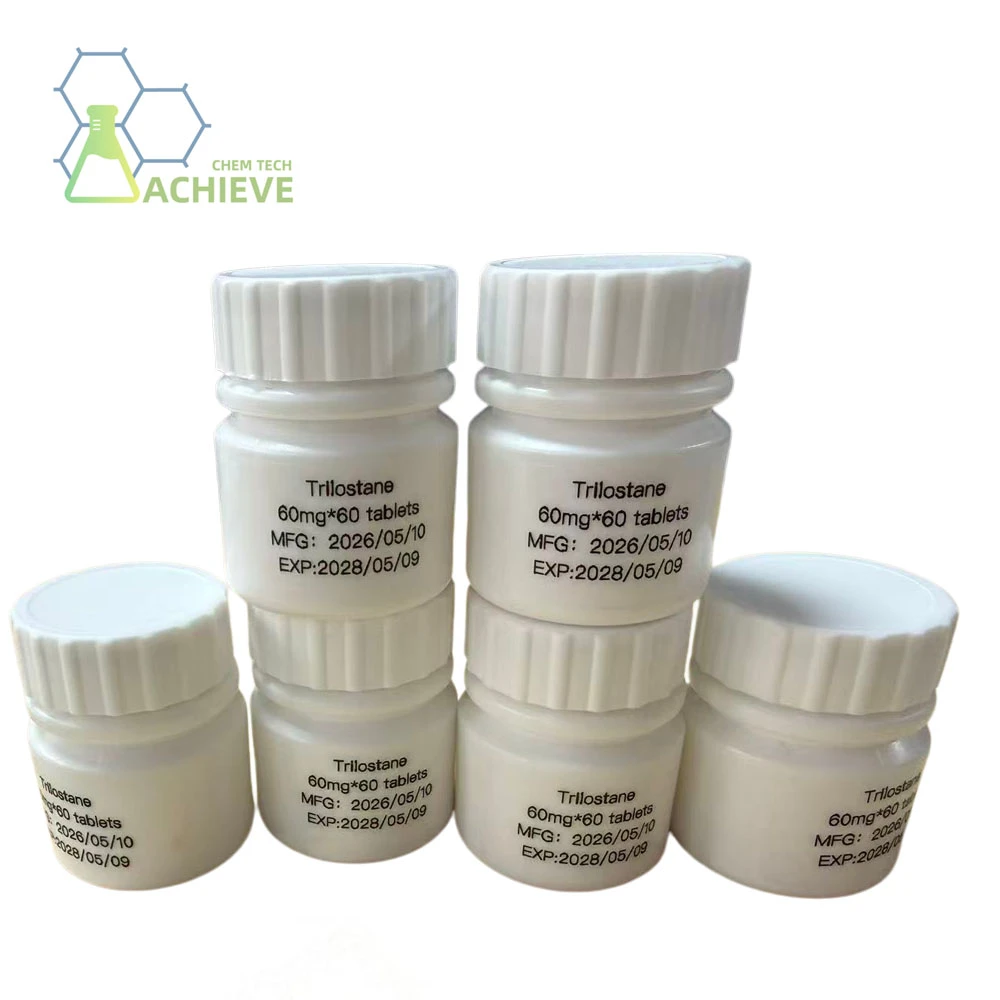
Trilostane Tablets
1.General Specification(in stock)
(1)Injection
Customizable
(2)Tablet
Customizable
(3)API(Pure powder)
PE/Al foil bag/ paper box for Pure powder
HPLC≥99.0%
(4)Pill press machine
https://www.achievechem.com/pill-press
2.Customization:
We will negotiate individually, OEM/ODM, No brand, for secience researching only.
Internal Code: BM-2-016
Trilostane CAS 13647-35-3
Analysis: HPLC, LC-MS, HNMR
Technology support: R&D Dept.-4
How Do Trilostane Tablets Inhibit Adrenal Steroid Synthesis?
The adrenal cortex produces steroid hormones constantly that control metabolism, fluid balance and stress response. If this production is not regulated, very dangerous hormonal abnormalities happen. Trilostane pills work by entering the process of biosynthesis and putting the brakes on at a critical enzyme junction.
The Steroidogenesis Cascade and Where Trilostane Intervenes
Steroidogenesis is the metabolic process of converting cholesterol into active steroid hormones. This is performed by many enzymatic routes, each catalysed by a different protein. Trilostane inhibits the early step in this cascade in which delta-5 precursor steroids are converted into delta-4 derivatives. Inhibiting this conversion leads to a large reduction in the downstream generation of cortisol and aldosterone,

allowing for hormonal suppression without the destruction of adrenal gland tissue.
Reversible Inhibition as a Safety Feature
A major therapeutic property of trilostane is that it reversibly inhibits adrenal steroidogenesis. Trilostane is a reversible competitive inhibitor and does not have the long-lasting impact on enzyme activity that other pharmacologic drugs have. This reversibility means that physicians may titrate dosages, and even discontinue drugs temporarily or completely without damaging the adrenal glands. The structure of the adrenal cortex is conserved throughout medication, hence dose titration is possible in long-term therapeutic regimens.
Trilostane Tablets and the 3β-HSD Enzyme Pathway
Trilostane Tablets have partner Δ5,4-isomerase enzyme in adrenal steroidogenesis.
Together these two proteins convert pregnenolone to progesterone, DHEA to androstenedione and 17-hydroxypregnenolone to 17-hydroxyprogesterone. Trilostane pills are acting pharmacologically by blocking both processes at the same time.
Why 3β-HSD Is the Preferred Target
Targeting 3β-HSD is strategically logical since it is upstream in the steroidogenesis cascade. Reducing activity at this junction prevents the production of numerous downstream steroids all at once, rather than suppressing each product individually. The suppression of 3β-HSD has been shown in research of endocrinology published in peer-reviewed journals to have a quantitative, dose-dependent reduction in cortisol and aldosterone secretion.
This upstream limitation also results in the accumulation of precursor hormones in proximity to the enzyme block, which may be a useful clinical marker for monitoring.
Molecular Binding and Structural Specificity
The structure of trilostane is similar to that of the natural substrates of 3β-HSD and may explain the exceptional affinity of this compound for the active site of the enzyme. The chemical structure is consistent with the enzyme as a competitive inhibitor with the cyano at C-2, the epoxide at 4alpha and 5alpha and the steroidal backbone. Trilostane's structural selectivity means it normally does not interfere with other enzyme systems throughout the body and seems to act where it is required.
How Trilostane Tablets Reduce Cortisol Production in Dogs
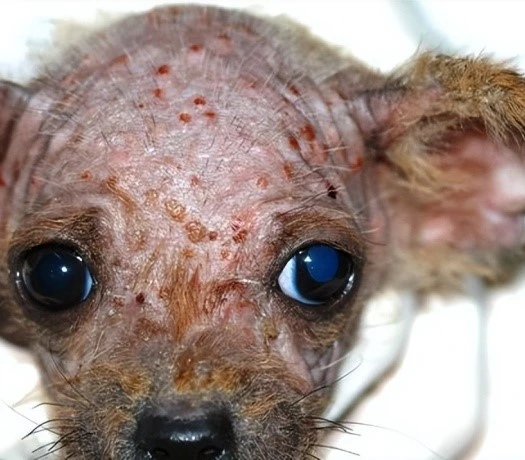
Canine hyperadrenocorticism, often known as Cushing's disease, is a disorder that involves chronically elevated cortisol levels. Clinical signs: Fatigue Hair loss Pot-bellied appearance Polyuria/polydipsia Trilostane tablets are one of the most prominent medications used in veterinary treatment for this illness.
The Dose-Response Relationship in Canine Patients
The effects of trilostane in dogs are dose-dependent and highly correlated with body weight. The initial quantity of veterinary regulations is typically careful due to upward titrations based on cortisol monitoring tests, notably the ACTH stimulation test done 4–6 hours after birth. In clinical trials, almost 80% of dogs treated with trilostane saw a significant reduction in cortisol levels and resolution of clinical symptoms during the first few weeks of treatment.

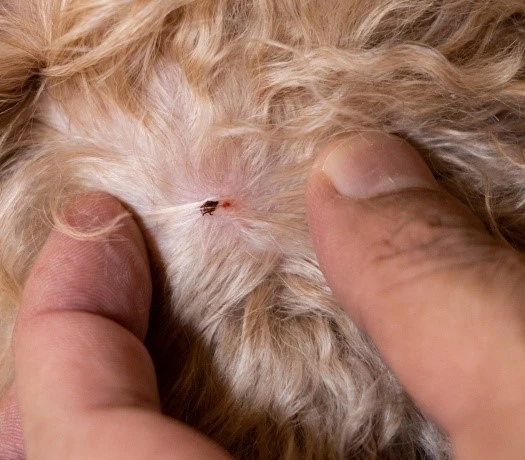
You will be asked to return in 10 to 14 days after taking the drug so that the doctor may decide if any change in dose is required.
Monitoring Protocols That Support Safe Use
Trilostane suppresses the production of cortisol. We want to be cautious not to suppress the adrenal gland too much and have signs of adrenal insufficiency, so we have to be watching this continually. Usually the clinicians would look at the electrolyte panels, clinical symptoms and ACTH stimulated cortisol together. If the cortisol levels following ACTH are lower than intended, a decrease of the dose or temporary withdrawal is necessary. Due to the strict monitoring procedures, trilostane is not a dangerous intervention but a feasible long-term treatment.
Trilostane Tablets and Hormonal Control in Canine Hyperadrenocorticism
In hyperadrenocorticism, trilostane inhibits 3β-HSD and decreases synthesis of cortisol and aldosterone. Aldosterone, which is responsible for the balance of potassium and sodium, when disrupted, may increase the signs of hyperadrenocorticism. Trilostane pills have a more comprehensive hormonal correction than drugs which block just one steroid since it affects both cortisol and aldosterone production.
Pituitary-Adrenal Axis Recalibration
So, when trilostane is given, the hypothalamic-pituitary-adrenal (HPA) axis will release more adrenocorticotropic hormone (ACTH) in an effort to increase cortisol due to the decreased synthesis of cortisol by the adrenal glands. Clinicians should include compensatory input in assessing monitoring findings.
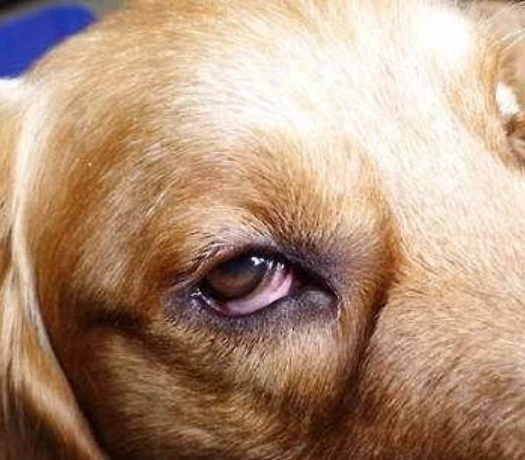
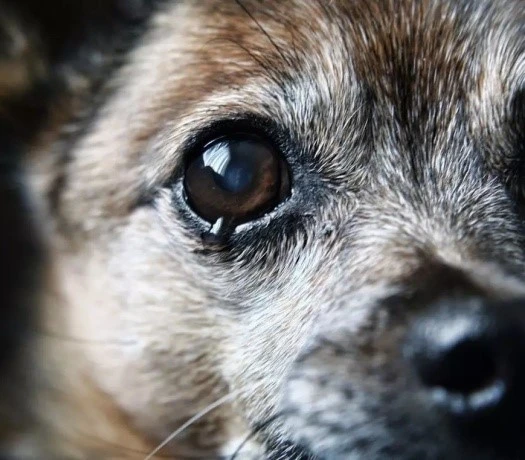
Trilostane is a reversible partial inhibitor of the enzyme, which allows the adrenal gland to react to ACTH stimulation and so offers a functional safety margin. The collaboration of the pituitary and adrenal glands is a sine qua non in the exact management of dose regimens.
Electrolyte Homeostasis Under Therapy
Aldosterone works directly on the kidneys to help you get rid of potassium and hold onto salt. Trilostane may cause a little increase in potassium and a reduction in sodium owing to reduced production of aldosterone, however this is occasionally not the case. Electrolyte monitoring should be performed regularly as part of the therapy plan, particularly in dogs with concomitant renal impairment.
Having a complete understanding of this second step is essential to understanding why trilostane should never be used without proper laboratory monitoring.
Why Does the Mechanism of Trilostane Tablets Matter for Cushing's Management?
Understanding how trilostane tablets work is not just an academic exercise but also has ramifications for how clinicians prescribe, monitor, and alter trilostane medicine. This molecular knowledge of the drug may be used by the clinician in titrating dosages to predict possible adverse effects and early indicators of oversuppression.
Translating Biochemistry Into Clinical Decision-Making
If the vet knows that trilostane is a reversible inhibitor of 3β-HSD farther down the steroidogenesis pathway, they can anticipate which dogs will react quickly and which will need greater dosages. Other factors influencing pharmacodynamic results include co-administered medicines, hepatic metabolic rates and differences in enzyme expression. This mechanical transparency allows more exact and effective planning of therapy.
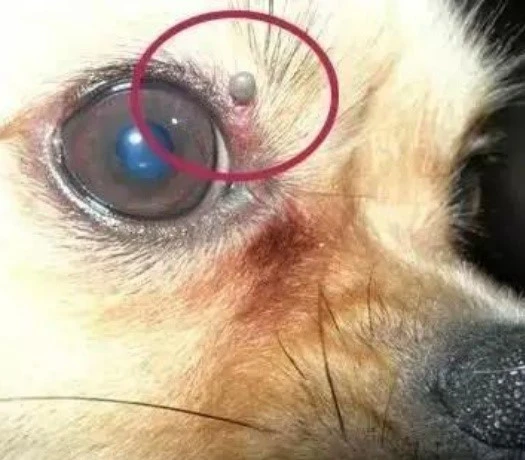
Implications for Long-Term Safety Profiles
Monitoring of cumulative effects of long-term trilostane on adrenal function is required. In most situations the inhibition is reversible thus the adrenal cortex does not permanently shrink. Studies of dogs treated with trilostane for 12 to 24 months indicate that the adrenal glands retain most of their structure and fundamental function. The reversible nature of 3β-HSD inhibition gives trilostane a long-term safety profile that differentiates it from more aggressive pharmacologic therapies, making it an attractive therapy option for chronic illness.
Conclusion
Trilostane tablets are specific, reversible inhibitors of the enzymes 3β-HSD and Δ5,4-isomerase, and reduce synthesis of adrenal cortisol and aldosterone. With its precision of mechanism, trilostane is a vital drug for canine Cushing's syndrome and other hormonal illnesses. Knowing how a pharmaceutical works at the level of enzymes helps scientists and medical personnel to use it more efficiently, evaluate outcomes more intelligently and give better therapy. Understanding the science that underlies the pill is important for veterinary experts, procurement specialists, and pharmaceutical producers.
Frequently Asked Questions
Q1: Are trilostane tablets safe for long-term use in dogs?
+
-
Clinical results from trials of up to 24 months duration suggest that trilostane is typically well tolerated with careful monitoring. Its enzyme inhibition is reversible, and so integrity of adrenal glands is retained in long-term therapy. Routine ACTH stimulation tests and electrolyte monitoring should be continued throughout the course of therapy as a precaution.
Q2: How quickly do trilostane tablets begin working in dogs with Cushing's syndrome?
+
-
Most dogs will have a noticeable decrease in cortisol levels during the first two weeks of medication. Visible clinical changes, including decreased water consumption, greater energy and better coat quality, are frequently seen between four to eight weeks. Follow-up examination after 10–14 days after starting treatment is helpful to identify whether initial dosage modifications are necessary.
Q3: What distinguishes trilostane from other adrenal-targeting treatments?
+
-
The major benefit of trilostane is that it is reversible. It is a competitive inhibitor of 3β-HSD without the irreversible destruction of adrenal tissue, thereby allowing dosage flexibility and a considerable safety margin. This differentiates it from medicines that induce permanent adrenal cytotoxicity and makes it a favoured choice for continuing disease treatment.
Partner With Bloomtechz - Your Trusted Trilostane Tablets Supplier
For pharmaceutical-grade trilostane tablets for veterinary or research use, Bloomtechz offers the accuracy, compliance, and dependability your business requires. Bloomtechz is a competent provider of trilostane tablets based in a GMP certified manufacturing plant of 100,000 square meters, completely accredited by US FDA, EU GMP, JP and CFDA standards. The team has more than 12 years of expertise in synthesis of organic compounds and pharmaceutical intermediates, and each batch is subject to strict triple-layer quality control, including factory inspection, in-house QA/QC review, and third-party authority verification. Bloomtechz supports customised requirements such as 5 mg, 10 mg, 20 mg, 30 mg and 60 mg dose forms and OEM / ODM. Get in touch with us immediately for a precise estimate, lead time and quality documents customised to your needs.
Contact the team directly: Sales@bloomtechz.com
References
1. Neiger, R., Ramsey, I., O'Connor, J., Hurley, K. J., & Mooney, C. T. (2002). Trilostane treatment of 78 dogs with pituitary-dependent hyperadrenocorticism. Veterinary Record, 150(26), 799–804.
2. Ruckstuhl, N. S., Nett, C. S., & Reusch, C. E. (2002). Results of clinical examinations, laboratory tests, and ultrasonography in dogs with pituitary-dependent hyperadrenocorticism treated with trilostane. American Journal of Veterinary Research, 63(4), 506–512.
3. Potts, G. O., Creange, J. E., Harding, H. R., & Schane, H. P. (1978). Trilostane, an orally active inhibitor of steroid biosynthesis. Steroids, 32(2), 257–267.
4. Feldman, E. C., Tyrrell, J. B., & Bohannon, N. V. (1992). The synthetic ACTH stimulation test and measurement of endogenous plasma ACTH levels: Useful diagnostic indicators for adrenal disease in dogs. Journal of the American Animal Hospital Association, 28(4), 460–467.
5. Burkhardt, W. A., Boretti, F. S., Reusch, C. E., & Sieber-Ruckstuhl, N. S. (2013). Evaluation of baseline cortisol, endogenous ACTH, and cortisol/ACTH ratio to monitor trilostane treatment in dogs with pituitary-dependent hyperadrenocorticism. Journal of Veterinary Internal Medicine, 27(4), 919–923.
6. Cook, A. K., & Bond, K. G. (2010). Evaluation of the use of baseline cortisol concentration as a monitoring tool for dogs receiving trilostane as a treatment for hyperadrenocorticism. Journal of the American Veterinary Medical Association, 237(7), 801–805.