


Ticks are a constant hazard to companion animals and cattle worldwide, transmitting infections that impact on health and welfare. Fipronil spot-on treatments are among the best treatments for acaricides nowadays since they work specifically on the neurological system of these parasites. Understanding the scientific basis for its efficacy helps pet owners, veterinary experts and distributors understand why the chemical remains a fundamental component of parasite control programs globally. The article describes how fipronil disrupts the neuromuscular system, affecting chloride ion channels, locomotion, eating behavior, and attachment ability of different tick species. Readers will learn about the science that behind fipronil spot-on products and the need of choosing a reputable provider to get dependable, measured outcomes in pest control applications.
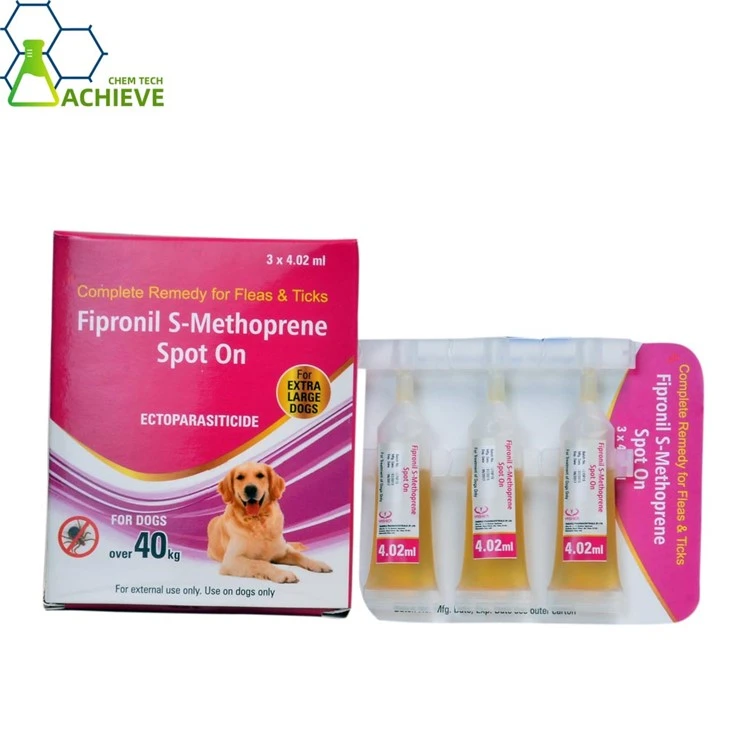
Fipronil Spot-On
1.General Specification(in stock)
(1)API(Pure powder)
PE/Al foil bag/ paper box for Pure powder
(2)Spot-On
cat:0.5ml
dog:0.67ml:2-10kg/1.34ml:10-20kg/2.68ml:20-40kg/4.02ml:40-60kg
(3)Solution
(4)Drops
2.Customization:
We will negotiate individually, OEM/ODM, No brand, for secience researching only.
Product Code:BM-9-018
Fipronil CAS 120068-37-3
Analysis: HPLC, LC-MS, HNMR
Technology support: R&D Dept.-3
How Does Fipronil Spot-On Affect the Neuromuscular Coordination of Ticks?
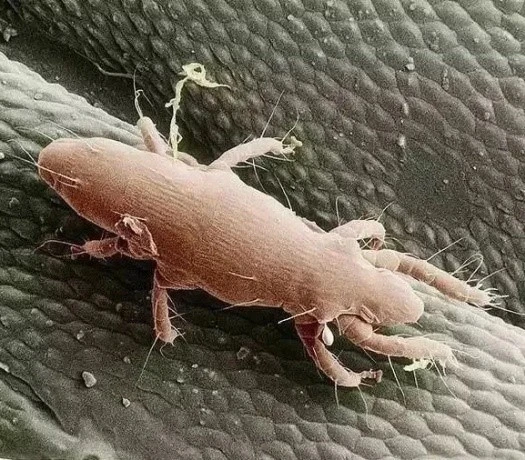
A finely tuned dance of electrical and chemical signals is used by ticks to coordinate movement, sensory perception and eating. If a tick picks up fipronil by contact with treated hair or skin , the balance is shifted very instantaneously , and symptoms may vary from twitching to total paralysis .
The Role of GABA Receptors in Tick Nervous Systems
Gamma-aminobutyric acid, or GABA for short, is the principal inhibitory neurotransmitter in arthropod nervous systems. In ticks, GABA receptors govern the movement of chloride ions across neuronal membranes, maintaining a steady resting potential that permits the neurons to fire in a regulated, orderly manner. Fipronil binds very specifically to these GABA-gated chloride channels, preventing their normal activity, leading to an over-accumulation of excitatory impulses inside the neural tissue.
The binding affinity is drastically different between arthropod and mammalian GABA receptors. This is why fipronil spot-on treatments exhibit selective toxicity against parasites,
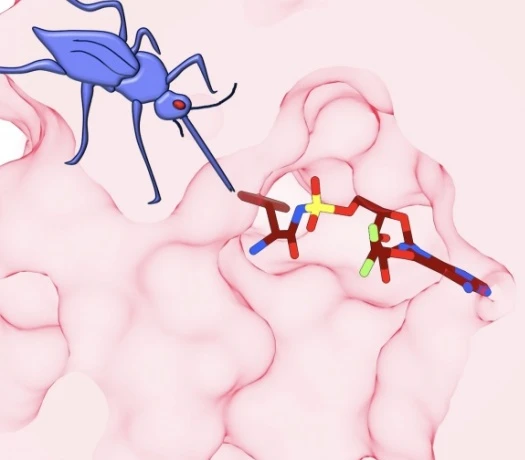
but are rather safe for treated dogs when used as directed on the label.Phenylpyrazole compounds have been studied by researchers and it has been shown that this receptor specificity is the reason for the acaricidal fame of fipronil in veterinary parasitology.
Observable Symptoms of Neuromuscular Disruption
When fipronil disrupts the control of chloride channels, the afflicted ticks undergo a series of recognizable behavioral changes. The first sign of hyperexcitability is the uncoordinated movement of legs and zig-zag walking. The longer the exposure the stronger the muscle tremors get . This usually leads to apparent convulsions which make it difficult for the parasite to hold on to host tissue .
Laboratory data reveal that these symptoms always increase within hours of contact exposure, however the total paralysis and fatality timetables vary with tick species, developmental stage and ambient temperature. Usually nymphs and larvae die quicker than engorged adult females because of variations in cuticle thickness and metabolic rate.
Why This Mechanism Matters for Long-Term Control
The neuromuscular route that is the focus of the fipronil spot-on formulations has the benefit over therapies based only on contact knockdown effects. Ticks can't simply escape exposure by changing their behavior, since the substance disturbs a fundamental physiological mechanism, rather than just covering the exoskeleton.
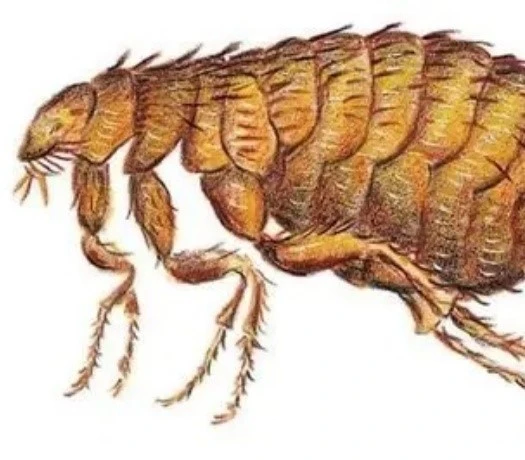
This action has kept fipronil relevant in integrated pest management programs for over two decades and has supported its continued presence in veterinary-approved acaricide formulations in multiple regulatory jurisdictions, including those recognized by international GMP certification bodies.
Fipronil Spot-On and the Disruption of Chloride-Dependent Nerve Signaling in Ticks
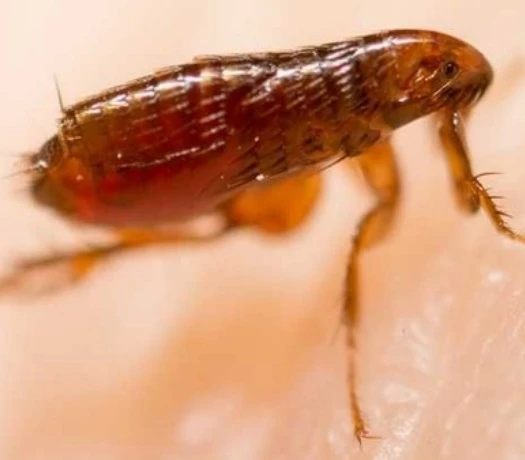
The biochemistry of the chloride channels explains the dramatic consequences of interfering with their function for parasite life. Fipronil-induced ion channel blocking is a very specific sort of neurotoxic activity that sets phenylpyrazole chemistry apart from traditional acaricide classes .
Chloride Channel Blockade Explained
In healthy neurons, the inward influx of chloride ions via GABA-gated channels dampens excessive electrical activity. This influx of positive charge stabilizes the neuron's membrane potential and prevents the uncontrolled firing that would otherwise deplete the nervous system. Fipronil physically blocks these channels, preventing chloride ions from entering the cell as they normally would.
Without this regulating influx, neurons in the central nervous system of the tick fire away without limitation. The continued hyperactivity quickly uses up the energy stores in the cell and leads to the familiar sequence of tremors then paralysis, as described in tests of acaricide effectiveness by veterinary parasitology experts.
Comparing Fipronil to Other Chloride Channel Modulators
Many acaricidal and insecticidal chemicals target chloride channels but fipronil is unique in this chemical class in terms of its binding properties. Unlike the avermectin-related drugs that activate the glutamate-gated chloride channels, fipronil exclusively antagonizes the GABA receptors, leading to excitatory rather than inhibitory downstream effects. The practical consequence of this difference is that cross-resistance between these two mechanisms is still quite rare and fipronil spot-on treatments may still be used in locations where other types of acaricides have lost potency.
Entomological resistance monitoring studies have followed the performance of phenylpyrazoles across numerous populations of ticks,
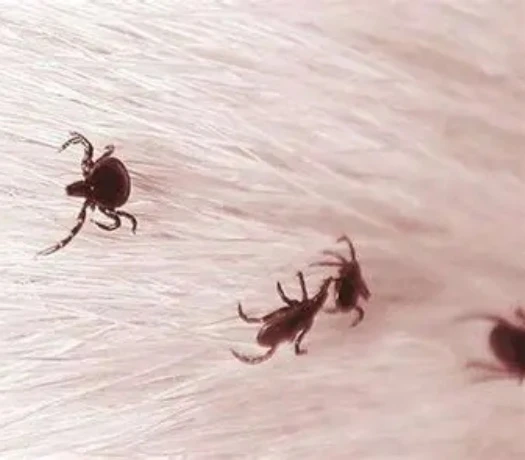
with the overall finding of continued sensitivity when drugs are treated appropriately and at specified intervals. This consistency gives veterinary doctors the confidence to now suggest fipronil-based therapies as part of normal parasite prevention programs.
Impact on Tick Reproductive and Developmental Stages
Disruption of chloride channels also affects developmental stages other than the adult tick. Exposure at the nymphal or larval stages often hinders effective molting, halting the parasite's life cycle before it reaches reproductive maturity. When engorged females have been subjected to sublethal amounts in controlled laboratory conditions, they've shown decreased egg viability.Fipronil's effects on the neuromuscular system have ramifications for the next generation.
This wider lifetime effect adds to the argument for fipronil spot-on treatments as a component of general flea and tick control regimens, as control of the adult parasites alone without control of the embryonic stages often leads to partial control of the infestation. This two-stage sensitivity is exactly why veterinary formulation experts so often mix fipronil with growth regulators like as S-methoprene to create synergistic medicines that disrupt reproduction as well as exerting direct neurotoxic effects.
How Does Fipronil Spot-On Interfere With Tick Movement and Attachment?
In addition to cellular neurotoxicity, fipronil spot-on treatments have observable, functional effects for tick movement and host attachment. These behavioral disturbances are the practical embodiment of the biochemical processes discussed above, turning laboratory discoveries into real-world pest control results.
Loss of Coordinated Leg Movement
Accurate coordination of their legs is necessary for ticks to find hosts, crawl on plants and orientate toward exposed skin surfaces. Fipronil exposure causes persistent brain hyperexcitation that scrambles the signaling channels for this coordination. Affected ticks jitter around directionless, which impedes efficient questing activity - the way ticks stretch their forelegs to identify approaching hosts.
Studies in the field and in controlled chambers have shown that ticks contacting the fipronil residues on treated fur often drop off the host before they can attach effectively, hence disrupting the feeding process at the earliest stage.
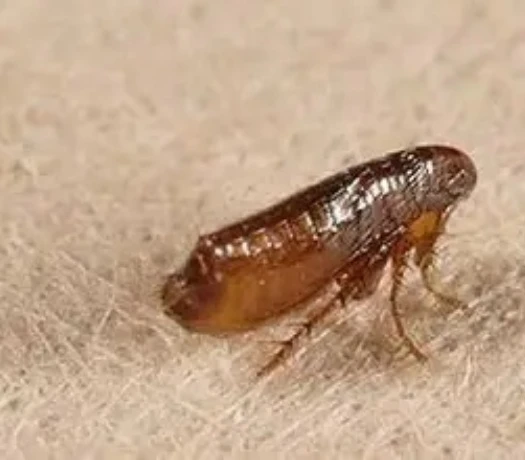
This interference in the early stages is especially useful since it limits the time frame in which pathogen transmission may occur in principle, as many tick-borne pathogens need long attachment times before transmission occurs.
Reduced Capacity for Mouthpart Penetration
The chelicerae and hypostome, the specialized mouthparts used to pierce host skin and establish a feeding posture, need fine muscle control for successful tick attachment. The fine motor control is compromised by fipronil-induced neuromuscular impairment, hindering the tick's ability to acquire the firm barbed attachment essential for continued feeding.
Exposure to fipronil often causes partially attached ticks to detach prematurely as a consequence of continuous tremors and muscular spasms.
This pattern of premature detachment has been seen frequently in many tick genera including Ixodes, Dermacentor and Rhipicephalus species widely seen in companion animal treatment.
Behavioral Changes in Host-Seeking Activity
Sublethal exposure to fipronil seems to influence larger patterns of host-seeking behavior in addition to inducing rapid somatic effects. Ticks that are exposed to residual concentrations on previously treated surfaces exhibit a lower persistence in questing, spending less time in the raised, host-detecting posture characteristic of unaffected parasites. This behavioral inhibition is probably caused by the same chloride channel disruption that produces the motor symptoms, as sensory integration requires correctly functioning inhibitory signaling pathways.
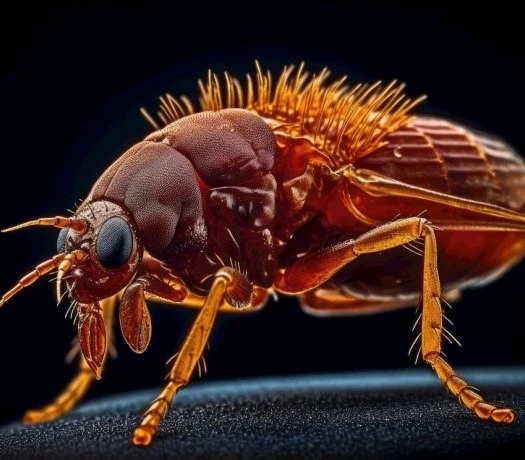
When applied appropriately, Fipronil spot-on formulations spread throughout the skin surface via natural sebum circulation in the nape area, providing a continuous barrier that ticks will confront every time they try to reach the host. This barrier effect with direct neurotoxic action explains why well applied therapies provide protection for a length of time far longer than the duration of application.
The Relationship Between Fipronil Exposure and Tick Feeding Behavior
Feeding is the main biological driver of tick activity and interfering with this process is one of the most effective ways to reduce parasite load and related risk of disease transmission. The neuromuscular activity of fipronil connects with eating physiology at many locations.
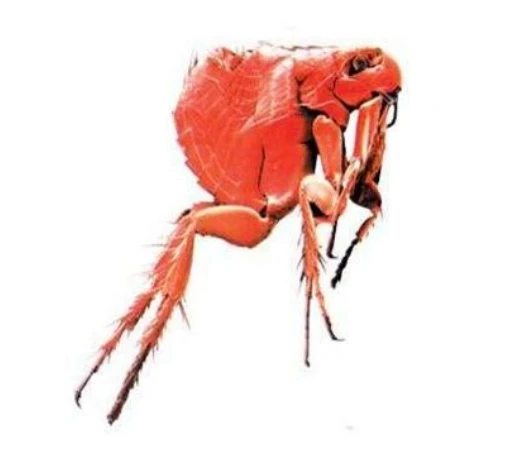
Interruption of Blood Meal Acquisition
Ticks need an unbroken, continuous blood meal to go through developmental stages and be successful reproductively. The feeding process necessitates a coordinated release of saliva containing anticoagulants and immunomodulatory chemicals that allow for blood flow while inhibiting host inflammatory responses. Neuromuscular dysfunction produced by fipronil affects the tick's capacity to control salivary gland activity and results in unpredictable secretion patterns that disrupt effective blood meal acquisition.
Ticks trying to feed during fipronil poisoning often show broken feeding cycles with premature withdrawal of mouthparts owing to muscular spasms disrupting the cibarial pump, which is responsible for pulling blood into the digestive system.
This break lowers the amount of blood effectively imbibed, restricting the energy stores for later molting or egg production.
Impact on Engorgement Rates Across Developmental Stages
Research comparing engorgement results in treated and untreated populations shows significant decrease in successful feeding completion for fipronil exposed ticks. The larvae and nymphs have a somewhat thinner cuticle and body mass. They seem to develop symptoms more quickly and take less blood than adults. The stage-dependent sensitivity pattern has practical consequences for scheduling of treatments, as targeting early life cycle stages before individuals reach reproductive maturity helps reduce population growth more efficiently.
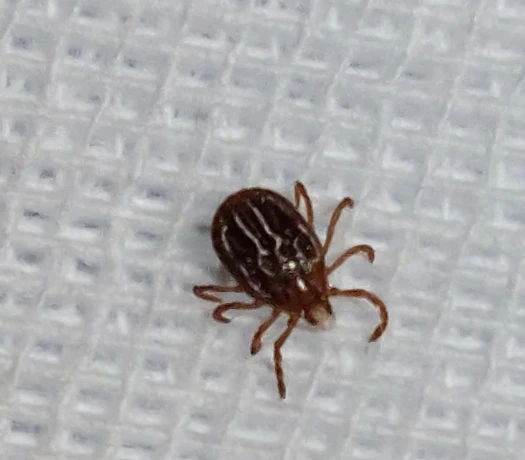
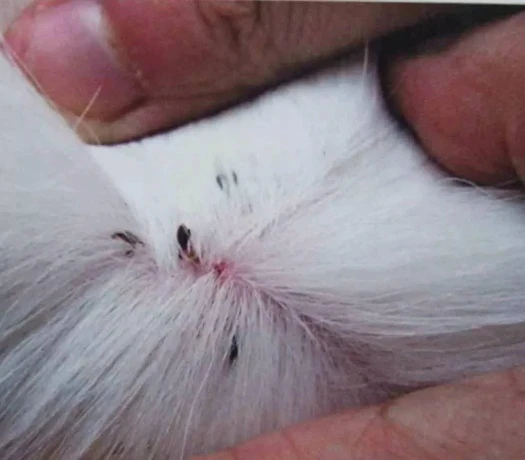
Veterinary parasitology studies have observed decreases in engorgement rates beyond industry norms when these medications are used in accordance with the manufacturers' recommendations and the seasonal activity of local tick populations.
Secondary Effects on Pathogen Transmission Windows
Reducing the length of feeding has significant ramifications for the transmission dynamics of pathogens, since many disease-causing organisms transmitted by ticks need lengthy feeding times, frequently on the scale of hours to days, depending on the pathogen in question. Fipronil spot-on treatments reduce the biological window during which transmission may potentially occur by speeding separation via neuromuscular disruption.
A reduced transmission window is an essential, although frequently unappreciated, effect of continuous acaricide use.This is a defense mechanism that veterinarians often discuss when they encourage pet owners to keep a regular treatment plan rather than using products after the fact after a tick has already attached. Bloomtechz understands the clinical importance of developing consistent, quality-controlled fipronil spot-on products to provide dependable and predictable effectiveness results to our veterinarian and distribution partners.
Contact Acaricidal Activity of Fipronil Spot-On Against Different Tick Species
However, tick species differ greatly in their physiology, host preferences and environmental adaptations, hence it is crucial to analyze the performance of the contact acaricidal activity of fipronil throughout this biological variety. Understanding species-specific reactions helps to explain why fipronil spot-on stays generally effective across many geographic locations and climatic circumstances.
Efficacy Against Ixodes and Rhipicephalus Species
In many field effectiveness experiments, Ixodes ricinus and similar species, often found in temperate forest and grassland settings, have shown consistent vulnerability to fipronil contact exposure . The brown dog tick Rhipicephalus sanguineus, named for its strong host specificity and ability to live indoors, is also very sensitive to the neuromuscular action of fipronil, with mortality normally observed within the first day after direct contact with treated fur.
These results are especially significant for places where tick activity is year-round because brown dog tick infections may create chronic infestations inside if left untreated.
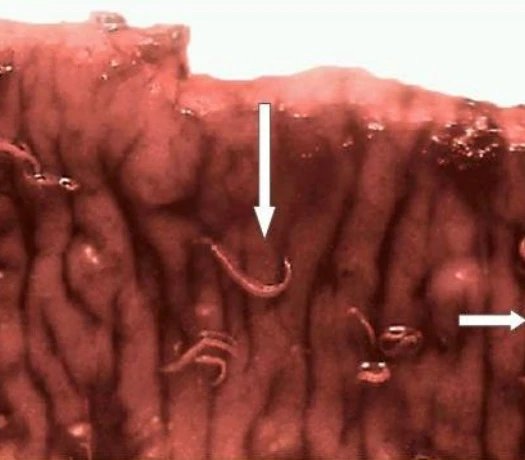
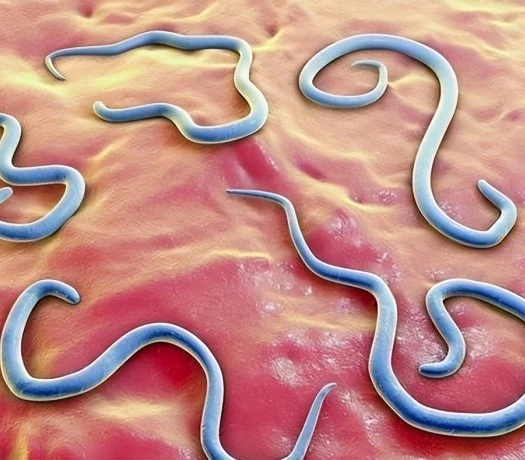
Fipronil spot-on treatments disrupt this indoor life cycle by killing ticks prior to their successful blood meal completion and subsequent egg deposition in home surroundings.
Performance Against Dermacentor and Amblyomma Species
The American dog tick, Dermacentor variabilis, and other species of Amblyomma found across warmer temperature zones also show response to fipronil contact exposure with considerable variation in symptom start time reported depending on cuticle thickness and seasonal activity patterns. Adult Dermacentor specimens, often bigger and more extensively sclerotized than Ixodes nymphs, may need somewhat longer exposure times to achieve full paralysis, but the eventual death results are consistent with wider effectiveness predictions for this chemical class.
Comparative acaricide studies have also confirmed the utility of fipronil-based treatments across geographically diverse tick populations encountered in veterinary practice, including the susceptibility of Amblyomma americanum (with its aggressive host-seeking behavior and broad host range).
Environmental Factors Influencing Contact Efficacy
Temperature, humidity and sebum distribution patterns determine the extent of fipronil spreading throughout the skin surface and the availability of contact for questing ticks . Elevated ambient temperature tends to increase sebum production, which facilitates redistribution of the compound to the surface of the body and may prolong the period of effective barrier protection. Conversely, excessive bathing or swimming soon after application might diminish surface concentration.
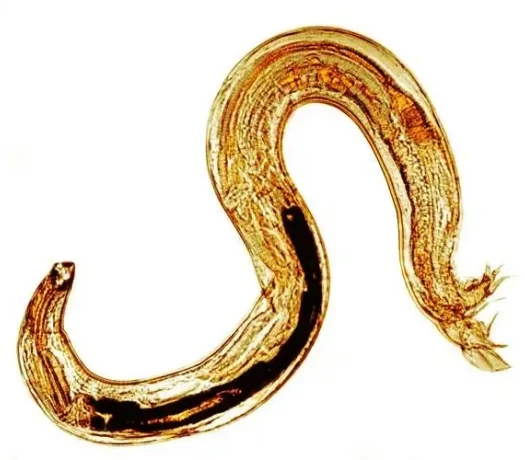
It is important to follow label directions about time of water exposure.
Bloomtechz's fipronil spot-on formulations are manufactured under GMP certified production conditions with stringent quality analysis at the factory level, internal QA/QC verification and independent testing by authority agencies to ensure consistent active ingredient concentration in every batch. The triple verification enables dependable contact acaricidal performance against every tick species encountered in end use applications.
Conclusion
Fipronil spot-on treatments achieve their acaricidal effectiveness through a well-documented neuromuscular mechanism centered on chloride channel disruption within tick nervous systems. This biochemical interference produces cascading effects on movement coordination, attachment capability, feeding success, and ultimately survival across numerous tick species encountered in veterinary practice. The scientific foundation supporting this mode of action explains why fipronil has maintained relevance within parasite control programs for decades, even as newer chemical classes have entered the marketplace. Buyers and distributors seeking consistent, quality-verified formulations benefit from partnering with manufacturers who maintain rigorous production standards and transparent quality assurance protocols throughout the supply chain.
Frequently Asked Questions
1. Does fipronil spot-on work immediately after application?
+
-
Fipronil begins affecting tick nervous systems within hours of contact, though complete mortality timelines vary by species and developmental stage encountered during treatment.
2. Can ticks develop resistance to fipronil over time?
+
-
Resistance monitoring programs have generally reported sustained sensitivity among tick populations, though proper application frequency helps minimize resistance development risk across treatment cycles.
3. Is fipronil spot-on safe for both cats and dogs?
+
-
Formulations are species-specific regarding dosage and concentration, making it essential to select products designed specifically for the intended animal and weight range.
Bloomtechz: Your Trusted Fipronil Spot-On Supplier
Bloomtechz brings over a decade of organic synthesis experience to every batch of fipronil spot-on produced across our GMP-certified manufacturing facilities. Our quality verification process incorporates factory-level testing, internal QA/QC review, and independent authority agency certification, ensuring every shipment meets pharmaceutical-grade standards recognized by US-FDA, EU-GMP, and CFDA authorities. Clients benefit from transparent pricing structures, accurate lead time calculations tracked through our ERP platform, and dedicated technical support from our research and development department. Whether sourcing active pharmaceutical ingredient powder or finished spot-on formulations, partnering with an established fipronil spot-on supplier like Bloomtechz means accessing reliable quality, competitive terms, and long-term collaborative relationships. Reach our sales team directly at Sales@bloomtechz.com to discuss your sourcing requirements today.
References
1. Bloomquist, J.R. Chloride Channel Physiology and Insecticide Target Site Resistance in Arthropod Pests. Annual Review of Entomology.
2. Cole, L.M., Nicholson, R.A., Casida, J.E. Action of Phenylpyrazole Insecticides at the GABA-Gated Chloride Channel. Pesticide Biochemistry and Physiology.
3. Jongejan, F., Uilenberg, G. The Global Importance of Ticks. Parasitology Journal Reviews.
4. Narahashi, T. Neuroreceptors and Ion Channels as the Basis for Drug Action: Past, Present, and Future. Journal of Pharmacology and Experimental Therapeutics.
5. Rust, M.K. Advances in the Control of Ectoparasites on Companion Animals. Veterinary Parasitology.
6. Zhao, X., Yeh, J.Z., Salgado, V.L., Narahashi, T. Fipronil is a Potent Open Channel Blocker of Glutamate-Activated Chloride Channels in Cockroach Neurons. Journal of Pharmacology and Experimental Therapeutics.