


Aniline, a versatile organic compound widely used in various industries, is subject to numerous regulatory standards due to its potential health and environmental impacts. Understanding these regulations is crucial for businesses involved in the production, handling, or use of aniline. This comprehensive guide explores the key regulatory standards governing aniline usage, safety guidelines for workplace handling, and global environmental standards.
We provide Aniline Powder CAS 62-53-3, please refer to the following website for detailed specifications and product information.
Product:https://www.bloomtechz.com/synthetic-chemical/organic-intermediates/aniline-powder-cas-62-53-3.html
Key Regulations on Aniline Usage in Industries
The use of aniline in industrial applications is heavily regulated across different sectors and jurisdictions. These regulations aim to protect workers, consumers, and the environment from potential hazards associated with aniline exposure.
In the United States, the Occupational Safety and Health Administration (OSHA) has established strict guidelines for aniline handling in workplaces. The permissible exposure limit (PEL) for aniline is set at 5 parts per million (ppm) as an 8-hour time-weighted average. This standard helps mitigate the risks of long-term exposure to aniline vapors and skin contact.
The Environmental Protection Agency (EPA) also regulates aniline under the Toxic Substances Control Act (TSCA). Manufacturers and importers must comply with reporting requirements and adhere to specific guidelines for production, use, and disposal of aniline-containing products.
In the European Union, the Registration, Evaluation, Authorization, and Restriction of Chemicals (REACH) regulation governs the use of aniline. Under REACH, companies must register aniline with the European Chemicals Agency (ECHA) and provide detailed information on its properties, hazards, and safe use guidelines.
The pharmaceutical industry, which uses aniline as a precursor in drug synthesis, must comply with Good Manufacturing Practice (GMP) standards. These standards ensure the quality and safety of pharmaceutical products containing aniline derivatives.
For the polymer and plastics industry, regulations focus on the residual aniline content in final products. The European Union has set limits on the migration of aniline from plastic materials intended to come into contact with food, as outlined in Commission Regulation (EU) No 10/2011.
Safety Guidelines for Handling Aniline in Workplaces
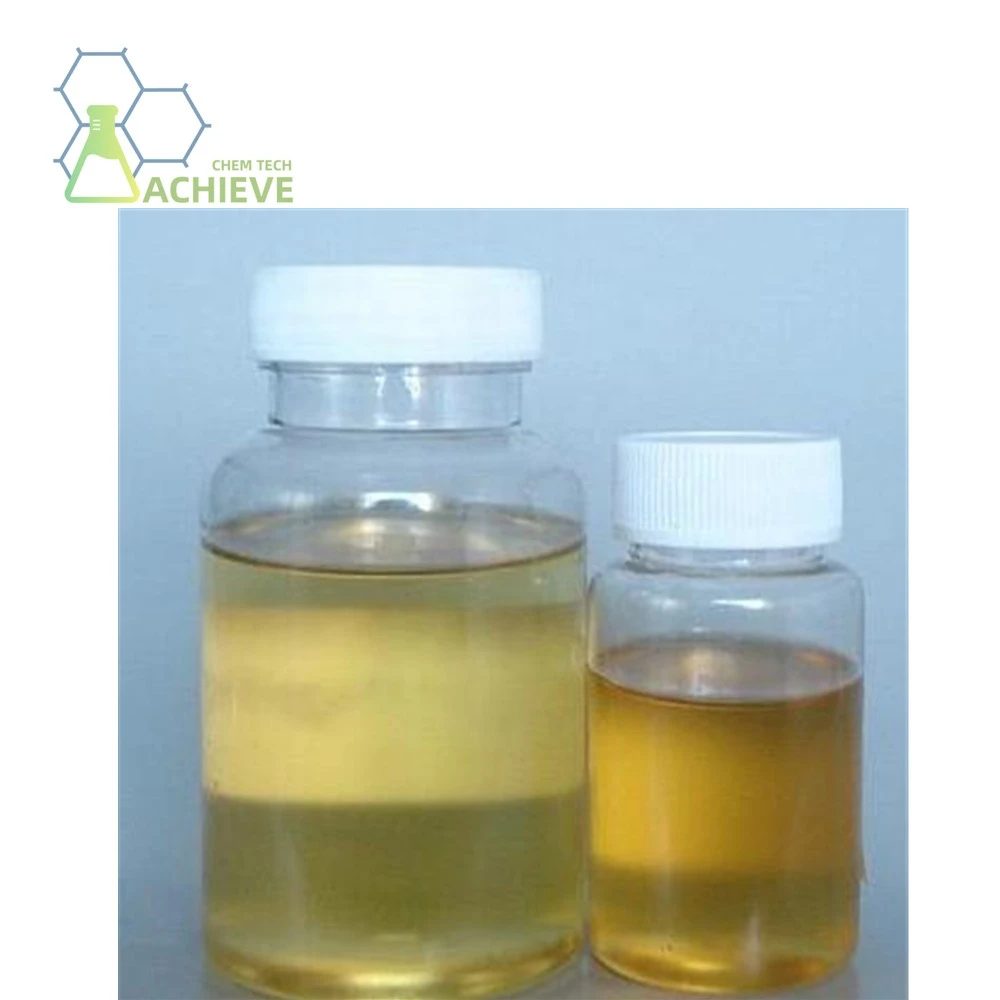
Proper handling of aniline in industrial settings is crucial to protect workers' health and safety. Employers and employees must adhere to stringent safety protocols to minimize the risks associated with aniline exposure.
Personal Protective Equipment (PPE) is essential when working with aniline. Workers should wear impervious gloves, protective clothing, and eye protection to prevent skin contact and splashes. In areas with potential aniline vapor exposure, appropriate respiratory protection is mandatory.
Workplace ventilation systems play a critical role in controlling aniline exposure. Local exhaust ventilation should be installed at points of aniline use or potential release to capture and remove vapors effectively. Regular maintenance and testing of these systems are necessary to ensure optimal performance.
Emergency response procedures must be in place to address potential aniline spills or accidental releases. This includes having readily available spill containment materials, eyewash stations, and safety showers. Workers should be trained in proper spill response techniques and the use of emergency equipment.
Regular medical surveillance is recommended for workers routinely exposed to aniline. This may include periodic blood tests to monitor methemoglobin levels, as aniline exposure can lead to methemoglobinemia, a condition that reduces the blood's oxygen-carrying capacity.
Safety Data Sheets (SDS) for aniline must be readily accessible to all workers. These documents provide crucial information on the chemical's properties, hazards, and appropriate handling procedures. Employers should ensure that all employees are familiar with the content of aniline SDS and understand how to interpret the information.
Training programs are essential to educate workers about the hazards of aniline and proper handling techniques. These programs should cover topics such as the health effects of aniline exposure, proper use of PPE, spill response procedures, and emergency protocols.
Global Standards for Aniline and Environmental Impact
The environmental impact of aniline production and use has led to the development of global standards aimed at minimizing its ecological footprint. These standards address issues such as emissions control, waste management, and environmental monitoring.
The Stockholm Convention on Persistent Organic Pollutants (POPs) does not directly list aniline as a POP, but it regulates certain aniline derivatives. Signatories to the convention must implement measures to reduce or eliminate the production and use of these compounds, which can have long-lasting environmental effects.
Water quality standards in many countries include limits on aniline concentrations in surface waters and groundwater. For example, the European Union's Water Framework Directive sets environmental quality standards for aniline in aquatic ecosystems to protect aquatic life and human health.
Air emission standards for aniline vary by country and region. In the United States, the Clean Air Act classifies aniline as a Hazardous Air Pollutant (HAP), subject to stringent emission control requirements. Facilities that emit aniline must implement Maximum Achievable Control Technology (MACT) to reduce emissions.
Waste management regulations for aniline-containing materials are typically governed by hazardous waste laws. In the European Union, the Waste Framework Directive provides guidelines for the safe disposal and recycling of aniline waste. Similar regulations exist in other countries, often requiring specialized treatment and disposal methods for aniline-contaminated materials.
Green chemistry initiatives are gaining traction globally, encouraging the development of safer alternatives to aniline and more sustainable production methods. These initiatives aim to reduce the environmental impact of aniline throughout its lifecycle, from production to disposal.
International transportation of aniline is subject to strict regulations due to its classification as a hazardous material. The United Nations Recommendations on the Transport of Dangerous Goods provide global guidelines for the safe shipment of aniline across borders.
Environmental monitoring programs are essential for assessing the impact of aniline on ecosystems. Many countries have established monitoring networks to track aniline levels in air, water, and soil, helping to inform regulatory decisions and mitigation strategies.
The Global Harmonized System (GHS) for classification and labeling of chemicals provides standardized hazard communication for aniline. This system ensures consistent safety information across different countries, facilitating international trade while promoting safe handling practices.
Sustainable procurement policies are being adopted by many organizations, encouraging the selection of suppliers who demonstrate responsible aniline management practices. These policies often consider factors such as emissions reduction, waste minimization, and compliance with environmental regulations.
Conclusion
In conclusion, the regulatory landscape governing aniline usage is complex and multifaceted, reflecting the compound's importance in industry and its potential environmental and health impacts. As scientific understanding of aniline's effects continues to evolve, regulatory standards are likely to be updated and refined. Companies involved in aniline production, handling, or use must stay informed about these regulatory developments to ensure compliance and promote responsible chemical management.
For more information on aniline regulations and safe handling practices, please contact our experts at Sales@bloomtechz.com. Our team at BLOOM TECH is committed to providing guidance on regulatory compliance and sustainable chemical use in various industries.
References
Occupational Safety and Health Administration. (2021). "Aniline: Occupational Exposure Limits and Health Effects."
European Chemicals Agency. (2020). "Substance Information: Aniline."
World Health Organization. (2019). "Environmental Health Criteria for Aniline."
United Nations Environment Programme. (2018). "Global Chemicals Outlook II: From Legacies to Innovative Solutions."