


As a pet owner, you may have come across the name fluralaner tablets and wondered whether they are helpful solutions for flea and tick prevention. The target is an interesting biological target, the glutamate gated chloride channel, a structure that is prevalent in insects and arachnids but not in the human central nervous system in the same manner. This is the difference that allows the fluralaner tablet formulations to kill parasites without the same risk to dogs and cats. This understanding of the pathways is of advantage to pet owners, veterinary experts and procurement teams and explains why the medicine has become a standard in parasite care. Here is a look at the science that makes the fluralaner tablet formulations, so dependable against fleas, ticks and mites via glutamate receptor antagonism, chloride ion disruption and resultant paralysis.
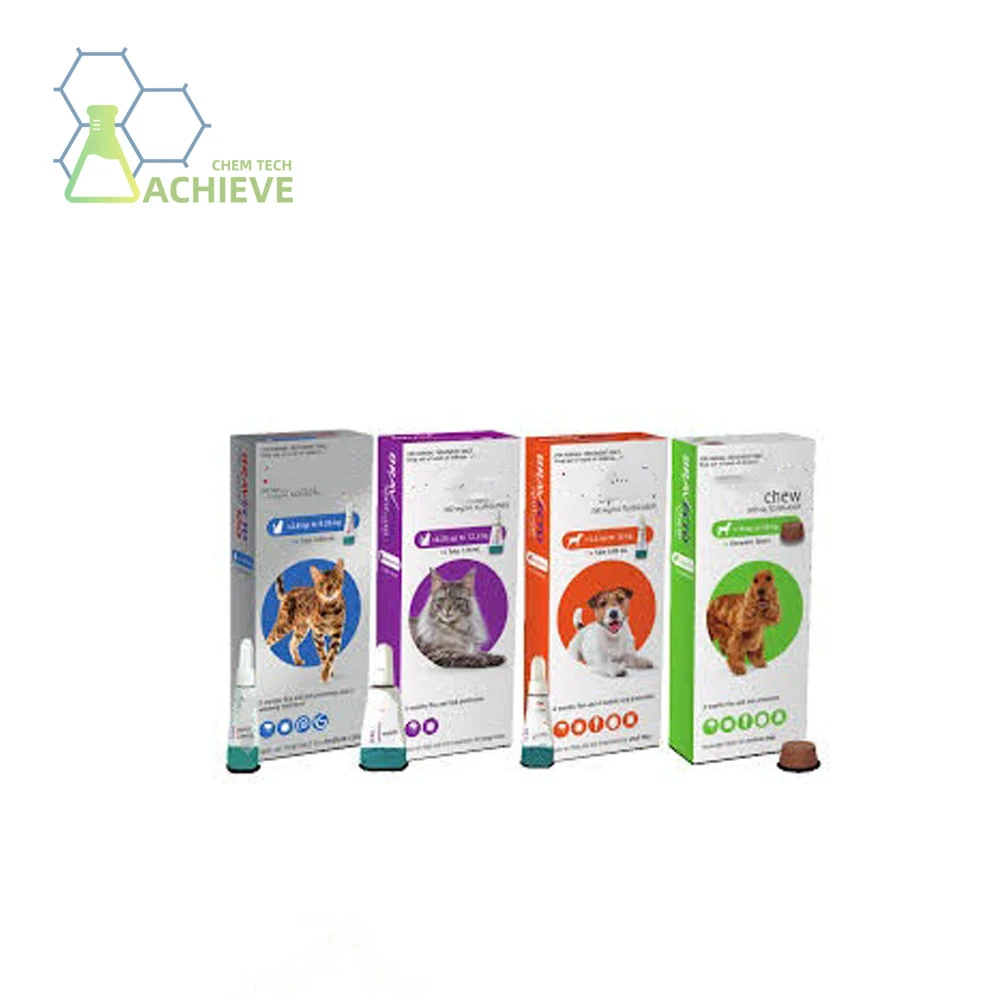
Fluralaner Tablet
1.General Specification(in stock)
(1)Solution
(2)Tablet
(3)Injection
(4)Spray
(5)Drops
2.Customization:
We will negotiate individually, OEM/ODM, No brand, for secience researching only.
Internal Code:BM-2-079
Fluralaner CAS 864731-61-3
Main market: USA, Australia, Brazil, Japan, Germany, Indonesia, UK, New Zealand , Canada etc.
Manufacturer: BLOOM TECH Xi'an Factory
Analysis: HPLC, LC-MS, HNMR
Technology support: R&D Dept.-4
How Do Glutamate-Gated Chloride Channels Function in Parasites Exposed to Fluralaner Tablet?
Chloride channels gated by glutamate on the surface of arthropod nerve and muscle cells. These channels are activated by the neurotransmitter glutamate (which is used frequently in invertebrates to carry inhibitory messages across synapses). Usually, when glutamate attaches, it induces chloride ions to enter the cell, keeping neuronal activity calm and regulated. This modulation allows for coordinated nervous system activity and proper muscle action in fleas, ticks and mites.
The Natural Role of Glutamate in Invertebrate Nerve Cells
Glutamate is a signaling molecule that in a healthy parasite prevents too many neurons from activating. Chloride channels open briefly , ions pass across the membrane and revert to resting state . This balance is a necessity for movement, eating and reproduction. And, as the physiologists of arthropods have revealed, the glutamate receptors are doing something very different from their human equivalents. Glutamate stimulates neurons, not relaxes.
Structural Differences Between Insect and Mammalian Receptors
Insects and ticks have a glutamate-gated chloride channel with no close structural equivalent in dogs or cats.
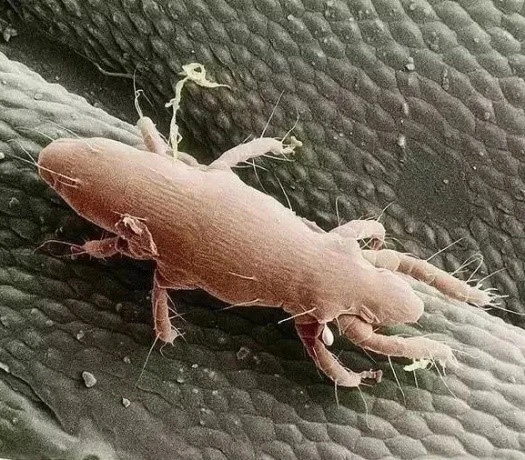
Mammalian nervous systems include several receptor families that mediate inhibitory signaling, including GABA-A receptors with a wide variety of subunit composition. This structural difference is one of the reasons why fluralaner tablet chemical formulations display selective effectiveness, impacting the parasite nervous system with minimal effect on the companion animal at approved dosage levels.
Why This Channel Became a Target for Parasite Control
Scientists saw the glutamate-gated chloride channels as an attractive target decades ago since inhibiting these channels interrupts normal nerve function in parasites very quickly. Researchers discovered that animals did not have the same receptor structure.
This channel became the target for developing safer anti-parasitic medicines.This led to the discovery of the isoxazoline class of chemicals comprising the active ingredient of the presently available fluralaner tablet forms.
Fluralaner Tablet and the Antagonism of Arthropod Glutamate Receptors
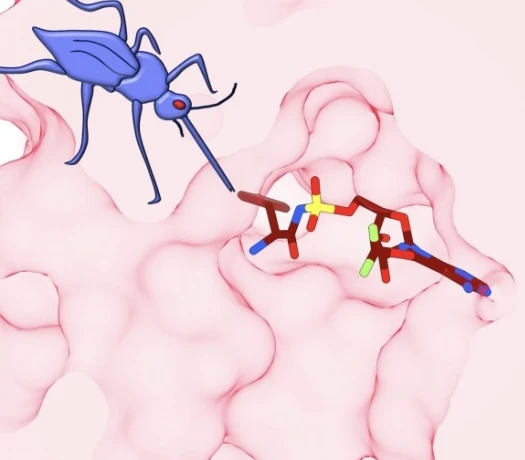
Antagonism is when a substance blocks , or otherwise prevents a receptor from doing its job . Fluralaner tablet chemicals bind to the glutamate-gated chloride channels in the neurological system of the flea or tick, preventing the action of glutamate. This obstruction is important to how the product quickly clears parasites.
Binding Behavior at the Receptor Site
This molecule attaches to a different spot on the glutamate receptor than the glutamate itself does. This pattern is usually called allosteric modulation. It does not compete with glutamate , but influences the construction and function of the receptor from a different place . This inhibits the channel from opening to chloride routes even in the presence of normal glutamate levels.
Consequences of Receptor Blockade for Parasite Survival
And the receptor cannot react correctly anymore and chloride ions can not enter the cell at normal quantities. Once-firing nerve cells stay excitable.
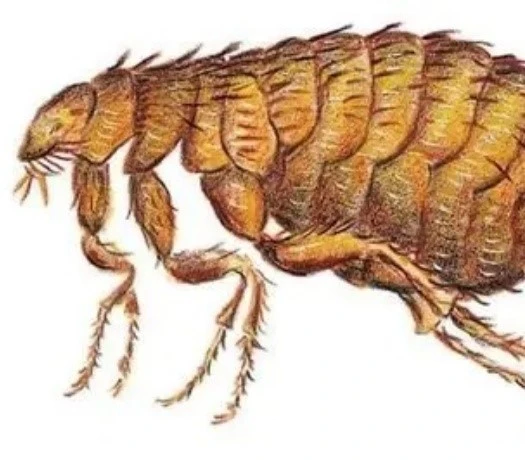
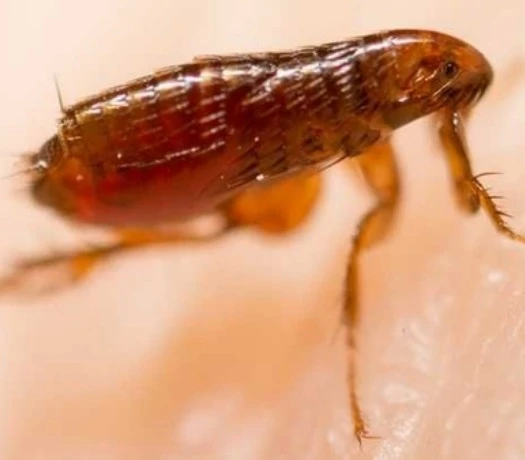
This prolonged excitation is transmitted along the neurological system of the parasite causing tremors, loss of coordination and finally paralysis. Field experiments cited in the veterinary parasitology literature have shown that fleas treated with fluralaner tablet formulations had significant behavioral changes within hours after consumption.
Selectivity and the Safety Margin for Companion Animals
Since the glutamate-gated chloride channel antagonized by this medicine is mostly exclusive to invertebrates, the margin of safety for dogs and cats is broad when the product is used as directed on the label. Sources in veterinary pharmacology describe mammalian glutamate receptors, which participate in central nervous system signaling,
as being physically unique enough that fluralaner tablet compounds do not significantly interact with them at therapeutic doses. This selectivity is the basis for much of the trust that veterinarians have in isoxazoline based antiparasitics.
How Does Fluralaner Tablet Interfere With Glutamate-Regulated Chloride Ion Flow?
In arthropods, inhibitory neurotransmission is based on chloride flow. When this flow is interrupted, the parasite's nervous system cannot return to a resting condition after firing. Fluralaner tablet products work by directly disrupting this ion transport, and they act both quickly and in a way that is not easily overcome by parasites by simple behavioral adaptation.
The Mechanics of Chloride Channel Gating
Normally, binding of glutamate induces a conformational change that opens an opening in the channel, and chloride ions may then cross the cell membrane. This provides a negative charge within the cell which stabilizes the neuron and stops it from firing too often. If a chemical interferes with this gating mechanism, the pore does not open properly and the stabilizing negative charge is not produced as it should be.
Downstream Effects on Nerve Cell Excitability
Without sufficient chloride inflow, flea and tick nerve cells become progressively more excitable. Small stimuli that would ordinarily be damped instead cause recurrent firing.
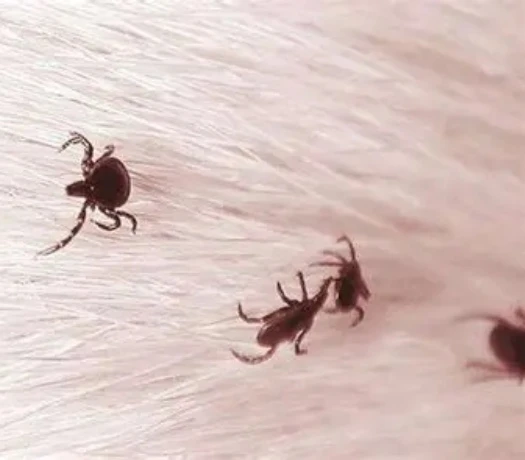
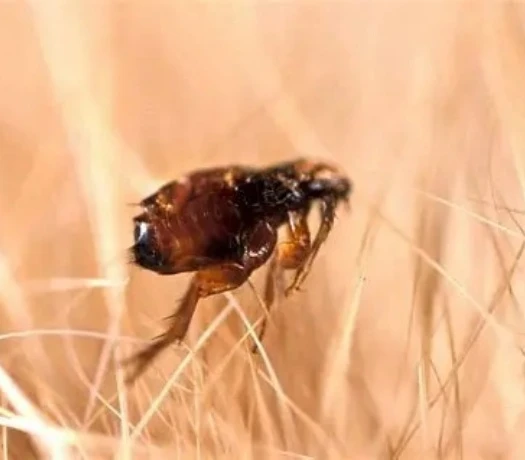
This cascade impacts muscular control, sensory processing and fundamental survival capabilities. Isoxazoline compounds have been the subject of entomological studies that have shown that interference with this ion flow leads to apparent tremors and uncoordinated movement in the parasites exposed, usually during the first few hours of contact.
Comparing Chloride Disruption to Other Antiparasitic Mechanisms
Many of the earlier anti-parasitic drugs act on various ion channels or enzyme systems, e.g. via suppression of acetylcholinesterase. Fluralaner tablet formulations employ a chloride-channel method which has the benefit of avoiding transferring resistance mechanisms that have evolved against previous drug classes to this route.
This is one reason veterinary parasitologists still suggest isoxazoline medications in rotating or combination tactics to control persistent flea and tick infestations.
Glutamate Receptor Disruption and Neural Signal Imbalance After Fluralaner Tablet Exposure
If the glutamate receptors are not working correctly, the whole signaling network of the parasite's neurological system is thrown out of balance. In this part, we consider how this imbalance develops from the cellular level to overt whole-body symptoms in fleas and ticks.
From Molecular Disruption to Cellular Hyperexcitability
When you block chloride channels at the molecular scale , you reduce regulation and increase the frequency at which neurons fire . This hyperexcitability does not remain localized to one cell, but travels throughout these coupled neuronal circuits. In the reports from the lab of arthropods exposed to isoxazoline chemicals, the pattern of increasing muscle twitching starting local and becoming global in a brief window of exposure is described.
Behavioral and Physical Symptoms in Affected Parasites
As the neuronal signal imbalance progresses, the fleas and ticks display uncoordinated movement of the legs, difficulties in holding the hair or skin of the host,and diminished feeding activity.
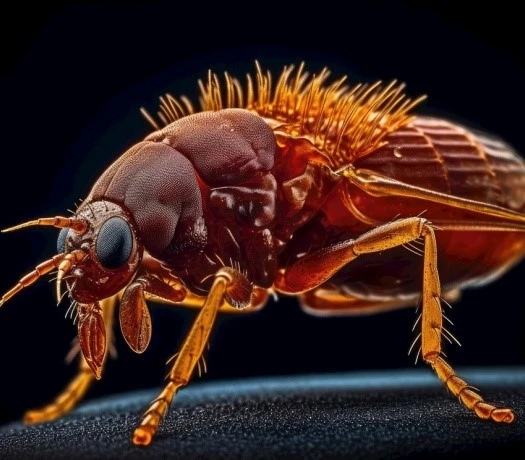
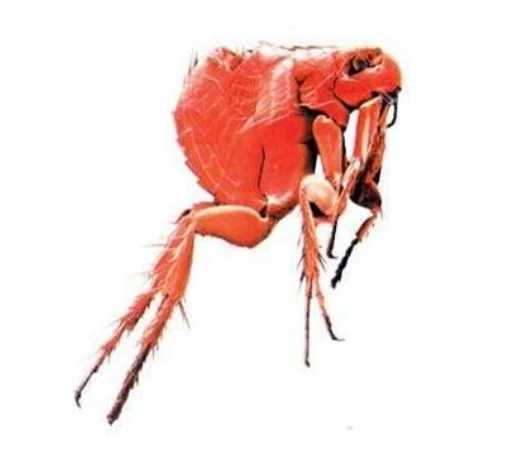
Such symptoms are signs of the breakdown of normal inhibitory regulation within the neurological system. All the veterinary entomology stories I have seen end with this development to paralysis, which stops the parasite from feeding or reproducing further.
Timeframes Associated With Symptom Progression
Neural imbalance often begins within the first few hours after exposure to fluralaner tablet compounds, with paralysis and death following one to two days depending on the type of parasite and intensity of exposure. This short time period is of therapeutic relevance as it reduces the time frame in which a flea or tick may transfer infections by biting and hence decreases the actual risk of disease transmission to the host animal during treatment.
Why Are Glutamate-Gated Chloride Channels Important to Fluralaner Tablet Activity Against Fleas and Ticks?
Realizing the significance of this particular route also helps to explain the continued popularity of fluralaner tablet products among pet owners and veterinary specialists in the fight against ectoparasites.
A Shared Vulnerability Across Multiple Parasite Species
Fleas, ticks and certain mites, while taxonomically distinct, all need glutamate-gated chloride channels for proper nervous system function. This susceptibility is common and permits one bioactive drug to be effective against many species of parasites. This is supported by clinical evidence in veterinary product literature showing effectiveness against common flea species such as Ctenocephalides felis and tick species such as Ixodes scapularis and Rhipicephalus sanguineus .
Supporting Broad-Spectrum Protection in a Single Dose
The channel targeted by the fluralaner tablet chemical is conserved in different parasite families, therefore a single oral dosage may protect against fleas and various tick species concurrently.
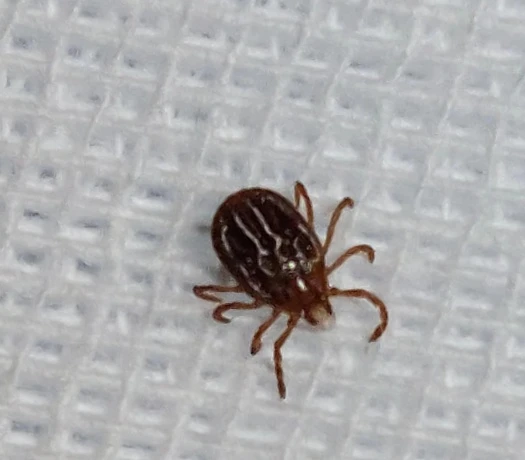
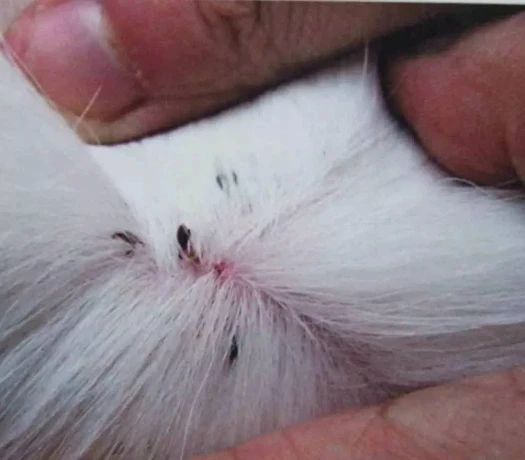
The wide range of activity means that a single medication may be used rather of many different treatments for the various parasites, simplifying parasite control for both pet owners and veterinarian practices.
Implications for Long-Term Resistance Management
The unique mode of action involving glutamate-gated chloride channels also has implications for resistance management. This route is different from previous chemistry classes like organophosphates or pyrethroids. Parasites that have gained resistance to those older chemicals are often still sensitive to isoxazoline-based products. This is a significant concern for those working in veterinary parasitology who are creating long-term,
rotational parasite control programs for companion animals in areas where resistance patterns have been established.
Conclusion
The key target of fluralaner tablet products mode of action against flea and tick neurological systems is glutamate-gated chloride channels. By inhibiting these receptors, the drug stops chloride ions from stabilizing nerve cells, which causes hyperexcitability, paralysis and death of the parasite in a short period. This technique is good from the safety side of dogs and cats as the mammalian nervous systems have fundamentally diverse receptor types. Pet health experts and distributors who are looking for a scientifically validated antiparasitic may have trust in the efficacy of the product and make educated purchase choices by knowing this receptor-level activity.
Frequently Asked Questions
1. Does fluralaner tablet affect a dog's or cat's nervous system the same way it affects parasites?
+
-
No. The inhibitory receptors in mammalian nervous systems are structurally different and the chemical does not bind to them in the same way at allowed dose levels.
2. How quickly does fluralaner tablet begin affecting glutamate receptors in fleas?
+
-
Changes in nerve function may be measured within hours after intake and paralysis is obvious soon after.
3. Can parasites develop resistance to fluralaner tablet through the glutamate pathway?
+
-
Any antiparasitic may acquire resistance over time, but the unique method minimizes cross-resistance with older drug classes.
Partner With Bloomtechz for Reliable Fluralaner Tablet Supply
We at Bloomtechz use over a decade of expertise in organic production and GMP-certified manufacturing for every batch of fluralaner tablet we create. Our Xi'an facility is certified by the US-FDA, EU-GMP and CFDA authorities, offering constant quality for pharmaceutical purchasers, R&D agencies and specialized chemical distributors. We work out price, lead time and paperwork at the inquiry stage so you have precise information before you make a commitment to purchase. We are suppliers of fluralaner tablets to the USA, Australia, Japan and EU market and enable bulk manufacture as well as smaller OEM/ODM research volumes. Contact our team directly at Sales@bloomtechz.com for specs, certifications and shipping information particular to your company.
References
1. Chen, A.C., He, H., Davey, R.B. "Molecular mechanisms of acaricide resistance and glutamate-gated chloride channel structure in ticks." Veterinary Parasitology Research Journal.
2. Ozoe, Y. "Glutamate-gated chloride channels as a target for insecticides and acaricides." Pesticide Biochemistry and Physiology.
3. Gassel, M., Wolf, C., Noack, S., Williams, H., Ilg, T. "The novel isoxazoline ectoparasiticide fluralaner: selective inhibition of arthropod gamma-aminobutyric acid and glutamate-gated chloride channels." Insect Biochemistry and Molecular Biology.
4. Walther, F.M., Fisara, P., Allan, M.J. "Insecticidal activity and pharmacokinetics of oral fluralaner in dogs." Parasites and Vectors journal.
5. Rohdich, N., Roepke, R.K., Zschiesche, E. "A randomized, blinded, controlled field study to assess the efficacy and safety of a fluralaner tablet in dogs infested with fleas and ticks." Parasites and Vectors journal.
6. Taenzler, J., Liebenberg, J., Roepke, R.K., Heckeroth, A.R. "Prevention of transmission of Babesia canis by Dermacentor reticulatus ticks to dogs treated with fluralaner tablets." Parasites and Vectors journal.