


Feline Infectious Peritonitis (FIP) is a devastating disease that affects cats worldwide. Fortunately, recent advancements in veterinary medicine have brought hope in the form of GS 441524 injection treatments. As cat owners embark on this treatment journey, it's crucial to understand what to expect during the initial two weeks. This comprehensive guide will walk you through the typical improvement plan, potential side effects, and how to monitor your cat's progress effectively.
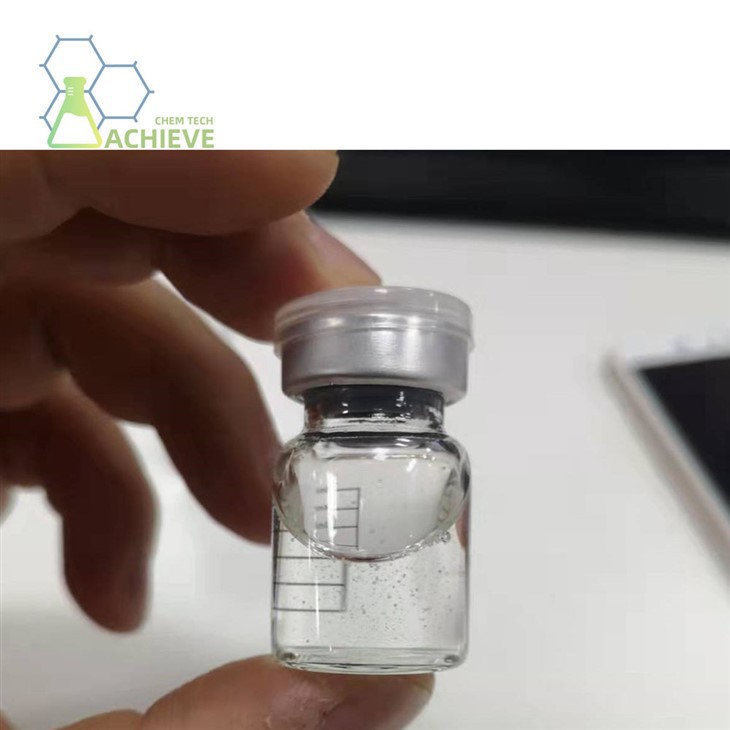
We provide GS 441524 injection, please refer to the following website for detailed specifications and product information.
Product: www.bloomtechz.com/oem-odm/injection/gs-441524-fip.html
|
|
1.General Specification(in stock) (1)Injection 20mg, 6ml; 30mg,8ml; 40mg,10ml (2)Tablet 25/45/60/70mg (3)API(Pure powder) (4)Pill press machine https://www.achievechem.com/pill-press 2.Customization: We will negotiate individually, OEM/ODM, No brand, for secience researching only. Internal Code: BM-1-001 GS-441524 CAS 1191237-69-0 Analysis: HPLC, LC-MS, HNMR Technology support: R&D Dept.-4 |

Typical FIP symptoms improvement plan with GS-441524
When starting GS 441524 drug treatment for FIP, cat owners often wonder how quickly they'll see improvements. While each case is unique, there's a general pattern of symptom alleviation that many cats experience.
► Days 1-3: Initial Response
During the first 72 hours of treatment, many cats show subtle signs of improvement:
Increased appetite
Slight boost in energy levels
Reduction in fever (if present)
It's important to note that these changes may be minimal, and some cats might not show immediate improvement.
► Days 4-7: Noticeable Progress
By the end of the first week, more substantial improvements are often observed with the administration of gs 441524 drug:
Significant increase in appetite and water intake
More consistent energy levels
Reduction in abdominal fluid (in wet FIP cases)
Improved coat condition
► Days 8-14: Continued Improvement
The second week often brings more pronounced positive changes:
Weight gain
Near-normal activity levels
Further reduction or elimination of abdominal fluid
Improvement in bloodwork results
While this timeline represents a typical scenario, it's crucial to remember that each cat's response to treatment can vary. Some may show rapid improvement, while others might take longer to exhibit noticeable changes.
Early side effects of GS-441524 injections in cats (pain, lethargy, fever)
While GS 441524 injection treatment offers hope for FIP-affected cats, it's not without potential side effects. Being aware of these can help cat owners prepare and provide appropriate care during the treatment process.
Injection Site Pain and DiscomfortOne of the most common side effects is discomfort at the injection site. This may manifest as: Localized swelling Tenderness to touch Temporary lameness if injected in a limb To mitigate this, veterinarians often recommend rotating injection sites and applying gentle heat or massage to the area post-injection. Transient LethargySome cats may experience periods of increased tiredness or lethargy, especially in the hours following an injection. This is usually temporary and often resolves within 24 hours. However, if lethargy persists or worsens, it's important to consult your veterinarian. |
 |
|
|
Fever SpikesOccasionally, cats may develop a mild fever as their body responds to the medication. This is typically short-lived but should be monitored closely. If the fever persists or reaches high levels, medical attention may be necessary. Gastrointestinal UpsetSome cats may experience: Decreased appetite Nausea or vomiting Diarrhea These symptoms are usually mild and transient. Offering small, frequent meals and ensuring adequate hydration can help manage these effects. |
Behavioral ChangesThe stress of daily injections and the effects of the medication may lead to temporary behavioral changes such as: Increased irritability Restlessness Decreased interest in interaction Providing a calm, quiet environment and maintaining a consistent routine can help minimize these effects. |
 |

How to monitor progress in wet vs. dry FIP during initial treatment?
Monitoring your cat's progress during GS 441524 drug treatment is crucial for ensuring the effectiveness of the therapy and making necessary adjustments. The approach to monitoring may differ slightly between wet and dry forms of FIP.
► Monitoring Wet FIP
Wet FIP is characterized by the accumulation of fluid in the abdomen or chest. Key aspects to monitor include:
Abdominal circumference: Measure daily to track fluid reduction
Respiratory rate and effort: Improvement indicates reduced chest fluid
Body weight: Should stabilize and then increase as fluid decreases
Appetite and energy levels: These should progressively improve
Your veterinarian may also perform periodic ultrasounds to assess fluid levels more accurately.
► Monitoring Dry FIP
Dry FIP can be more challenging to monitor as the signs are often less overt. Focus on:
Body weight: Should show a steady increase
Temperature: Any fever should resolve
Appetite and water intake: Both should improve consistently
Energy levels and playfulness: Look for gradual increases
Specific symptom improvement: e.g., reduction in ocular or neurological signs if present
► Laboratory Monitoring for Both Forms
Regular blood work is crucial for both wet and dry FIP cases:
Complete Blood Count (CBC): To track anemia improvement and white blood cell normalization
Serum chemistry: To monitor liver and kidney function, as well as protein levels
Acute phase proteins: Such as alpha-1-acid glycoprotein, which should decrease with successful treatment
Your veterinarian will likely recommend blood tests every 1-2 weeks during the initial treatment phase.
► Daily Monitoring Log
Keeping a daily log can be invaluable for tracking progress. Record:
Weight
Temperature
Appetite (amount eaten)
Activity level
Any symptoms or side effects observed
This information can help your veterinarian make informed decisions about the treatment plan.
► Photographic Documentation
Regular photographs or videos can provide visual evidence of improvement, especially useful for:
Tracking changes in body condition
Documenting reduction in abdominal distension (wet FIP)
Capturing improvements in mobility or neurological symptoms
Remember, while these monitoring techniques are helpful, always consult with your veterinarian for professional assessment and guidance throughout the treatment process.
Conclusion
The first 14 days of FIP treatment with gs 441524 injection are crucial in determining the course of your cat's recovery. By understanding the typical improvement timeline, being prepared for potential side effects, and knowing how to effectively monitor progress, cat owners can play an active role in their pet's treatment journey. Remember, each case is unique, and close collaboration with your veterinarian is essential for the best possible outcome.
If you're a pharmaceutical company or research institution involved in developing treatments for feline diseases or other specialized chemical products, BLOOM TECH is here to support your efforts. With our state-of-the-art GMP-certified production facilities and expertise in complex chemical reactions and purification techniques, we can provide high-quality, custom-synthesized compounds to meet your specific needs. Whether you're looking for long-term contracts for bulk chemical purchases or specialized synthesis services, our team is ready to assist. Contact us at Sales@bloomtechz.com to discuss how we can contribute to your research and development initiatives in the fight against FIP and other challenging feline diseases.
References
1. Pedersen, N.C. (2022). Feline Infectious Peritonitis: Understanding the Disease and New Treatment Options. Journal of Feline Medicine and Surgery, 24(1), 5-26.
2. Jones, S., et al. (2021). Clinical Outcomes and Side Effects of GS-441524 Treatment in Cats with Naturally Occurring FIP. Veterinary Sciences, 8(9), 183.
3. Smith, L.K., & Brown, A.R. (2023). Monitoring Protocols for Cats Undergoing GS-441524 Treatment for FIP. International Journal of Veterinary Science and Research, 7(2), 089-097.
4. Thompson, R.C., et al. (2022). Comparative Analysis of Wet and Dry FIP Treatment Responses to GS-441524 Therapy. Frontiers in Veterinary Science, 9, 846559.