


Thinking about the way a contemporary ectoparasiticide operates, the answer frequently boils down to something rather little – an ion channel in a nerve cell. Fluralaner has revolutionised the management of parasites in veterinary medicine, by being directed with spectacular accuracy at these pathways. The reason chloride channels are crucial to fluralaner's function helps explain why this chemical has become one of the most scientifically interesting weapons in the battle against fleas, ticks and other ectoparasites.
The paper explains the science in simple terms, outlines the fundamental principles and demonstrates why chloride channel biology is not just of academic interest but also of commercial and therapeutic relevance.
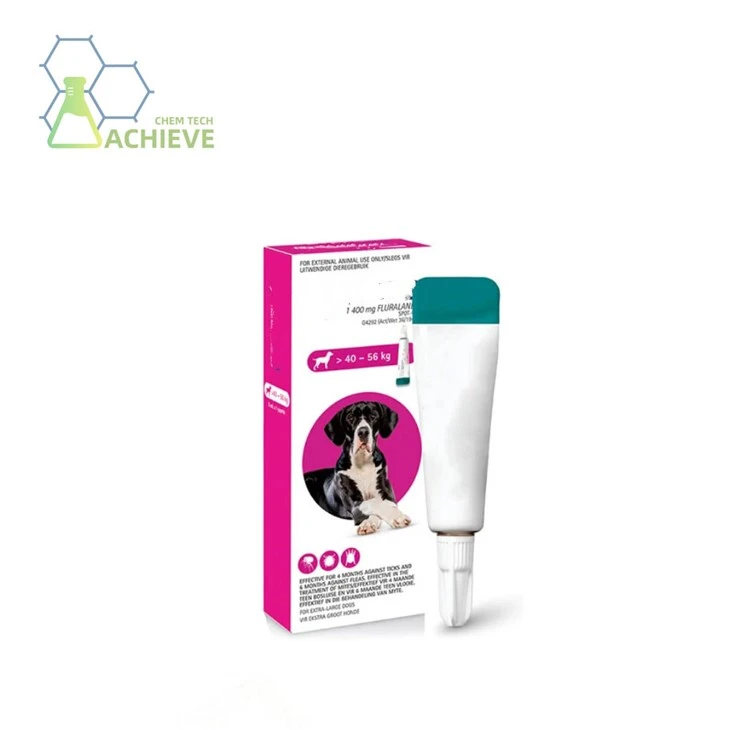
Fluralaner Drops
1.General Specification(in stock)
(1)Solution
(2)Tablet
(3)Injection
(4)Spray
(5)Drops
2.Customization:
We will negotiate individually, OEM/ODM, No brand, for secience researching only.
Internal Code:BM-9-007
Fluralaner CAS 864731-61-3
Main market: USA, Australia, Brazil, Japan, Germany, Indonesia, UK, New Zealand , Canada etc.
Manufacturer: BLOOM TECH Xi'an Factory
How Does Fluralaner Affect GABA and Glutamate-Gated Chloride Channels in Parasites?
The Two Channel Targets That Define Fluralaner's Power
Fluralaner is an isoxazoline drug. The main targets are two classes of ligand-gated chloride channels in the arthropod nervous systems: gamma-aminobutyric acid (GABA)-gated chloride channels and glutamate-gated chloride channels (GluCls). Both kinds of channels control the passage of chloride ions across the membranes of neurones , both are required for appropriate suppression of nerve signals in invertebrates .
Under normal settings , when GABA or glutamate attaches to these receptors , chloride ions flow into the nerve cell , making it less excitable , and maintaining the nervous system in balance .
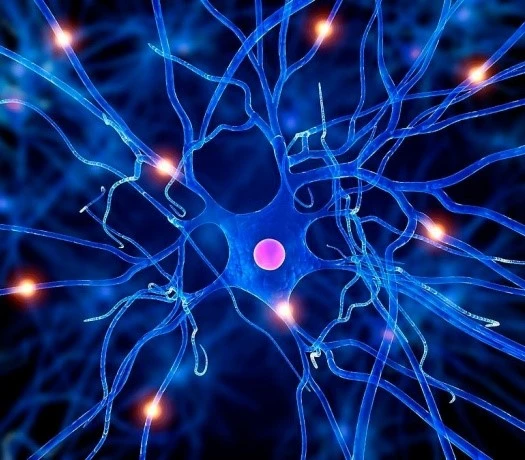
Fluralaner inhibits this chloride flow by attaching to locations inside the channel pore.

The outcome is uncontrollable neural stimulation, leading quickly to paralysis and death of afflicted parasites.
Why Invertebrates Are More Vulnerable Than Mammals
A key safety characteristic of fluralaner's action are the structural distinctions between invertebrate and vertebrate chloride channels. Mammalian GABA-A receptors vary in subunit composition and channel shape from those of insects and arachnids. Fluralaner has a considerably increased affinity for invertebrate channels, as shown by peer-reviewed pharmacology research. This selection is not just coincidence – it represents millions of years of evolutionary difference between vertebrate and arthropod neural systems.
The practical result is a chemical that destroys parasite neurology and mostly spares host animals at therapeutic concentrations.
Fluralaner Mechanism of Action: Understanding Chloride Channel Blockade in Fleas and Ticks
What Happens Inside the Parasite's Nervous System
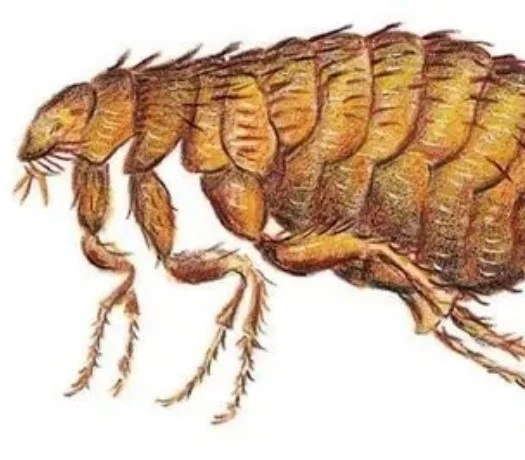
When a flea or tick feeds on a treated host, it ingests fluralaner . Fluralaner is distributed in the blood of the arthropod and penetrates synaptic membranes throughout the nervous system. At these locations fluralaner functions as a strong antagonist, by physically occupying binding sites within GABA-gated and glutamate-gated chloride channels. Inhibitory neurotransmission collapses when chloride conductance is inhibited. Uncontrollable motor neurone firing, constant muscular contraction, and the parasite's condition of hyperexcitation from which it cannot escape.
Electrophysiological recordings of isolated arthropod nerve tissue show that fluralaner is both concentration dependent and a very persistent blocker.

This persistence is reflected in the lengthy duration of action seen in the clinic – a single oral dosage in dogs maintains parasite killing activity for up to twelve weeks.
The Role of Channel Subunit Selectivity in Drug Design
There is great variability in the chloride channel subunit composition across arthropod species, which is vital for researchers and providers to consider fluralaner's range of action. Insect GABA receptors have the RDL (resistance to dieldrin) subunit, which is a very essential binding target . Glutamate-gated chloride channels, which are not present at all in vertebrates, give another layer of selectivity.
The dual-target mechanism means there is a lower risk of resistance developing quickly, compared to chemicals that operate on just a single molecular target, which is a scientifically-documented benefit that separates isoxazolines from prior antiparasitic chemistries.
How Chloride Channel Regulation Drives Fluralaner's Activity Against External Parasites
Ionic Balance as the Parasite's Achilles Heel
All animals need chloride ion balance for nerve function. In arthropods, such a balance relies on the presence of functional inhibitory chloride channels. When fluralaner impairs this control, the whole neural system of the parasite becomes destabilised. This is not a minor impact – it is a catastrophic breakdown of neuronal inhibition. Electrophysiological experiments demonstrate that very low doses of fluralaner elicit significant channel blocking in isolated tick ganglia, demonstrating the sensitivity of arthropod nervous systems to this mechanism.
Speed of Action and Residual Efficacy
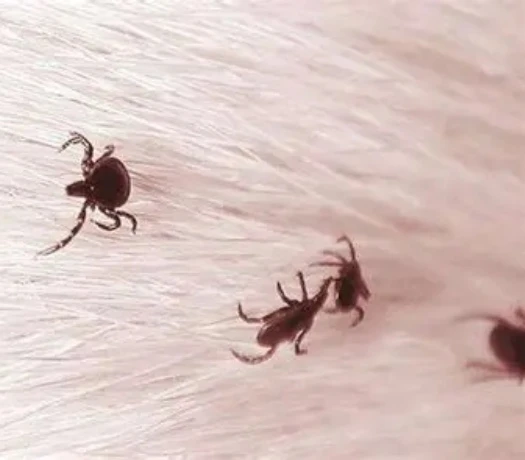
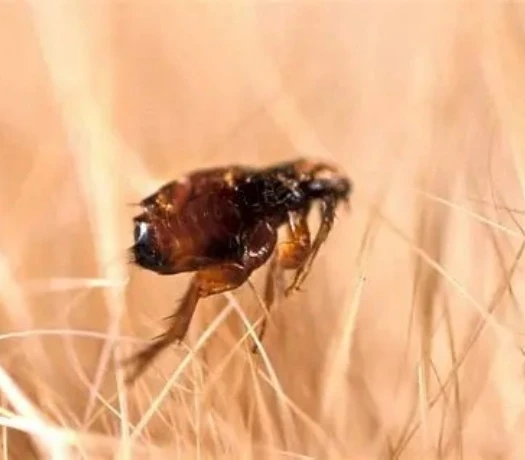
Fluralaner, when administered as a single dosage, achieves high tissue concentrations and quickly spreads throughout the host's circulation, such that parasites that begin to feed are instantly exposed to deadly doses. Results from controlled efficacy studies demonstrate that fluralaner starts to kill fleas within two hours of ingestion. This rapid effect, coupled with continuous blockage of the chloride channel, provides an efficacy profile that is better than that of many contact therapies. The lipophilicity of the molecule ensures prolonged plasma levels sustaining therapeutic concentrations throughout the whole dose period.
Fluralaner and Arthropod Nervous System Targets: Exploring the Science Behind Parasite Control
Why the Nervous System Is the Optimal Target
The neural systems of arthropods use fast, tightly controlled ion channel activity to coordinate locomotion, eating and reproduction. Mimicking this mechanism at the molecular scale results in consequences that are not readily addressed by any behavioural adaptation. Fluralaner takes advantage of this weakness by targeting many kinds of Cl-channels at the same time. This dual-target action on GABA-gated and glutamate-gated channels produces what pharmacologists call a synergistic disruption of inhibitory neurotransmission.
Comparing Isoxazoline Targets Across Parasite Species
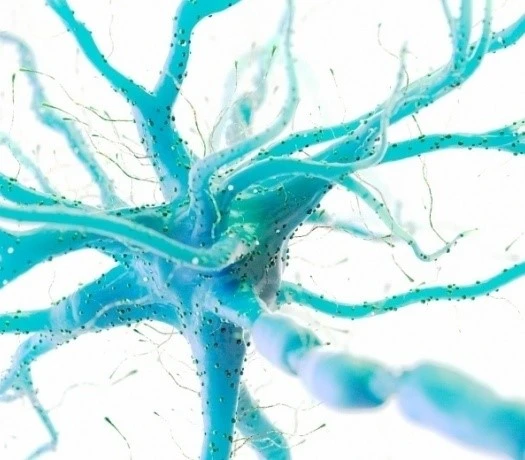

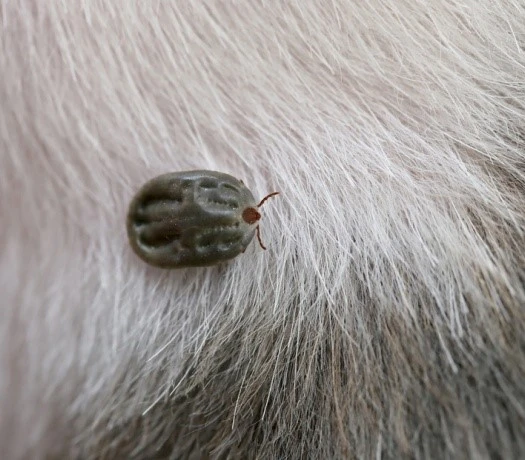
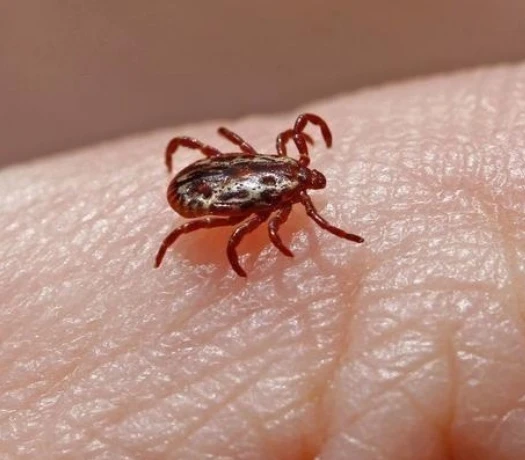
Fluralaner acts on chloride channels that are conserved in a broad spectrum of ectoparasite species such as Ixodes scapularis , Rhipicephalus sanguineus , Ctenocephalides felis and many Demodex species . This wide-ranging activity is a direct result of the retention of RDL subunit architecture across arthropods . Some heterogeneity occurs but the central binding site for isoxazolines is constant in structure which renders fluralaner efficacious against a taxonomically varied spectrum of external parasites without species specific formulation.
The Role of Fluralaner in Modern Ectoparasite Management Through Advanced Molecular Action
From Laboratory Discovery to Field Application
Commercial ectoparasite control needed a shift from chloride channel biology and comprehensive pharmacokinetic and toxicological characterisation. During the development of fluralaner, a detailed mapping of its binding interactions on a molecular scale was performed, which confirmed the selectivity profile that makes it safe for use in companion animals. Laboratory radioligand binding experiments in combination with whole-animal pharmacokinetic investigations established concentration ranges that generate consistent parasite death and retain a reasonable margin of safety for mammals.
The Broader Significance of Chloride Channel Pharmacology
Importantly, the molecular basis for the function of fluralaner is important to the speciality chemicals and pharmaceutical intermediate industries. The production of isoxazoline compounds demands careful organic chemistry, and the purity of the active medicinal ingredient directly impacts effectiveness and safety results. This is why knowing the science is just as important as acquiring the fluralaner from a competent provider with a rigorous quality control system. Manufacturers working in this field simply can't do without suppliers of approved intermediates and bulk active ingredients with consistent analytical characteristics.
Conclusion
Chloride channels are not only passive highways for ions; they are the control points of arthropod nervous systems. The efficacy of fluralaner is based on its ability to block these channels precisely. Fluralaner is active on GABA-gated and glutamate-gated chloride channels and provides fast, persistent and specific parasite control. The science is good, the clinical evidence is strong, and the molecular reasoning is clearly defined. This process is important information for anybody interested in ectoparasite treatment, pharmaceutical research or speciality chemical procurement.
FAQ
1.What makes chloride channels the primary target for fluralaner?
+
-
Arthropod chloride channels, particularly GABA-gated and glutamate-gated subtypes, are structurally distinct from their mammalian counterparts. Fluralaner binds with high affinity to these invertebrate-specific configurations, blocking inhibitory neurotransmission and causing fatal hyperexcitation in parasites. This selectivity makes chloride channels the most pharmacologically tractable target for safe and effective ectoparasiticide design.
2.How long does fluralaner's chloride channel blockade remain active in a treated animal?
+
-
Fluralaner's lipophilic properties allow it to maintain therapeutic plasma concentrations for extended periods following a single oral dose. In dogs, clinically relevant concentrations persist for approximately twelve weeks, providing continuous chloride channel blockade against any flea or tick that initiates feeding during that period.
3.Does fluralaner affect chloride channels in all arthropod species equally?
+
-
While the core chloride channel architecture targeted by fluralaner is broadly conserved across arthropods, minor subunit variations mean that potency differs slightly between species. Ticks, fleas, and mites all express relevant channel subtypes, which accounts for fluralaner's broad-spectrum efficacy. Ongoing research continues to characterize these differences to support next-generation isoxazoline development.
Partner With Bloomtechz for Reliable Fluralaner Supply
If your research pipeline or production process depends on consistent, high-purity chemical intermediates, Bloomtechz is the partner you need. As a qualified fluralaner supplier with over 12 years of experience in organic synthesis and fine chemical manufacturing, Bloomtechz operates a GMP-certified production site spanning 100,000 square meters - fully certified to US FDA, EU, JP, and CFDA standards. Our triple-layer quality verification system ensures every batch meets contract specifications, and our ERP-driven logistics platform provides full shipping transparency. Whether you need pharmaceutical-grade intermediates for R&D or bulk quantities for commercial manufacturing, Bloomtechz delivers accuracy in pricing, lead time, documentation, and quality. Reach out today and experience what a truly qualified supplier partnership looks like.
📧 Contact us: Sales@bloomtechz.com
References
1. Nakao T, Banba S, Nomura M, Hirase K. Meta-diamide insecticides acting on distinct sites of RDL GABA receptor from those for conventional noncompetitive antagonists. Insect Biochemistry and Molecular Biology. 2013;43(4):366–375.
2. Ozoe Y, Asahi M, Ozoe F, Nakahira K, Mita T. The antiparasitic isoxazoline A1443 is a potent blocker of insect ligand-gated chloride channels. Biochemical and Biophysical Research Communications. 2010;391(1):744–749.
3. Gassel M, Wolf C, Noack S, Williams H, Ilg T. The novel isoxazoline ectoparasiticide fluralaner: selective inhibition of arthropod γ-aminobutyric acid- and glutamate-gated chloride channels and insecticidal/acaricidal activity. Insect Biochemistry and Molecular Biology. 2014;45:111–124.
4. Prichard RK, Geary TG. Perspectives on the utility of moxidectin for the control of parasitic nematodes in the face of developing anthelmintic resistance. International Journal for Parasitology: Drugs and Drug Resistance. 2019;10:69–83.
5. Rohdich N, Roepke RKA, Zschiesche E. A randomized, blinded, controlled and multi-centered field study comparing the efficacy and safety of fluralaner (Bravecto) against frontline-treated control dogs. Parasites and Vectors. 2014;7:83.
6. Visser M, Rehbein S, Wiedemann C. Species of flea infesting domestic cats and dogs, and husbandry aspects of host infestation, in Germany. Journal of Veterinary Medicine Series B. 2001;48(3):197–208.