


When its owner puts a little pipette of liquid on the back of its neck, the fur of a dog or cat is hiding something astonishing. That little amount of fipronil spot-on sets in motion a well choreographed biological process – one that methodically eradicates a parasite's power to live. Fascinating science. But also useful science. It helps pet health experts, veterinary product purchasers and B2B procurement teams make confident, educated sourcing choices.
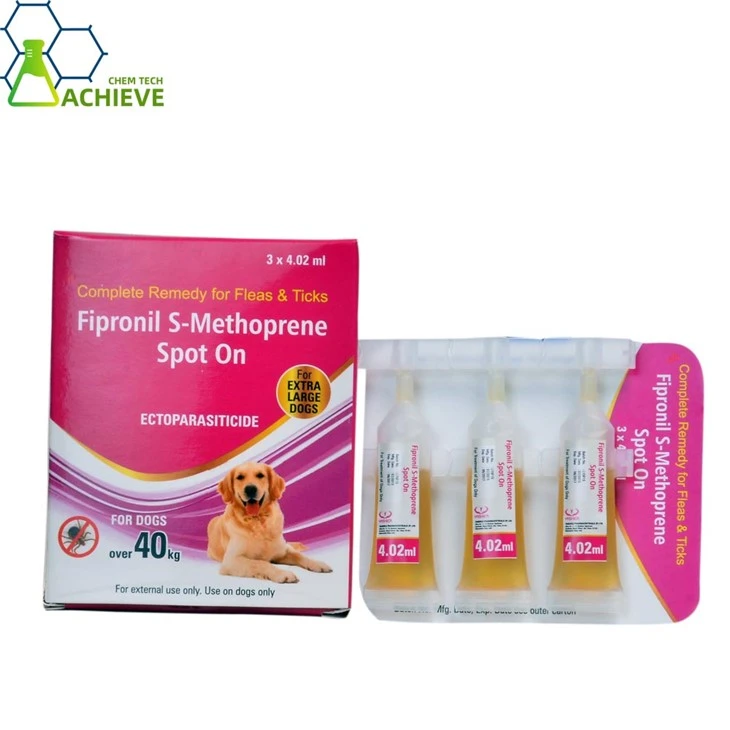
Fipronil Spot-On
1.General Specification(in stock)
(1)API(Pure powder)
PE/Al foil bag/ paper box for Pure powder
(2)Spot-On
cat:0.5ml
dog:0.67ml:2-10kg/1.34ml:10-20kg/2.68ml:20-40kg/4.02ml:40-60kg
(3)Solution
(4)Drops
2.Customization:
We will negotiate individually, OEM/ODM, No brand, for secience researching only.
Product Code:BM-9-018
Fipronil CAS 120068-37-3
How Does Fipronil Spot-On Affect Parasite Nervous System Activity?
The Target: GABA-Gated Chloride Channels
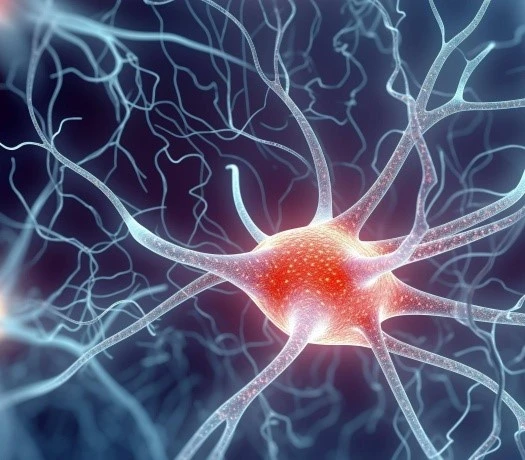
Fipronil is a wide range insecticide of the phenylpyrazole family. The major site of action is the gamma-aminobutyric acid (GABA) gated chloride channel in the insect nervous system. Under normal physiological settings, GABA serves as an inhibitory neurotransmitter, connecting to these channels and enabling chloride ions to enter the nerve cell, thereby "quieting" the neurone and avoiding overstimulation.
Fipronil spot-on blocks this mechanism by binding tightly to those same chloride channels . When the channel becomes clogged, inhibitory nerve impulses can no longer be sent. The outcome is unchecked, unregulated firing of neurones. Parasites treated with fipronil rapidly show hyperexcitation, loss of coordination, paralysis and death.

Selectivity: Why Mammals Are Far Less Affected
Fipronil is widely known to be highly selective for the nervous system of invertebrates rather than mammals. Fipronil binds to insect GABA receptors with far higher affinity than human GABA receptors. This selectivity gap is the result of fundamental differences between insect and vertebrate chloride channel subunits. Data published in the toxicological literature demonstrate that appropriately dosed fipronil spot-on is efficacious against parasites, but safe for cats and dogs at therapeutic concentrations.
Fipronil Spot-On Mechanism of Action: Blocking Signal Transmission in Fleas and Ticks
How the Blockade Cascade Works in Practice
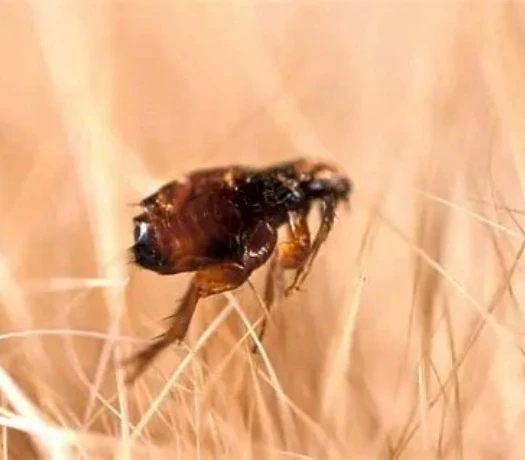
When a flea or tick encounters fipronil-treated skin or fur, the molecule enters the body of the arthropod, either via its cuticle or digestive tract. Once in the body, fipronil is distributed to the central nervous system where it has a high-affinity binding to GABA receptor sites. The channel for chloride stays closed. Neurotransmission inhibitory fails.
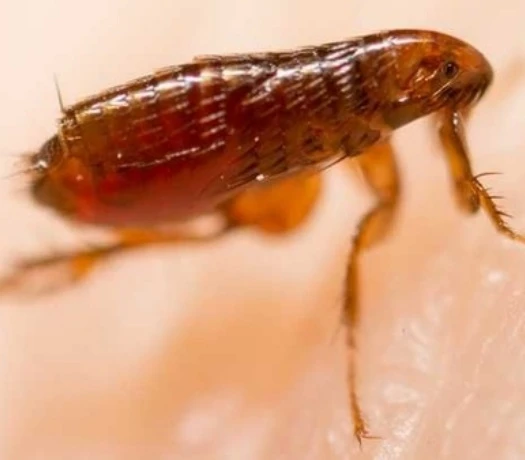
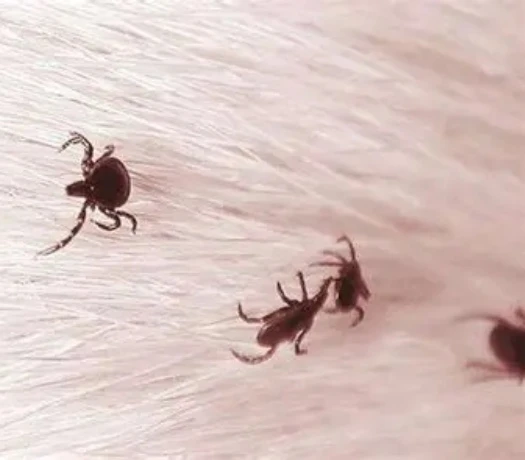
What follows is a predictable and quick sequence: the parasite's motor neurones fire continually, muscle contractions are uncontrolled and the organism cannot eat, move or reproduce. Studies demonstrate mature fleas die within 24 hours of contact with treated skin and ticks are successfully controlled within 24-48 hours.

This quick knockdown is one reason fipronil spot-on remains a dominant topical parasiticide for decades.
Efficacy Across the Parasite Life Cycle
One treatment is enough to kill mature parasites. Fipronil is also active against flea larvae and eggs in the pet's surroundings via secondary contact. Residual action continues to affect immature flea stages when deposits of sebum containing fipronil are transferred from the pet's coat to bedding or carpets. This life-cycle disruption greatly decreases re-infestation rates, providing fipronil spot-on a two-pronged function of instant contact death and longer-term environmental suppression.
How Fipronil Spreads Through Skin Oils to Maintain Continuous Parasite Control
The Sebaceous Gland Distribution Pathway
One of the most exquisite features of the distribution mechanism of fipronil is the ability to spread throughout the complete body surface of the pet from just one spot. The fipronil is absorbed into the sebaceous glands via the skin at the base of the neck where the dog cannot lick it. These glands constantly produce sebum, a lipid-rich secretion that covers the shafts of the hair and the surface of the skin. Fipronil is extremely lipophilic and hence attaches easily to sebum and rides this natural distribution mechanism outwards.
Within 24–48 h, detectable amounts of fipronil had disseminated over the dorsal and lateral surface of the body.
Research data shows that a dosage of 0.5 mL applied to the cat's neck skin may result in a drug concentration as high as 0.12 mg/cm2 and a dose of the corresponding weight in the canine back skin can result in a drug concentration as high as 0.08 mg/cm2. This sebum driven redistribution means that a single spot treatment may protect the whole animal.
Why Skin Physiology Shapes Dosage Design
The skin architecture of dogs and cats is very different. Feline skin has 50–80 hair follicles/cm2 against 30–50 in dogs and cats excrete 1–2 mg sebum/cm2/day compared to 0.5–1 mg in dogs.
These changes explain why cats are given a set dosage of 0.5 mL regardless of body weight, but dogs need weight-graduated doses of 0.67 mL, 1.34 mL, 2.68 mL and 4.02 mL for animals up to 60 kg. Increased follicular density and sebum production in cats allows effective medication distribution from a lower volume. Indeed, clinical residue data confirm this: 30 days after application, the concentration of fipronil on the skin of cats is still around 60% of the original level, but it is only about 40% on the skin of dogs.
Fipronil Spot-On: Exploring the Difference Between Contact Killing and Systemic Treatments
Contact Killing vs. Systemic Distribution
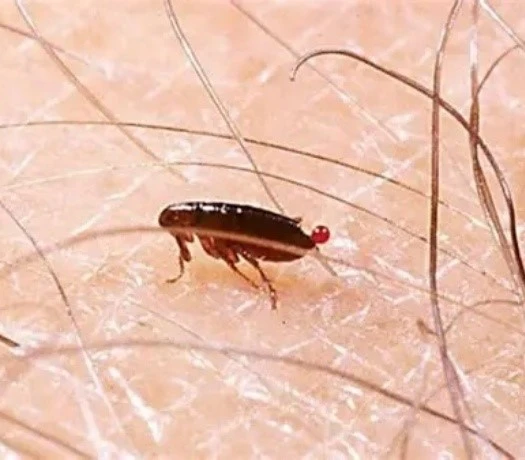
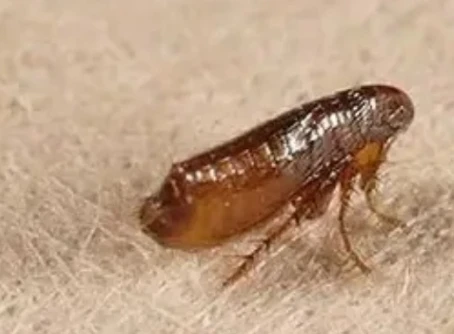
Topical fipronil spot-on acts by direct surface contact and not via systemic circulation. Unlike oral parasiticides that are absorbed into the circulation and need a parasite to bite before exposure to the active ingredient, fipronil works as soon as a flea or tick makes contact with treated skin or hair. This is of practical importance since contact killing means that the parasite does not have to feed on the host, which is very important in the prevention of tick-borne diseases, where transmission may occur within a few hours after attachment.
Persistent Residual Activity on the Skin Surface
Fipronil is degraded more slowly than blood-borne chemicals as it stays concentrated in the sebaceous gland reservoir and does not circulate in the body. Accelerated stability experiments indicate that the degradation rate of the fipronil content in properly formulated spot-on products under normal storage settings is on average not more than 2% per year, therefore supporting a shelf life of 3 years. This residual persistence on the skin surface provides fipronil spot-on its typical 4-8 week protective window per single dosage.
The Role of Fipronil Spot-On in Modern External Parasite Management Strategies
Integration Into Veterinary Parasite Control Protocols
External parasites are not only pests but also carriers of infections such as Bartonella spp., Rickettsia and Borrelia. Fipronil spot-on is important in the integrated parasite control regimens recommended by veterinary organisations worldwide. The wide range action against fleas, ticks and lice, as well as the non-systemic administration method, means that it may be used with concurrent oral health therapies to enable practitioners to develop multi-modal protection strategies without pharmacokinetic conflict.
Market Position and Formulation Innovation
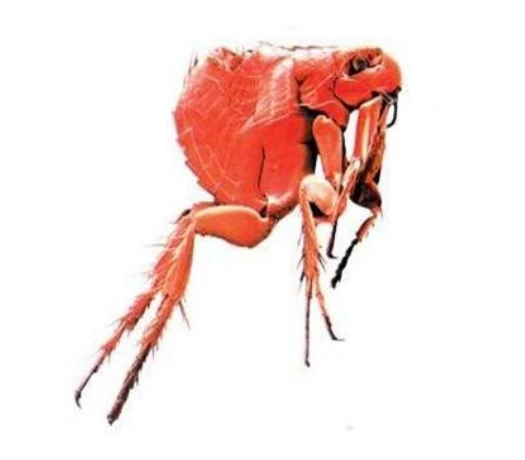
Currently, fipronil spot-on accounts for around 35% of the worldwide pet deworming market. Formulation technology continues to provide new opportunities for usefulness: combination medicines that combine fipronil with insect growth regulators such as S-Methoprene interrupt the flea life cycle at numerous developmental stages and have shown deworming rates of ≥ 98% in clinical studies. Fipronil-loaded liposomes is an example of emerging research into nanotechnology-based delivery to better regulated release patterns and minimise per application amounts. With the global pet care industry expected to be over 30 billion USD by 2025, fipronil-based formulations continue to play a major role in companion animal health and the commercial plans of manufacturers and wholesale suppliers.
Conclusion
The mechanism behind fipronil spot-on is a compelling example of targeted biochemical design. By selectively blocking GABA-gated chloride channels in invertebrate nervous systems, fipronil induces rapid parasite mortality through contact alone - no systemic circulation required. Its distribution via the sebaceous gland network ensures whole-body coverage from a single cervical application, while its lipophilic nature creates a persistent skin reservoir that sustains protection for weeks. For B2B buyers evaluating topical parasiticide products, understanding this mechanism translates directly into confidence in sourcing decisions.
FAQ
Q1: How quickly does fipronil spot-on begin working after application?
+
-
Adult fleas typically begin dying within 24 hours of contacting fipronil-treated skin. Ticks are effectively controlled within 24–48 hours. The rapid knockdown results from immediate disruption of the parasite's inhibitory neurotransmission pathway.
Q2: Why do cats and dogs require different dosage volumes of fipronil spot-on?
+
-
Cats have higher hair follicle density (50–80 per cm²) and greater daily sebum output (1–2 mg/cm²) compared to dogs, enabling efficient drug distribution from a fixed 0.5 mL dose. Dogs require weight-graduated volumes to achieve equivalent skin surface concentrations due to thicker skin and lower sebum secretion rates.
Q3: How long does fipronil spot-on remain effective after a single application?
+
-
A single application provides protection for approximately 4–8 weeks depending on the formulation. Advanced solvent-optimized products have extended this window to 8 weeks. Stability data confirms fipronil degrades at no more than 2% annually under proper storage conditions, supporting product integrity throughout its 3-year shelf life.
Partner With Bloomtechz - Your Trusted Fipronil Spot-On Supplier
If your business requires a dependable fipronil spot-on supplier with verified manufacturing credentials and transparent quality standards, Bloomtechz is prepared to support your procurement goals. Established in 2008 and operating from a 100,000 m² GMP-certified production site holding US-FDA, EU-GMP, JP, and CFDA certifications, Bloomtechz brings over 12 years of organic synthesis expertise to every order. Our triple-layer quality control - factory inspection, in-house QA/QC, and third-party authority verification - ensures every batch meets contract specifications. We offer OEM/ODM options, competitive pricing with a transparent fixed-margin model, and accurate lead times tracked through our ERP platform. Whether you need API-grade fipronil powder, ready-to-ship spot-on formulations, or custom solutions for specific species and weight classes, our team is ready to assist.
Reach out today: Sales@bloomtechz.com
References
1. Bloomquist, J. R. (1996). Ion channels as targets for insecticides. Annual Review of Entomology, 41, 163–190.
2. Cole, L. M., Nicholson, R. A., & Casida, J. E. (1993). Action of phenylpyrazole insecticides at the GABA-gated chloride channel. Pesticide Biochemistry and Physiology, 46(1), 47–54.
3. Rust, M. K., & Dryden, M. W. (1997). The biology, ecology, and management of the cat flea. Annual Review of Entomology, 42, 451–473.
4. Cunningham, J. G., & Klein, B. G. (2013). Textbook of Veterinary Physiology (5th ed.). Saunders Elsevier.
5. Mehlhorn, H., Mencke, N., & Hansen, O. (1999). Effects of imidacloprid and permethrin on adult and larval stages of the flea Ctenocephalides felis after in vivo and in vitro application. Parasitology Research, 85(8–9), 625–637.
6. European Medicines Agency. (2017). Guideline on pharmaceutical development of veterinary medicinal products for topical application to cats and dogs. Committee for Medicinal Products for Veterinary Use (CVMP), EMA/CVMP/QWP/130489/2017.