


Cortisol is a key hormone in metabolism, immunological response and stress management. Small variations in its production can have huge consequences throughout the body. Among the chemicals explored for regulating excess cortisol secretion, trilostane tablets have become one of the most extensively studied, especially in veterinary endocrinology. If you want to understand why this drug affects cortisol synthesis , you need to understand the biochemical pathway of the adrenal gland , the enzymes engaged in the process , and the feedback loops that regulate the hormone levels . This page explores the science that underlies how trilostane works. It is easy-to-understand, accurate, and valuable for researchers, veterinary experts, and procurement teams seeking pharmaceutical intermediates. By the end you will know the mechanism as well as why securing a reliable, well-documented supply of this substance is important to achieve consistent study results and manufacturing quality.
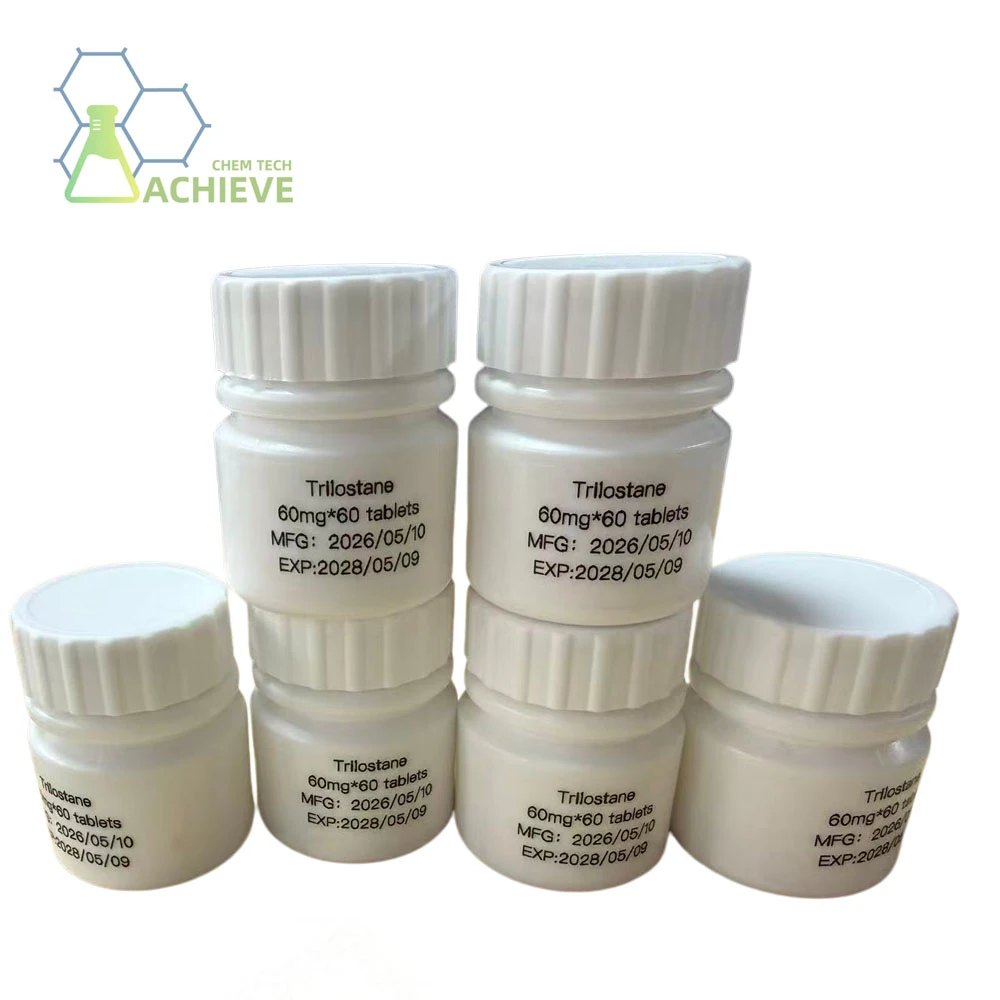
Trilostane Tablets
1.General Specification(in stock)
(1)Injection
Customizable
(2)Tablet
Customizable
(3)API(Pure powder)
PE/Al foil bag/ paper box for Pure powder
HPLC≥99.0%
(4)Pill press machine
https://www.achievechem.com/pill-press
2.Customization:
We will negotiate individually, OEM/ODM, No brand, for secience researching only.
Internal Code: BM-2-016
Trilostane CAS 13647-35-3
Analysis: HPLC, LC-MS, HNMR
Technology support: R&D Dept.-4
How Do Trilostane Tablets Interrupt the Conversion of Pregnenolone During Cortisol Synthesis?
Cortisol is not immediately produced in the adrenal gland. It is made up of a series of chemical transformations starting with cholesterol and going via numerous intermediate molecules to their ultimate hormonal state. Pregnenolone is at the very beginning of this chain and how much it is converted will decide how much cortisol ultimately ends up in the blood stream.
The Role of Pregnenolone in Steroidogenesis
Pregnenolone is synthesised from cholesterol in the mitochondria of cells of the adrenal cortex. It is the common precursor of various steroid hormones once created, like cortisol, aldosterone and the sex steroids. The enzyme that moves pregnenolone down the cortisol route is 3β-hydroxysteroid dehydrogenase, commonly called 3β-HSD. This enzyme transforms pregnenolone to progesterone - a required step before farther down the chain cortisol may be synthesised. Trilostane tablets disrupt this enzyme and hence stop the efficient conversion of pregnenolone. Studies published in veterinary pharmacology publications have demonstrated that this inhibition is reversible and competitive,


meaning that the enzyme is not killed, but simply prevented from performing its normal function.
Why Blocking This Step Matters Clinically
By inhibiting the conversion of pregnenolone at this early step, a bottleneck is created in the whole cortisol manufacturing process. And since every downstream hormone needs progesterone to be there, breaking just this one step cuts production across the board. This is different from medications that work later in the process, as these molecules only influence the end hormone, not the whole supply chain. This early block is very specific therefore trilostane will cause a very predictable and dose-dependent drop in cortisol which is useful for dosage accuracy in clinical and laboratory settings.
Dose Sensitivity and Enzyme Occupancy
The degree of inhibition of the enzyme relies upon the ratio of the amount of substance to the number of binding sites on the enzyme. More of the 3β-HSD enzyme is occupied by higher concentrations, which leads to a greater reduction in the conversion of pregnenolone. Because the inhibition is competitive , not permanent , enzyme activity can resume once compound levels decline , which is why consistent dose schedules crucial in both laboratory research and clinical administration . This is one of the reasons why researchers investigate the pharmacokinetics of trilostane so intensively . Even little variations in formulation can change the amount of enzyme blockage seen at a given dose.
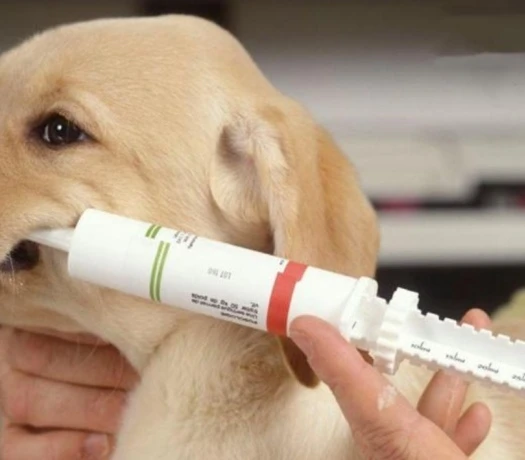
Trilostane Tablets and the Zona Fasciculata: Where Does Cortisol Production Begin to Change?
The adrenal cortex is divided into three unique zones, and each zone produces a different class of steroid hormone. It also helps explain why trilostane has such a targeted effect on cortisol particularly , rather than disrupting every adrenal hormone equally .
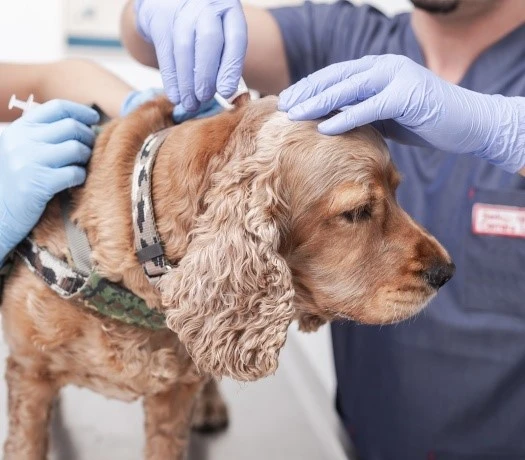
Anatomy of the Adrenal Cortex Zones
The zona glomerulosa (outer) produces aldosterone . The zona fasciculata ( middle ) creates cortisol . The zona reticularis ( inner ) produces androgens . These zones have some enzyme machinery in common, but each zone also has its own distinct features which define its hormone output. Cortisol synthesis occurs mostly in the zona fasciculata, where 3β-HSD activity has the most direct influence on cortisol-specific output. Studies of adrenal histology have demonstrated that this middle zone is very vulnerable to enzymatic alterations, as it is dependent on a very carefully sequenced collection of processes.
How Trilostane Tablets Target This Specific Zone
Because 3β-HSD is present in the whole adrenal cortex, trilostane tablets would be expected to effect all three zones equally. In reality this is where the zona fasciculata has the most pronounced changes in hormone output.This is because, in some ways, cortisol production depends on a longer enzyme chain than aldosterone, and is therefore more susceptible to an early blockage. This is not to say that aldosterone isn't affected, but clinical monitoring has revealed that cortisol levels tend to fluctuate more drastically and consistently, which is part of the reason this substance proved useful for managing disorders involving excess cortisol particularly.
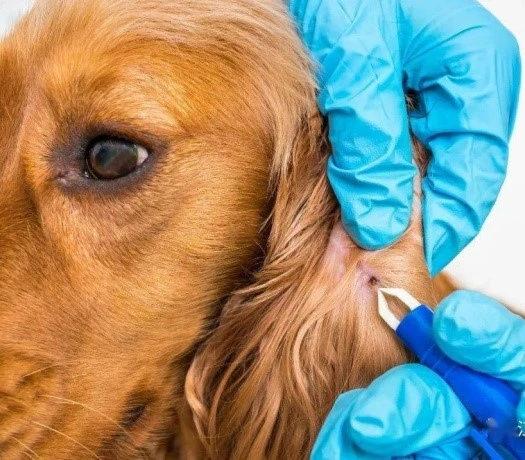

Structural Changes Observed With Extended Use
Veterinary pathology investigations have documented minor structural alterations in the zona fasciculata following long-term trilostane treatment, including some cellular adaptation as the gland adjusts to decreased hormone throughput. Importantly, these changes are often reversible after therapy is discontinued , suggesting that the chemical works through enzymatic inhibition and not lasting cell damage.
Protocols for monitoring usually involve periodic blood tests to see how the gland responds over time, because there is a lot of individual variance in adrenal sensitivity.
How Does 3β-HSD Inhibition Affect the Downstream Enzymes in the Cortisol Synthesis Pathway?
Blocking one enzyme in a multi-step pathway usually doesn't just stop at that one step. All steps of cortisol manufacture are carried out by a chain of enzymes acting in succession and if one link is broken, the others change their behaviour.
The Sequential Nature of Steroid Enzyme Activity
Pregnenolone is converted to progesterone by 3β-HSD . The route proceeds via 21-hydroxylase and 11β-hydroxylase to generate cortisol . Each enzyme requires sufficient substrate from the previous step to function effectively. With trilostane tablets, the amount of progesterone available is reduced and the downstream enzymes have less material to operate with, while their own activity is not directly stopped. This then has a cascade effect down the process and reduces overall cortisol production although only one enzyme was targeted originally.
Compensatory Enzyme Behavior

Interestingly, some of the subsequent enzymes exhibit a little increase in activity when substrate is low , as the body strives to compensate for the lower hormone output .This compensatory behaviour is well known from endocrine research and accounts for the fact that cortisol levels never drop to zero when dosing consistently. This partial compensation occurs because the body's regulatory systems are strong. This is one reason why thorough monitoring remains vital over long periods of treatment. Those who investigate this balance will typically look at intermediate steroid levels to see how much compensation is occurring for the degree of enzyme inhibition.
Impact on Related Hormone Pathways
Progesterone is also a precursor for the synthesis of aldosterone; thus, decreased availability can also have a minor impact on mineralocorticoid secretion.Monitoring procedures generally include electrolyte balance and cortisol levels because of these cross-pathway effects, as aldosterone partially regulates sodium and potassium balance. Despite the major therapy objective being the lowering of cortisol , clinical data have demonstrated that monitoring these linked pathways supports the overall hormonal balance and prevents unexpected consequences .
Trilostane Tablets and ACTH Feedback: Why Can Reduced Cortisol Production Increase ACTH Secretion?
Cortisol is regulated by a feedback loop between the hypothalamus , the pituitary gland and the adrenal cortex . This is called the HPA axis . So this loop responds in a predictable way when cortisol decreases . This is crucial to know when you are assessing therapy outcomes .
Understanding the HPA Axis Feedback Loop
The hypothalamus releases corticotropin-releasing hormone, which instructs the pituitary gland to release a hormone called adrenocorticotropic hormone, or ACTH. Then ACTH will travel to the adrenal cortex and trigger the production of cortisol. Normally, when cortisol levels increase, a signal is sent to the hypothalamus and pituitary to suppress production of CRH and ACTH, which maintains the system in balance. This negative feedback loop is vital to endocrine stability throughout the body.
Why ACTH Rises During Trilostane Treatment
Trilostane pills work by blocking 3β-HSD, reducing the production of cortisol.


The pituitary gland senses the drop in circulating cortisol and responds by boosting the release of ACTH in an attempt to return cortisol to normal levels. This is an old feedback response , not a side effect of the chemical itself . This increase has been regularly shown in clinical investigations using ACTH stimulation testing and is one of the primary diagnostic markers to indicate enzyme blockade is operating as intended. Veterinary endocrinologists frequently prefer the use of ACTH stimulation testing as it assesses how the adrenal gland responds to stress rather than simply assessing resting cortisol levels.
Clinical Relevance of Elevated ACTH
High ACTH doesn't mean there's a problem, but it does need to be watched because lasting high ACTH can eventually make the adrenal glands grow over long treatment periods. This is why follow up testing at regular intervals continues to be a typical feature of treatment programs. This feedback loop also helps us understand why dose modifications may be needed over time as the adrenal gland's response to ACTH may change as treatment progresses. With an understanding of these dynamics, veterinarians and researchers can correctly interpret test findings and not mistakenly interpret an elevated ACTH as a therapy failure.
Cortisol Precursors and Steroid Intermediates: What Do Their Changes Reveal About Trilostane Tablet Activity?
Measuring cortisol alone does not provide a complete picture of how effectively an enzyme inhibitor is functioning. Looking at the precursor molecules upstream of cortisol gives further information on exactly where and how severely the pathway has been disturbed.
Pregnenolone and Progesterone as Diagnostic Markers
3β-HSD sits between pregnenolone and progesterone, and the ratio of the two molecules provides a direct window into enzyme activity. A larger ratio of pregnenolone to progesterone means stronger enzyme blockage, since less pregnenolone is being transformed forward . Laboratory analysis of these intermediates has become a helpful technique in pharmacological research with trilostane tablets. It allows the scientists to determine the degree of inhibition, rather than only the final cortisol levels.
17-Hydroxyprogesterone and Its Significance
Another intermediary to keep an eye on is 17-hydroxyprogesterone, which is further down the road to cortisol.

Changes in the concentration of this molecule can indicate whether inhibition is limited to the early 3β-HSD process or if downstream enzymes are also being affected indirectly. A number of studies have demonstrated that the monitoring of numerous intermediates together, rather than a single marker alone, gives a more complete picture of the response of the entire route to therapy.
Interpreting Intermediate Data for Quality Research
For laboratories and manufacturers who work with steroid intermediates, understanding these precursor connections is critical for quality control and uniformity in formulation.
Thus, the purity and concentration of intermediates are generally controlled by analytical methods such as HPLC and LC-MS so that the results of the research can be trusted and the results are reproducible from batch to batch. This level of analytical rigour is extremely important for pharmaceutical intermediate suppliers. Even little changes in the purity of a molecule might change experimental results, and make data analysis difficult for researchers who depend on constant raw materials.
Conclusion
Cortisol synthesis is a tightly regulated series of enzymatic activities . Trilostane tablets interfere with this chain of reactions by inhibiting 3β-HSD near the beginning of the pathway . This one site of inhibition has a rippling impact on downstream enzymes, adrenal zone activity and the wider ACTH feedback loop. Monitoring of precursor chemicals, such as pregnenolone and progesterone, gives a good indication of how aggressively the pathway has been disturbed at any one time. This insight helps academics, veterinary professionals and pharmaceutical producers make better dose decisions, establish more accurate testing methodologies and feel more confident in their experimental results. A comprehensive understanding of this biochemistry also helps explain why selecting consistent and well-documented raw materials is so important to research accuracy and manufacturing reliability.
Frequently Asked Questions
1. Does trilostane permanently damage the adrenal gland?
+
-
No. Enzyme inhibition by trilostane is reversible, and most structural adrenal alterations recover to baseline after therapy is stopped, studies show.
2. Why do veterinarians use ACTH stimulation tests during treatment?
+
-
ACTH [adrenocorticotropic hormone] stimulation testing examines how the adrenal gland functions when stimulated and so offers a more accurate picture of enzyme inhibition than resting cortisol levels.
3. Can precursor hormone levels predict how well trilostane is working?
+
-
Sure. Alterations in the ratios of pregnenolone and progesterone are usually indicative of the extent of 3β-HSD blockage and are important indicators in clinical and laboratory settings.
Why Choose Bloomtechz as Your Trilostane Tablets Supplier
Bloomtechz has been developing organic synthesising capabilities for over 10 years with a GMP certified production site approved by US-FDA, EU, JP and CFDA authorities. Every batch is verified triple-layer quality control procedure against specified purity criteria including factory testing, internal QA/QC review, and third-party authority analysis. We are a qualified supplier to more than two dozen worldwide pharmaceutical and research organisations, providing fair pricing, accurate lead times and thorough documentation to facilitate easy customs clearance. Whether you are looking for research numbers or support in bulk manufacturing, our staff will handle all enquiries with the same accuracy as a confirmed purchase. As a reliable supplier of Trilostane Tablets, contact our team at Sales@bloomtechz.com to discuss your needs and allow us to support your research or production efforts with confidence.
References
1. Feldman, Edward C., and Richard W. Nelson. Canine and Feline Endocrinology and Reproduction. Saunders Elsevier, 2015.
2. Ramsey, Ian K. "Trilostane in Dogs." Veterinary Clinics of North America: Small Animal Practice, vol. 40, no. 2, 2010, pp. 269-283.
3. Neiger, Reto, et al. "Trilostane Treatment of 78 Dogs with Pituitary-Dependent Hyperadrenocorticism." Veterinary Record, vol. 150, no. 26, 2002, pp. 799-804.
4. Chapman, Patricia S., et al. "Comparison of Trilostane and Mitotane for the Treatment of Pituitary-Dependent Hyperadrenocorticism in Dogs." Journal of Small Animal Practice, vol. 45, no. 2, 2004, pp. 78-83.
5. Reine, Nicole J. "Medical Management of Pituitary-Dependent Hyperadrenocorticism." Topics in Companion Animal Medicine, vol. 22, no. 1, 2007, pp. 32-38.
6. Sieber-Ruckstuhl, Nadja S., et al. "Cortisol, Aldosterone, Cortisol Precursor, Androgen, and Endogenous ACTH Concentrations in Dogs with Pituitary-Dependent Hyperadrenocorticism Treated with Trilostane." Domestic Animal Endocrinology, vol. 31, no. 1, 2006, pp. 63-75.