


Fleas and ticks are more than a nuisance to your pet. They transmit illness, cause skin responses and are transmissible between animals and humans living in the same home. Pet owners everyplace have come to depend on topical parasite prevention to keep their animals safe - and one active ingredient has long been prominently featured in that sector.
Fipronil spot-on is still the gold standard for external parasite control in dogs and cats. Its established track record, simplicity of use and precision mechanism make it the favorite of most veterinarians and pet health specialists when recommended flea and tick prevention. In this essay we talk about why fipronil is so effective, how it works on a biological level on parasites and why it still rules the worldwide pet care industry.
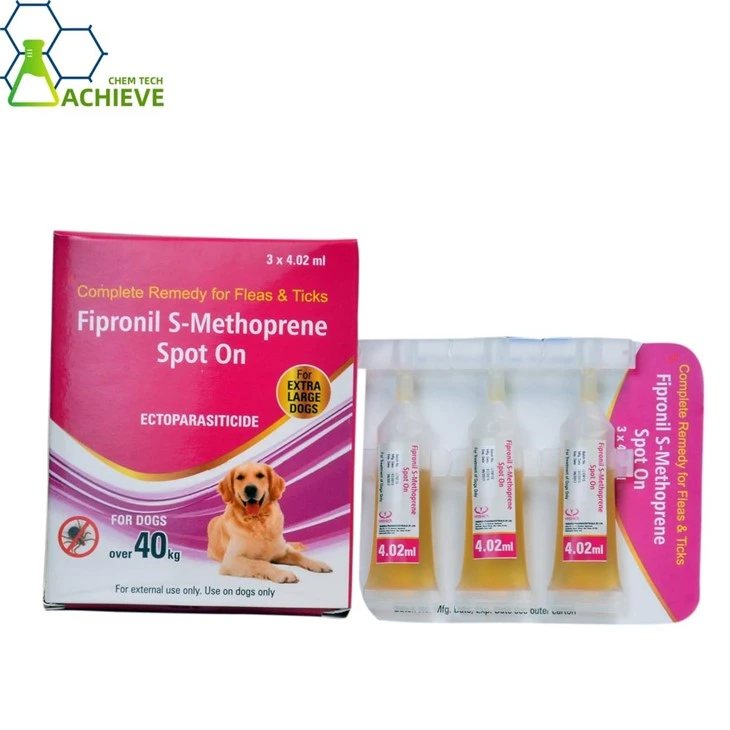
Fipronil Spot-On
1.General Specification(in stock)
(1)API(Pure powder)
PE/Al foil bag/ paper box for Pure powder
(2)Spot-On
cat:0.5ml
dog:0.67ml:2-10kg/1.34ml:10-20kg/2.68ml:20-40kg/4.02ml:40-60kg
(3)Solution
(4)Drops
2.Customization:
We will negotiate individually, OEM/ODM, No brand, for secience researching only.
Product Code:BM-9-018
Fipronil CAS 120068-37-3
Analysis: HPLC, LC-MS, HNMR
Technology support: R&D Dept.-3
How Does Fipronil Spot-On Work Against Fleas and Ticks?
The Science Behind Topical Application
Applying fipronil spot-on to the skin at the back of a pet's neck does not leave the liquid in one location. It reaches the sebaceous glands, which are the oil secreting structures imbedded in the skin, and spreads across the surface of the body in a period of 24 to 48 hours. The active ingredient is delivered in a way that it reaches regions the pet cannot lick, and it forms a continuous protective coating on the skin and coat.
Fipronil is a member of the phenylpyrazole insecticides. The active component is pharmaceutical grade, with ≥95% purity, and effectively binds to target locations in insects and arachnids.
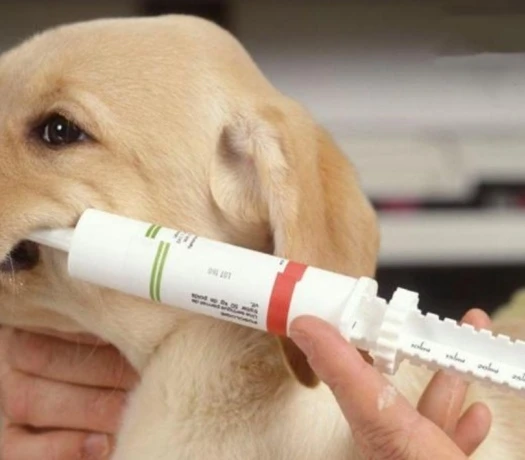
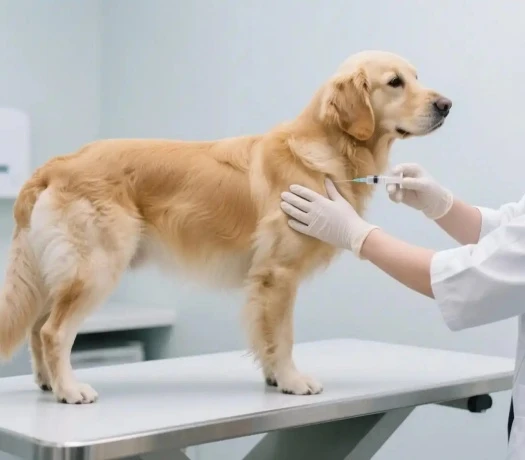
Usually a single application will leave effective concentrations on the skin's surface for up to four weeks, but some enhanced preparations prolong that window to eight weeks.
Why Parasites Cannot Easily Escape It
Fipronil spot-on is a residual barrier, unlike spray-based or collar-based therapies that need direct contact at the time of application. Fleas jumping on a treated animal will absorb the compound via their legs and body wall. Ticks attached to skin are exposed to the chemical in hours. Research has demonstrated that fipronil kills ≥98% of fleas within 24 hours of contact and is one of the fastest acting chemicals available in topical veterinary medicine.
The Fipronil Spot-On Mechanism at Parasite Chloride Channels
Targeting the GABA-Gated Chloride Channel
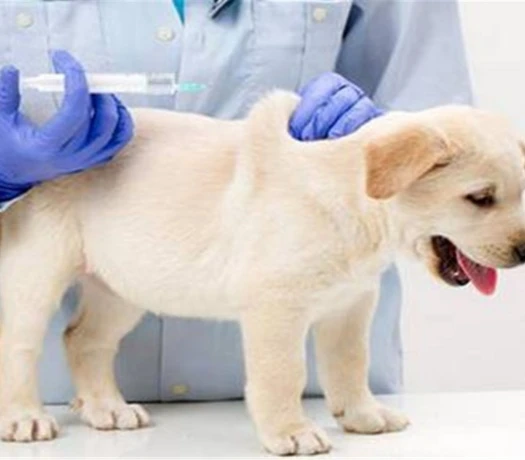
On the cellular level, fipronil blocks a particular protein structure in the parasite's nervous system. This structure is termed the GABA-gated chloride channel . This is a receptor that under normal circumstances permits chloride ions to enter nerve cells , reducing their electrical excitability . Fipronil binds to this channel and blocks it. The chloride ions can no longer enter the cell and the nerve is hyperexcitable.The effect is quick. The parasite is getting uncontrollable nerve firing, so it convulses, becomes paralyzed and dies. This is a precise and powerful effect – fipronil binds the insect chloride channel at doses considerably below those that would activate human receptors, which work differently at the molecular scale.
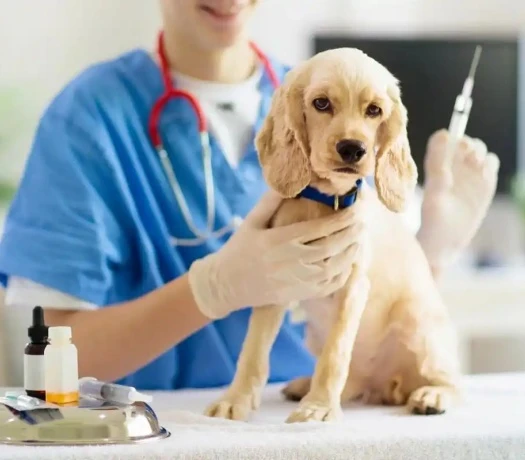
Selectivity That Protects Pets
Selectivity is one of the most significant properties of this system. GABA receptors in mammals have a different structure from those in insects and arachnids. Fipronil has a far greater affinity for binding to invertebrate chloride channels than to vertebrate channels. This distinction is why the chemical works to kill parasites yet is harmless for dogs and cats when taken as indicated.The veterinary pharmacology literature may be consulted for evidence that systemic absorption in healthy adult animals is limited and the incidence of adverse effects is uncommon when the product is administered appropriately to undamaged skin at the therapeutic levels used in fipronil spot-on preparations.
How Fipronil Spot-On Disrupts Parasite Nerve Signaling
The Chain Reaction Inside a Parasite's Nervous System
Blocking the chloride channel with fipronil causes the parasite's nervous system to become uncontrolled. The neurons are firing all the time without the inhibitory signal that chloride ions typically supply. Muscles contract without interruption. Within hours of interaction this cascade of overstimulation - excitation, convulsion and final collapse - occurs. The observable impact on adult fleas is fast cessation of movement and death before they can finish a feeding cycle or deposit viable eggs.
This interruption of the nerve also solves one of the long-standing problems in controlling parasites: the flea life cycle.Adult fleas that die before they reproduce limit the quantity of eggs that are laid on bedding, furniture, and carpet.
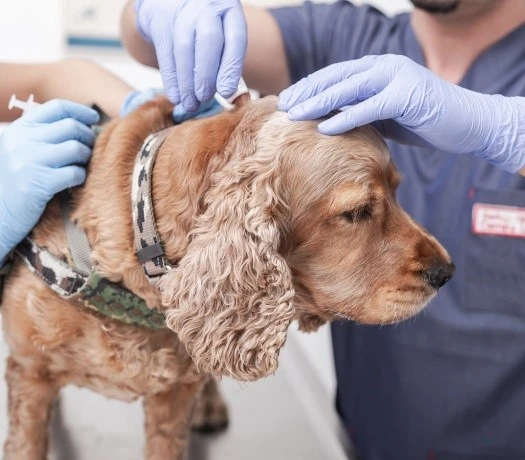
Combined formulations with an insect growth regulator and fipronil further interrupt larval development and the reinfestation cycle at more than one stage.
Fipronil Spot-On for Topical Flea and Tick Control in Dogs and Cats

Dose Design Based on Species and Body Weight
There are major physiological variations between dogs and cats that impact the dissemination and persistence of a topical chemical. The usual thickness of the skin of a cat is 0.3-1 mm. There are 50–80 hair follicles per cm² and the rate of sebum production is 1–2 mg/cm²/day. These characteristics provide good coverage at reduced quantities. Standard cat formulation utilizes 0.5 mL per application.
Dogs have thicker skin (0.5 to 2 mm on the back) and lower follicle density. They produce from 0.5–1 mg·cm⁻²·d⁻¹. Canine formulations scale with body weight to achieve similar skin concentrations, from 0.67 mL for dogs under 10 kg to 4.02 mL for dogs between 40 and 60 kg.
Application Site and Practical Guidance
The usual way to give fipronil spot-on is to put it on the skin at the base of the skull - the part the animal can't lick. Keep the area dry before and after you use it. Bathing or swimming within 48 hours after treatment may diminish effectiveness of product diffusion. Pets in the same home should not be groomed shortly after therapy. These practical methods guarantee that the chemical is adequately distributed in the sebaceous network before any external disturbance.
Why Do Pet Owners Choose Fipronil Spot-On for External Parasite Control?
Proven Efficacy Over Decades of Use
Fipronil spot-on is used in veterinary medicine since mid 1990s. Its continuous real world performance – 35% of the worldwide pet deworming market – shows its staying power in the marketplace. Pet owners using the treatment usually start seeing apparent benefits within 24 hours, as fleas stop migrating and there is a significant reduction in tick attachment rates. The quick start paired with a residual impact that lasts for weeks takes the worry out of dealing with current infestations.
Trusted by Veterinary Professionals Worldwide
Veterinary specialists suggest topical therapies with fipronil due to the wealth of safety and effectiveness evidence available to support its usage.

Controlled testing (OECD 404 rabbit skin procedures) shows skin irritation scores consistently below 2 on an 0-4 scale - several formulations are 0 at 24 hours. Stability of the compound is also well established . Accelerated stability experiments at 40°C/75% relative humidity reveal yearly degradation rates of < 2%, which enable a three-year shelf life for well made items .
Conclusion
Fipronil works because it attacks a biological structure that insects and arachnids can not readily adapt -- and does so in a manner that leaves human physiology mostly untouched at therapeutic dosages. Its ability to penetrate the skin's natural oil system, linger for weeks and kill parasites on the nerve level is why it continues to be the mainstay of veterinary parasite management. Fipronil spot-on is a well-known, reliable product for the protection of animal health, known to pet owners, veterinarians and product manufacturers.
Frequently Asked Questions
1.What makes fipronil effective against both fleas and ticks?
+
-
Fipronil acts by blocking the GABA-gated chloride channel of the insect and arachnid nervous system. This channel is important for controlling nerve activity in fleas (insects) and ticks (arachnids). So fipronil locks this channel shut . In both forms of parasite this produces uncontrollable neuron firing, leading to paralysis and death . So fipronil is really broad-spectrum in its effect .
2.How long does fipronil spot-on remain active after a single application?
+
-
Typical formulas will sustain therapeutic levels on skin and coat for roughly four weeks. Enhanced recipes with better solvent systems may prolong this window to eight weeks. The substance attaches to the oils in the sebaceous glands which operate as a constant reservoir slowly releasing the active ingredient to the surface of the skin over time.
3.Is fipronil spot-on safe to use on both cats and dogs?
+
-
Yes if the right species specific formulation and dosage (based on weight) is utilized. Fipronil binds far more tightly to the invertebrate chloride channels than to mammalian receptors, which is why it may kill parasites at otherwise acceptable levels for dogs. Always choose the product that is labeled for the proper species – you should not give cats formulations that are for dogs.
Partner with Bloomtechz for High-Quality Fipronil Spot-On Supply
Bloomtechz is a professional fipronil spot on supplier, with more than 12 years expertise in precision chemical and pharmaceutical intermediate production. Our manufacturing plant is GMP certified, located in a 100,000 m² facility accredited by US FDA, EU, JP and CFDA. All our production is compliant with the highest international standards.
We sell fipronil spot-on in many formats: pure API powder, ready to use spot-on formulations for cats and dogs, solutions and drops. We may also provide bespoke packaging or formulas for companies requiring OEM and ODM. Our triple-link quality assurance method – including in-factory testing, in-house QA/QC and third-party authority certification – guaranties you get a product that functions precisely as described. We provide a straightforward quality guaranty. If we don't meet any specified criteria, we will reimburse your whole cash.
Whether you are a pharmaceutical distributor, a veterinary product brand, or a research institution, Bloomtechz delivers accurate pricing, verified lead times, and complete documentation for customs clearance. Reach out to our team directly at Sales@bloomtechz.com to discuss your requirements.
References
1. Walker, D. K., & Bloomquist, J. R. (1999). Voltage-sensitive chloride channels as targets for phenylpyrazole insecticides. Pesticide Biochemistry and Physiology, 63(3), 158–167.
2. Cole, L. M., Nicholson, R. A., & Casida, J. E. (1993). Action of phenylpyrazole insecticides at the GABA-gated chloride channel. Pesticide Biochemistry and Physiology, 46(1), 47–54.
3. Rust, M. K., Dryden, M. W., & Payne, P. (2003). Efficacy of topically applied fipronil for controlling fleas and ticks on dogs in field studies. Veterinary Parasitology, 112(3), 167–178.
4. Postal, J. M., Jeannin, P., & Consalvi, P. J. (1995). Field efficacy and safety evaluation of a topical fipronil spot-on formulation in the treatment and prevention of flea infestation in dogs and cats. Veterinary Dermatology, 6(3), 153–158.
5. Cochet, P., Birckel, P., Bromet-Petit, M., Bromet, N., & Weil, A. (1997). Skin distribution of fipronil by microautoradiography following topical administration to the beagle dog. European Journal of Drug Metabolism and Pharmacokinetics, 22(3), 211–216.
6. Delport, P. C., & Fourie, L. J. (2004). Comparative efficacy of topical fipronil spot-on formulations against Rhipicephalus sanguineus and Ctenocephalides felis felis in naturally infested dogs. Journal of the South African Veterinary Association, 75(4), 179–183.