


Feline infectious peritonitis (FIP) is one of the worst diseases that cats can get and has been known to bother cat owners and vets for a long time. FIP, which is caused by an altered form of feline coronavirus, used to be thought of as a death sentence. The discovery of GS-441524 injection has completely changed this story, giving people real hope where there was none before. These nucleotide analogs are a big step forward in veterinary antiviral medicine because they work so well against a disease that used to kill a lot of cats.
To understand why GS-441524 injection has become the best way to treat FIP, you need to know how this substance works at the molecular level. This antiviral drug directly stops the coronavirus lifecycle in affected cells, unlike symptomatic treatments that only deal with side effects. The process is made up of complex biochemical paths that target the machinery used by viruses to copy themselves while keeping cells functioning normally.
Cat owners who have been told their cat has FIP can now use a treatment that has been proven to work by science. There is more and more clinical data to back this treatment, and success rates that were unimaginable just a few years ago have been recorded. This piece talks about the exact ingredients that make this antiviral work so well, the science ideas behind it, and why it is such a big deal in the field of veterinary medicine.
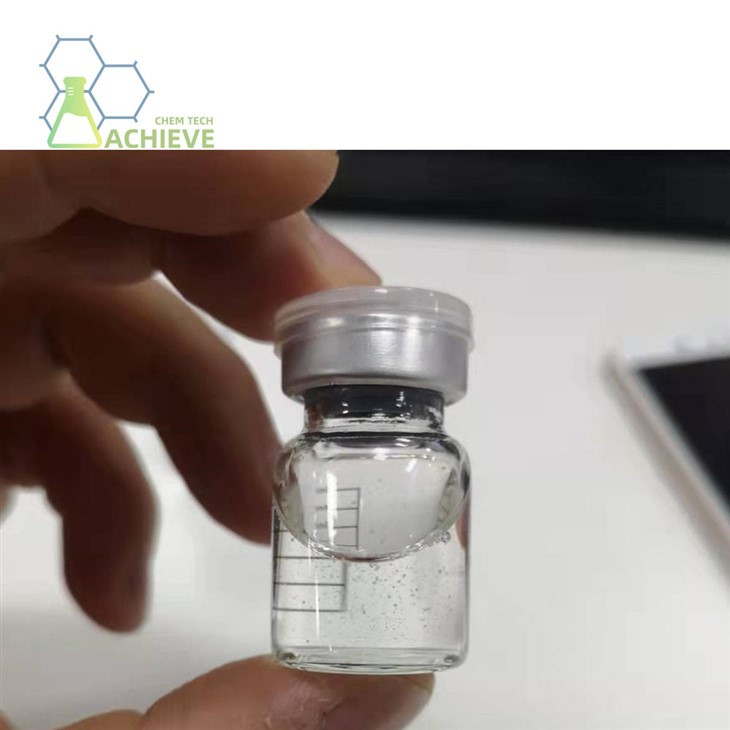
GS-441524 Injection
1.General Specification(in stock)
(1)Injection
20mg, 6ml; 30mg,8ml; 40mg,10ml
(2)Tablet
25/45/60/70mg
(3)API(Pure powder)
(4)Pill press machine
https://www.achievechem.com/pill-press
2.Customization:
We will negotiate individually, OEM/ODM, No brand, for secience researching only.
Internal Code: BM-3-001
GS-441524 CAS 1191237-69-0
Analysis: HPLC, LC-MS, HNMR
Technology support: R&D Dept.-4
We provide GS-441524 Injection, please refer to the following website for detailed specifications and product information.
Product:https://www.bloomtechz.com/oem-odm/injection/gs-441524-injection.html

How GS-441524 Injection Blocks Viral RNA Replication at the Cellular Level?
GS-441524 injection structurally mimics natural adenosine nucleotides. After subcutaneous administration, cellular kinases phosphorylate the compound through a three-step process, converting it to active triphosphate metabolite. This active form resembles adenosine triphosphate, one of RNA's building blocks. Viral RNA-dependent RNA polymerase cannot distinguish between the analog and natural nucleotides. When incorporated into growing RNA chains, the modified nucleotide triggers chain termination.

Disruption of Viral RNA Synthesis

The incorporated analog lacks chemical structure needed for further nucleotide addition, causing premature chain termination. Viral polymerase stalls and cannot complete full-length RNA genomes required for infectious particles. This process selectively affects infected cells because viral polymerases utilize the modified nucleotide more readily than mammalian enzymes. Both positive-strand and negative-strand RNA synthesis cycles are interrupted, completely blocking viral spread and replication.
Subcutaneous administration enables systemic distribution to tissues where feline coronavirus replicates, including peritoneal surfaces, pleural areas, and central nervous system tissues. Cellular uptake creates intracellular drug reservoirs in both infected and uninfected cells. This distribution ensures newly infected cells already contain antiviral compounds capable of blocking replication attempts. Prolonged intracellular retention supports once-daily dosing schedule with maintained therapeutic efficacy.


GS-441524 Injection and Its Role in Targeting Feline Coronavirus Activity

Feline coronavirus exists in enteric and highly virulent FIP-causing forms. GS-441524 injection effectively inhibits both variants, with therapeutic importance primarily for pathogenic strains causing FIP. In vitro viral inhibition studies show dose-dependent reduction of viral RNA. Half-maximal effective concentration values are significantly below clinically achievable drug levels. The enzyme's active site structure facilitates analog incorporation, explaining robust clinical responses.
RNA viruses mutate rapidly, potentially developing drug resistance. Nucleotide analog resistance mutations typically compromise polymerase function with natural nucleotides, imposing significant fitness costs. These functional constraints make resistance development uncommon during standard treatment courses. Cats completing full treatment protocols generally achieve sustained viral control without evidence of resistant variant emergence, distinguishing nucleotide analogs from other antiviral classes.

Broad-Spectrum Activity Against Coronavirus Variants

Viral RdRp is highly conserved across coronavirus types due to its essential function and limited structural tolerance. Experimental data shows the compound inhibits feline, SARS, and MERS coronaviruses with similar potency. Feline coronavirus genomic variations affecting other viral proteins do not reduce polymerase-targeted mechanism effectiveness. Clinical observations across diverse viral genotypes show consistent treatment responses without strain-specific efficacy differences.

Why GS-441524 Injection Is Effective in Controlling Viral Load Progression?
For FIP to be effectively managed, virus replication must be greatly reduced to levels that allow the immune system to heal and inflammatory pathology to go away. Studies that looked at the amount of viral RNA in the fluids and tissues of sick cats showed a direct link between the amount of virus and the seriousness of the disease. Controlling the viral load has become one of the main goals of therapy because higher viral loads are linked to worse symptoms and worse prognoses.
Within days of starting treatment with the GS-441524 injection, levels of measured virus RNA start to drop quickly. Quantitative polymerase chain reaction tests that look for viral genetic material in blood samples show that levels drop by a factor of ten in the first few weeks of treatment. This quick stopping of viral replication stops the exponential growth of the viral population that happens when FIP gets worse without treatment.
This antiviral treatment reduces the viral load by a large amount, which makes it easier for the immune system to get rid of any remaining illness. The treatment lowers the number of viruses to low levels, which lowers the antigen activation that causes bad immune reactions. As viral antigen levels drop, the granulomatous inflammation that is typical of FIP starts to go away. This lets tissue repair processes take over from the damaging inflammatory responses.
Rebound viral replication would not happen if therapy was stopped too soon because the virus would be suppressed throughout the treatment course. The minimum suggested treatment length of 12 weeks comes from the fact that that's how long it takes to stop active viral replication and get rid of lingering viral reservoirs in tissues where drug penetration or cellular turnover might be slow, letting the virus stay there.
Mechanism-Based Antiviral Action of GS-441524 Injection in FIP Cases
Inflammatory tissue damage, virus replication, and immune system stimulation all play a role in the pathophysiology of FIP. When the feline coronavirus infects macrophages, these immune cells release substances that cause inflammation. These substances then attract more immune cells to the infection sites. This chain of inflammation causes the characteristic pyogranulomatous tumors that make organs stop working in cats that have them.
By stopping the growth of viruses, antiviral treatment directly targets the cause of this harmful process. By stopping the virus from replicating in infected macrophages, the GS-441524 injection takes away the trigger that keeps the immune system active. Instead of continuing to make virus proteins and particles, cells either go back to normal function or go through managed apoptosis, which reduces the effects of inflammation.


This medicine is different from immunosuppressive methods that were used in the past to handle FIP because it is based on mechanisms. Immunosuppression may briefly lessen inflammation, but it doesn't stop the virus from replicating, and it usually lets the disease get worse faster. By targeting the viral lifecycle, the antiviral process keeps the defense system working properly while stopping the virus from reproducing.
The clinical reaction patterns seen in cats that were treated show how treatment works. Cats with wet FIP, which is marked by profuse inflammation in body cavities, usually get better quickly because stopping the virus lets the effusion go away and the inflammation go away. In dry FIP cases with granulomatous organ involvement, symptoms get better more slowly as established sores slowly heal after the virus-caused inflammation stops.


Neurological and eye FIP symptoms are especially hard to deal with when the virus replicates in places where the immune system doesn't normally work. Because the antiviral can cross the blood-brain barrier and reach therapeutic levels in tissue in the central nervous system and eye structures, these serious problems can be treated. The mechanism-based action works the same wherever it is found in the body as long as the right dose is used to get enough drug exposure.

How GS-441524 Injection Supports Systemic Viral Suppression in Cats?
For systemic viral control to work, drugs must be consistently exposed across the different parts of the cat's body where the coronavirus infects it. This nucleotide analog's features make it easier for it to get into tissues, such as the peritoneal and pleural surfaces, lymphoid organs, digestive tissues, and structures in the nervous system. This thorough biodistribution makes sure that places in the body where viruses replicate meet drug amounts that stop them.
The daily dose schedule keeps drug levels fixed, which applies constant antiviral pressure. Instead of giving doses at different times, which could allow the virus to replicate during the time between doses, the daily subcutaneous treatment with GS-441524 injection keeps the intracellular active metabolite at levels high enough to stop polymerase in its tracks. This drug profile stops extreme virus replication that could make treatment less effective.
Using dosing plans based on body weight makes sure that each cat gets the right amount of drug exposure based on its own unique pharmacokinetic factors. The dose range of 4 to 8 milligrams per kilogram of body weight is based on the exposure-response relationship that has been established through clinical experience. Cats that have problems with their eyes or nervous systems usually need bigger amounts in this range to make sure the drug gets into the right places.
Subcutaneous application is a useful way to treat people at home, and it works well to absorb into the body's systems. This way of giving the drug doesn't go through first-pass hepatic metabolism like oral treatment would, which could lower drug levels before they reach affected tissues. Being able to treat cats at home during a long treatment process lowers their stress compared to staying in the hospital for a long time while keeping up with therapy.
Therapy is made better by keeping an eye on how well the treatment is working through clinical assessments and lab tests. The fact that the fever went away, the person's appetite and energy level improved, and biochemical abnormalities were restored is concrete proof of the therapeutic effect. If the symptoms don't go away or get worse, it could mean that the dose isn't right or that the patient has a disease that won't respond to treatment, which would require a change in amount or a longer treatment period.
Conclusion
The creation of GS-441524 injection is a huge step forward in antiviral medicine and FIP treatment for animals. The way the substance targets viral RNA polymerase is a scientifically sound way to stop the coronavirus from replicating at the molecular level. This mechanism-based method explains the amazing clinical reactions seen in cats that were previously thought to have died.
The precision of the antiviral mechanism and the drug's good pharmacological qualities make it a useful therapeutic tool for a disease that has been killing cats for decades. The treatment method is still supported by clinical proof, and recorded success rates back up the scientific ideas behind the therapy. The treatment can be done without staying in the hospital because it can stop the virus from spreading for a long time by putting the medicine under the skin every day.
Knowing exactly how this antiviral works gives you faith in your treatment choices and fair expectations for how the treatment will work. This substance has become the best way to treat FIP because it stops the virus from replicating at the cellular and molecular levels, works only on the feline coronavirus, and works through the body's drug systems to stop the virus from spreading.
Ongoing study keeps improving treatment plans and looking into possible uses beyond FIP. The nucleotide analog platform works against other viral pathogens, which suggests that it could be used in more veterinarian situations. Today, cats with FIP can get antiviral treatment that wasn't available just a few years ago. This means that the disease can be treated properly and could be cured, whereas before it was always fatal.
FAQ
1. What makes the GS-441524 injection better than other ways to treat FIP?
+
-
The chemical works as a nucleotide mimic that stops viral RNA polymerase from doing its job. This is an enzyme that is needed for coronavirus replication. Instead of treating symptoms and their side effects, this method gets to the root of the infection by stopping virus reproduction at the cellular level. The mortality rates in clinical tests are much higher than with older treatments, and many cats achieve full remission when they receive the right treatment courses. The polymerase-targeting method is very specific, so it works very well against viruses while having little to no effect on regular cellular processes.
2. How long does most treatment with this virus last?
+
-
Standard treatment plans call for a run of at least 12 weeks to permanently stop the virus and stop return. Some cats with serious disease symptoms, especially those with problems with their eyes or nervous systems, may need treatment that lasts 16 weeks or longer. When deciding how long to treat someone, doctors should keep an eye on their clinical reaction, which means making sure that their symptoms go away and their lab tests stop being odd. Stopping treatment too soon increases the chance of a return because leftover viral reservoirs may allow the virus to replicate and cause the disease to come back.
3. Can cats become immune to this virus while they are being treated?
+
-
The nucleotide analog mechanism is a strong genetic barrier to resistance development because mutations that stop drugs from incorporating usually also make it harder for the polymerase to use natural nucleotides. Because of this functional limit, resistance changes have fitness costs that lower the ability of the virus to copy itself. When cats get the right dose of medicine for the whole suggested treatment length, longer treatment courses have not shown any major resistance emergence. The fact that clinical reactions last even after treatment is over says that resistance is still rare during normal therapeutic applications.

Partner with BLOOM TECH for Premium GS-441524 Injection Supply
When sourcing GS-441524 injection supplier partnerships, quality assurance and regulatory compliance become paramount considerations. BLOOM TECH stands as a qualified manufacturer with GMP-certified production facilities meeting US, EU, JP, and CFDA standards. Our 12-year specialization in organic synthesis and pharmaceutical intermediates ensures the highest purity standards for this critical antiviral compound. We maintain comprehensive quality control through triple-verification protocols spanning factory testing, dedicated QA/QC department analysis, and independent authority certification.
Our transparent pricing structure, reliable lead times documented through ERP systems, and direct factory access eliminate intermediary costs while guaranteeing authentic pharmaceutical-grade material. Whether your requirements involve research quantities or commercial-scale production, our technical expertise and regulatory compliance provide the foundation for successful long-term collaboration. Contact our team at Sales@bloomtechz.com to discuss your specific GS-441524 injection requirements and experience the BLOOM TECH commitment to quality and service excellence.
References
1. Murphy BG, Perron M, Murakami E, et al. In tissue culture and animal tests with cats, the nucleoside analog GS-441524 strongly stops the feline infectious peritonitis virus. Microbiology for animals. 2018;219:226–233.
2. The study by Pedersen NC, Perron M, Bannasch M, et al. A study looked at how well and safely the nucleoside analog GS-441524 treats naturally occurring feline viral peritonitis in cats. Journal of Veterinary Medicine and Surgery for Cats. 2019;21(4):271–281.
3. Dickinson PJ, Thomasy SM, Bannasch M, et al. GS-441524 is an adenosine nucleoside analog that is used as an antiviral drug in cats who have been identified with neurological feline infectious peritonitis. Journal of Internal Medicine in Animals. 2020;34(4):1587–1593.
4. Jones S, Novicoff W, Nadeau J, et al. For treating infectious peritonitis in cats at home, GS-441524-like antiviral medication that is not approved can work. Wildlife. 2021;11(8):2257.
5. Krentz D, Alberer M, Zenger K, et al. Using an oral multi-component drug with GS-441524 to treat cats with feline viral peritonitis has been successful. Varies. 2021;13(11):2228.
6. Yan Y, Liu Q, Sun Z, et al. Anti-coronavirus action and chemical mechanism of nucleoside analog inhibitors of RNA-dependent RNA polymerase. Research on antivirals. 2022;206:105384.