


GS-441524 injection has revolutionized feline infectious peritonitis treatment, transforming a once-fatal disease into a manageable condition. This nucleotide analog specifically targets coronavirus RNA-dependent RNA polymerase, minimizing cellular damage while maximizing antiviral efficacy. Clinical outcomes show complete remission in advanced FIP cases, representing a true breakthrough in veterinary virology that has changed therapeutic paradigms.
1.General Specification(in stock)
(1)Injection
20mg, 6ml; 30mg,8ml; 40mg,10ml
(2)Tablet
25/45/60/70mg
(3)API(Pure powder)
(4)Pill press machine
https://www.achievechem.com/pill-press
2.Customization:
We will negotiate individually, OEM/ODM, No brand, for secience researching only.
GS-441524 CAS 1191237-69-0
Analysis: HPLC, LC-MS, HNMR
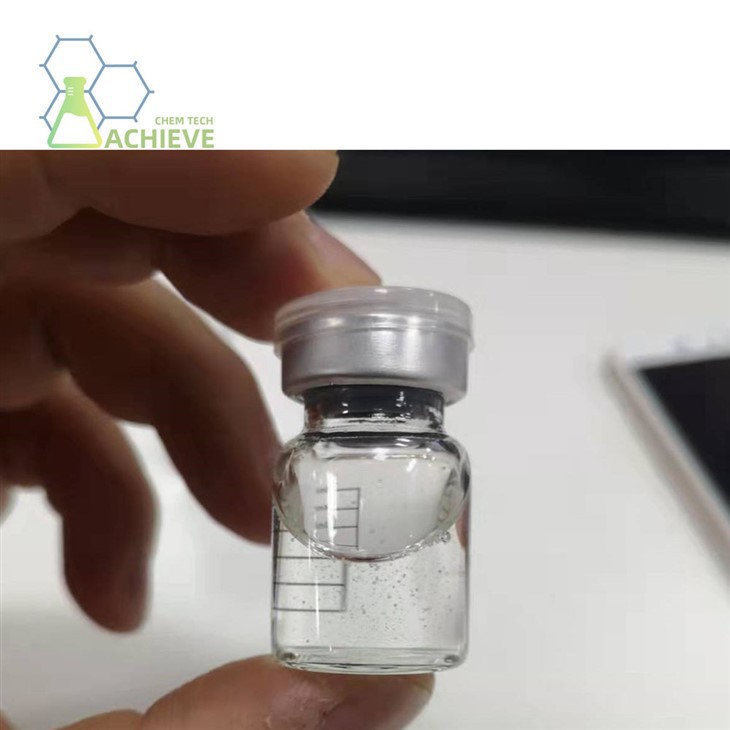
We provide GS-441524, please refer to the following website for detailed specifications and product information.
Product: https://www.bloomtechz.com/oem-odm/injection/gs-441524-injection.html

How GS-441524 Injection Represents a Shift Toward Targeted Antiviral Design?

Precision Mechanisms in Viral Replication Inhibition
GS-441524 injection mimics adenosine structure, incorporating into growing viral RNA strands. When viral RNA polymerase adds this false nucleotide, chain termination occurs before replication completes. Intracellular phosphorylation produces active triphosphate form competing with natural nucleotides at viral polymerase sites. This mechanism shows remarkable selectivity for viral enzymes over mammalian cell machinery, explaining the compound's favorable clinical safety profile.
Evolution Beyond Supportive Care Approaches
Before GS-441524 injection, FIP treatment relied on palliative measures addressing symptoms without viral cause. Antiviral therapy transformed this outlook, achieving over 80% survival rates in early-treated cases. Cats receiving GS-441524 injection regain normal energy, appetite, and behavior. The compound works against both wet and dry FIP forms, eliminating need for disease-specific protocols and changing FIP from death sentence to treatable condition.


Molecular Design Principles Informing Future Development
GS-441524's C-nucleoside structure resists enzymatic degradation while hydroxyl positioning facilitates phosphorylation. Molecular geometry enhances cellular uptake. These structure-function relationships guide smarter antiviral design. The veterinary pharmaceutical industry now invests more in targeted viral polymerase inhibitors for other RNA viruses affecting pets, livestock, and wildlife populations facing emerging infectious disease threats.

GS-441524 Injection and the Evolution of RNA Virus Treatment Strategies
Broad-Spectrum Potential Against Coronavirus Variants
GS-441524 inhibits canine coronavirus, porcine epidemic diarrhea virus, and certain human coronavirus strains in cell culture. This broad activity stems from targeting fundamental replication mechanisms shared across coronaviruses. Unlike surface protein-targeting antivirals that lose efficacy against variants, RNA polymerase-directed agents target stable viral machinery where mutations rarely compromise replication capacity, potentially maintaining effectiveness against evolving viral populations.


Integration with Multimodal Treatment Protocols
GS-441524 integrates with supportive measures including therapeutic fluid removal, nutritional supplementation, and anti-inflammatory agents. Effusive FIP cases benefit from ascites or pleural effusion drainage alongside antiviral therapy. The compound's compatibility with various supportive medications enables individualized protocols based on neurological involvement, ocular symptoms, or hepatic compromise while maintaining consistent antiviral pressure through regular dosing.
Pharmacological Advances in Formulation Science
Formulation improvements for GS-441524 injection have enhanced bioavailability and tissue penetration through optimized vehicle solutions balancing concentration, stability, pH compatibility, and release properties. Different vehicles offer varying absorption rates, tissue tolerance, and storage requirements. Veterinarians select formulations based on injection site tolerance, dosing frequency preferences, and specific physiological needs determined by disease severity or affected organ systems.


Why GS-441524 Injection Marks Progress in Modern Veterinary Virology?

Redefining Treatment Paradigms for Previously Intractable Diseases
GS-441524 transformed FIP from certain death sentence to treatable condition, changing veterinary education, research priorities, and client expectations. Veterinary schools now teach FIP as manageable disease. Research funding shifted toward treatment optimization rather than natural history. Pet owners increasingly seek clinics offering advanced antiviral therapy, driving adoption in general practice settings where such treatments were previously unavailable.
Clinical Evidence Supporting Therapeutic Efficacy
A study of over 300 FIP-diagnosed cats showed 82% survival after 12 weeks of standard GS-441524 treatment. Responders demonstrated rapid clinical improvement within first week with inflammatory markers normalizing within one month. Long-term follow-up indicates durable remission with rare relapse after six months disease-free. These unprecedented results support extended treatment protocols over shorter courses.


Challenges in Regulatory Pathways and Access
GS-441524 faces regulatory uncertainty in many countries without official veterinary approval. Practitioners navigate through compounding pharmacies, importation rules, or compassionate use frameworks. These routes enable access during ongoing regulatory processes but create variability in product quality and cost. Pharmaceutical companies pursue controlled trials while professional organizations advocate for expedited review of treatments for previously untreatable conditions.
Advanced Antiviral Mechanisms Defining GS-441524 Injection Use
Molecular Pharmacology of Nucleotide Analogs
GS-441524 enters cells via nucleoside transporters and undergoes sequential phosphorylation to active triphosphate form. This active molecule competes with natural adenosine triphosphate for incorporation into growing viral RNA chains. Viral RNA-dependent RNA polymerases lack proofreading capabilities, making chain termination more likely after GS-441524 incorporation. This differential polymerase fidelity explains the compound's therapeutic index.


Pharmacokinetic Optimization Through Delivery Systems
Subcutaneous administration of GS-441524 injection enables prolonged absorption maintaining therapeutic levels between doses while supporting home-based treatment. Radiolabeled distribution studies show excellent central nervous system penetration essential for neurological FIP. Sufficient concentrations reach ocular tissues, peritoneum, and abdominal organs where various FIP forms replicate. This distribution pattern supports comprehensive viral suppression across affected body sites.
Resistance Mechanisms and Long-Term Viral Suppression
RNA polymerase mutations reducing GS-441524 susceptibility have been identified in laboratory selection studies, typically affecting enzyme active sites. These mutations often impose fitness costs reducing replication efficiency. Clinical resistance remains rare with adherence to recommended dosing and duration. Full treatment courses eliminate viral populations before resistant variants emerge, minimizing resistance risk through high genetic barrier requirements.


How GS-441524 Injection Supports Next-Generation Feline Treatment Models?
Integration into Evidence-Based Veterinary Medicine
Systematic observation, data collection, outcome analysis, and protocol refinement have shaped GS-441524 treatment standards. Collaborative research networks generate evidence filling gaps in formal clinical trial data. Resulting standards specify dosing schedules, treatment duration, monitoring protocols, and relapse management. This evidence-based refinement demonstrates ongoing improvement central to modern veterinary practice.
Economic Considerations in Advanced Veterinary Therapeutics
Treatment costs require comparison against euthanasia as historical FIP outcome. Economic analyses show successful treatment offers significant value when considering years of life gained, especially in young cats. Cost per quality-adjusted life year compares favorably with many human and veterinary interventions. Payment plans and charitable programs help address affordability barriers.
Future Directions in Coronavirus Therapeutics
GS-441524 success has stimulated development of next-generation antivirals with improved oral bioavailability, extended half-lives reducing dosing frequency, or enhanced potency enabling lower doses. Combination therapies with immunomodulators, protease inhibitors, or monoclonal antibodies may accelerate viral clearance. Lessons learned inform therapeutic approaches for other viral diseases affecting companion animals, livestock, and wildlife.
Conclusion
The GS-441524 injection is a turning point in veterinary antiviral treatment. It turns a condition that was always fatal into one that can be treated and has a good outlook if it is treated quickly. The compound's success is due to careful molecular design that targets conserved virus replication machinery, a deep knowledge of pharmacokinetic needs, and ongoing clinical research that shows the best ways to treat patients.
In addition to the instant effect it had on treating FIP, this therapeutic agent set important examples for the creation of new drugs for animals, the improvement of protocols based on evidence, and the use of advanced therapeutics in everyday practice. It represents a change from hospice care to curative purpose, which affects how veterinarians treat viral diseases in all kinds of animals and situations.
As regulatory routes become clearer, products get better, and clinical experience grows, it's likely that GS-441524 injection will become even easier to get and work better. The treatment model it represents-which combines rigorous science, humane application, and constant improvement-points to a future where focused therapeutic approaches will be able to help more and more veterinary diseases that were previously impossible to treat.
FAQ
1. What distinguishes GS-441524 injection from other antiviral compounds used in veterinary medicine?
Coronaviruses need an enzyme called RNA polymerase, which is what GS-441524 injection does. It works by targeting this enzyme very specifically. Broad-spectrum antivirals can affect many cellular processes. This nucleotide analog, on the other hand, only affects the virus replication machinery and has little to no effect on regular cellular RNA synthesis. The substance is able to reach a lot of different tissues, including the brain and eyes. This means that it can effectively treat FIP symptoms that affect these safe places. Clinical data shows reaction rates of more than 80% in carefully chosen patients, which are results that have never been seen before for a disease that was thought to be fatal in the past.
2. How long do most treatment plans that include GS-441524 injections last?
Standard treatment plans call for a minimum of 12 weeks of daily GS-441524 injections, but some cases need longer therapy based on the seriousness of the disease, the parts of the body affected, and the person's reaction. Cats with cerebral or eye symptoms often do better with longer treatment periods-sometimes up to 16 weeks or more-to make sure that the virus is completely cleared from these immune sites. During treatment, veterinarians keep an eye on clinical factors and inflammation markers. They use these to help them decide how long to treat the animal. Early quitting raises the risk of return, so following through with recommended classes is crucial for the best long-term results.
3. For what kinds of viruses can the GS-441524 injection be used besides cats?
While most of the clinical research and data on GS-441524 injection is focused on treating infectious gastroenteritis in cats, lab studies have shown that it can also fight coronaviruses that affect other species. Some vets have looked into using it on dogs who might have conditions linked to the coronavirus, but there isn't as much structured clinical data to support these uses as there is for cats. The fact that the compound targets conserved viral replication machinery suggests that it might have a wider range of uses. However, changes in pharmacokinetics, safety profiles, and the best way to dose animals need to be studied before feline methods can be applied to other animals. The current suggestions based on proof are mostly for cats, where a lot of clinical experience backs up normal treatment methods.

Partner with BLOOM TECH for Premium GS-441524 Injection Supply Solutions
BLOOM TECH is a leader in the sale of pharmaceutical intermediates and specialty chemicals. They give veterinarians and research institutions access to high-quality GS-441524 injection materials that come with full quality guarantee. Our production sites are GMP-certified and also hold US-FDA, EU-GMP, and PMDA certifications. This makes sure that every batch meets the highest international standards for pharmaceuticals. As a reliable GS-441524 injection provider, we offer full customs clearance paperwork, certificates of analysis from third-party testing labs, and expert help throughout the whole procurement process. We have clear pricing with fixed margins that lets you get what you need without breaking the bank. We've also worked with 24 big international pharmaceutical companies for a long time, which shows that we can regularly meet strict requirements. Whether you need small amounts for study or large amounts for business use, our supply chain system makes sure that you get the product on time and in good condition from the time it is manufactured until it is delivered.
Talk to our expert team about your GS-441524 injection needs and find out how BLOOM TECH's focus on quality and low prices can help you reach your medical or research goals. Email us at Sales@bloomtechz.com right now to get full product details, quotes that are based on your volume needs, and paperwork that will help you with your quality control processes.
References
1. Pedersen NC, Perron M, Bannasch M, Montgomery E, Murakami E, Liepnieks M, Liu H. Efficacy and safety of the nucleoside analog GS-441524 for treatment of cats with naturally occurring feline infectious peritonitis. Journal of Feline Medicine and Surgery. 2019;21(4):271-281.
2. Murphy BG, Perron M, Murakami E, Bauer K, Park Y, Pandey K, Haese NN, Jurgens EM, Shin H, Jain R, Reid SP, Okamoto K, Ogilvie CB, Pedersen NC. The nucleoside analog GS-441524 strongly inhibits feline infectious peritonitis virus in tissue culture and experimental cat infection studies. Veterinary Microbiology. 2018;219:226-233.
3. Jones S, Novicoff W, Nadeau J, Evans S. Unlicensed GS-441524-like antiviral therapy can be effective for at-home treatment of feline infectious peritonitis. Animals. 2021;11(8):2257.
4. Dickinson PJ, Bannasch M, Thomasy SM, Murthy VD, Vernau KM, Liepnieks M, Montgomery E, Knickelbein KE, Murphy B, Pedersen NC. Antiviral treatment using the adenosine nucleoside analogue GS-441524 in cats with clinically diagnosed neurological feline infectious peritonitis. Journal of Veterinary Internal Medicine. 2020;34(4):1587-1593.
5. Krentz D, Zenger K, Alberer M, Felten S, Bergmann M, Dorsch R, Matiasek K, Kolberg L, Hofmann-Lehmann R, Meli ML, Spiri AM, Jagoda A, Metzger J, Fischer A, Hartmann K. Curing cats with feline infectious peritonitis with an oral multi-component drug containing GS-441524. Viruses. 2021;13(11):2228.
6. Yan X, Dong L, Liu N, Du Y, Wu R, Yue X, Chang J. Retrospective study of the clinical efficacy of injectable remdesivir and GS-441524 in cats naturally infected with feline infectious peritonitis in China. Veterinary Sciences. 2022;9(7):336.