


Retatrutide, a triple receptor agonist targeting GLP-1, GIP, and glucagon receptors, is revolutionizing obesity and diabetes treatment. Meanwhile, GHK-Cu, a naturally occurring copper-binding tripeptide, is redefining regenerative medicine with its multifaceted benefits in tissue repair, anti-aging, and antioxidant protection.
As the global burden of metabolic diseases intensifies and demand for anti-aging solutions grows, two substances with breakthrough mechanisms-Retatrutide (a triple hormone receptor agonist) and GHK-Cu (blue copper peptide)-are emerging as research focal points. The former reshapes metabolic equilibrium through multi-target synergistic action, while the latter promotes tissue repair by regulating cellular signaling via copper ion mediation. Complementary in both mechanism and application scenarios, these two substances collectively expand the frontiers of modern medicine.
Business Case
|
|
|
|
|
|



Retatrutide
|
|
|
► The Rise of Obesity and Diabetes: A Global Health Crisis
Obesity and type 2 diabetes mellitus (T2DM) have emerged as two of the most pressing public health challenges of the 21st century. According to the World Health Organization (WHO), obesity affects over 650 million adults worldwide, while T2DM affects more than 422 million people. These conditions are closely intertwined, with obesity being a major risk factor for T2DM, cardiovascular disease, and several cancers. The economic burden of these diseases is staggering, with global healthcare costs estimated to exceed $1 trillion annually. Traditional therapies, including lifestyle modifications and single-receptor agonist medications, have shown limited efficacy in addressing the root causes of these conditions, necessitating the development of novel therapeutic approaches.
► Retatrutide's Innovative Mechanism of Action
Retatrutide (LY3437943), developed by Eli Lilly and Company, is a groundbreaking triple agonist that simultaneously targets glucagon-like peptide-1 (GLP-1), gastric inhibitory polypeptide (GIP), and glucagon receptors (GCGR). This multi-receptor approach sets Retatrutide apart from existing medications like semaglutide (Wegovy), which acts solely on the GLP-1 receptor, and tirzepatide (Mounjaro), which targets GLP-1 and GIP. By engaging all three receptors, Retatrutide exerts a synergistic effect on metabolic pathways, leading to enhanced insulin secretion, improved glucose homeostasis, and refined appetite modulation.
1)GLP-1 Receptor Activation: GLP-1 is an incretin hormone that stimulates insulin secretion in response to oral glucose intake, delays gastric emptying, and suppresses appetite. Retatrutide's activation of the GLP-1 receptor mimics these effects, reducing blood sugar levels and promoting satiety.
2)GIP Receptor Activation: GIP, another incretin hormone, enhances insulin response and supports the utilization of fat stores in adipose tissue for energy. By activating the GIP receptor, Retatrutide improves insulin sensitivity and promotes fat metabolism.
3)Glucagon Receptor Activation: Glucagon, a hormone produced by the pancreas, increases energy expenditure and promotes fat burning. Retatrutide's activation of the glucagon receptor enhances these effects, leading to increased calorie expenditure and weight loss.
The balanced activity of all three components-GLP-1, GIP, and glucagon-in Retatrutide is crucial for its maximal efficacy. The addition of glucagon activity to the GLP-1/GIP combination enhances weight loss through increased energy expenditure and improved hepatic lipid handling, explaining Retatrutide's superior efficacy compared to dual or single receptor agonists.
GHK-Cu
|
|
|
► The Discovery and Biology of GHK-Cu
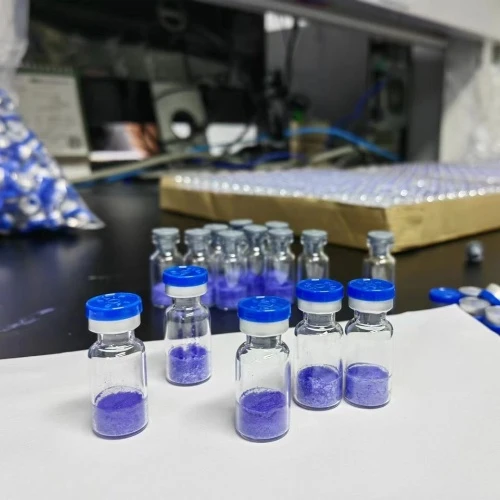
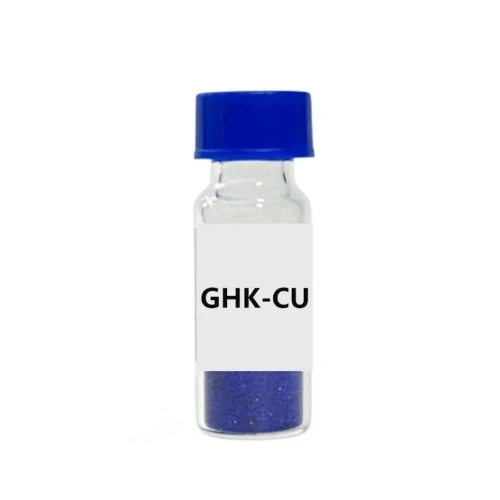
GHK-Cu (Glycyl-L-Histidyl-L-Lysine-Copper) is a naturally occurring tripeptide-copper complex first isolated from human plasma, serum, and urine. This bioactive compound plays a fundamental role in tissue repair and regeneration processes throughout the body, with levels declining significantly during aging. GHK-Cu's regenerative properties stem from its ability to stimulate collagen synthesis, modulate gene expression, and enhance antioxidant and anti-inflammatory activity.
► Mechanisms of Action: A Multifaceted Approach to Regeneration
GHK-Cu exerts its therapeutic effects through multiple interconnected molecular pathways:
1)Collagen and Extracellular Matrix Modulation: GHK-Cu activates collagen synthesis pathways, leading to increased production of collagen, dermatan sulfate, chondroitin sulfate, and decorin-key components of the extracellular matrix that provide structural support to tissues. This effect is crucial for wound healing, skin rejuvenation, and joint health.
2)Gene Expression Regulation: GHK-Cu promotes comprehensive gene modulation, upregulating genes involved in tissue repair and downregulating those associated with inflammation and fibrosis. This gene regulatory effect underlies GHK-Cu's ability to improve skin texture, reduce wrinkles, and enhance tissue regeneration.
3)Antioxidant and Anti-Inflammatory Activity: GHK-Cu scavenges free radicals, reducing oxidative stress and inflammation, which are key drivers of aging and tissue degeneration. By increasing the activity of antioxidant enzymes like superoxide dismutase (SOD) and glutathione peroxidase (GPx), GHK-Cu protects cells from damage and promotes cellular health.
4)Angiogenesis and Nerve Outgrowth: GHK-Cu supports the formation of new blood vessels (angiogenesis) and nerve fibers (neurogenesis), essential for tissue repair and regeneration. This effect is particularly beneficial in wound healing, stroke recovery, and neurodegenerative diseases.
The Synergy Between Retatrutide and GHK-Cu
While Retatrutide and GHK-Cu operate in distinct therapeutic domains-metabolic health versus regenerative medicine-their underlying mechanisms share common themes of modulating cellular signaling pathways, enhancing tissue function, and promoting overall health. This overlap suggests potential synergies between the two compounds, particularly in conditions where metabolic dysfunction and tissue degeneration coexist, such as diabetic wounds, obesity-related joint pain, or aging-associated frailty.
For example, Retatrutide's ability to improve glycemic control and reduce inflammation in diabetic patients could create a more favorable environment for GHK-Cu-mediated wound healing, accelerating the closure of chronic ulcers. Similarly, GHK-Cu's regenerative effects on joints and tendons could complement Retatrutide's weight loss benefits in obese individuals, reducing mechanical stress on musculoskeletal tissues and improving mobility.
While direct clinical evidence supporting such combinations is currently lacking, the theoretical basis for synergy is compelling. Future research should explore the potential of combining Retatrutide and GHK-Cu in preclinical models and, eventually, in human trials, to determine whether their combined effects exceed those of either compound alone.
Retatrutide and GHK-Cu represent two of the most promising compounds in modern medicine, each addressing critical unmet needs in their respective fields. Retatrutide's triple-receptor agonist mechanism offers a comprehensive solution to obesity and diabetes, with the potential to prevent or reverse associated comorbidities. GHK-Cu's regenerative properties, on the other hand, provide a natural, safe, and effective approach to tissue repair, anti-aging, and antioxidant protection.
As research continues to unravel the full potential of these compounds, their applications are likely to expand, transforming the landscape of metabolic health and regenerative medicine. Whether used alone or in combination, Retatrutide and GHK-Cu herald a new era of precision therapeutics, where targeted interventions address the root causes of disease, promoting lasting health and well-being. The future of medicine is bright, and compounds like Retatrutide and GHK-Cu are leading the way.