


Glucagon like peptide-1 (GLP-1), also known as Glucagon Like Peptide-1, is a 30 amino acid peptide hormone secreted by intestinal L cells and is a core member of the enteropancreatin family. It is mainly synthesized in the L cells of the ileum and colon, and is released into the bloodstream after being stimulated by nutrients such as carbohydrates and fats, making it a natural "blood sugar steward" and "appetite brake" in the human body. The story of GLP-1 reflects a profound transformation in the entire paradigm of metabolic disease treatment, from being initially seen as a common incretin to becoming one of the hottest drug targets worldwide.
1.General Specification(in stock)
(1)API(Pure powder)
2.Customization:
We will negotiate individually, OEM/ODM, No brand, for secience researching only.
Internal Code: BM-1-187
GLP-1 7-37 CAS 106612-94-6
Molecular formula: C151H228N40O47
Molecular weight: 3355.67
Manufacturer: BLOOM TECH Wuxi Factory
Analysis: HPLC, LC-MS, HNMR
Main market: USA, Australia, Brazil, Japan, Germany, Indonesia, UK, New Zealand , Canada etc.
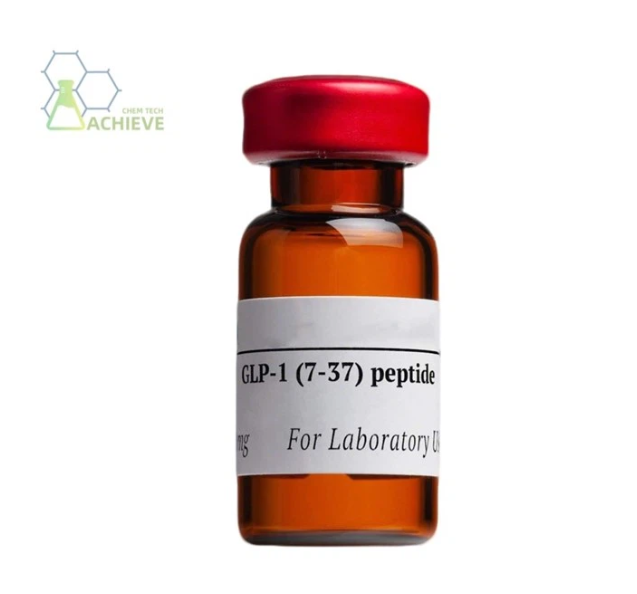
We provide GLP-1, please refer to the following website for detailed specifications and product information.
Product: https://www.bloomtechz.com/synthetic-chemical/api-researching-only/glp-1-7-37-peptide.html
Anjin GIPR antibody coupled GLP-1 new drug AMG 133 adds maintenance therapy phase III clinical trial
On May 8, 2026, Anjin registered the GIPR antibody coupled GLP-1 new drug AMG 133 (Maridebart Caffraglutide) on the Clinicaltrials.gov website for the maintenance therapy phase III clinical trial MARITIME-SWITCH after GLP-1 treatment.
The Phase III clinical plan will enroll 300 subjects and is expected to be completed by January 2028. The inclusion criteria for this Phase III clinical trial are a population with BMI225 (non obesity criteria above 30) and a weight loss rate of over 10% after GLP-1 treatment. From the perspective of the primary endpoint and secondary efficacy endpoint, the goal of this phase III clinical trial is to maintain the weight loss effect of GLP-1 through AMG 133, that is, to control rebound.
AMG 133 (Maridebart Caffraglutide) is the world's first GIPR antibody coupled GLP-1 new drug developed by Amgen. It adopts a unique structure of GIPR antagonist antibody linked with GLP-1 agonist peptide, which is different from conventional GLP-1/GIP dual agonists. It achieves strong weight loss by activating GLP-1 receptors to suppress appetite and blocking GIP receptors to weaken lipophilic effects.
Roche GLP-1R/GIPR dual agonist RO7795068 injection received implied CDE approval for domestic clinical application
Recently, the official website of the China National Center for Drug Evaluation (CDE) showed that Roche's Class 1 new drug RO7795068 injection wave clinical trial application has been granted implied permission, with the proposed indication being: suitable for long-term weight management of obese or overweight adult patients on the basis of controlling diet and increasing exercise.
RO7795068 is a GLP-1R/GIPR dual agonist developed by Carmot. In December 2023, Roche acquired the product from Carmot for $3.1 billion. The Insight database shows that the obesity indication for RO7795068 has advanced to the clinical stage in Sichuan overseas.
The Phase I results showed that subcutaneous injection of RO7795068 once a week (gradually increasing the dose to 24mg) significantly reduced the patient's weight by 22.5% (estimated efficacy), and did not reach the weight loss plateau at 48 weeks.
The study observed a significant dose-response relationship between weight loss and dosage. In the analysis of treatment plan estimates, RO7795068 achieved a placebo corrected weight loss of 18.3% (p<0.001).
Discovery History
From Lizard Saliva to Nobel Prize
The story of GLP-1 began with the discovery of glucagon by Starling and Bayliss in 1902, but it wasn't until nearly thirty years ago that its hypoglycemic potential was truly revealed.
The earliest breakthrough came from a lizard - in 1992, scientists extracted a peptide called Exenatide from the saliva of the Gila monster. This peptide has 53% homology with the amino acid sequence of human GLP-1, but can resist rapid degradation by dipeptidyl peptidase-4 (DPP-4) in the body, with a plasma half-life of up to 2.4 hours, far exceeding the less than 2 minutes of natural GLP-1.
This discovery directly gave rise to the world's first GLP-1 receptor agonist drug, exenatide (trade name: Bacitracin), which was approved for market by the FDA in 2005.
In 2023, Svetlana Mojsov and Joel Habener, two pioneers in the field of GLP-1 research, were awarded the Lasker Basic Medical Research Award along with Katalin Karik ó for their contributions to the discovery of enteropancreatin, further confirming the milestone status of GLP-1 in modern medicine.
In 2024, Semaglutide's annual sales exceeded $20 billion, making it the global "drug king" and pushing GLP-1 to the commercial peak.