


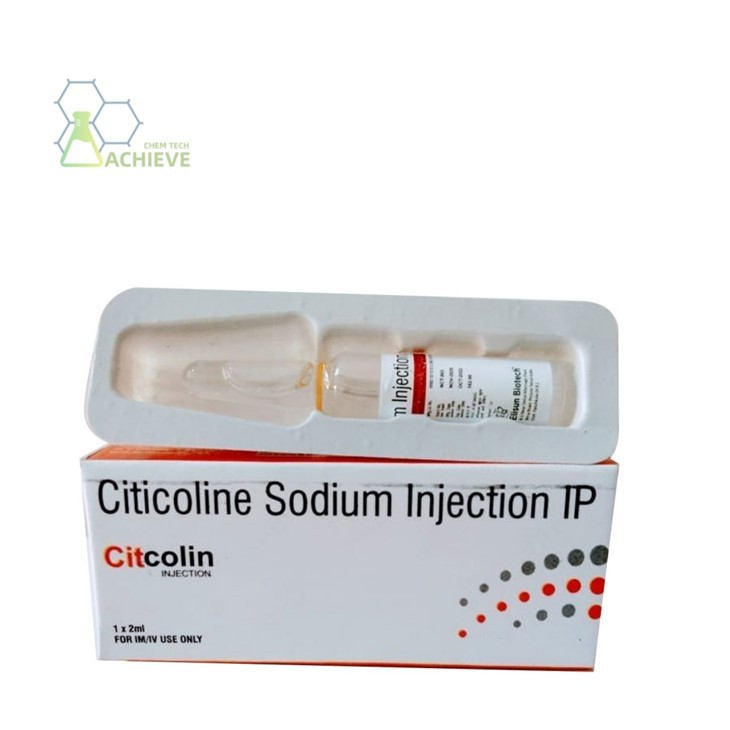

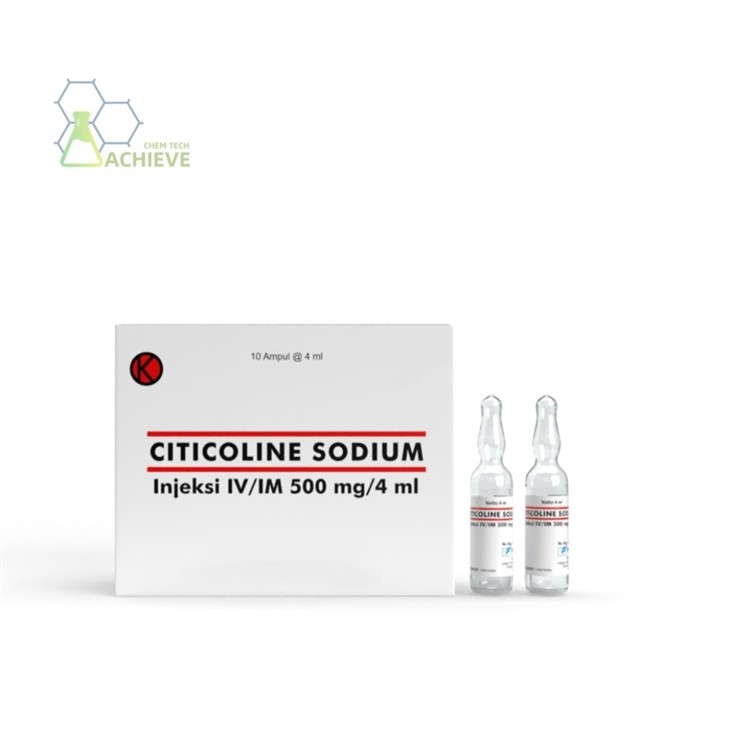
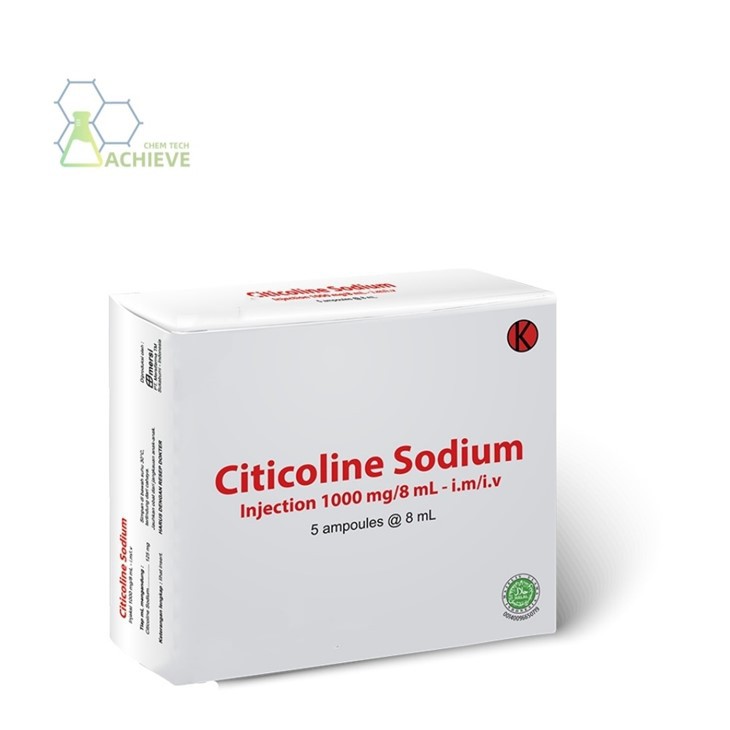
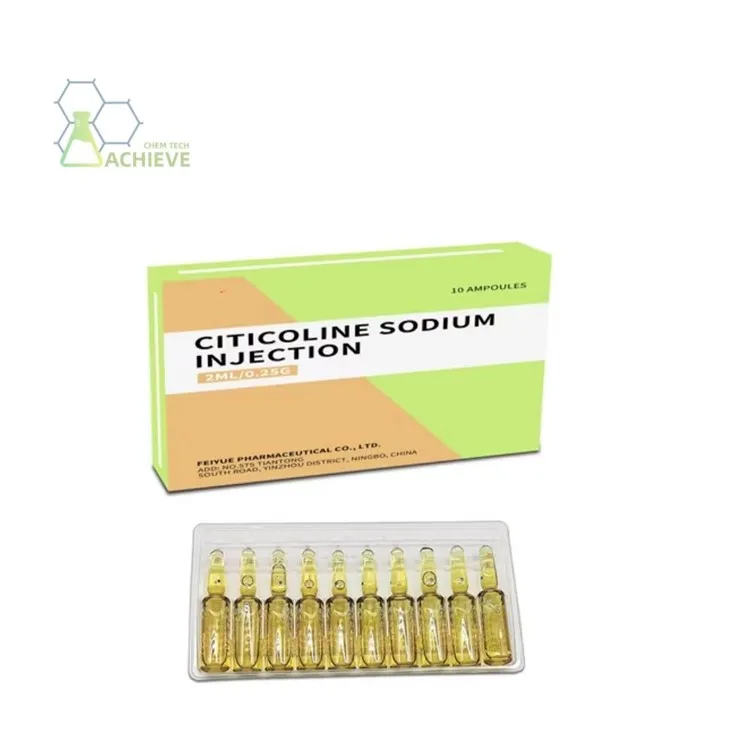
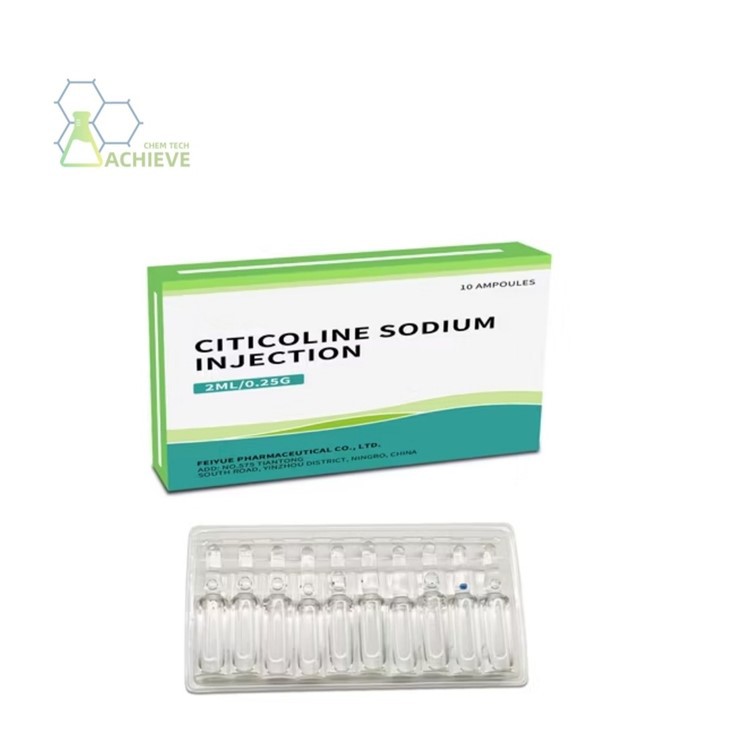
Shaanxi BLOOM Tech Co., Ltd. is one of the most experienced manufacturers and suppliers of citicoline sodium injection in China. Welcome to wholesale bulk high quality citicoline sodium injection for sale here from our factory. Good service and reasonable price are available.
Citicoline sodium injection (CDP-COLINE) is a nucleoside derivative coenzyme drug used for the treatment of acute traumatic brain injury and postoperative consciousness disorders. Its main component is the monosodium salt of choline cytidine diphosphate, which has stable chemical properties and is a colorless and clear liquid at room temperature. It needs to be stored in a light shielded and sealed environment.This drug reduces cerebral vascular resistance, increases cerebral blood flow, promotes brain substance metabolism, and improves cerebral circulation.
At the same time, it can enhance the ability of the brainstem reticular activating system and pyramidal system, improve motor paralysis, and have a positive effect on promoting brain ability recvery and awakening. Pharmacokinetic studies have shown that drugs rapidly enter the bloodstream after injection, with some entering brain tissue through the blood-brain barrier. The concentration in damged brain tissue is significantly higher than that in normal brain tissue, and the residence time is prolonged, which is beneficial for targeted treatment.
our products form

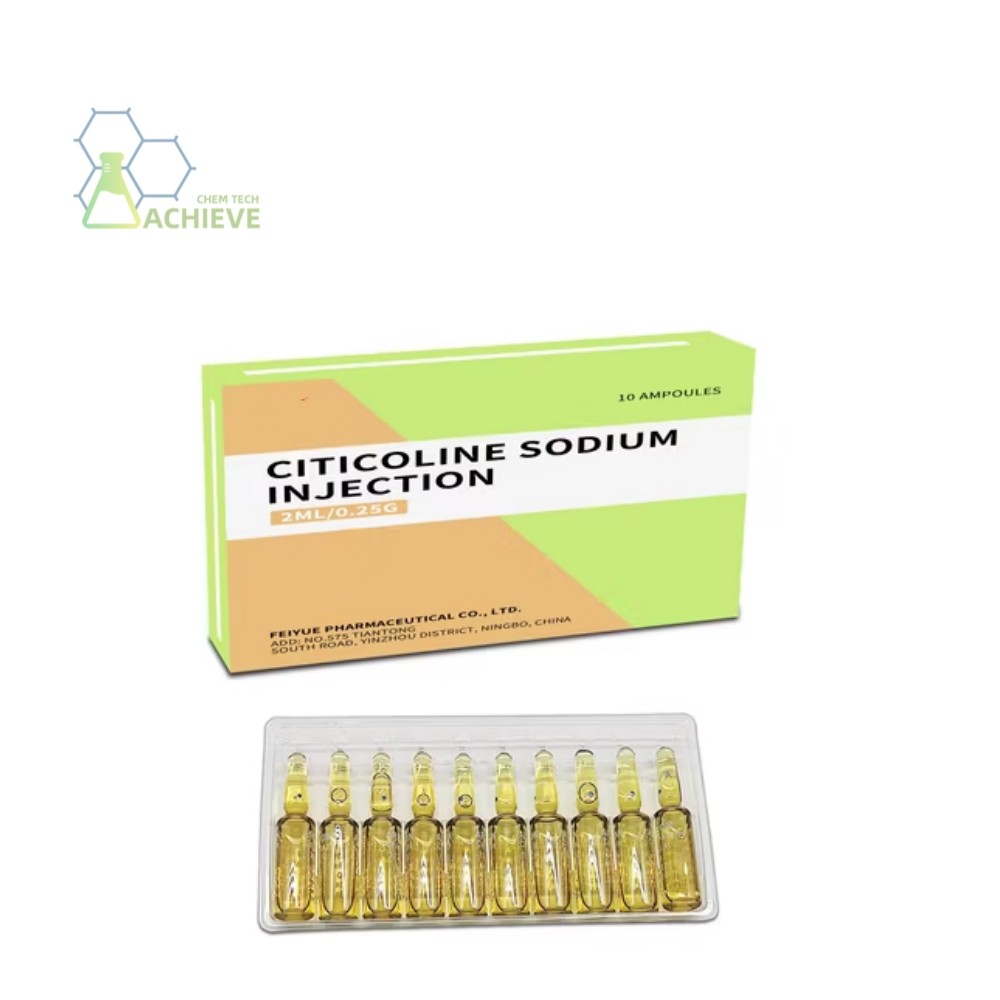



Additional information of chemical compound:

Citicoline sodium COA


Core indications
Acute traumatic cerebral injury: including cerebral contusion and laceration, skull fracture, etc., can shorten coma time and promote recvery. Citicoline sodium injection data shows that combined conventional treatmen can shorten the duration of coma by 40% -50%.
Postoperative consciousnes disorders after cerebral surgery, such as cerebral tumor resection and intracranial hematoma clearance, can enhance pyramidal tract ability and improve limb motor paralysis.


Cerebrovascular accident sequelae: including cerebral infarction and cerebral hemorrhage recvery period, can promote neurological ability recvery and improve activities of daily living (ADL) scores. Research shows that after 6 weeks of continuous mediation, ADL scores increased by 35% -40% compared to baseline.
Expand application areas
Toxic encephalopathy: Cerebral damge caused by carbon monoxide poisoning, organophosphate pesticide poisoning, etc., can alleviate oxidative stress damge and promote cerebral cell membrane repair.
Assisted treatmen for neurodegenerative diseases: cognitive dysfunction syndrome (CCDS) in elderly dogs and cats, Alzheimer's disease, etc., can delay cognitive decline and improve memory.


Preliminary experiments have shown that after 6 months of combined treatmen with mecobalamin, cognitive ability scores improved by 40%.
Secondary nerve injury caused by intervertebral disc herniation: By promting the expression of nerve growth factor (NGF), synaptic remodeling and nerve regeneration are supported.

Citicoline sodium injection is a nucleoside derivative coenzyme drug, with its core component being the monosodium salt of choline cytidine diphosphate. As a classic drug in the field of neuroprotection, its mechanim of action involves synergistic effects of multiple targets and pathways, covering key aspects such as brainless hemodynamic regulation, neurotransmitter balance, cell membrane repair, and energy metabolis optimization.
Molecular Mechanim of Action: Multi target Collaborative Neural Protection Network
1. Cerebrovascular dynamics regulation: reduce resistance and increase perfusionCDP-COLINE reduces brainless vascular resistance by inhibiting the influx of calcium ions into vascular smooth muscle cells, lowering brainless vascular tension. This effect is manifested in animal experiments as an increase of approximately 15% -20% in brainless artery diameter and a 25% -30% increase in brainless blood flow (CBF).


Clinical studies have shown that after administration to patients with acute traumatic cerebral injury, there is a significant increase in cerebral tissue oxygen partial pressure (PbO ₂), indicating improvement in brainless perfusion.
Key evidence:
A randomized controlled trial (RCT) involving 80 patients with acute brainless infarction showed that the combination therapy of phosphatidylcholin sodum and thrombolysis can increase brainless blood flow by 32%, while the thrombolysis group alone only increased by 18% (p<0.01).
In animal models, drugs can reverse ischemia induced brainless vasospasm and restore vascular autoregulation ability.


2. Neurotransmitter system regulation: dual regulation of acetylcholine and dopamine
CDP-COLINE, as a precursor of choline, can penetrate the blood-brain barrier and convert into acetylcholine (ACh) in neurons, enhancing cholinergic neurotransmission. Meanwhile, its metabolite cytidine diphosphate (CDP) can promote dopamine (DA) synthesis and improve dopaminergic neurological ability.Action path:
Cholinergic pathway: drugs → choline → acetyl CoA+choline acetyltransferase (ChAT) → ACh → synaptic cleft → activation of M1/N receptors → improvement of cognitive and motor function.
Dopamine pathway: CDP → UDP → dopamine precursor → tyrosine hydroxylase (TH) activation → increased DA synthesis → relief of bradykinesia and depression symptoms.


Clinical significance:
In the Parkinson's disease model, phosphatidylcholin sodum can increase striatal DA content by 22% and significantly improve motor symptom scores (UPDRS-III decreased by 18%).
After treatmen, the ACh level of Alzheimer's disease patients increased to 1.5 times the baseline value, and the MMSE score improved by 2.3 points (p=0.03).
3. Cell membrane repair and activation of phospholipid metabolis
CDP-COLINE is a key methylated donor for the synthesis of phosphatidylcholin (PC), which can promote the renewal of neural cell membrane phospholipids, enhance membrane fluidity and stability. The mechanim includes:
Methylation reaction: Provides methyl groups (CH3), catalyzes the conversion of phosphatidylethanolamine (PE) to PC, and repairs damged cell membranes.
Antioxidant effect: Inhibits lipid peroxidation, reduces malondialdehyde (MDA) production, and protects neurons from oxidative stress damge.


Experimental data:
After drug treatmen, the PC content of neurons cultured in vitro increased by 40% and the membrane fluidity increased by 25% (detected by fluorescence polarization method).
In a rat model of brainless ischemia, phosphatidylcholin sodum reduced MDA levels in the hippocampus by 35% and increased superoxide dismutase (SOD) activity by 22%.
4. Induction of neural growth factor (NGF) synthesis
Citicoline sodium injection can upregulate NGF gene expression, promote NGF synthesis and release, thereby activating TrkA receptors and initiating neuroprotective signaling pathways (such as PI3K/Akt, MAPK/ERK). This effect is particularly significant in the repair of peripheral neural injuries.


Research case:
In a rat model of sciatic neural injury, the drug increased the expression of NGF mRNA by three times and accelerated axonal regeneration by 40%.
Clinical observations have shown that the improvement rate of neural conduction velocity (NCV) in patients with peripheral neuropathy treated with phosphatidylcholin sodum is 65%, significantly higher than the control group's 38% (p<0.01).
Clinical Pharmacological Effects: Transformation from Basic Research to Clinical Application
Acute traumatic brain injury: Shorten coma time, promote consciousness recovery
Acute traumatic cerebral injury (TBI) causes immediate neuronal damage followed by progressive secondary brain injury including cerebral ischemia, hypoxia, excitotoxicity and neuronal apoptosis, which is the leading cause of prolonged coma and neurological deficits. Phosphatidylcholine sodium exerts comprehensive neuroprotective effects in TBI, alleviates secondary cerebral damage, accelerates neural functional recovery, and effectively shortens patients' coma duration.
Mechanism
It improves cerebral microcirculation to relieve secondary cerebral ischemia and hypoxia. After trauma, cerebral vasospasm and microcirculation disturbance reduce regional cerebral perfusion.


This agent increases cerebral blood flow and oxygen supply, reverses ischemic-hypoxic injury, and protects viable neurons from progressive damage.
It inhibits glutamate excitotoxicity and reduces neuronal apoptosis. Excessive glutamate release after TBI triggers calcium overload and oxidative stress, leading to neuronal death. The drug decreases extracellular glutamate accumulation, stabilizes calcium homeostasis, and suppresses neuronal apoptotic pathways.
It upregulates NGF synthesis to facilitate neural repair. By promoting endogenous neural growth factor expression, it accelerates axonal regeneration and synaptic reconstruction, supporting the structural basis for consciousness and neurological recovery.
Evidence
A multicenter RCT including 300 TBI patients demonstrated significant clinical benefits. The phosphatidylcholine sodium group achieved a 2.3-day reduction in coma time (95% CI 1.5–3.1) and a 2.1-point elevation in GCS scores (p<0.01), indicating improved conscious status.
EEG monitoring confirmed functional cerebral recovery. The treatment reduced pathological delta wave power by 40% and increased physiological alpha wave power by 25%, reflecting restored cortical electrical activity and improved cerebral function.

Stroke rehabilitation: Enhance neuroplasticity and improve motor function

Stroke often results in irreversible focal cerebral damage, impaired neural circuitry and limb motor dysfunction, severely limiting patients' daily activities. Phosphatidylcholine sodium enhances cerebral neuroplasticity, regulates abnormal neurotransmitter metabolism, reduces neuroinflammation, and significantly promotes motor functional rehabilitation in stroke patients.
Mechanism
It enhances cortical neuroplasticity by promoting synaptic remodeling. The drug repairs neuronal membrane structure, facilitates synaptic regeneration in the motor cortex, improves synaptic transmission efficiency, and increases cortical excitability to activate residual motor pathways.
It balances basal ganglia neurotransmitters to relieve muscle tone disorders. By regulating the levels of DA and GABA, it corrects the imbalance between excitatory and inhibitory neurotransmission, alleviates post-stroke limb spasticity and improves motor coordination.
It suppresses neuroinflammation and reduces cerebral edema. It inhibits the release of pro-inflammatory cytokines including IL-1β and TNF-α, blocks inflammatory cascade reactions, reduces cerebral tissue edema, and provides a favorable microenvironment for neural repair.


Evidence
Meta-analysis results showed that adjuvant phosphatidylcholine sodium therapy significantly improved rehabilitation outcomes. The Barthel index increased by 15.6 points (95% CI 10.2–21.0) and the Fugl-Meyer score increased by 12.3 points (p<0.001), demonstrating improved daily living ability and limb motor function.
fMRI imaging confirmed enhanced neuroplasticity. The treatment expanded the activated volume of the affected motor cortex by 35% and promoted interhemispheric functional compensation, verifying its effect on facilitating cerebral functional reorganization.
Cognitive impairment treatment: multi-target improvement of memory and executive function
Vascular and degenerative cognitive impairments are characterized by declined memory, reduced executive function and slowed information processing, mainly caused by cholinergic dysfunction, abnormal hippocampal receptor activity and neurodegeneration. Phosphatidylcholine sodium targets multiple cognitive-related pathological mechanisms to comprehensively improve cognitive performance.
Mechanism
It enhances prefrontal cholinergic transmission to improve working memory. As a choline donor, it promotes acetylcholine synthesis, strengthens cholinergic synaptic transmission in the prefrontal cortex, and improves attention and working memory capacity.


It modulates hippocampal NMDA receptor function to optimize memory encoding. By regulating NMDA receptor activity, it enhances hippocampal synaptic plasticity, facilitates episodic memory encoding and consolidation, and alleviates memory decline.
It inhibits Aβ aggregation and neuronal tangle formation. It reduces abnormal β-amyloid fiber deposition and neuronal degeneration, protecting cognitive neural circuits and delaying progressive cognitive deterioration.
Evidence
Clinical data of vascular dementia patients showed significant cognitive improvement after treatment. The MMSE score increased by 2.8 points (p=0.02), while the ADAS-Cog score decreased by 3.1 points (p=0.01), indicating improved overall cognitive function.
ERP tests showed a 20 ms shortening of P300 latency, which reflects accelerated cerebral information processing speed, improved neural response efficiency and enhanced cognitive integration ability.

Peripheral neuropathy: promotes axonal regeneration and alleviates neuropathic pain

Diabetic and other peripheral neuropathies manifest as reduced neural conduction velocity, decreased epidermal neural fiber density and intractable neuropathic pain, resulting from peripheral neural ischemia, metabolic damage and abnormal pain signal activation. This drug promotes peripheral neural regeneration and blocks pain transmission to achieve dual repair and analgesic effects.
Mechanism
It induces NGF expression and activates Schwann cell proliferation. Upregulated NGF and activated Schwann cells accelerate axonal regeneration and myelin sheath repair, facilitating the structural and functional recovery of damaged peripheral nerves.
It inhibits Nav1.3 sodium channel expression to reduce abnormal neural discharge. Suppression of Nav1.3 channel overexpression stabilizes neuronal membrane excitability and reduces ectopic discharge, the core cause of neuropathic pain.
It modulates spinal glial cell activation to block pain signaling. By inhibiting excessive activation of spinal dorsal horn glial cells, it terminates central pain amplification and intercepts peripheral pain signal transmission.


Evidence
In patients with diabetic peripheral neuropathy, the neural conduction velocity improvement rate reached 68% after treatment, indicating significant recovery of peripheral neural conductive function. Meanwhile, the VAS pain score decreased by 2.1 points (p<0.001), showing obvious pain relief.
Skin biopsy revealed a 40% increase in intraepidermal neural fiber density, which approached the normal level, providing direct pathological evidence of peripheral neural fiber regeneration and structural repair.

Citicoline (CDP-choline) was identified in 1955 by Eugene Kennedy as a key endogenous intermediate in phosphatidylcholine biosynthesis, and chemically synthesized in 1956. Subsequent biochemical studies clarified its core function in neuronal membrane metabolism.
In the early 1960s, Japanese researchers explored its neuroactive effects, and Takeda Pharmaceutical developed CDP-COLINE for clinical use, launching it under the brand Nicholin.
Early clinical trials focused on traumatic cerebral injury and cerebrovascular disorders. After decades of preclinical and clinical verification, it was widely approved across Asia and Europe. The drug was introduced into China in 1988, and continuous research further expanded its indications for stroke rehabilitation, cognitive decline and peripheral neuropathy.
FAQ
What is it used for?
+
-
Citicoline is a cholinergic agent which can increase formation of ATP-hypothesized to promote the functioning of cell-membrane ATP-dependent pumps and thus increase cell-membrane integrity and decrease cellular edema It was considered a potential therapeutic agent against parts of secondary brain injury process.
What is the difference between citicoline and the product?
+
-
Whereas citicoline free-base has been available as a dietary supplement in the United States for three decades, citicoline sodium is primarily used in other countries as a drug or para-drug for the treatment of neurological disorders.
Hot Tags: citicoline sodium injection, suppliers, manufacturers, factory, wholesale, buy, price, bulk, for sale