




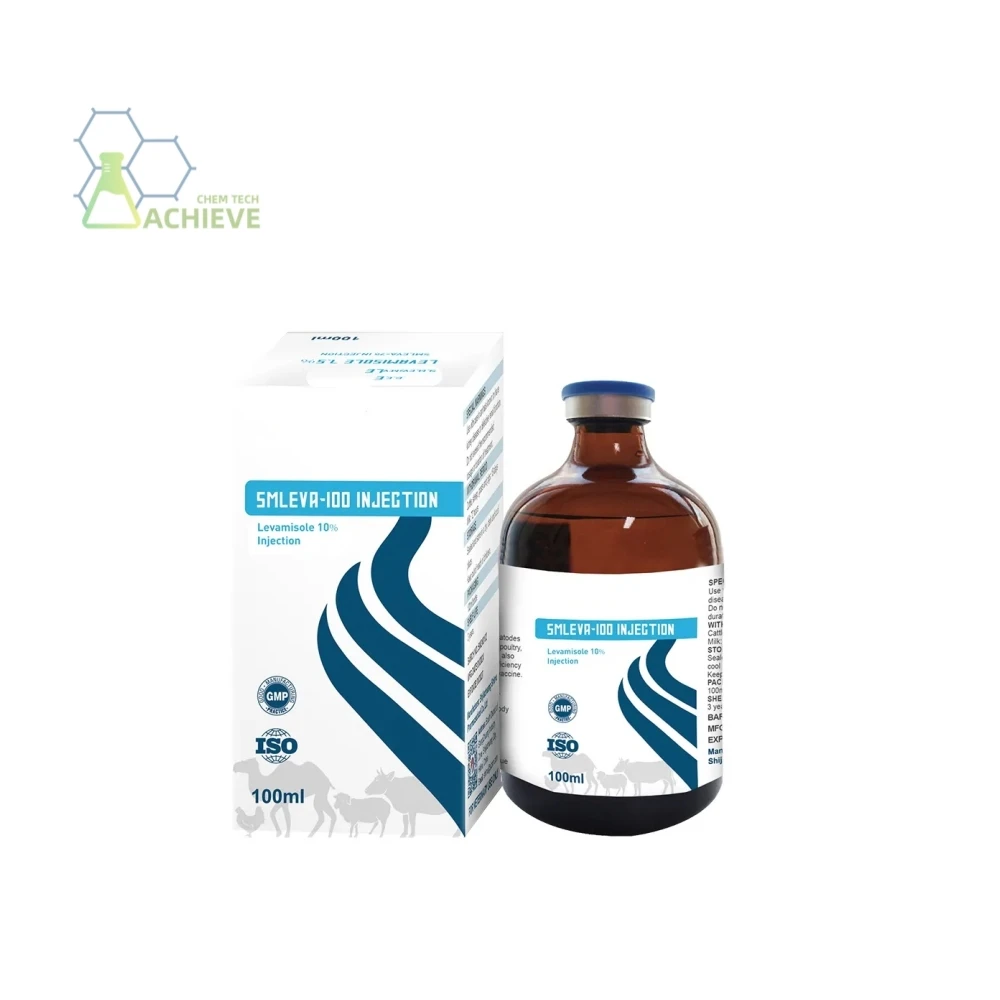
Shaanxi BLOOM Tech Co., Ltd. is one of the most experienced manufacturers and suppliers of levamisole injection in China. Welcome to wholesale bulk high quality levamisole injection for sale here from our factory. Good service and reasonable price are available.
Levamisole Injection is a veterinary injection containing levamisole, mainly used to drive away nematode infections in animals and regulate immune function. The active ingredient levamisol is a white to off white crystalline powder that inhibits the activity of succinate dehydrogenase in insect muscles, leading to muscle paralysis and death, achieving deworming effect. At the same time, the drug can enhance animal immune response and improve resistance to bacterial and viral infections.
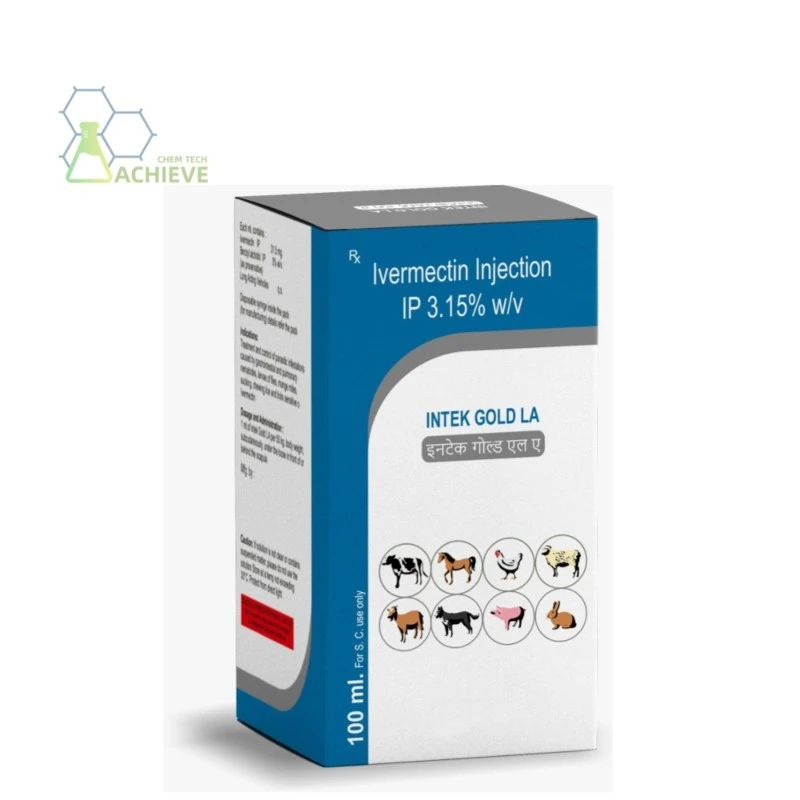
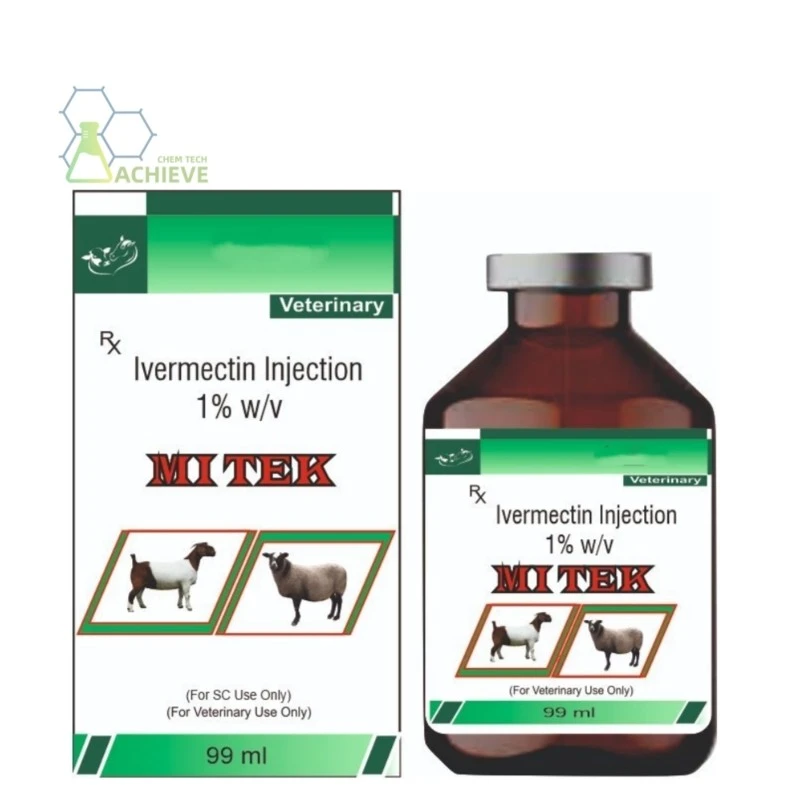
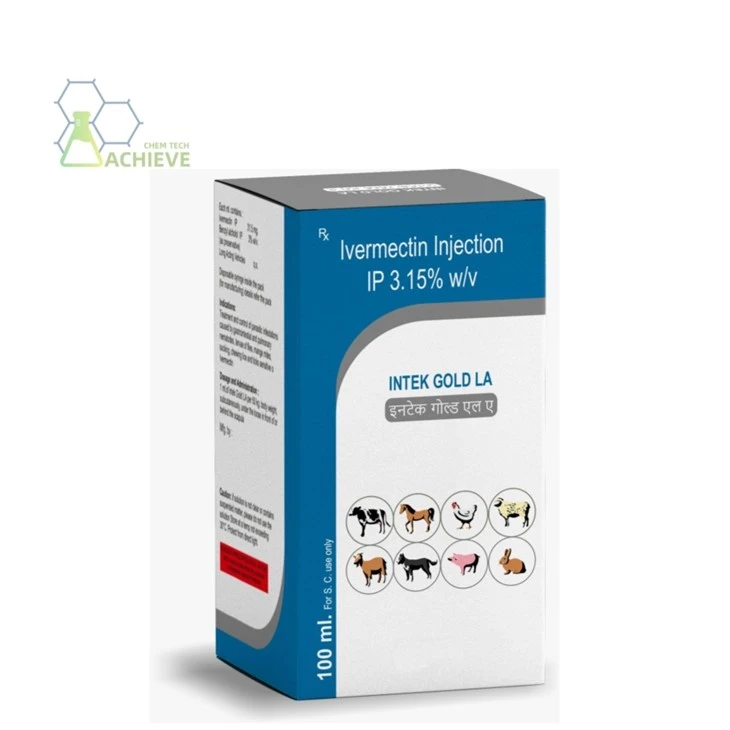
Scope of application:
This injection is suitable for the treat of nematode infections in livestock such as dogs, cats, cows, sheep, pigs, and poultry, including roundworms, hookworms, lung worms, stomach worms, and intestinal nematodes (such as Metastrongylus and Strongylus parasites). Prohibited for horses as it may cause serious adverse reactions.
Usage method:
Administered by subcutaneous or intramuscular injection, the dosage should be adjusted according to the animal species and body weight. For example, dogs and cats are injected with 10mg per 1kg of body weight; cows, sheep, and pigs are injected with 7.5mg per 1kg of body weight; and poultry are injected with 25mg per 1kg of body weight. The specific dosage should strictly follow veterinary guidance. 

Additional information of chemical compound:

Our Products


Levamisole COA


Levamisole Injection, as a broad-spectrum anthelmintic of the imidazole thiazole class, has undergone a leapfrog development in the study of its mechanism of action from single anthelmintic to immne regulation since its first clinical application in 1966.
Mechanism of deworming effect: synergistic effect of neuromuscular blockade and energy metabolism interference
1. Nicotine like receptor agonistic effect
Levamisol selectively activates the nicotinic acetylcholine receptor (nAChR) at the neuromuscular junction of nematodes, causing sustained muscle contractions. This process has the following characteristics:
Receptor specificity: Compared with mammalian nAChR, levamisol has a 10-100 fold higher affinity for nematode receptors, ensuring therapeutic safety.
Dose dependence: Low concentrations (0.1-1 μ M) can cause muscle tremors in the parasite, while high concentrations (>10 μ M) can lead to complete paralysis.
Neurotransmitter competition: Competes with acetylcholine to bind to receptors, prolonging the depolarization time of the postsynaptic membrane and forming a "depolarization block" state.


2. Energy metabolism blockade mechanism
Under high concentration conditions, levamisol interferes with nematode energy metabolism through a dual pathway:
Succinate dehydrogenase inhibition: blocks the conversion of succinic acid to fumarate in the tricarboxylic acid cycle, leading to a sharp decrease in ATP production. The experiment showed that the ATP content of pig roundworms decreased by more than 80% after treat.
Oxidative phosphorylation mediated uncoupling: disrupts the electron transport chain within the mitochondrial membrane, causing energy to dissipate in the form of thermal energy. Scanning electron microscopy observation revealed that the mitochondrial crest structure of the processed twisted blood lance nematode was broken.
3. Dynamics of insect expulsion
Muscle paralysis timing: After 15-30 minutes of administration, canine hookworm shows weak contraction of the oral capsule, and complete paralysis occurs within 60-90 minutes.
Host intestinal propulsion: Cooperate with host intestinal peristaltic waves (3-5 times/minute) to ensure complete elimination of dead worms within 24-48 hours.
Mechanism of drug resistance: Some strains of insects reduce drug accumulation by upregulating P-glycoprotein expression (3-5 fold add), or mutating nAChR structure to decrease binding affinity.

Immne regulatory mechanism: reprogramming of multi-level immne network

1. Recovery of T lymphocyte function
Th1/Th2 balance regulation:
Promote IL-12 secretion and enhance Th1 immne response (add IFN - γ levels by 2-3 times)
Inhibit IL-4 production and downregulate Th2 type response (IgE levels decrease by 40-60%)
Clinical case: In the treat of canine parvovirus infection, the CD4+/CD8+ratio in the combination therapy group recovered from 0.8 to 1.5
Treg cell regulation:
Inhibit FOXP3+regulatory T cell activity and relieve its inhibition on effector T cells
In the feline infectious peritonitis model, the proportion of IFN - γ+CD8+T cells was added from 12% to 28%
2. Activation of innate immne system
Enhanced macrophage function:
Increase phagocytic index (from 1.2 to 3.5)
Promote ROS/RNS production (add NO levels by 4-6 times)
Enhance antigen presentation ability (upregulation of MHC-II expression by 30-50%)
NK cell activity stimulation:
Increase the expression of perforin and granzyme B (mRNA levels add by 2-3 times)
In porcine circovirus type 2 infection, the killing activity of NK cells added from 35% to 68%


4. Immne memory enhancement
B cell antibody production:
Enhance vaccine response (add Brucella vaccine antibody potency by 2-4 times)
Promote the formation of memory B cells (add the proportion of CD27+B cells by 30%)
Mucosal immne activation:
Increase the content of intestinal secretory IgA (sIgA) from 12 μ g/mL to 35 μ g/mL
In the avian infectious bronchitis vaccine, the positive rate of respiratory sIgA was added from 60% to 85%
1. Specialty of ruminant animals
Influence of rumen microbiota:
The degradation rate of levamisol in the rumen reaches 30-50%
Extended release formulations can add the true gastric absorption rate to over 75%
Variety sensitivity differences:
Holstein cows require dose adjustment (8.5mg/kg vs 7.5mg/kg for regular cows)
Sheep have a 20-30% stronger immne regulatory response than goats
2. Characteristics of monogastric animals
Metabolic differences between dogs and cats:
The half-life of dogs (3.2 hours) is shorter than that of cats (4.8 hours)
Cats are more prone to neurotoxicity (with a 15% higher incidence than dogs)

Mechanism optimization strategies in clinical applications
Combination therapy plan
Insect repellent and efficacy enhancing combination:
Combined with ivermectin (with a 7-day interval), the deworming spectrum extends to 98% of livestock and poultry parasites
In the mixed infection of pig roundworm and whipworm, the reduction rate of worm eggs added from 85% to 99%
Immne regulation synergy:
Combined with Huangqi polysaccharide, the antibody potency of canine distemper vaccine is added by three times
Accelerate the recovery rate of CD4+/CD8+ratio by 50% in feline leukemia virus infection


Precision drug delivery technology
Nanoformulation development:
Poly (lactic acid glycolic acid) copolymer (PLGA) nanoparticles add drug enrichment in lymphoid tissue by 10 times
In porcine circovirus type 2 infection, the viral load is reduced by 2 logarithmic orders of magnitude
Pulse administration:
Twice weekly dosing regimen improves immne regulation by 40% compared to daily dosing
Reduce the incidence of granulocyte deficiency (from 5% to 0.8%)
Future research directions
Epigenetic regulation mechanism:
Exploring the effect of levamisol on histone acetylation/methylation
Gut microbiota interaction:
Studying the regulatory effect of drugs on short chain fatty acid producing bacteria
Nanoantibody development:
Constructing single domain antibodies targeting levamisol receptors to enhance targeting ability
AI assisted drug delivery system:
Establishing personalized dose prediction model based on machine learning
Levamisole injection represents a sophisticated therapeutic system that operates through a dual mechanism of action, effectively bridging the gap between direct parasitological intervention and immunological enhancement. At the core of its antiparasitic activity lies the capacity to induce neuromuscular blockade in susceptible helminths-achieved through selective agonism at nicotinic acetylcholine receptors on nematode muscle cells, leading to persistent depolarization, spastic paralysis, and eventual expulsion of the parasite from the host gastrointestinal tract or systemic circulation. This rapid and targeted paralytic effect ensures efficient clearance of parasitic burdens while minimizing the duration of host exposure to pathogenic organisms.


Complementing its direct anthelmintic function, levamisole exhibits profound immunomodulatory properties that significantly amplify the host's defensive capabilities. By mimicking thymic hormone-like activity, the compound stimulates T-cell differentiation, enhances macrophage migration and phagocytic activity, and restores depressed cell-mediated immune responses in immunocompromised hosts. This immunorestorative effect not only accelerates recovery from parasitic infection but also bolsters resistance against secondary microbial invasions, thereby constructing a holistic treatment paradigm that addresses both the causative agent and the vulnerability of the host immune system.

It as a veterinary drug with both deworming and immne regulatory functions, involves multiple levels of drug interactions such as enhanced efficacy, added toxicity, or interference with the mechanism of action.
1. Synergistic effect with vaccines
Levamisol can enhance the immunogenicity of Brucella vaccines, avian influenza vaccines, and other vaccines by promoting T lymphocyte proliferation and antibody production, thereby improving vaccine protection. For example, in the vaccination of porcine circovirus type 2, the combined use of levamisol can add antibody potency by 2-4 times, significantly reducing the risk of wild-type infection.
2. Combination therapy with antiviral drugs
In the treat of canine parvovirus infection, the combination of levamisol and interferon can shorten the course of the disease by 3-5 days. The mechanism is that levamisol restores NK cell activity, enhances interferon induced antiviral state, and forms a dual defense line of "immne clearance direct inhibition".
3. Synergistic application with antibiotics
Research on a drug-resistant Escherichia coli infection model has shown that the combination of levamisol and enrofloxacin can reduce the minimum inhibitory concentration (MIC) by 50%. This may be related to the downregulation of gene expression related to bacterial biofilm formation by levamisol.

The antagonistic effect of cholinesterase inhibitors
When organophosphate pesticides (such as dichlorvos) are combined with levamisol, the former exacerbates nicotine like symptoms by inhibiting acetylcholinesterase, leading to toxic reactions such as salivation and tremors in animals. The experiment showed that the mortality rate of the combination group was 30% higher than that of the levamisol group alone.

Competitive inhibition of anti helminth drugs
When combined with albendazole, the two compete for P-glycoprotein transporters, resulting in a 40% reduction in intestinal absorption of levamisol. It is recommended to use sequential therapy (first levamisol and then albendazole) in deworming treat to avoid a decrease in efficacy.
3. The antagonistic effect of immunosuppressants

The antagonistic effect of immunosuppressants
Dexamethasone can completely block the activation of CD4+T cells induced by levamisol, resulting in an 80% decrease in IFN - γ secretion. In canine tumor chemotherapy, if immunosuppressants are required in combination, they should be administered at intervals of at least 72 hours to maintain efficacy.
The synergistic effect of neurotoxic drugs.When used in combination with thiacloprid, both act on nAChR, causing serious adverse reactions such as muscle tremors and respiratory depression in cats. Clinical cases have shown that the incidence of neurotoxicity in the combination group is 25%, while in the monotherapy group it is only 3%.Metabolic interference of liver enzyme inducers.Phenobarbital can accelerate the hydroxylation metabolism of levamisol, reducing its half-life from 4.8 hours to 1.2 hours. In epilepsy treat animals, blood drug concentration needs to be monitored and the dosage adjusted to 1.5 times the standard dose.Instability of electrolyte solution
Levamisole Injection is prone to crystallize in 0.9% sodium chloride injection, leading to particle contamination. The pharmacopoeia stipulates that the solvent must be sterilized injection water and must be used within 6 hours.

Hot Tags: levamisole injection, suppliers, manufacturers, factory, wholesale, buy, price, bulk, for sale