




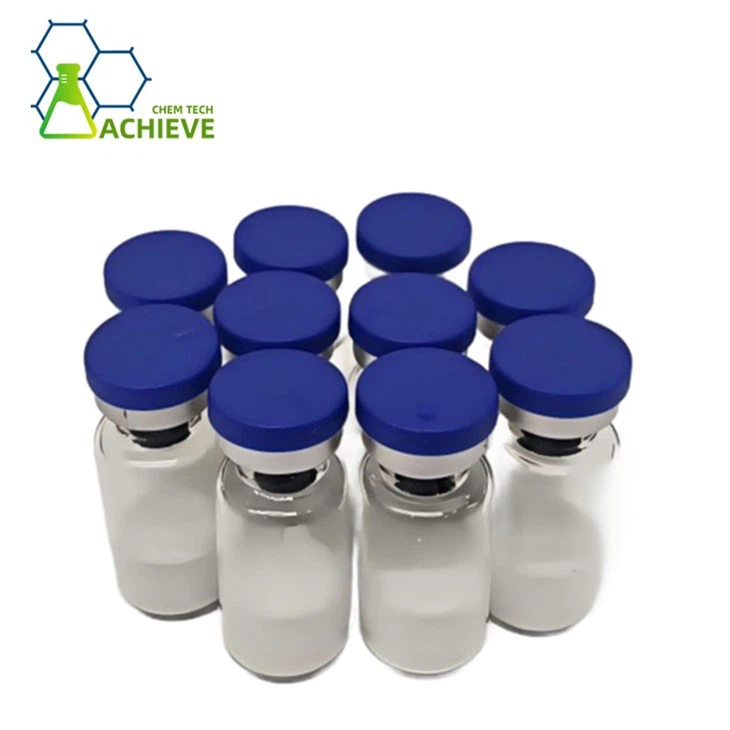


GLP-1 Injections are a kind of drugs that are administered by injection through simulating the physiological effect of natural glucagon like peptide-1 (GLP-1), mainly used to treat type 2 diabetes and obesity. GLP-1 injection belong to GLP-1 receptor agonists (GLP-1 RAs), a class of synthetic drugs with a structure similar to natural GLP-1, but modified to prolong half-life and reduce dosing frequency. Common GLP-1 injection include Exenatide, the first approved GLP-1 receptor agonist that requires twice daily or once weekly injections (long-acting formulation) Liraglutide, It is injected once a day to treat type 2 diabetes and obesity. Semaglutide, injected once a week, has stronger hypoglycemic and weight loss effects, and has a lower risk of hypoglycemia. Dulaglutide is injected once a week, which is suitable for blood sugar control in patients with type 2 diabetes.


|
|
|


GLP-1 COA

GLP-1 injections as a 'central planning' intervention in cellular energy economics
Cellular energy economics was proposed by Zhang Xingyuan in "Fermentation Principles", and its core lies in the dynamic balance of microbial cells achieving "maximum survival benefits with minimal metabolic consumption" through metabolic regulation. This theory is not only applicable to the industrial fermentation process of microorganisms, but can also be extended to energy management of human cells - human cells allocate energy resources through a sophisticated metabolic network, prioritizing the protection of key organ functions while inhibiting non essential metabolic activities to maintain overall survival efficiency. This process is similar to "central planning" in economics, which achieves optimal allocation of resources through central regulatory mechanisms. By 2025, GLP-1 injections have become a "super target" in the global pharmaceutical industry. From its initial use in the treatment of type 2 diabetes to its expansion to 12 indications such as obesity, cardiovascular disease, chronic kidney disease, and metabolic dysfunction related fatty liver disease (MASLD), the annual sales of GLP-1 drugs exceeded 100 billion dollars, and its research and development funding reached a historical peak of 21.72 million dollars in 2025. Behind this phenomenon is the deep intervention of GLP-1 in the "central plan" of cellular energy metabolism: it activates GLP-1 receptors, reprograms cellular energy distribution pathways, and shifts the body from an "energy wasting" metabolic mode to an "efficient and economical" one, thereby achieving the dual goals of disease treatment and health improvement.
The 'central planning' mechanism of GLP-1: from molecular signaling to systemic regulation
GLP-1 is an incretin secreted by intestinal L cells, and its bioactive forms (GLP-1 (7-37) and GLP-1 (7-36) amide) have a half-life of only 2.1-2.4 minutes. To overcome this limitation, scientists have developed GLP-1 receptor agonists (GLP-1 RAs), such as semaglutide, tilpotide, etc., which extend the half-life to the weekly formulation level through structural modification, achieving sustained regulation. The central planning function of GLP-1 RA begins with its binding to GLP-1 receptors on the cell membrane. This combination activates the cAMP PKA signaling pathway, triggering a series of metabolic reprogramming events. In pancreatic beta cells, GLP-1RA promotes the conversion of proinsulin to mature insulin by upregulating the expression of hormone converting enzymes PC1/3 and PC2, while reducing the proinsulin/insulin ratio and enhancing insulin biological activity.


For example, Lilalutide treatment can significantly increase HOMA - β index and insulin synthesis efficiency in type 2 diabetes patients by more than 30%. GLP-1RA reduces basal blood glucose levels by inhibiting the secretion of glucagon by pancreatic alpha cells, reducing hepatic glucose output. This effect synergizes with the hypoglycemic effect of insulin to achieve precise regulation of blood sugar. GLP-1RA activates the vagus nerve and directly acts on gastric mucosal cells, delaying gastric emptying rate, increasing satiety, and reducing food intake. This mechanism explains the core logic of its weight loss effect - by reducing energy intake, forcing the body to use fat reserves for energy supply.
The "central plan" of GLP-1 RA is not limited to individual cells, but also achieves the reconstruction of whole-body energy metabolism through the neuroendocrine immune network: GLP-1 receptors are highly expressed in areas such as the hypothalamus and solitary tract nucleus of the brain, and their activation can inhibit the activity of appetite centers (such as NPY/AgRP neurons), while enhancing the transmission of satiety signals (such as POMC neurons). This' energy intake inhibition command 'directly reduces the body's energy demand, creating conditions for the redistribution of energy expenditure. In muscle and adipose tissue, GLP-1RA increases insulin sensitivity, promotes glucose uptake and utilization, and reduces the release of free fatty acids (FFA) produced by fat breakdown.


This process reduces the level of FFA in the blood, alleviates the metabolic burden on the liver and pancreas, and forms a virtuous cycle of "energy utilization efficiency improvement". GLP-1RA promotes the secretion of GLP-1 by intestinal L cells while inhibiting the secretion of glucagon by alpha cells, forming a positive feedback regulation of the "gut pancreas" axis. In addition, it can also activate the UCP1 protein in brown adipose tissue (BAT), increase heat production, and achieve a transition from "energy wasting" metabolism (such as shivering heat production) to "efficient utilization" metabolism.
Specific intervention scenarios of GLP-1 on cellular energy economics

Treatment of diabetes: correcting the "imbalance of energy distribution"
The core pathology of type 2 diabetes is insulin resistance and beta cell function failure, which leads to the imbalance of energy distribution: the intake of glucose by muscle and adipose tissue is reduced, the liver gluconeogenesis is increased, and the levels of glucose and FFA in the blood are increased, forming a vicious cycle of "hyperglycemia hyperlipidemia". GLP-1RA corrects this imbalance through the following mechanisms:
β cell function protection and regeneration: GLP-1RA not only promotes insulin synthesis through cAMP-PKA pathway, but also realizes the increase of β cell number and functional recovery by inhibiting β cell apoptosis and promoting α cell to β cell transdifferentiation (for example, GCGR monoclonal antibody combined with GLP-1RA treatment can triple the number of β cells in type 1 diabetes mice).
Liver energy metabolism reprogramming: GLP-1RA reduces hepatic glucose output by decreasing hepatic FFA uptake and the expression of key gluconeogenesis enzymes such as PEPCK and G6Pase, while promoting liver sensitivity to insulin, transforming the liver from an "energy output organ" to an "energy storage organ".
Improved muscle energy utilization efficiency: GLP-1RA activates the AMPK pathway to promote glucose uptake and glycogen synthesis in muscle tissue, while increasing mitochondrial oxidative phosphorylation (OXPHOS) efficiency, reducing lactate production, and achieving "maximum energy utilization".


Obesity treatment: breaking the 'energy intake expenditure deadlock'
The essence of obesity is that energy intake exceeds energy expenditure for a long time, leading to excessive accumulation of adipose tissue. GLP-1 Injections breaks this deadlock through 'central planning' intervention:
Appetite suppression and reduced energy intake: GLP-1RA activates the satiety center in the brain, reduces ghrelin secretion, and increases satiety signal transmission, reducing patients' daily energy intake by 500-800 kcal. For example, oral treatment with semaglutide for 68 weeks can lead to a weight loss of 17.4% in patients, with 89.2% of patients experiencing a weight loss of ≥ 5%.
Energy consumption mode optimization: GLP-1RA increases basal metabolic rate (BMR) by activating brown adipose tissue thermogenesis and promoting mitochondrial biosynthesis in muscle tissue. In addition, it can achieve a dual effect of "increased energy expenditure" and "reduced energy storage" by inhibiting adipocyte differentiation, promoting fat breakdown, and reducing adipose tissue accumulation.
Improved metabolic flexibility: GLP-1RA improves insulin sensitivity, enabling the body to more efficiently utilize fat for energy during fasting and glucose for energy during feeding, thereby enhancing metabolic flexibility and reducing the risk of metabolic disorders.


Cardiovascular and Kidney Protection: Optimizing 'Energy Allocation Priority'
Patients with cardiovascular disease and chronic kidney disease (CKD) often experience energy metabolism disorders, manifested as insufficient energy supply to myocardial and renal tissues, increased oxidative stress, and intensified inflammatory reactions. GLP-1RA optimizes energy allocation priority through "central planning" intervention:
Improvement of myocardial energy metabolism: GLP-1 RA activates GLP-1 receptors in myocardial cells, promotes glucose uptake and glycolysis, while inhibiting fatty acid oxidation (FAO), reducing oxidative stress and mitochondrial damage. For example, semaglutide can reduce N-terminal pro brain natriuretic peptide (NT proBNP) by 30% in heart failure patients with preserved ejection fraction (HFpEF), and reduce the risk of cardiovascular death and hospitalization due to heart failure by 31%.
Renal energy supply guarantee: GLP-1RA reduces glomerular hypertension and hyperfiltration, lowers renal energy consumption, and promotes reabsorption of glucose and amino acids by renal tubular cells, reducing energy waste. In the FLOW test, smeglutide can reduce the risk of renal failure events in type 2 diabetes patients with CKD by 18.7%, and the risk of continuous reduction of eGFR ≥ 50% by 22%.
Inflammation and oxidative stress inhibition: GLP-1RA protects myocardial and renal cells from damage caused by energy metabolism disorders by inhibiting the NF - κ B pathway and NADPH oxidase activity, reducing the production of inflammatory factors such as IL-6, TNF - α, and reactive oxygen species (ROS).

Challenges and Future Directions of GLP-1 'Central Program' Intervention
Current challenge: Individual differences and long-term safety
Although GLP-1 injections have shown excellent efficacy in clinical trials, their "central plan" interventions still face challenges:
Individual metabolic differences
There are significant differences in the response of different patients to GLP-1RA, which are related to factors such as gene polymorphism, gut microbiota composition, and metabolic flexibility. How to achieve precise dose adjustment and personalized treatment is currently a research focus.
Long term safety concerns
Long term use of GLP-1RA may increase the risk of medullary thyroid cancer (MTC), as well as gastrointestinal side effects (such as nausea, vomiting, diarrhea) and the risk of acute pancreatitis. In addition, its weight loss effect may decay over time, and combination therapies need to be explored to maintain efficacy.
Cost and accessibility
GLP-1RA is expensive, which limits its popularity in low-income countries and regions. The development of low-cost generic drugs and new delivery methods (such as oral formulations) is the key to solving this problem.
Future direction: Multi target combination and cell therapy
To overcome current limitations, the "central plan" intervention for GLP-1RA is moving towards the following directions:
Multi target agonist development
GLP-1/GIP/GCGR triple target agonists (such as Retatrutide) have entered phase III clinical trials, and their weight loss effect is expected to reach 22% -24%. The hypoglycemic effect can reduce HbA1c by 2%. These drugs achieve more comprehensive energy metabolism regulation by synergistically activating multiple metabolic pathways.
Combined application of cell therapy
GLP-1RA combined with stem cell therapy (such as VX-880 for type 1 diabetes) or gene editing technology (such as CRISPR-Cas9 modified GLP1R gene) may achieve β cell regeneration and permanent functional recovery, and fundamentally correct the imbalance of energy distribution.
Digital health and AI empowerment
By monitoring patients' energy metabolism indicators such as blood glucose, heart rate variability, and activity levels through wearable devices, combined with AI algorithms to achieve dynamic dose adjustment and personalized treatment recommendations, the "central planning" intervention efficiency of GLP-1RA can be improved.
Hot Tags: glp-1 injections, suppliers, manufacturers, factory, wholesale, buy, price, bulk, for sale