




Shaanxi BLOOM Tech Co., Ltd. is one of the most experienced manufacturers and suppliers of lixisenatide injection in China. Welcome to wholesale bulk high quality lixisenatide injection for sale here from our factory. Good service and reasonable price are available.
Lixisenatide injection is an innovative therapeutic agent specifically developed for the clinical management of type 2 diabetes mellitus, which falls into the category of glucagon-like peptide-1 (GLP-1) receptor agonists. Structurally designed to imitate the activity of endogenous hormones, it replicates the physiological secretion pattern of GLP-1 within the human body. By selectively binding to and activating GLP-1 receptors throughout the body, the drug triggers a series of physiological responses that collectively deliver stable hypoglycemic effects and effectively regulate abnormal blood glucose fluctuations. This product obtained marketing approval in Europe in 2013 and is commercially sold under the brand name Lyxumia®.
Clinically, it features flexible administration regimens: it can be applied as standalone monotherapy for eligible patients, or combined with conventional oral hypoglycemic agents and insulin to build up combined treatment protocols for type 2 diabetes. Benefiting from its unique pharmacokinetic properties that support sustained efficacy, alongside a favorable safety profile with well-tolerated side effects, lixisenatide has established itself as a prominent therapeutic option for the long-term and comprehensive clinical management of type 2 diabetes.
Our Product Forms
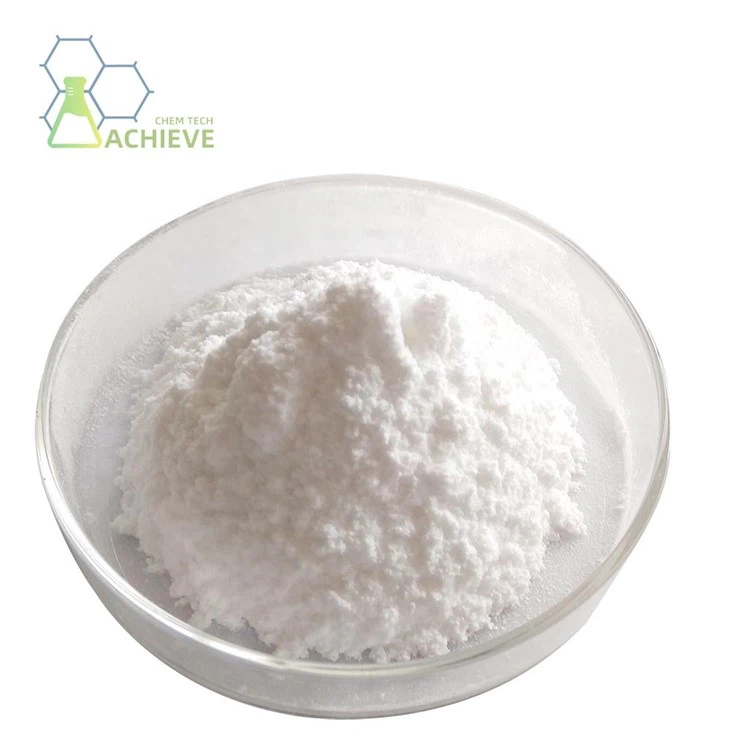
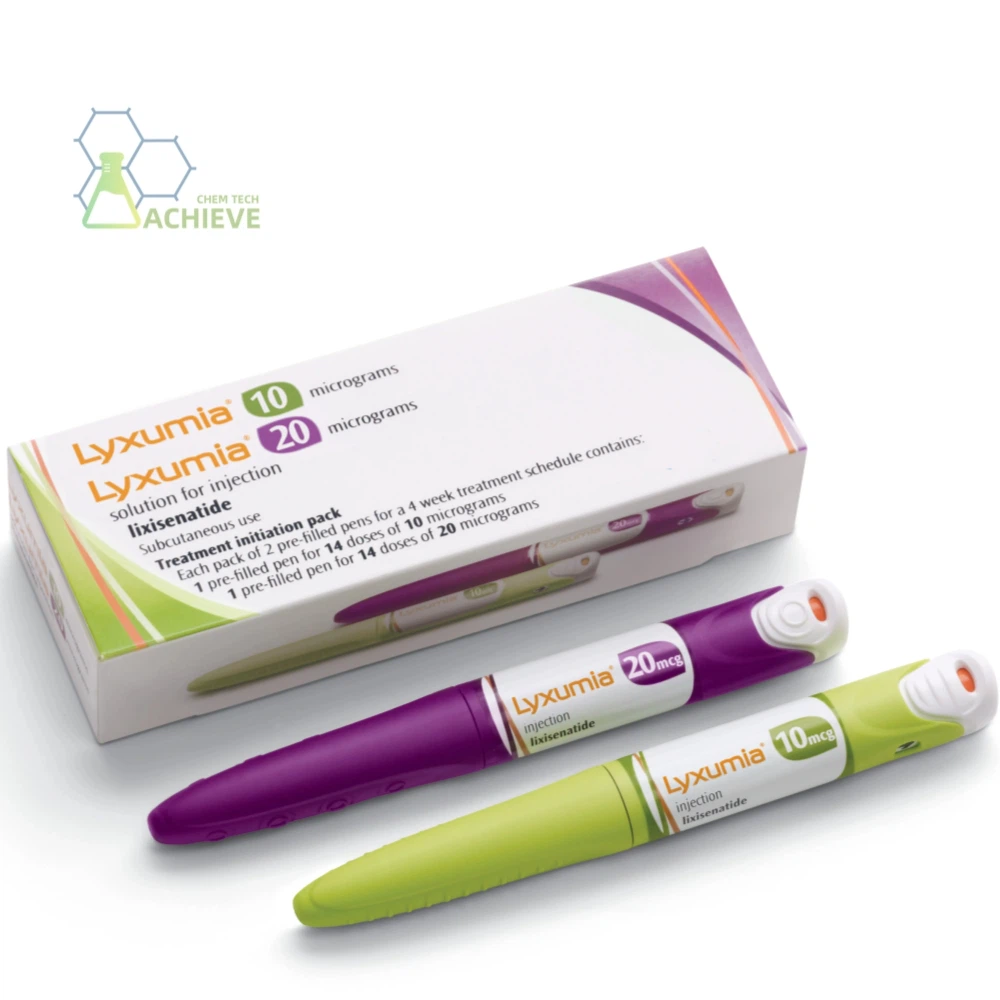


Lixisenatide COA
 |
||
| Certificate of Analysis | ||
| Compound name | Lixisenatide | |
| Grade | Pharmaceutical grade | |
| CAS No. | 320367-13-3 | |
| Quantity | 40g | |
| Packaging standard | PE bag+Al foil bag | |
| Manufacturer | Shaanxi BLOOM TECH Co., Ltd | |
| Lot No. | 202601090057 | |
| MFG | Jan 9th 2026 | |
| EXP | Jan 8th 2029 | |
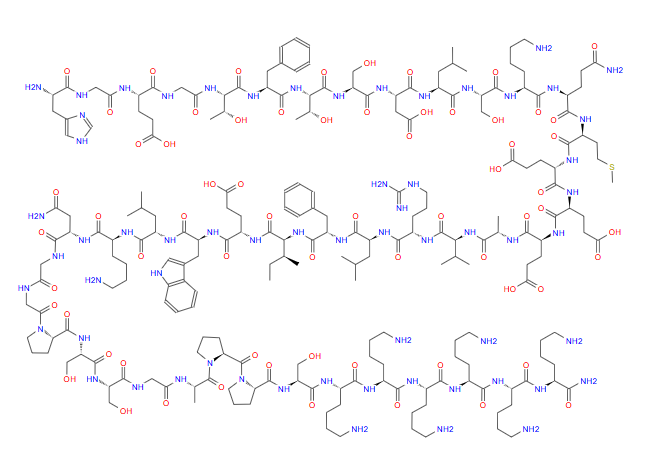
| Structure |
|
|
| Item | Enterprise standard | Analysis result |
| Appearance | White or almost white powder | Conformed |
| Water content | ≤5.0% | 0.47% |
| Loss on drying | ≤1.0% | 0.35% |
| Heavy Metals | Pb≤0.5ppm | N.D. |
| As≤0.5ppm | N.D. | |
| Hg≤0.5ppm | N.D. | |
| Cd≤0.5ppm | N.D. | |
| Purity (HPLC) | ≥99.0% | 99.90% |
| Single impurity | <0.8% | 0.56% |
| Total microbial count | ≤750cfu/g | 170 |
| E. Coli | ≤2MPN/g | N.D. |
| Salmonella | N.D. | N.D. |
| Ethanol (by GC) | ≤5000ppm | 400ppm |
| Storage | Store in a sealed, dark, and dry place below -20°C | |
|
|
||

In recent years, the widespread distribution of various organs throughout the body, especially the central nervous system, has attracted high attention from scientists. The research on lixisenatide injection has far exceeded the traditional field of endocrinology and entered the field of neurodegenerative diseases.Research has shown that neurodegenerative diseases such as Parkinson's Disease (PD) and Alzheimer's Disease (AD) are closely related to insulin resistance.
Theoretical basis of neuroprotective mechanisms

Chronic neuroinflammation, oxidative stress, and mitochondrial dysfunction in the brain. It can penetrate the blood-brain barrier, activate GLP-1 receptors on neurons, and through the cAMP mediated signaling pathway:Inhibit the excessive activation of microglia, thereby reducing the inflammatory cascade reaction in the central nervous system.Upregulating the expression of anti apoptotic proteins (such as Bcl-2), inhibiting apoptosis, and directly protecting dopaminergic neurons from toxic damage.Improve cellular energy metabolism and mitochondrial function.
Milestone clinical trial for Parkinson's disease (PD) (LIXIPARK)
In the field of Parkinson's disease treatment, a recent breakthrough research on this substance has caused a global shock in the medical community due to the lack of "disease modifying" drugs that can reverse or slow down the disease process.
In April 2024, the top international medical journal, the New England Journal of Medicine (NEJM), published the results of a multicenter, randomized, double-blind, placebo-controlled phase II clinical trial called LIXIPARK.
Experimental design: The study was led by a team from the French National Institute of Health and Medical Research (Inserm).
The study included 156 patients diagnosed less than three years ago who were receiving standard treatment for early-stage Parkinson's disease.


The patients were randomly assigned to receive subcutaneous injection of levocetirizine once a day or placebo for 12 months.Surprising results: At the end of the 12-month treatment period, researchers evaluated patients using the MDS-UPDRS Part III (Motor Function Score). The results showed that patients in the placebo group had a 3.04 point deterioration in their motor symptom scores (consistent with the natural progression of the disease), while patients in the group treated with liraglutide not only did their motor scores not deteriorate, but also improved by 0.04 points.
Clinical significance: This result has epoch-making significance. For the first time in rigorous clinical trials, it has been demonstrated that the hypoglycemic drug, liraglutide, can substantially slow down the progression of motor symptoms in Parkinson's disease, indicating its true protective effect on dopaminergic neurons in the brain. Although about 46% of patients in the experimental group experienced nausea as a gastrointestinal side effect, the potential of this drug is immeasurable compared to the huge benefit of delaying neurodegenerative disease.

Other potential research directions

In addition to neurological disorders, basic research is also exploring the potential therapeutic value of liraglutide in rheumatoid arthritis (due to its anti-inflammatory properties) and non-alcoholic steatohepatitis (NASH)/metabolic associated fatty liver disease (MASLD). It has been shown to alleviate liver steatosis in animal models by reducing the synthesis of fatty acids in the liver and promoting the oxidation of free fatty acids.
Clinical efficacy and key clinical trials (GetGoal series studies)
Lixisenatide injection effectiveness and safety have been mainly confirmed through a massive global phase III clinical trial program - the GetGoal series of studies. The plan covered more than 5000 patients with type 2 diabetes, and evaluated its efficacy as a single drug, in combination with oral hypoglycemic drugs (such as metformin and sulfonylurea), and in combination with basic insulin.
In the GetGoal Mono trial, for patients with poor control solely through diet and exercise, once daily treatment with liraglutide for 12 weeks resulted in a significant decrease of approximately 0.7% to 0.9% in glycated hemoglobin (HbA) levels compared to baseline, accompanied by weight loss. In the GetGoal-M trial, its addition to metformin background therapy demonstrated superior hypoglycemic and weight loss effects compared to placebo.
GetGoal-X is an open label non inferiority trial that compares once daily administration with twice daily administration of Exenatide. The research results showed that liraglutide was not inferior to exenatide in reducing HbA, and the liraglutide group had better gastrointestinal tolerance (especially lower incidence of nausea) and lower risk of hypoglycemia.
Cardiovascular and Renal Safety Assessment (ELIXA Trial)
For all new hypoglycemic drugs, the US FDA requires a cardiovascular outcome test (CVOT) to demonstrate that the drug does not increase the risk of cardiovascular events. Its cardiovascular outcome trial is called ELIXA (Evaluation of Lixsenatide in Acute Coronary Syndrome).
ELIXA is a landmark study, because it specifically recruited patients at high cardiovascular risk: 6068 patients with type 2 diabetes who had recently (within 180 days) developed acute coronary syndrome (ACS, including myocardial infarction or unstable angina pectoris).Primary endpoint: Four components of major adverse cardiovascular events (MACE-4).


Including cardiovascular death, non fatal myocardial infarction, non fatal stroke, or hospitalization for unstable angina.Research results: The median follow-up time was 25 months. The proportion of primary endpoint events occurring in this group was 13.4%, compared to 13.2% in the placebo group. The hazard ratio (HR) is 1.02 (95% confidence interval 0.89-1.17). This demonstrates the excellent cardiovascular safety of liraglutide in this extremely high-risk population (meeting non inferiority criteria), although it did not show the same cardiovascular benefits as some later long-acting GLP-1 (such as the LEADER trial of liraglutide) (i.e., efficacy was not demonstrated).
Further post hoc analysis of ELIXA data and related microvascular complication studies have found that it has potential renal protective effects.Data shows that liraglutide can effectively reduce the incidence of massive albuminuria and decrease the progression of urinary albumin/creatinine ratio (UACR). This renal benefit is independent of its hypoglycemic effect and may be related to its direct anti-inflammatory, antioxidant stress, and improved renal hemodynamics mechanisms.In conclusion, as a short-term GLP-1 receptor agonist during meals.


Lixisenatide injection has proved its outstanding value in controlling postprandial blood glucose fluctuations, reducing weight, and maintaining high cardiovascular safety in patients with type 2 diabetes in its clinical application for more than 10 years.
Especially its combination with insulin glargine, the compound formulation Soliqua, provides an efficient, highly compliant, and side effect hedging innovative treatment option for patients with poor monotherapy control.
The pharmacokinetic parameters determine the frequency of once daily administration
Absorption: Rapid absorption after subcutaneous injection (usually in the abdomen, thighs, or upper arms). The time to reach the maximum plasma concentration is approximately between 1 and 3.5 hours after administration.
Distribution: The apparent volume of distribution in the body is approximately 100 liters. It mainly exists in free form in the blood, with a moderate plasma protein binding rate (about 55%).
Metabolism: As a peptide, lixisenatide injection is not metabolized by the cytochrome P450 (CYP) enzyme system in the liver. It is mainly filtered in the kidneys and extensively degraded by proteolytic enzymes into smaller peptide segments and monomeric amino acids.
Elimination&Half life: Degradation products are mainly excreted through the kidneys. Its terminal elimination half-life is relatively short, about 3 hours. This short half-life makes it particularly suitable for injection before the main meal of the day (usually breakfast or dinner) to cover postprandial blood sugar fluctuations.
Special populations: Patients with mild to moderate renal insufficiency typically do not require dose adjustment, but in patients with severe renal insufficiency (creatinine clearance rate below 30 mL/min) and end-stage kidney disease, the use of levocetirizine is not recommended due to decreased drug clearance rate.
References
1. World Health Organization (WHO): Registration information on Lixisenatide in the International List of Non Patent Medicines (INN).
2. European Medicines Agency (EMA): 2013 Public Evaluation Report (EPAR) - Lyxumia, covering the research and development history, pharmacokinetics, use in special populations, and reproductive toxicity data of Lysimab.
3. US Food and Drug Administration (FDA): 2016 Adlyxin drug instructions and prescription information, including usage and dosage, incidence of adverse reactions (such as nausea), contraindications, and post marketing safety warning data.
4. Effect of the glucagon-like peptide-1 receptor agonist lixisenatide on postprandial hepatic glucose metabolism in the conscious dog(https://pmc.ncbi.nlm.nih.gov/articles/PMC3882379/)
5. Pharmacodynamics of the glucagon-like peptide-1 receptor agonist lixisenatide in Japanese and Caucasian patients with type 2 diabetes mellitus poorly controlled on sulphonylureas with/without metformin(https://pmc.ncbi.nlm.nih.gov/articles/PMC4312941/)
FAQ
What is the drug lixisenatide used for?
Lixisenatide injection is a prescription medication indicated for the management of type 2 diabetes mellitus in adult patients. In routine clinical use, it is always adopted alongside healthy dietary adjustments and regular physical activity, working synergistically to keep blood glucose levels within a healthy range. Classified as a glucagon-like peptide-1 (GLP-1) receptor agonist, it acts by mimicking the function of the body's natural GLP-1 hormone to deliver steady hypoglycemic effects. As a prescription-only pharmaceutical product, this injection can only be obtained and used under the guidance and authorization of a qualified physician.
Has lixisenatide been discontinued?
The standalone 10 microgram formulation of lixisenatide, along with its dedicated treatment initiation pack containing both 10 microgram and 20 microgram dosages, have been officially discontinued across relevant markets. These two products were primarily designed for the initial phase of medication titration, helping new users adapt to the treatment gradually. Following this product suspension, healthcare providers are no longer permitted to prescribe lixisenatide as a new treatment option for patients who have never used this drug before. Existing patients who are already on stable lixisenatide regimens may continue their therapy under proper medical supervision.
Hot Tags: lixisenatide injection, suppliers, manufacturers, factory, wholesale, buy, price, bulk, for sale