


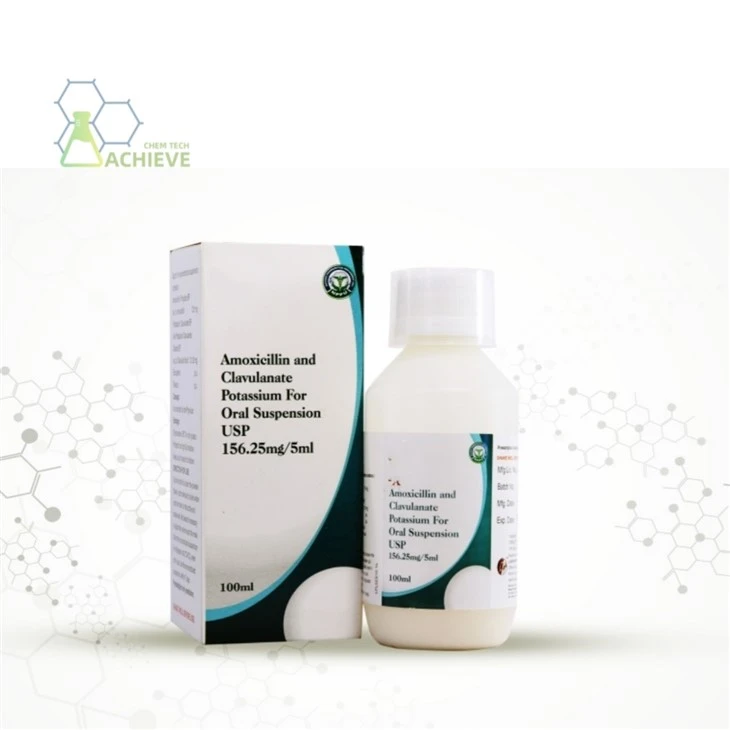
Shaanxi BLOOM Tech Co., Ltd. is one of the most experienced manufacturers and suppliers of amoxicillin and clavulanate potassium suspension in China. Welcome to wholesale bulk high quality amoxicillin and clavulanate potassium suspension for sale here from our factory. Good service and reasonable price are available.
Amoxicillin and clavulanate potassium suspension is a broad-spectrum antibacterial compound preparation, composed of amoxicillin (β - lactam antibiotic) and clavulnate potassium (β - lactase inhibitor) in a scientific ratio (usually 4:1 or 7:1), designed specifically for children and patients with swallowing difficulties. Widely used in clinical practice to treat acute otitis media, sinusitis, pneumonia, urinary tract infections, skin and soft tissue infections, and animal bites, especially for infections caused by enzyme producing germ, the efficacy is significant (germ clearance rate is increased by more than 50% compared to amoxcillin alone).
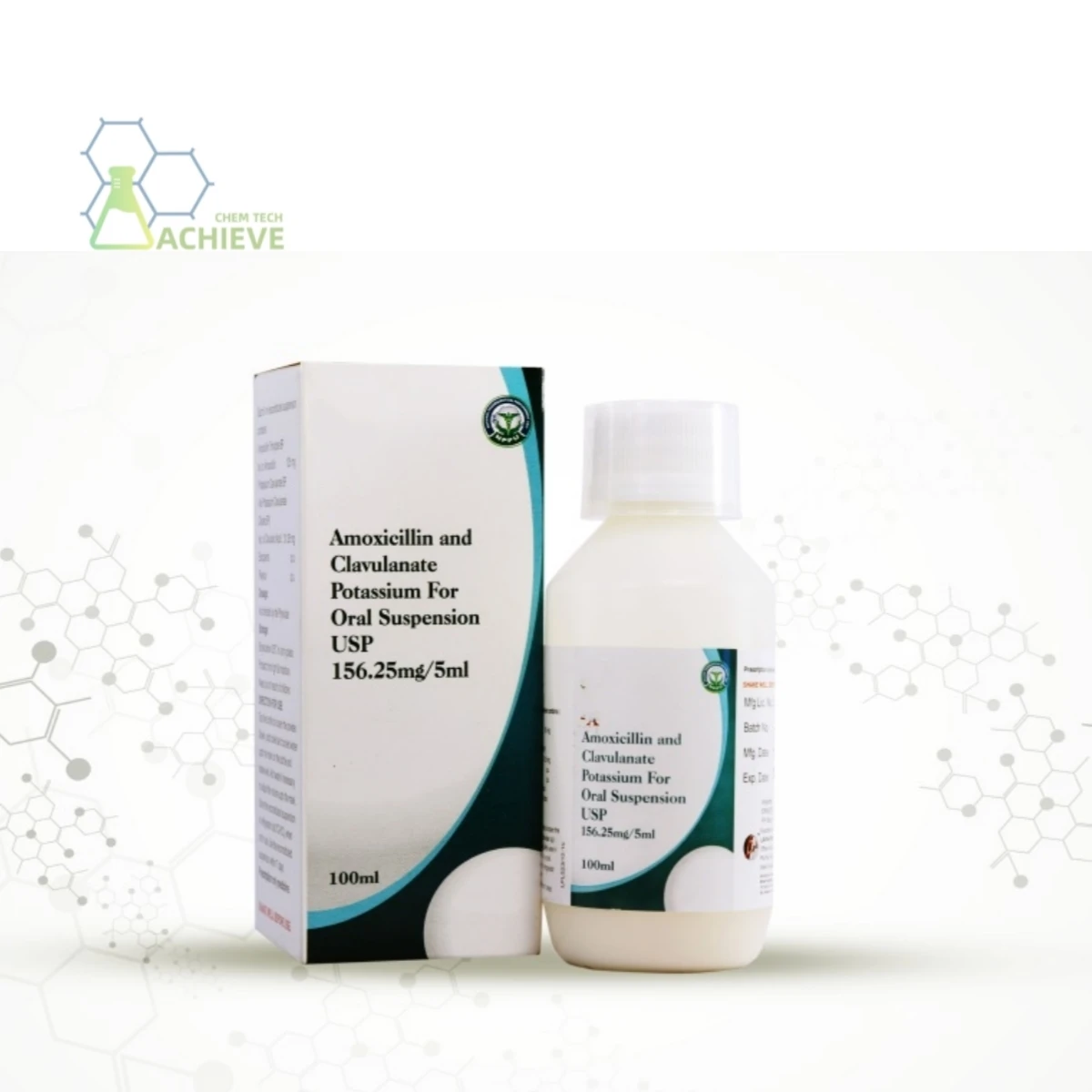

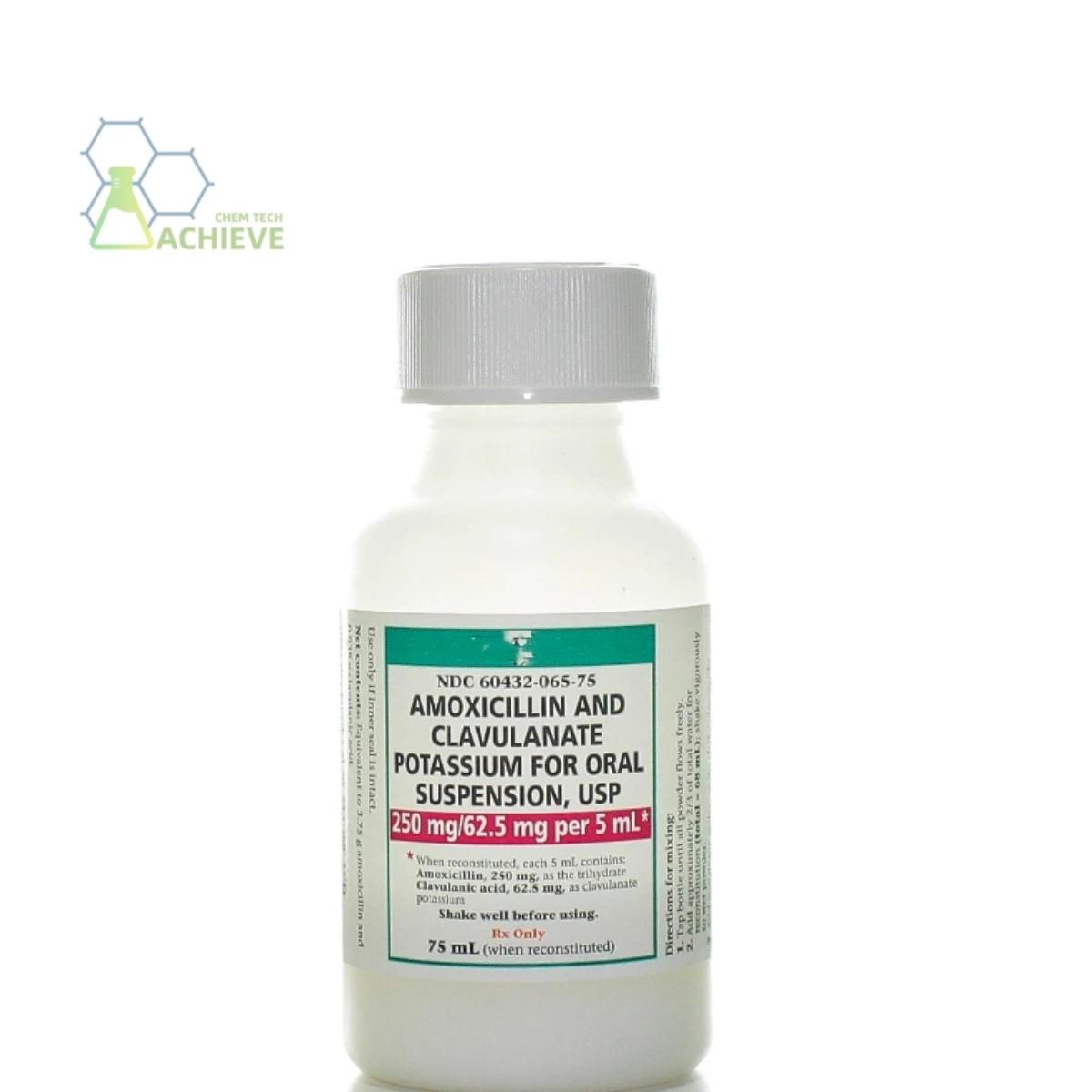
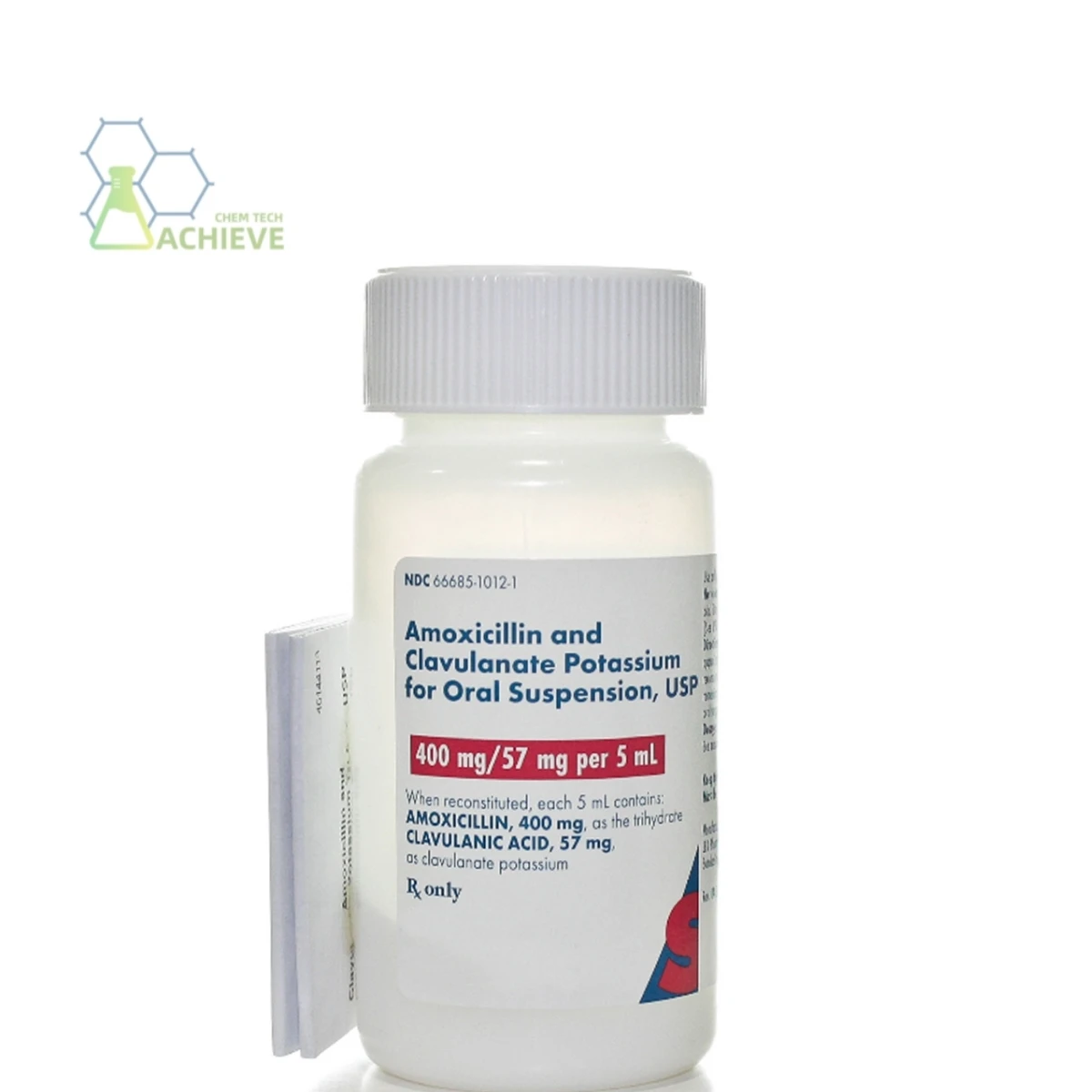

Additional information of chemical compound:

Our product


Amoxicillin and clavulanate potassium suspension is a compound antibiotic formulation composed of amoxicillin and clavulanate potassium, which synergistically breaks through microbial resistance barriers and achieves broad-spectrum coverage of enzyme producing fungus. Its mechanism of action involves multiple aspects such as drug molecular structure, enzyme inhibition kinetics, interference with fungus cell wall synthesis, and pharmacokinetic optimization.
Molecular Structure and Functional Localization of Drugs
1. Amopenixin: the core component of β - lactam antibiotics
Amopenixin belongs to the amino penicillin class, and its molecular structure includes a β - lactam ring (quaternary ring) and a thiazole ring (quaternary ring), which are connected by amide bonds to form a bicyclic core. The β - lactam ring is a key structure for antibiosis activity, and its carbonyl oxygen atom covalently binds to the serine residue of fungus penicillin binding proteins (PBPs) to form irreversible acylation complexes, thereby blocking the cross-linking reaction of microbial cell wall peptidoglycans.


Amopenixin has a direct bactericidal effect on Gram positive fungus (such as streptococcus and pneumococcus) and some Gram negative fungus (such as Haemophilus influenzae and Moraxella catarrhalis), but is easily inactivated by enzymatic hydrolysis on fungus that produce β - lactams (such as Escherichia coli and Staphylococcus aureus).
2. Potassium clavulnate: a "suicide inhibitor" of β - lactase
Potassium clavulnate is the potassium salt form of clavulnic acid, which has a molecular structure similar to penicillin, but the side chain of the β - lactam ring contains an oxygen atom (oxypenicillin), which endows it with unique enzyme inhibitory activity. Clavulnic acid works through the following mechanisms:
Irreversible binding: The β - lactam ring of clavulnic acid undergoes a ring opening reaction with the serine residue in the active center of β - lactam enzyme, forming a stable covalent bond that permanently inactivates the enzyme.


Broad spectrum inhibition: It can inhibit various types of β - lactases, including TEM type, SHV type (Gram negative fungus), and Staphylococcus type (Gram positive fungus), covering common drug-resistant strains in clinical practice.
Time dependence: The binding of clavulnic acid to enzymes requires a certain amount of time, and its inhibitory effect increases with prolonged contact time.
Therefore, it needs to be used in combination with amopenixin to maintain long-term protection.
Clavulnic acid itself has weak antibiosis activity (MIC value usually>64 μ g/mL), but its inhibition constant (Ki) against β - lactase can reach the nanomolar level, significantly lower than the enzymatic hydrolysis rate of amopenixin, providing sustained protection for amopenixin.

Collaborative antibiosis mechanism: from molecular interaction to cell killing

1. Formation kinetics of enzyme inhibitor complexes
The synergistic effect of amoxicillin and clavulanate potassium suspension follows the "protective killing" model:
In the initial stage, clavulnic acid preferentially binds to the β - lactase produced by fungus, forming an enzyme inhibitor complex (E-I) that prevents the enzyme from degrading amopenixin.
Intermediate stage: Amopenixin penetrates the bacterial outer membrane (Gram negative fungus) or cell wall (Gram positive germ), binds to PBPs, inhibits transpeptidase activity, and blocks the cross-linking of peptidoglycan chains.
Terminal stage: The synthesis of microbial cell walls is hindered, resulting in cell wall defects and osmotic pressure imbalance, ultimately leading to the activation of fungus autolysis enzymes and the dissolution and death of bacterial cells.
Experimental data shows that when amopenixin is combined with clavulnic acid in a 4:1 ratio, the MIC value against TEM-1 type β - lactase producing Escherichia coli can be reduced from>256 μ g/mL to 8 μ g/mL, and the inhibition rate can be increased by 32 times.


2. Molecular basis of antibiosis spectrum extension
The addition of clavulnic acid expands the antibiosis spectrum of amopenixin from "non enzyme producing germ" to "enzyme producing germ", including:
Gram positive fungus: covering methicillin-resistant Staphylococcus aureus (MSSA), Streptococcus agalactiae, etc., with a sensitivity recovery rate of over 90% for enzyme producing strains.
Gram negative fungus, including β - lactase producing Haemophilus influenzae, Moraxella catarrhalis, Neisseria gonorrhoeae, etc., have increased their coverage of Enterobacteriaceae germ (such as Escherichia coli and Klebsiella) to 60% -70%.
Anaerobic fungus: They have a synergistic bactericidal effect on anaerobic germ such as Pseudomonas aeruginosa and Porphyromonas gingivalis, reducing MIC values by 4-8 times.


3. Dual strategy for inhibiting drug-resistant fungus
For strains that have developed resistance to amopenixin, compound formulations delay the development of resistance through the following mechanisms:
Enzyme inhibition: Clavulnic acid blocks the hydrolysis resistance pathway mediated by β - lactase.
Target modification inhibition: The binding of amopenixin to PBPs can induce fungus PBPs mutations (such as PBP2a), but clavulnic acid delays the emergence of high-level drug resistance by reducing bacterial metabolic activity, decreasing the expression of mutant proteins.
Clinical studies have shown that the fungus clearance rate of amopenixin and clavulnate potassium in the treatment of enzyme producing fungus infestations is 85% -90%, significantly higher than that of amopenixin alone (30% -40%).

Pharmacokinetic optimization: synergistic enhancement from absorption to target site
1. Synergistic effect of oral absorption
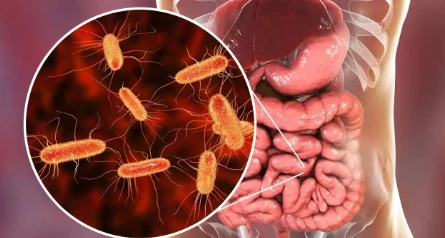
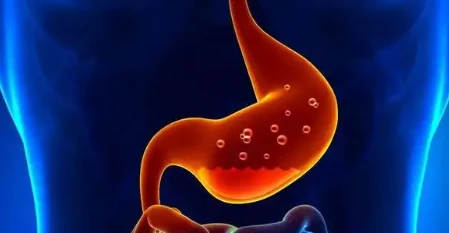
The oral bioavailability of amoxicillin and clavulanate potassium suspension is relatively high (amopenixin 93%, clavulnic acid 75%), and they are absorbed independently in the gastrointestinal tract. However, the acid environment tolerance of clavulnic acid (pKa 2.7) can reduce the degradation of amopenixin in gastric acid and improve overall absorption rate.
The impact of food on absorption varies:
High fat diet: Delayed peak time of amopenixin (Tmax extended from 1.5 hours to 2.5 hours), but absorption of clavulnic acid was not affected, and the overall area under the drug time curve (AUC) remained stable.
Low fat diet: has no significant effect on absorption, recommended to be taken after meals to reduce gastrointestinal irritation (such as diarrhea and nausea).

2. Collaborative coverage of organizational distribution
Amopenixin and potassium clavulnate are widely distributed in body fluids and tissues, including:
Respiratory tract: The concentration of bronchial mucosa reaches 50% -70% of the blood drug concentration, suitable for lower respiratory tract infestations (such as pneumonia and bronchitis)
Urinary system: The concentration of amopenixin in urine can reach 1000-3000 μ g/mL, and the concentration of clavulnic acid is 100-300 μ g/mL. It has significant therapeutic effects on urinary tract infestations such as cystitis and pyelonephritis.
Skin and soft tissue: The concentration of drugs in inflamed areas is 2-3 times higher than in non inflamed areas, making it suitable for infestations such as cellulitis and animal bites.


3. Coordinated regulation of metabolism and excretion
Amopenixin is mainly excreted through the kidneys (60% -70% in its original form), while clavulnic acid is metabolized through dual pathways in the kidneys (50% -70%) and liver (30% -50%). The half lives of the two are similar (amopenixin 1.1 hours, clavulnic acid 1.0 hour), and 2-3 doses per day can maintain effective blood drug concentrations. Adjustment for special groups:
Renal insufficiency: When the creatinine clearance rate is less than 30 mL/min, the dose should be reduced to 1/2-1/3 of the conventional dose to avoid the accumulation of clavulnic acid (which has a slightly higher risk of nephrotoxicity than amopenixin).
Liver dysfunction: The proportion of clavulnic acid metabolism in the liver increases, but there is no need to adjust the dosage, and transaminase levels need to be monitored (transient elevation incidence is about 3% -5%).

Mechanism validation in clinical applications

1. Infection types and pathogen coverage
Amopenixin and clavulnate potassium are suitable for the following enzyme producing fungus infestations:
Lower respiratory tract infestations: acute exacerbation of chronic bronchitis and community-acquired pneumonia caused by influenza producing Haemophilus influenzae and Moraxella catarrhalis.
Urinary tract infestations: complex urinary tract infestations caused by Escherichia coli and Klebsiella pneumoniae, especially suitable for empirical treatment.
Skin and soft tissue infestation: mixed infestation of Pasteurella polycida and anaerobic fungus should be covered in animal bites and diabetes foot infestations.
Ear, nose, and throat infestations: coverage of enzyme producing fungus in acute otitis media (children) and sinusitis (adults).


2. Balance between efficacy and safety
The therapeutic advantages of compound preparations are reflected in:
Bacterial clearance rate: The clearance rate of enzyme producing fungus infestation is 40% -50% higher than using amopenixin alone.
Shortened treatment duration: The treatment duration for community-acquired pneumonia can be shortened from 10-14 days to 7-10 days.
Drug resistance control: In areas with a resistance rate of less than 20%, first-line use can delay the abuse of advanced antibiotics such as carbapenems.
In terms of security, attention should be paid to:
Gastrointestinal reactions: The incidence of diarrhea is about 10% -15%, which is related to the interference of clavulnic acid with intestinal microbiota.

Specific Clinical Indications

Alveolar Abscess Infection
Amoxicillin and clavulanate potassium suspension is a commonly used oral antibacterial agent for the clinical treatment of alveolar abscess. It is mainly indicated for infectious conditions such as periapical abscess and periodontal abscess caused by β-lactamase-producing susceptible microorganisms in the oral cavity. Most oral infections are mixed infections of aerobic and anaerobic microorganisms, with key pathogenic microorganisms including Staphylococcus aureus, Streptococci and oral anaerobes.
Amoxicillin contained in this product eradicates common oral pathogenic microorganisms, while clavulanate potassium inhibits drug-resistant enzymes produced by microorganisms to prevent therapeutic failure. It can effectively relieve gingival swelling, pain, suppuration and mild maxillofacial swelling and pain induced by alveolar abscess. It is applicable to conservative anti-infective therapy for mild to moderate alveolar abscess, and can also serve as adjuvant anti-infective intervention after abscess incision and drainage.


Pelvic Inflammatory Disease (PID)
This product can be used for mild pelvic inflammatory disease caused by susceptible enzyme-producing strains and is suitable for mixed bacterial pelvic infections. It targets superficial pelvic infections triggered by pathogenic microorganisms including Escherichia coli, Proteus mirabilis and Streptococci.
For mild pelvic inflammatory disease without abscess formation or severe systemic fever, this oral suspension can replace certain injectable preparations. It suppresses the proliferation of pelvic flora via systemic antibacterial effects and alleviates symptoms such as pelvic mucosal congestion and inflammatory exudation.
It is suitable for stable outpatients who do not require intravenous administration, and can effectively prevent mild infections from progressing to chronic pelvic inflammatory disease.
Animal Bite Wound Infection
Wounds from animal bites are frequently contaminated with oral commensal microorganisms and prone to mixed infections with drug-resistant microorganisms, representing a classic indication for this product. Bite wounds inflicted by cats, dogs and other animals are susceptible to colonization by enzyme-producing staphylococci, Pasteurella, anaerobes and other pathogens, which readily lead to wound erythema, suppuration and cellulitis.


With broad-spectrum activity against drug-resistant microorganisms, this suspension specifically inhibits common pathogenic microorganisms following animal bites, enabling effective prevention and treatment of secondary bacterial infections arising from animal bites. It is indicated for anti-infective management of mild to moderate bite wounds. It is especially suitable for pediatric patients due to convenient administration and favorable tolerability of the dosage form.

Future research direction: New paths for mechanism optimization
Nanoformulation development:
By encapsulating with liposomes or polymer nanoparticles, the stability of clavulnic acid can be improved (avoiding hydrolysis) and the action time can be extended.
Enzyme inhibitor improvement:
Develop new β - lactam enzyme inhibitors (such as avibactam and relibactam) to expand coverage of metalloenzymes (NDM-1, VIM).
Pharmacokinetic pharmacodynamic (PK/PD) model:
Based on free drug concentration (fAUC/MIC) to optimize the dosing regimen and achieve personalized treatment.
FAQ
Why does potassium clavulanate in suspension not survive for more than 3 days at room temperature?
+
-
At room temperature (20 ° C), the half-life of the potency of potassium clavulanate is only about 2 days. Stability studies reveal the harsh truth: Amoxicillin remains stable for 7 days, but potassium clavulanate degrades over 40% after being stored at 25 ° C for 7 days, and its potency drops to 90% in only 2 days (t ₉ ₀). Cold mechanism: Potassium clavulanate is extremely sensitive to moisture and heat, and hydrolysis and ring opening are its "invisible killers" - this is also the fundamental reason why the instructions require refrigeration storage (2-8 ° C) and must be discarded after 10 days.
Who dug up the "sweet trap" in suspensions?
+
-
Hidden risk for phenylketonuria patients - aspartame. To improve medication adherence in children, some suspensions (such as 200 mg/28.5 mg per 5 mL) have been supplemented with aspartame as a sweetener. The aspartame contained in every 5 mL will be metabolized into phenylalanine in the body, which is not harmful to healthy children, but it is a "sweet poison" for phenylketonuria patients.
Why is the "filling volume" on the powder bottle nearly twice as much as the nominal value?
+
-
In order for you to shake smoothly. A bottle of dry suspension with a nominal volume of "100 mL" has an actual powder volume of only about 49-52 mL. The extra space inside the bottle is used to provide a "sports field" for shaking with water, ensuring that the powder can be fully dispersed into a uniform suspension. This is a 'hidden design' reserved by formulation engineers for patient operation space.
Is it a human medicine or a veterinary medicine? Is the recipe actually different?
+
-
Both are available, but the ratio of amoxicillin/clavulanic acid is higher in the veterinary version. The ratio of oral suspension drops for animal use (dogs and cats) is 4:1, but the concentration is higher (50 mg/12.5 mg per mL). Less well-known differences: The indications for the veterinary version include periodontal disease in dogs and skin abscess in cats, and are clearly labeled as' undetermined safety for pregnant animals'.
Hot Tags: amoxicillin and clavulanate potassium suspension, suppliers, manufacturers, factory, wholesale, buy, price, bulk, for sale