


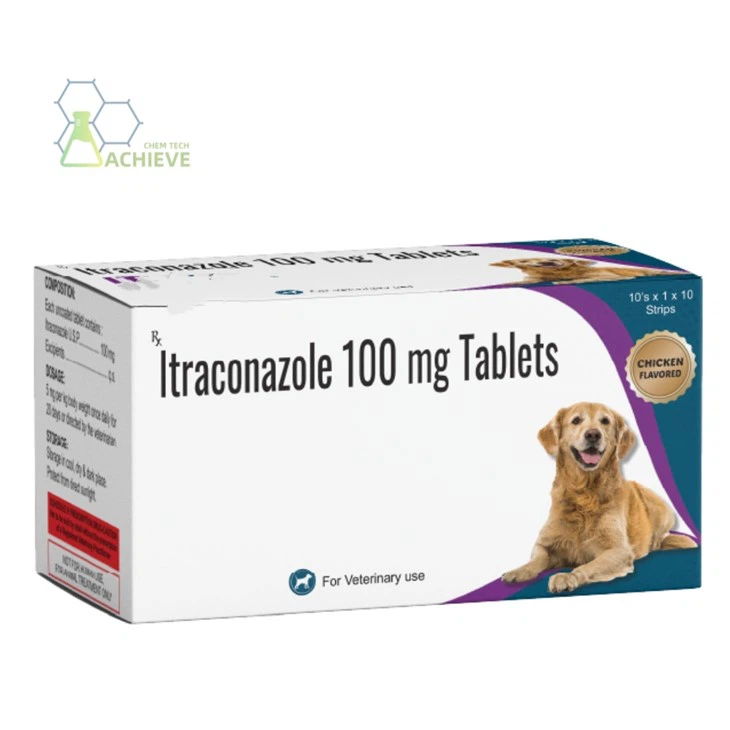

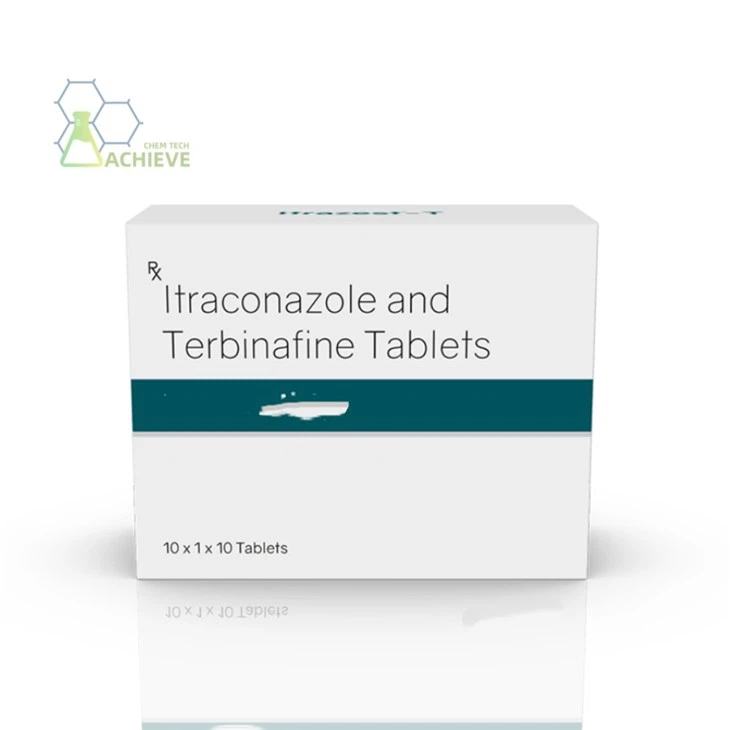
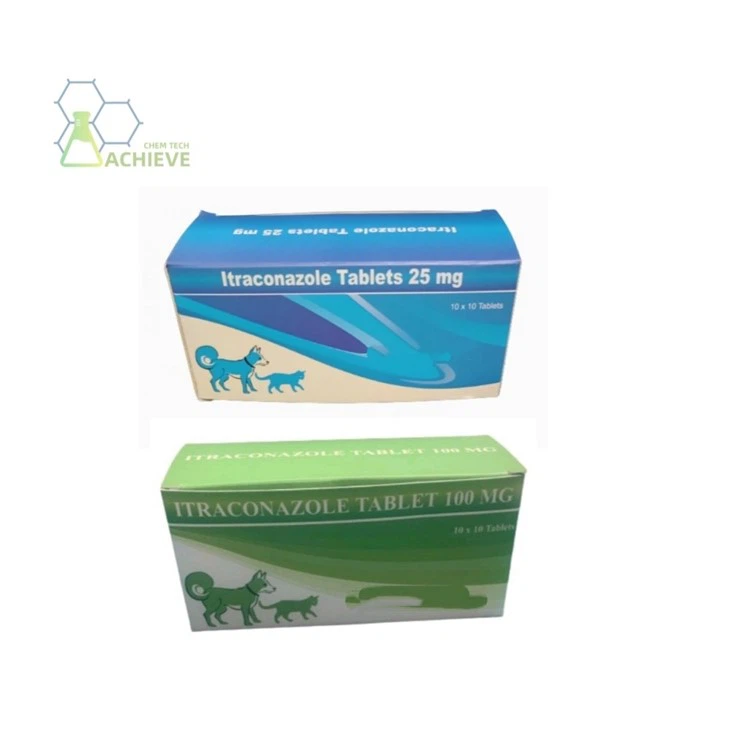


Shaanxi BLOOM Tech Co., Ltd. is one of the most experienced manufacturers and suppliers of itraconazole tablet 100mg in China. Welcome to wholesale bulk high quality itraconazole tablet 100mg for sale here from our factory. Good service and reasonable price are available.
Itraconazole tablet 100mg belongs to the triazole class of antifungal drugs, which exert antifungal effects by inhibiting the synthesis of ergosterol on fungal cell membranes. It has broad-spectrum antibacterial activity against dermatophytes, yeast, Aspergillus, and other fungi. Suitable for the treatment of various deep and superficial fungal infections. In terms of deep infection, it can be used for systemic aspergillosis (including lung and disseminated infection), cryptococcal meningitis (combined with other antifungal drugs), histoplasmosis (including disseminated infection in AIDS patients), etc. In terms of superficial infections, it can be used to treat tinea versicolor, tinea pedis, tinea corporis, tinea crus, onychomycosis (nail plate involvement), and oral candidiasis. In addition, it has also been applied in specialized fields such as fungal keratitis, oral candidiasis (thrush) in HIV infected individuals, and recurrent vulvovaginal candidiasis.


Dosage form and specifications:
The common specifications are 100mg/tablet and 200mg/tablet, and some products are available in packaging forms of 50 tablets/box or 7 tablets/box. For example, the itraconazole tablets (trade name: MEEK) produced by Kobayashi Chemical in Japan have a specification of 200mg/tablet x 50 tablets/box, while the dispersible tablets produced by Kangzhi Pharmaceutical in China are 0.1g x 7 tablets/box.
Additional information of chemical compound:
| Product Name | Itraconazole Powder | Itraconazole Capsules | Itraconazole Cream | Itraconazole Tablets |
| Product Type | Powder | Capsules | Cream | Tablet |
| Product Purity | ≥99% | ≥99% | ≥99% | ≥99% |
| Product Specifications | Customizable | Customizable | Customizable | Customizable |
| Product Package | Customizable | Customizable | Customizable | Customizable |
Our product form


Itraconazole +. COA
 |
||
Certificate of Analysis |
||
|
Compound name |
Itraconazole | |
|
CAS No. |
84625-61-6 | |
|
Grade |
Pharmaceutical grade | |
|
Quantity |
Customized | |
|
Packaging standard |
Customized | |
| Manufacturer | Shaanxi BLOOM TECH Co., Ltd | |
|
Lot No. |
20250109001 |
|
|
MFG |
Jan 12th 2025 |
|
|
EXP |
Jan 8th 2029 |
|
|
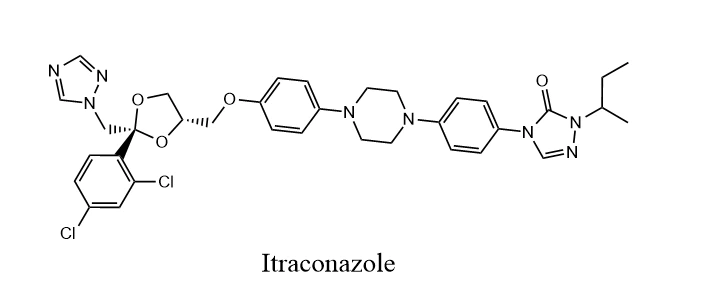
Structure |
|
|
| TEST STANDARD | GB/T24768-2009 Industry. Stnndard | |
|
Item |
Enterprise standard |
Analysis result |
|
Appearance |
White or almost white powder |
Conformed |
|
Water content |
≤4.5% |
0.30% |
| Loss on drying |
≤1.0% |
0.15% |
|
Heavy Metals |
Pb≤0.5ppm |
N.D. |
|
As≤0.5ppm |
N.D. | |
|
Hg≤0.5ppm |
N.D. | |
|
Cd≤0.5ppm |
N.D. | |
|
Purity (HPLC) |
≥99.0% |
99.5% |
|
Single impurity |
<0.8% |
0.48% |
|
Residue on ignition |
<0.20% |
0.064% |
|
Total microbial count |
≤750cfu/g |
80 |
|
E. Coli |
≤2MPN/g |
N.D. |
|
Salmonella |
N.D. | N.D. |
|
Ethanol (by GC) |
≤5000ppm |
400ppm |
|
Storage |
Store in a sealed, dark and dry place at-20 degrees |
|
|
|
||


Itraconazole tablet 100mg, as a broad-spectrum triazole antifungal drug, exert antibacterial effects by inhibiting the synthesis of ergosterol on fungal cell membranes. Their clinical applications cover superficial to deep fungal infections and involve preventive treatment for immunocompromised patients.
1. Skin ringworm disease
Hand and foot tinea/body and thigh tinea: targeting dermatophytes such as Trichophyton and Microsporidia, the standard dosage is 100mg/day, with a treatment course of 15 days; The highly keratinized areas such as the sole or palm need to be extended to 30 days. Itraconazole can penetrate deep into the skin, remove local fungi, and alleviate symptoms such as redness, papules, and itching.
Tinea versicolor (sweat spots): 200mg/day single dose is administered for 7 days, with a clinical cure rate of over 90%. Its broad-spectrum antibacterial activity is significantly effective against lipophilic fungi such as Malassezia.
2. Mucosal candidiasis
Oral candidiasis: 100mg/day, 15 days of treatment. The efficacy of oral candidiasis in AIDS patients with oral candidiasis is better than fluconazole, especially for fluconazole resistant strains.


Candidiasis of the external genitalia and vagina:
Short course treatment plan: 200mg/time, twice a day, for one consecutive day;
Long course treatment plan: 200mg/time, once a day, for 3 consecutive days, the recurrence rate is reduced by 40% compared to clotrimazole suppositories.For recurrent infections, vaginal suppositories (such as clotrimazole) can be combined to improve efficacy.
3. Onychomycosis (onychomycosis)
Shock therapy: 200mg/time, twice a day, for 7 consecutive days, with 3 weeks of discontinuation as one course of treatment. Nail infection requires 2 courses of treatment, and toenail infection requires 3 courses of treatment, with a cure rate of 70% -85%.
Its advantage lies in the fact that the half-life of the drug in the deck is as long as 6-9 months, and it can continue to exert therapeutic effects even after discontinuation.
Continuous therapy: 200mg/day, continuous use for 3 months, suitable for elderly patients or those with liver dysfunction, and liver function indicators need to be monitored.
Pharmacokinetic advantages: The half-life of the drug in the deck is as long as 6-9 months, and itraconazole tablet 100mg can continue to exert therapeutic effects even after discontinuation.

Specialized Special Applications

Fungal keratitis: 200mg/day, treatment course of 21 days.
HIV related oral candidiasis: 200mg/day, combined with antiretroviral therapy to improve efficacy.
Recurrent vulvovaginal candidiasis: Take 200mg twice a day for 3 consecutive days or 200mg/day for 7 consecutive days to prevent recurrence and extend the treatment course to 6 months.
Palmoplantar pustulosis: Take 100mg orally daily for one month, and then 100mg every other day. Some patients have significantly reduced erythema and pustules.
Lichen planus: Using shock therapy (200mg twice a day in the first week of each month for 3 consecutive months), 77.7% of patients showed improvement in skin lesions without new onset.
Seborrheic dermatitis: Taking 200mg/day continuously for one week in the first month, and only taking medication for the first two days in the second and third months, 60% of patients showed significant improvement in symptoms.
Atopic dermatitis: Oral administration of 200-400mg per day resulted in better improvement of head and neck skin lesions compared to the placebo group.

Combination therapy and sequential therapy: optimizing clinical outcomes

Combination therapy for invasive fungal diseases
Aspergillosis: itraconazole (200mg/day)+caspofungin (50mg/day), which improves clinical efficacy by 28% compared to monotherapy;
Cryptococcus disease: itraconazole (400mg/day)+flucytosine (100mg/kg/day) can shorten the induction period to one week.
Application of Sequential Therapy
Initial intravenous administration: Severe patients are first given itraconazole injection 200mg/day, twice a day, and then switched to 200mg/day, once a day after 2 days;
Oral conversion: When the patient's body temperature is normal for 48 hours and the infection markers decrease by 50%, it is converted to an oral dosage form with a bioavailability difference of less than 10%.
Itraconazole tablet 100mg have become the core drug for antifungal treatment due to their broad-spectrum antibacterial activity, flexible dosage form design, and clear evidence of efficacy. In clinical applications, it is necessary to strictly control the indications, develop individualized plans based on the patient's liver and kidney function, immune status, and drug interactions, and optimize the balance between efficacy and safety through TDM. In the future, with the development of new dosage forms such as nanomaterials, their clinical application scope is expected to further expand.
Itraconazole induces cell cycle arrest and apoptosis - a multi pronged direct anti proliferative mechanism
Itraconazole Tablet 100mg is a widely used oral lipophilic triazole antifungal drug in clinical practice. It inhibits fungal cytochrome P450 dependent enzymes, blocks ergosterol synthesis, and causes cell membrane damage and fungal death. In recent years, studies have found that itraconazole not only has antifungal effects, but also has significant anti-cancer and anti angiogenic activities. The 100mg itraconazole tablets have shown potential application value in anti-tumor therapy due to their good pharmacokinetic properties and safety.
The mechanism of itraconazole induced cell cycle arrest
Itraconazole induces tumor cell cycle arrest by regulating the expression of cyclins and cyclin dependent kinases (CDKs). For example:
G1 phase arrest: In prostate cancer PC-3 cells, treatment with itraconazole downregulates the expression of Cyclin D1 and CDK4, while upregulating the expression of cyclin dependent kinase inhibitors p21 and p27, leading to cell arrest in the G1 phase.
G2/M phase arrest: In the medulloblastoma model, itraconazole induces G2/M phase arrest by inhibiting the expression of downstream gene Gli1 in the Hedgehog signaling pathway, interfering with the activity of Cyclin B1 and CDK1.

Interference with DNA replication and repair

Itraconazole can inhibit the activity of DNA replication related enzymes, such as DNA polymerase and topoisomerase, thereby blocking DNA synthesis. In addition, it can activate checkpoint pathways by inducing DNA damage response (DDR), further delaying cell cycle progression. For example, in gastric cancer cells, the expression of gamma H2AX (a DNA double strand break marker) increases after treatment with itraconazole, indicating the accumulation of DNA damage.
Itraconazole enhances cell cycle arrest by affecting checkpoint signaling pathways such as ATM/ATR-Chk1/Chk2 and p53-p21. In wild-type p53 tumor cells, itraconazole can activate p53, induce p21 expression, and enhance G1 phase arrest; In p53 mutant cells, it may achieve similar effects through other mechanisms such as Chk1 activation.

The mechanism of itraconazole induced cell apoptosis
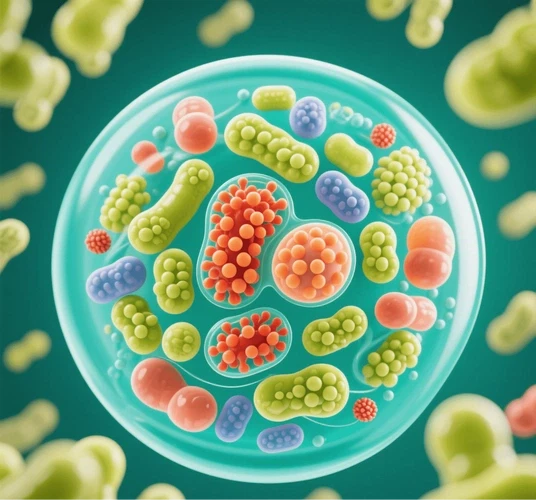
Mitochondrial pathway apoptosis
Itraconazole activates the mitochondrial apoptosis pathway through the following mechanisms:
Regulation of Bcl-2 family proteins: In prostate cancer PC-3 cells, treatment with itraconazole upregulates the expression of pro apoptotic protein Bax and downregulates the expression of anti apoptotic protein Bcl-2, leading to increased mitochondrial membrane permeability and release of cytochrome c.
Caspase cascade reaction: The released cytochrome c activates Caspase-9, which in turn activates effector Caspase-3 and Caspase-7, ultimately leading to cell apoptosis. After treatment with itraconazole, the expression of Cleaved Caspase-3 in PC-3 cells significantly increased, confirming the activation of this pathway.

Death receptor pathway apoptosis
Itraconazole can upregulate the expression of death receptors on the surface of tumor cells, such as Fas/CD95 and TRAIL-R1/R2, and enhance apoptosis signals induced by death ligands (FasL and TRAIL). For example, in gastric cancer cells, the combination of itraconazole and 5-FU can synergistically activate the death receptor pathway and enhance apoptotic effects.
Accumulation of ceramides induces apoptosis
Ceramide is an important second messenger of cell apoptosis. Itraconazole promotes intracellular ceramide accumulation by inhibiting negative regulatory factors of ceramide synthase (CerS) such as SPHK1 or directly activating CerS. In PC-3 cells, the content of ceramide increased by 1.5-2 times after treatment with itraconazole, and the apoptosis rate was positively correlated with ceramide levels. Ceramides further amplify apoptotic signals by activating the JNK pathway and inhibiting Akt/mTOR signaling.

Multi pathway synergistic effect of itraconazole on anti proliferation
Inhibition of Hedgehog signaling pathway
The Hedgehog (Hh) signaling pathway plays a crucial role in embryonic development and tumorigenesis. As an antagonist of the Hh pathway, itraconazole inhibits the activity of Smoothened (SMO) protein and blocks the nuclear translocation of Gli transcription factors, thereby suppressing the expression of downstream pro proliferative genes such as Cyclin D1, Myc, and Bcl-2. In a mouse model of medulloblastoma, treatment with itraconazole (75-100 mg/kg, twice daily) for 18 days resulted in a tumor volume reduction of over 50% and a significant decrease in Hh pathway activity.
Inhibition of angiogenesis related factors
Itraconazole inhibits tumor angiogenesis through the following mechanisms:
Downregulation of VEGF expression: In gastric cancer cells, treatment with itraconazole resulted in a decrease in VEGF mRNA and protein expression, and this effect was not related to HIF-1 α degradation, suggesting a direct transcriptional repression mechanism.
Inhibition of endothelial cell proliferation: Itraconazole has a direct anti proliferative effect on vascular endothelial cells such as HUVEC and BAEC, with an IC50 value of 0.16 μ M. It inhibits angiogenesis by blocking the progression of endothelial cell cycle to G1 phase.
Interference with cellular metabolism and energy supply
Itraconazole can inhibit the activity of mitochondrial respiratory chain complex III in tumor cells, reduce ATP production, and induce energy crisis. In addition, it can further inhibit tumor growth by inhibiting key enzymes in the cholesterol synthesis pathway, such as HMG CoA reductase, interfering with cell membrane synthesis and signal transduction.
Hot Tags: itraconazole tablet 100mg, suppliers, manufacturers, factory, wholesale, buy, price, bulk, for sale