


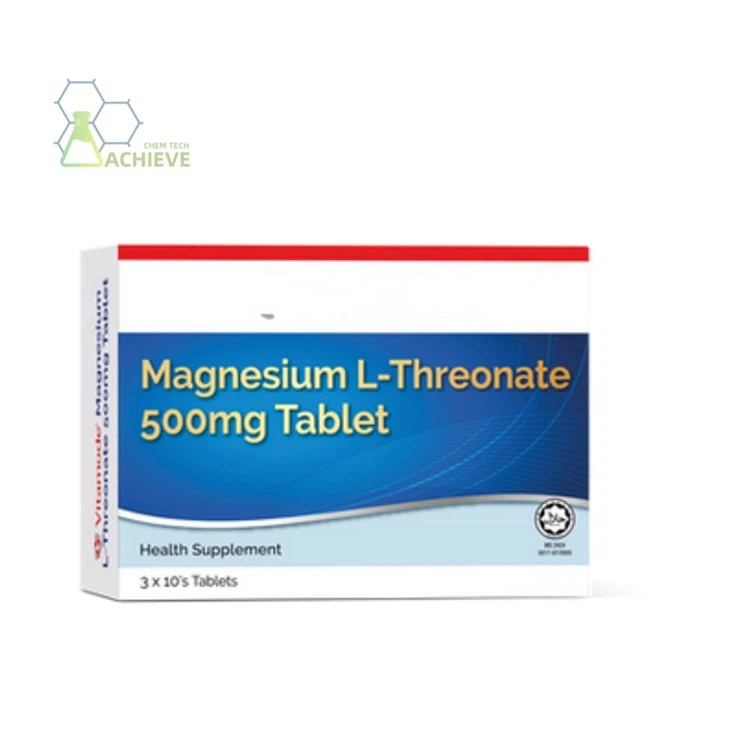

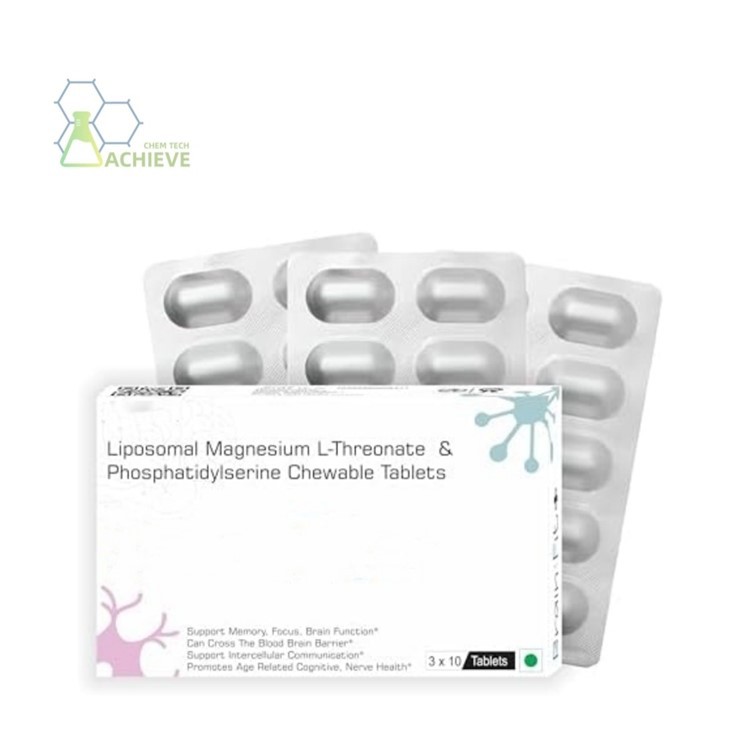
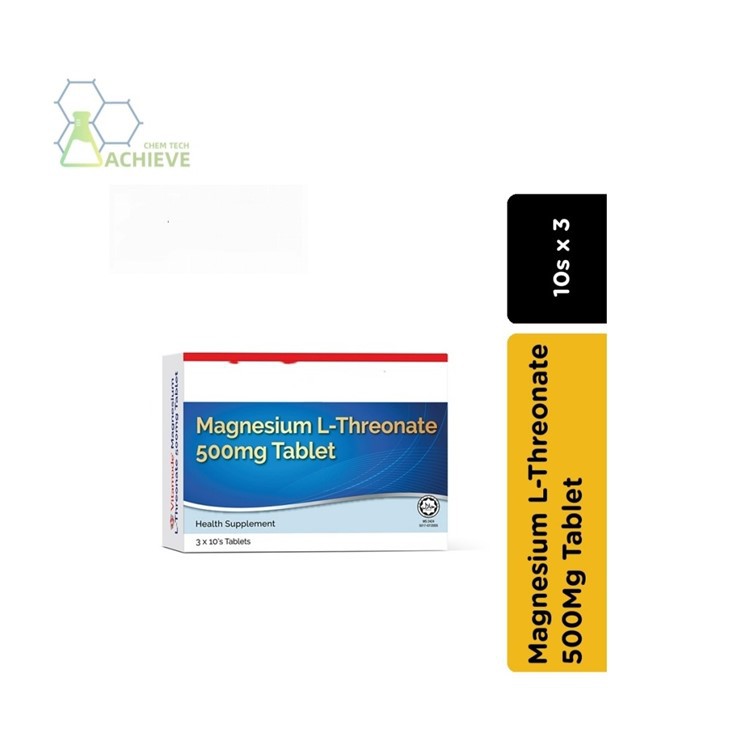
Shaanxi BLOOM Tech Co., Ltd. is one of the most experienced manufacturers and suppliers of magnesium threonate tablets in China. Welcome to wholesale bulk high quality magnesium threonate tablets for sale here from our factory. Good service and reasonable price are available.
Magnesium threonate tablets, commonly abbreviated as MgT in research and nutritional fields, are an advanced oral magnesium supplementation product with excellent brain-targeted absorption performance. This organic magnesium compound is synthesized through a stable chelation chemical reaction between free magnesium ions and L-threonate, a natural small-molecule metabolite generated during the metabolic breakdown process of vitamin C within the human body, and this synthetic pathway endows the finished complex with a distinctive, proprietary molecular spatial configuration. The (2R,3S)-2,3,4-trihydroxybutanoate component functions as an effective organic ligand surrounding magnesium cations in the intestinal tract.




Additional information of chemical compound:
| Product Name | Magnesium Threonate Powder | Magnesium Threonate Tablet | Magnesium Threonate Capsules |
| Product Type | Powder | Tablet | Capsule |
| Product Purity | ≥99% | ≥99% | ≥99% |
| Product Specifications | Customizable | Customizable | Customizable |
| Product Package | Customizable | Customizable | Customizable |
Our Products


Magnesium Threonate COA
 |
||
Certificate of Analysis |
||
|
Compound name |
Magnesium L-Threonate | |
|
CAS No. |
778571-57-6 | |
|
Grade |
Pharmaceutical grade | |
|
Quantity |
Customized | |
|
Packaging standard |
Customized | |
| Manufacturer | Shaanxi BLOOM TECH Co., Ltd | |
|
Lot No. |
20260109056 |
|
|
MFG |
Jan 12th 2026 |
|
|
EXP |
Jan 8th 2029 |
|
|
Structure |
|
|
| TEST STANDARD | GB/T24768-2009 Industry. Stnndard | |
|
Item |
Enterprise standard |
Analysis result |
|
Appearance |
White or almost white powder |
Conformed |
|
Water content |
≤4.5% |
0.30% |
| Loss on drying |
≤1.0% |
0.15% |
|
Heavy Metals |
Pb≤0.5ppm |
N.D. |
|
As≤0.5ppm |
N.D. | |
|
Hg≤0.5ppm |
N.D. | |
|
Cd≤0.5ppm |
N.D. | |
|
Purity (HPLC) |
≥99.0% |
99.5% |
|
Single impurity |
<0.8% |
0.48% |
|
Residue on ignition |
<0.20% |
0.064% |
|
Total microbial count |
≤750cfu/g |
80 |
|
E. Coli |
≤2MPN/g |
N.D. |
|
Salmonella |
N.D. | N.D. |
|
Ethanol (by GC) |
≤5000ppm |
400ppm |
|
Storage |
Inert atmosphere;Room Temperature |
|
|
|
||


Background of Invention and Patent Protection:
Magnesium (2R,3S)-2,3,4-trihydroxybutanoate was invented by international neuroscientist Professor Liu Guosong in 2006 and founded a brand. Its patented technology (patent number: ZL 201710068955.4) covers the preparation method, dosage form formulation, and use of magnesium gluconate. Currently, there are over 100 authorized brands worldwide, and the product is distributed in 25 countries and regions, with cumulative sales exceeding 35 million bottles.


Magnesium threonate tablets are dietary supplements with Magnesium (2R,3S)-2,3,4-trihydroxybutanoate (MgT) as the core ingredient. Its unique molecular structure makes it the only magnesiu supplement clinically proven to significantly increase cerebrospinal fluid magnesiu concentration. Based on research results from institutions such as the Massachusetts Institute of Technology (MIT) and global clinical practice, its mechanism of action covers multiple levels such as synaptic plasticity regulation, neurotransmitter balance, neuroinflammation inhibition, and microbiota gut brain axis regulation, forming a multi-target, multi system synergistic network.
(1) Molecular structural advantages and penetration mechanisms
Magnesium (2R,3S)-2,3,4-trihydroxybutanoate is formed by chelation reaction between magnesiu ions and L-threonate (a metabolite of vitamin C).
Its molecular weight (294.5 Da) and lipid solubility make it the only magnesiu supplement that can efficiently penetrate the blood-brain barrier.
This difference is due to the unique transport mechanism of MgT:L-threonine carrier mediated transport: L-threonine, as an intermediate in vitamin C metabolism, can actively enter brain tissue through GLUT1 transporter and carry magnesiu ions for coordinated transport.


Avoiding competitive inhibition of the blood-brain barrier: Traditional magnesiu agents rely on passive diffusion or low efficiency transporters, which are easily affected by plasma protein binding rates.
(2) The physiological significance of increased magnesium concentration in the brain
Magnesium is the fourth largest cation in the human body, involved in over 300 enzyme reactions and more than 600 biochemical processes. In the central nervous system, magnesiu maintains neuronal homeostasis through the following mechanisms.
Calcium channel regulation: As a natural calcium channel blocker, magnesiu can inhibit the excessive opening of voltage-gated calcium channels (VGCC), preventing neuronal apoptosis caused by intracellular calcium overload;
Oxidative stress inhibition: Magnesiu is a cofactor of superoxide dismutase (SOD), which can enhance the antioxidant capacity of neurons and reduce the generation of reactive oxygen species (ROS) induced by β - amyloid protein (A β);
Energy metabolism support: Magnesiu participates in ATP synthesis and utilization, maintaining stable mitochondrial membrane potential and ensuring high energy consumption needs of neurons.

Regulation of synaptic plasticity: molecular basis for cognitive enhancement

(1) Increased synaptic density and structural remodeling
The MIT team found through electron microscopy that supplementing MgT for 12 consecutive weeks can increase synaptic density in the hippocampus of elderly mice by 19% and increase postsynaptic density (PSD) thickness by 22%. This structural remodeling is achieved through the following signaling pathways:BDNF/TrkB pathway activation: MgT can upregulate the expression of brain-derived neurotrophic factor (BDNF) and promote the synthesis of synaptic proteins such as PSD-95 and Synapsin-1;Rho GTPase regulation: Magnesiu promotes dendritic spine formation and axonal extension by inhibiting RhoA activity, activating Rac1/Cdc42.
(2) Clinical evidence of cognitive function improvement
Improvement of working memory: In a double-blind trial targeting healthy adults aged 55-70, daily supplementation of 200mg of elemental magnesium (in the form of MgT) for 12 weeks resulted in an 18% increase in digital breadth test scores and a 21% increase in accuracy of delayed memory tasks;
Accelerated learning speed: Animal experiments have shown that the MgT supplementation group of mice reduced the number of training sessions required to meet learning standards by 37% and extended spatial exploration time by 42% in the Morris water maze task;Reversal of brain aging: In human studies, after supplementing with MgT for 6 weeks, the average age of brain function decreased from 69.6 years to 60.6 years.

Neurotransmitter balance and emotion regulation: mechanisms of anti anxiety and depression

(1) GABAergic system enhancement
Magnesium threonate tablets regulates gamma aminobutyric acid type A receptor (GABAer-R) through positive conformational modulation, enhancing GABA induced chloride ion influx and exerting anti anxiety effects;Enhanced receptor affinity: Mg ² ⁺ can bind to the beta subunit of GABA ₐ R, reducing receptor desensitization rate and prolonging the duration of inhibitory postsynaptic potential (IPSP);
Neuronal excitability inhibition: In emotion regulation centers such as the amygdala, MgT can reduce neuronal firing frequency by 30-40% and decrease anxiety related behaviors;Clinical efficacy verification: After supplementing MgT for 4 weeks in patients with generalized anxiety disorder, the Hamilton Anxiety Scale score decreased by 31%, which is equivalent to low-dose benzodiazepines but not addictive.
(2) Serotonin system regulation
MgT promotes the synthesis and release of 5-hydroxytryptamine (5-HT) through the following pathways:Activation of Tryptophan Hydroxylase: Magnesiu is a cofactor of Tryptophan Hydroxylase (TPH), which enhances its catalytic activity and increases the production of 5-HT precursors;Upregulation of 5-HT1A receptors: Animal experiments have shown that MgT supplementation can increase the density of 5-HT1A receptors in the prefrontal cortex by 25%, enhancing 5-HTergic neurotransmission.

Neuroinflammation inhibition and neuroprotection: intervention mechanism of Alzheimer's disease

(1) Inhibition of microglial activation
MgT reduces neuroinflammation through the following pathways:
NLRP3 inflammasome blockade: Magnesiu can inhibit NLRP3 assembly and reduce the release of pro-inflammatory factors such as IL-1 β and IL-18;
P2X7 receptor antagonism: Mg ² ⁺, as an endogenous antagonist of the P2X7 receptor, can prevent ATP induced overactivation of microglia;
Preclinical effects: In the APP/PS1 transgenic mouse model, MgT supplementation reduced hippocampal IL-6 levels by 58% and A β plaque area by 35%.
(2) Microbial gut brain axis regulation
The latest research has found that MgT can improve symptoms of Alzheimer's disease by regulating the composition of gut microbiota
Probiotic proliferation: MgT supplementation can increase the abundance of Bifidobacterium by 40% and Lactobacillus by 28%, which can produce short chain fatty acids (SCFAs) to inhibit neuroinflammation;Intestinal barrier repair: MgT upregulates the expression of tight junction proteins such as ZO-1 and Occludin, reducing intestinal permeability and preventing systemic inflammation caused by lipopolysaccharide (LPS) entering the bloodstream;Changes in serum metabolites: After supplementing with MgT, plasma tryptophan levels increased by 22%, and the canine urea/tryptophan ratio decreased by 31%.

Sleep wake cycle regulation: analysis of sleep aid mechanisms

(1) GABA magnesium synergistic effect
MgT promotes sleep through the following mechanisms:Enhanced GABAera-R sensitivity: When combined with barbiturates, MgT can shorten sleep latency by 22 minutes and increase slow wave sleep duration by 25%;Melatonin secretion regulation: Animal experiments have shown that MgT supplementation can increase the activity of pineal melatonin synthase (such as NAT, HIOMT) by 30%, and serum melatonin levels by 45% at night peak;Cortisol rhythm adjustment: In patients with chronic insomnia.
(2) Sleep structure optimization
Sleep efficiency improvement: According to polysomnography monitoring, the sleep efficiency of the MgT supplementation group increased from 72% to 81%, and the number of nighttime awakenings decreased by 62%;Extended deep sleep: The proportion of slow wave sleep (SWS) increased from 18% to 24%, and the frequency of sleep spindles related to memory consolidation increased by 28%;Synchronization of circadian rhythm: MgT regulates the expression of clock genes in the suprachiasmatic nucleus (SCN).

Cardiovascular protection and metabolic regulation: extended systemic effects

(1) Blood pressure regulation mechanism
MgT lowers blood pressure through the following pathways:Smooth muscle vasodilation: As a natural calcium channel blocker, magnesiu can inhibit the opening of L-type calcium channels, reduce intracellular calcium concentration, and lower vascular tension;Improvement of endothelial function: MgT supplementation increased blood flow mediated vasodilation (FMD) by 22% and increased NO bioavailability by 31%;Clinical efficacy verification: After 12 weeks of supplementing MgT in hypertensive patients, the average systolic blood pressure decreased by 7-9 mmHg and diastolic blood pressure decreased by 4-6 mmHg, which is equivalent to the effect of low-dose diuretics.
(2) Metabolic syndrome intervention
Increased insulin sensitivity: MgT promotes GLUT4 translocation of skeletal muscle by activating AMPK pathway, reducing fasting blood glucose of diabetes patients by 15% and insulin resistance index (HOMA-IR) by 22%;Lipid metabolism regulation: After 8 weeks of supplementation with MgT, serum total cholesterol decreased by 8%, LDL-C decreased by 12%, and HDL-C increased by 10%, with an effect comparable to that of moderate intensity statins;Adipose tissue regulation: MgT can inhibit PPAR γ phosphorylation, reduce adipocyte differentiation, and decrease visceral fat area by 18%.


Magnesium threonate tablets enhance brain magnesiu concentration by penetrating the blood-brain barrier, forming a multidimensional mechanism of action from synaptic plasticity regulation to neuroinflammation inhibition, from neurotransmitter balance to microbiota gut brain axis regulation. Its clinical application has expanded from cognitive enhancement to Alzheimer's disease intervention, sleep disorder treatment, cardiovascular protection, and metabolic syndrome management, becoming a key tool for interdisciplinary health management. In the future, with the in-depth analysis of the interaction network between magnesiu, neurotransmitters, and microbiota.
references
Magnesium L-threonate elevates brain magnesium and rescues memory deficits in aged rats, 2010
Magnesium threonate supplementation improves learning and synaptic function in mouse models of neurodegeneration, 2016
Clinical effects of magnesium (2R,3S)-2,3,4-trihydroxybutanoate on sleep quality and mild cognitive impairment in elderly adults, 2022
FAQ
Q1: What makes magnesium threonate different from other magnesium supplements?
-
A1: It can cross the blood-brain barrier and effectively raise magnesium levels inside brain tissue.
Q2: What core brain benefits does magnesium threonate provide?
-
A2: It enhances synaptic plasticity to improve memory, cognition and relieve age-related brain decline.
Q3: Who is suitable for taking magnesium threonate daily?
-
A3: This nutritional supplement is highly suitable for multiple groups including adults suffering from forgetfulness and poor memory, office workers and students with persistent brain fatigue from long-term heavy mental work, individuals troubled by light, fragmented and low-quality sleep, as well as aging elderly populations experiencing mild cognitive decline and slow mental response.
Hot Tags: magnesium threonate tablets, suppliers, manufacturers, factory, wholesale, buy, price, bulk, for sale