


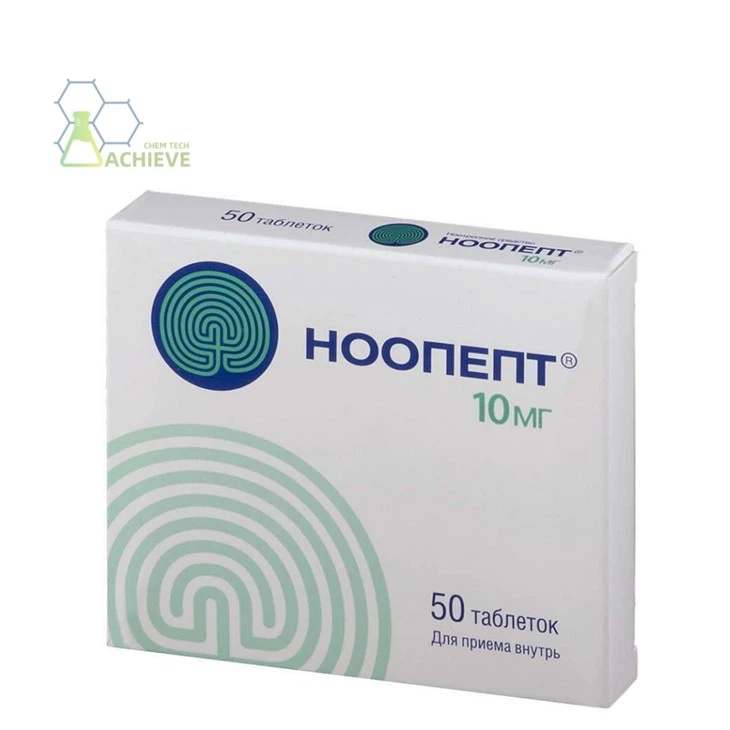


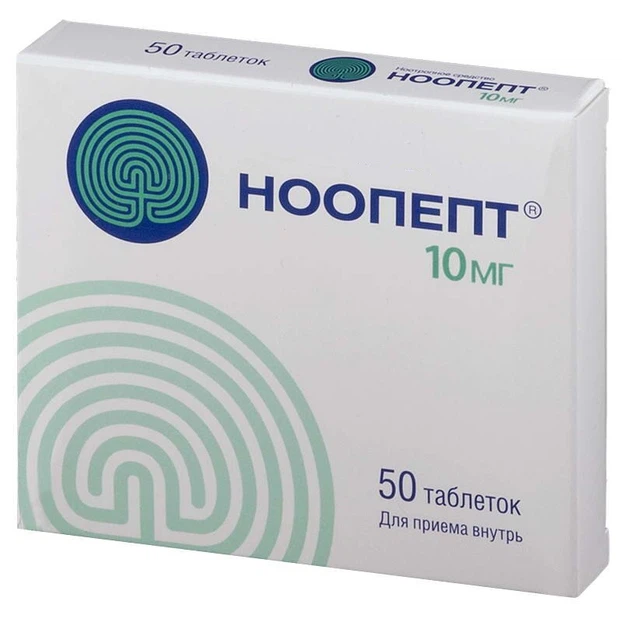
Noopept tablets are an oral formulation based on the synthetic intelligence promoting drug Omberacetam (chemical name: N-phenylacetyl-L-prolylglycine ethyl ester) as the core ingredient. It was first developed in Russia and later used as a drug or health supplement in some countries in Europe and Asia. Its mechanim of action covers four dimensions: neuroprotection, neurotransmitter regulation, growth factor stimulation, and antioxidant defense. Preclinical studies have shown that its efficacy can reach up to 1000 times that of the traditional intelligence promoting drug Piracetam. Animal experments have shown that it can improve the spatial memory retention ability of rats with traumatic brain injury and significantly increase the serum BDNF level in patients with vascular dementia. The capsuls formulation adopts microcrystalline cellulose carrier technology to ensure stable release of the drug in the gastrointestinal tract, with an oral bioavailability of 89%. The ratio of blood-brain barrier penetration rate to serum concentration is close to 1:1, and the efficacy lasts for more than 12 weeks.
Our product

Additional information of chemical compound:

Our Product
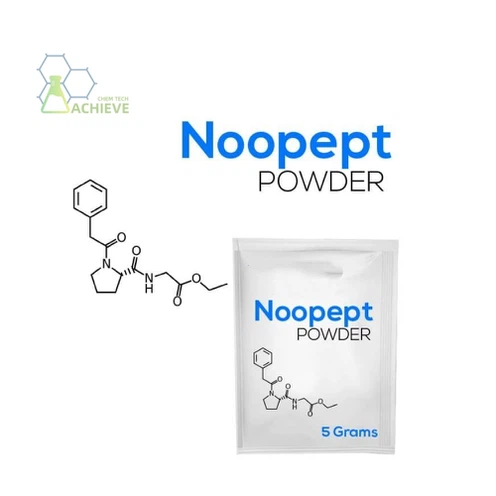
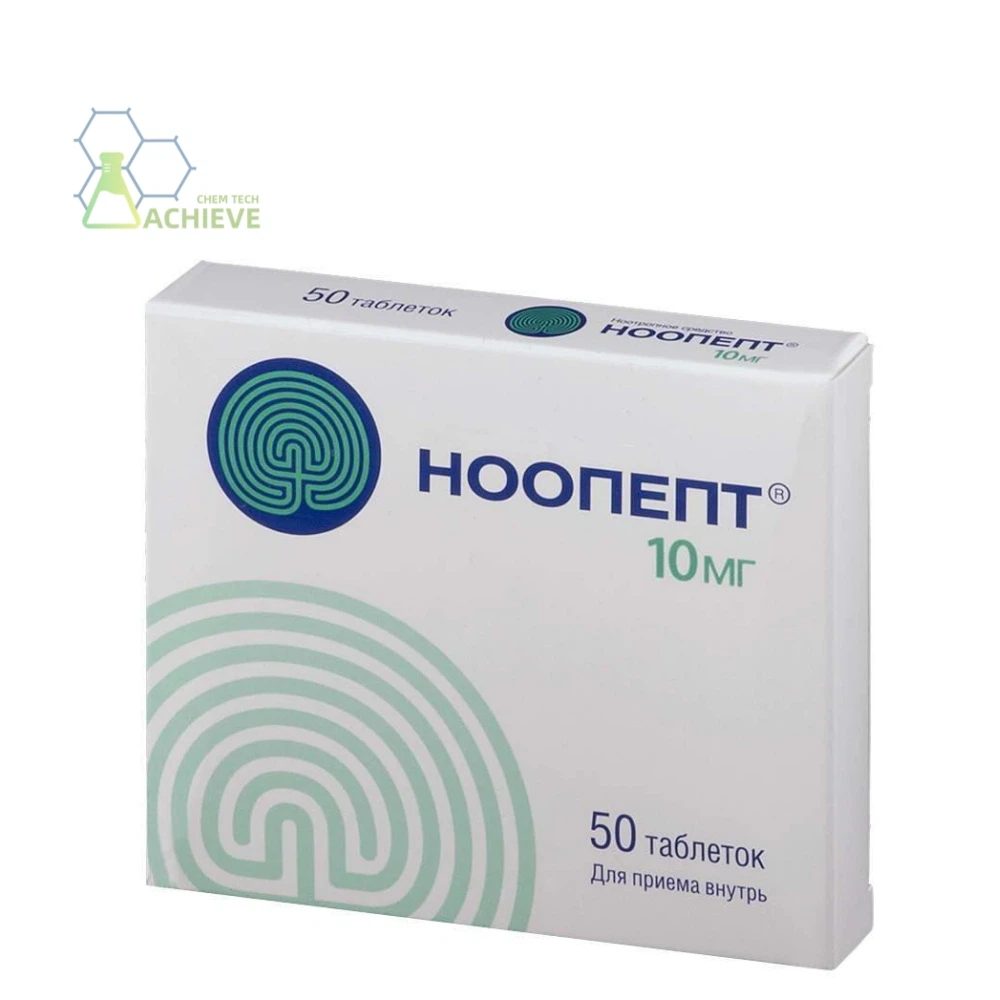
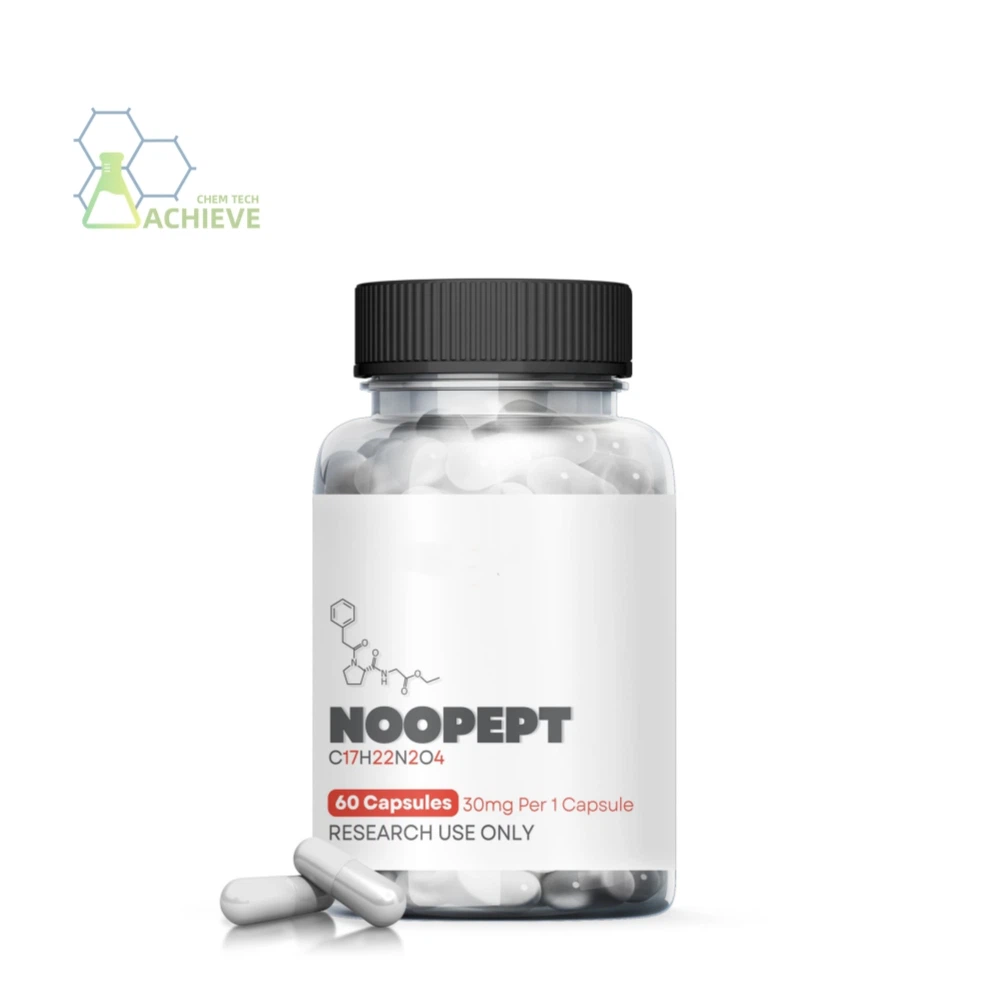
Noopept +. COA

Chemical Essence and Molecular Characteristics
1. Structural advantages and bioavailability:
Compared to the traditional intelligence promoting drug Piracetam, Noopept significantly enhances its blood-brain barrier penetration ability through benzoyl modification. Animal experiments have shown that the peak concentration (1.289 μ g/mL) in brain tissue can be reached within 7 minutes after oral administration of 8mg/kg dose, and there is no significant difference in serum and nerve tissue concentrations. Its bioavailability is as high as 89%, far exceeding the 1-2% of piracetam, thanks to the avoidance effect of the ethyl ester functional group on the first pass effect.
2. Formulation differences
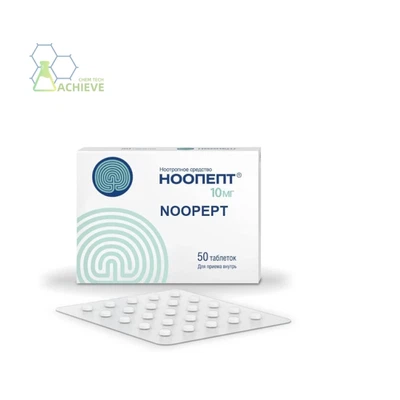
There is a bioequivalence dispute between the Russian version of sublingual tablets (10mg) and the American version of capsuls (30mg). User research shows that 62% of users believe that sublingual tablets take effect faster (15-20 minutes vs 30-45 minutes for capsuls), but the duration of action in the capsule group is prolonged to 6-8 hours. HPLC analysis shows that the dissolution standard for sublingual tablets is 85% -115%, while capsuls need to reach 80% -125%.
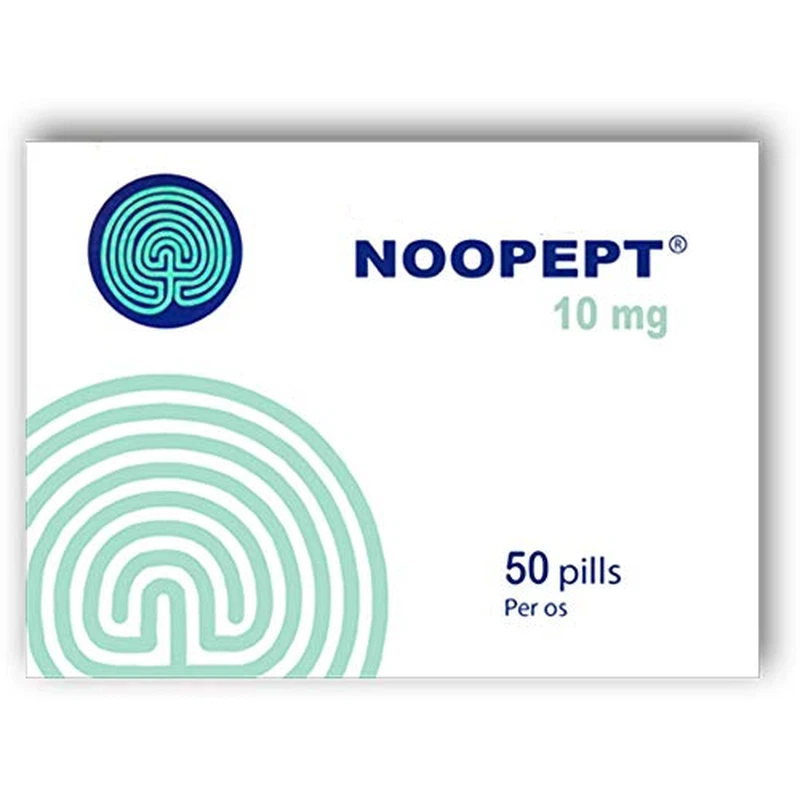
The bioavailability of Noopept tablets is a core parameter in their pharmacokinetic properties, which directly affects the absorption efficiency and clinical efficacy of drugs in vivo. According to existing research, the bioavailability of Omberacetam exhibits significant characteristics, and the specific analysis is as follows:
The absolute bioavailability is as high as 99.7%, indicating that almost all drug components can be absorbed into the systemic circulation through the gastrointestinal tract after oral administration. Its high absorption rate is mainly attributed to the following mechanims:
Molecular structural advantages: Omberacetam is a small molecule dipeptide derivative (molecular weight 318.36 Da) with low polarity surface area and fewer rotatable bonds, which conforms to the molecular design principles of good oral bioavailability.
Carrier assisted absorption: Microcrystalline cellulose is often used as an excipient in formulations, and its hygroscopicity and compressibility can optimize the dispersion of drugs in the gastrointestinal tract, promoting dissolution and absorption.
Metabolic stability: Although some drugs are metabolized into products such as phenylacetic acid and phenylacetyl proline in the first pass effect, the main active ingredients still exist in their original form, ensuring the utilization efficiency of the active ingredients.
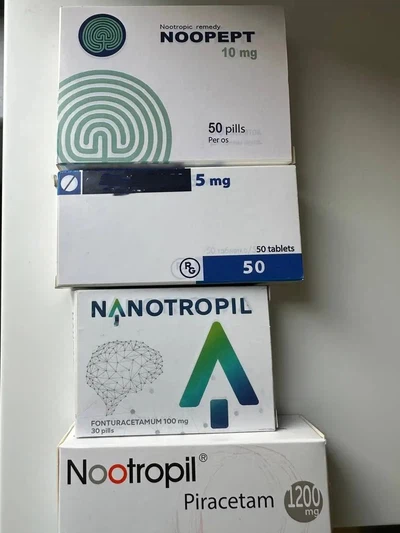
Formulation differences: comparison of bioavailability between capsuls and tablets

Different dosage forms have an impact on their bioavailability:
Capsuls formulation:
The use of microcrystalline cellulose carrier technology can protect drugs from gastric acid degradation and ensure stable release in the intestine.
The bioavailability and blood-brain barrier penetration rate are close to 1:1, and the drug effect lasts for more than 12 weeks.
The user report shows that the 30mg capsuls formulation has significant effects on improving attention and information processing speed.
Sublingual tablets (Russian version):
Directly absorbed through the sublingual mucosa, bypassing the first pass effect, theoretically has higher bioavailability.
However, in actual research, there was no statistically significant difference in the blood drug concentration curve compared to oral capsuls, which may be due to the limited mucosal absorption area.
User feedback shows that sublingual tablets take effect faster, but have a shorter duration (about 4-6 hours).
The half-life of plasma is 0.38 hours, which is relatively short, but its sustained efficacy benefits from the following mechanims:
Metabolite activity: Some metabolites (such as cycloprolidylglycine) still have neuroprotective effects and can prolong overall therapeutic efficacy.
Receptor desensitization inhibition: Through the IL-6 mediated BDNF overexpression mechanim, it continuously stimulates the differentiation of neural stem cells, maintaining drug efficacy for several weeks.
Formulation design optimization: The capsul formulation adopts sustained-release technology to ensure stable fluctuations in blood drug concentration and avoid peak valley effects.
Clinical significance: Practical value of high bioavailability

The high bioavailability provides theoretical support for its application in the treatment of cogntive impairment:
Dose accuracy: A daily dose of 20mg can achieve significant therapeutic effects and reduce the risk of overdose.
Medication compliance: The 1-2 daily dosing regimen simplifies the treatment process and increases patients' long-term willingness to use.
Safety guarantee: High absorption rate reduces drug residue in the gastrointestinal tract, reduces local irritation and side effects.
Quality Control and Preparation Process
Synthesis route
The acylation reaction between proline and benzoyl chloride is used to generate the intermediate N-phenylacetyl-L-proline, which is then condensed with glycine ethyl ester to obtain the target product. The key steps include:
Preparation of benzoyl chloride (reaction of benzoic acid with sulfonyl chloride)
Acylation reaction (dichloromethane as solvent, triethylamine as base)
Column chromatography purification (using silica gel as the stationary phase and ethyl acetate petroleum ether as the eluent)
Quality standards
Content determination: HPLC method (C18 column, acetonitrile water as mobile phase, detection wavelength 254nm), the content should not be less than 98.0%.
Regarding substances: Individual impurities should not exceed 0.5%, and total impurities should not exceed 1.0%.
Dissolution rate: The dissolution rate of capsul formulations should not be less than 80% within 30 minutes.

The development history of Noopept tablets: from laboratory to exploration in the field of cogntive enhancement
GVS-111 (chemical name: N-phenylacetyl-L-prolylglycine ethyl ester) is an artificially synthesized intelligence promoting drug, whose development process combines the collision of neuroscience, medicinal chemistry, and biohacking culture. The history from laboratory research and development in the 1990s to global cogntive enhancement applications in the 21st century can be divided into the following key stages:
The development of GVS-111 began in 1996, led by a team of scientists from the Zakusov Institute of Pharmacology in Russia. Its design inspiration comes from the endogenous neuropeptide cyclic alanine glycine (a natural substance that promotes the expression of brain-derived neurotrophic factor BDNF). Researchers hypothesize that by enhancing its metabolic stability and blood-brain barrier penetration through chemical modifications, more efficient cogntive enhancers can be developed.
After structural optimization, GVS-111 was ultimately identified as a phenylacetyl modified proline glycine dipeptide derivative with a molecular weight of 318.37 g/mol and a CAS number of 157115-85-0. Its core innovation lies in:
Circular structure limitation: The circular conformation of L-proline reduces molecular flexibility and improves metabolic stability;
Ester based design: The glycine ethyl ester group endows it with lipophilicity, facilitating its passage through the blood-brain barrier, while being hydrolyzed by esterases into active metabolites in the body.
In the early 2000s, GVS-111 entered the animal experimental stage, with a focus on verifying its neuroprotective and intellectual promoting effects:
In 2001, Russian scholars first reported that GVS-111 significantly increased the concentration of BDNF in the hippocampus of rats and improved spatial memory performance in the Morris water maze test.
In 2005, research revealed its mechanim of BDNF overexpression mediated by IL-6, which promotes neural stem cell differentiation and delays the progression of neurodegenerative diseases.
In 2008, it was discovered that GVS-111 could inhibit the formation of beta amyloid (25-35) fibrils, suggesting potential therapeutic value for Alzheimer's disease.
This stage of research laid the foundation for the two core mechanims of GVS-111:
Promoting intelligence pathway: enhancing the cholinergic system (promoting acetylcholine release) and glutamatergic system (regulating AMPA/NMDA receptors);
Neuroprotection: antioxidant (clearing H ₂ O ₂ - induced free radicals) and anti-inflammatory (inhibiting lipid peroxidation damage).
After 2010, GVS-111 began to be used as a drug in some countries in Europe and Asia, mainly for the treatment of:
Cogntive impairment after traumatic brain injury;
Vascular dementia;
Mild cogntive impairment (MCI).
Key clinical trials:
In 2015, a double-blind trial in Russia (n=134) showed that the GVS-111 group improved MMSE scores by 3.8 points, significantly better than the placebo group's 1.2 points.
2020: Research in Taiwan, China, China confirmed that Nooept can improve the episodic memory (spatial memory) damage in patients with nonalcoholic fatty liver disease.
However, due to the lack of long-term safety data (>6 months of use) and unclear interaction mechanims with antidepressants, GVS-111 has not been approved by the FDA for medical use, but is classified as an "uncontrolled substance" in the United States and is allowed to be sold as a dietary supplement.
In the 2020s, GVS-111 became a popular choice among the global biohacker community, with its application scenarios expanding from the medical field to subjective cogntive reinforcement
User Experience Report: Biohacker Jeffrey Wu claims that after taking GVS-111, the perception function is enhanced, including increased visual color saturation and improved auditory detail recognition ability.
Dose controversy: The traditional recommended dose is 10-30 mg per day, but biohackers often improve absorption efficiency through sublingual administration (bioavailability of about 9%) or nasal inhalation, causing safety concerns.
Market situation: As of 2025, GVS-111 is widely circulated in the global scientific research reagent market (such as Beijing Baiolebo Technology Co., Ltd. providing 98% purity products), but clinical applications are still limited to Russia and some Eastern European countries.
Hot Tags: noopept tablets, suppliers, manufacturers, factory, wholesale, buy, price, bulk, for sale