


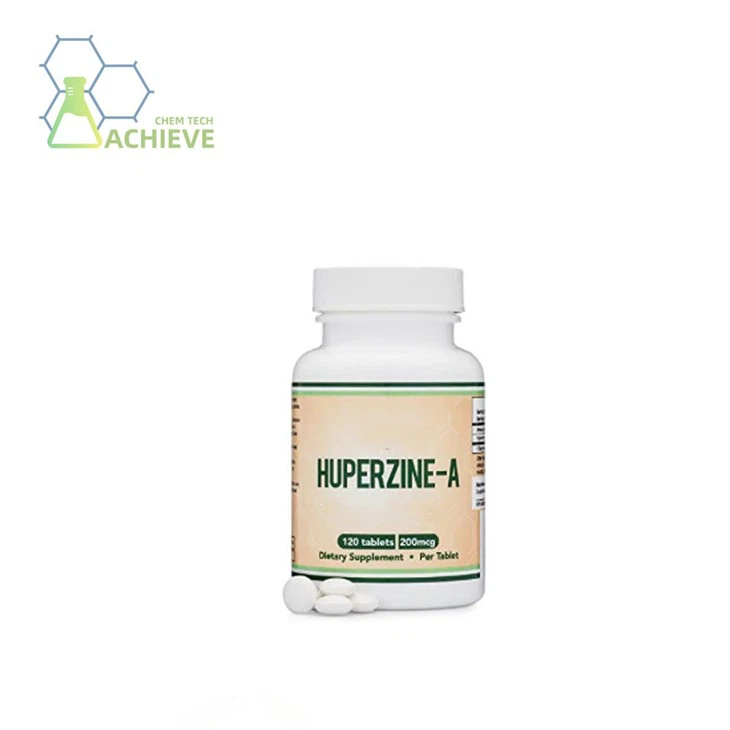

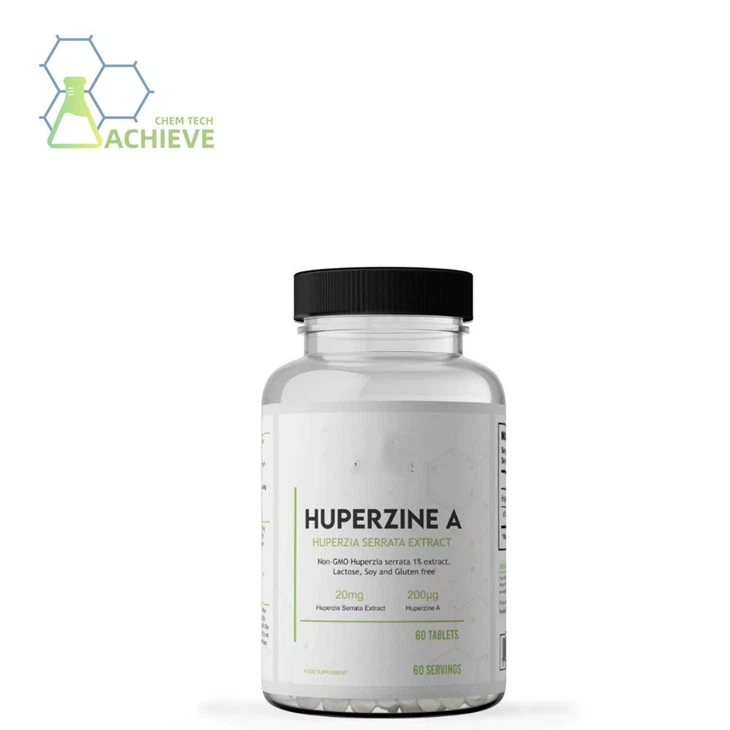
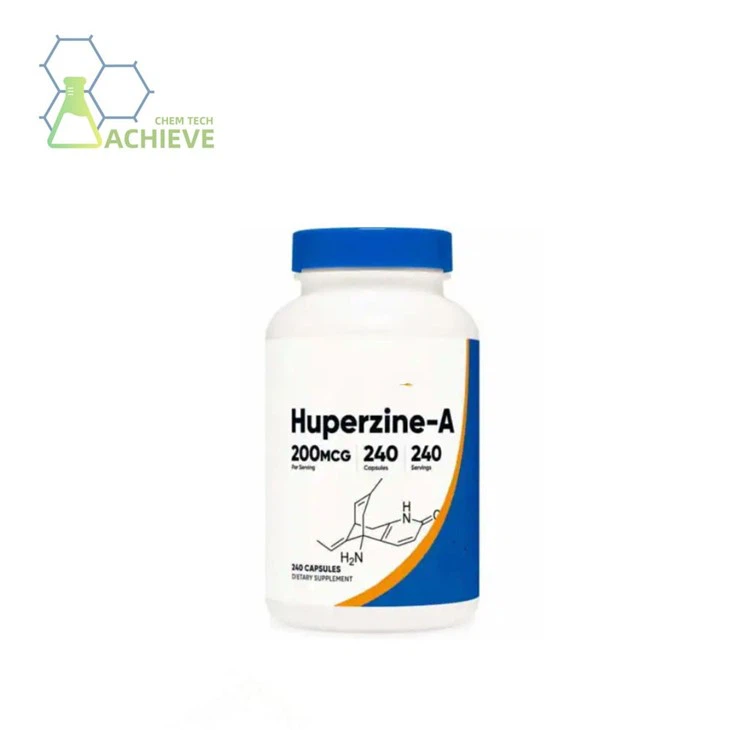


Shaanxi BLOOM Tech Co., Ltd. is one of the most experienced manufacturers and suppliers of huperzine a tablet in China. Welcome to wholesale bulk high quality huperzine a tablet for sale here from our factory. Good service and reasonable price are available.
Huperzine A tablet is an oral medication, which belongs to cholinesterase inhibitors and is mainly used to improve memory impairment and related neurological symptoms. The appearance is a white crystalline powder that is easily soluble in chloroform, methanol, ethanol, and slightly soluble in water. It has high lipid solubility and can easily pass through the blood-brain barrier.It selectively inhibits the activity of acetylcholinesterase (AChE), reduces the breakdown of acetylcholine (ACh), and thus increases the concentration of ACh in the synaptic cleft. ACh is a key neurotransmitter involved in cognitive functions such as learning and memory.
This enhances neuronal excitation conduction and strengthens the function of memory related brain regions such as the frontal lobe, temporal lobe, and hippocampus by prolonging the action time of ACh. It has both central and peripheral therapeutic effects, and its inhibitory strength on true acetylcholinesterase (ChE) is thousands of times stronger than that of pseudo acetylcholinesterase.


Our products form


Huperzine A COA


A Tablet's braking mechanism of microglia in neuroinflammation
Neuroinflammation is a key pathological process in the occurrence and development of various neurological diseases, involving the activation of immune cells such as microglia and the release of inflammatory mediators. As resident immune cells in the central nervous system, microglia play a dual role in neuroinflammation: on the one hand, moderate activation helps to clear pathogens and damaged tissues; On the other hand, excessive activation can lead to neuronal damage and disease progression. Huperzine A tablet, as a acetylcholinesterase inhibitor, may exert a "braking" effect on neuroinflammation by regulating the function of microglia while improving cognitive function. Here is its detailed description:
The role of microglia in neuroinflammation
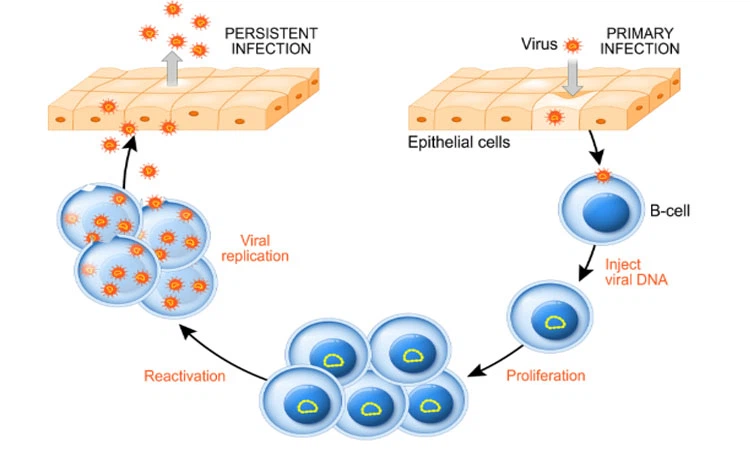
Microglia are immune cells in the central nervous system that are normally in a resting state and monitor neuronal activity. When perceiving damage or pathogen associated molecular patterns (PAMPs) and damage associated molecular patterns (DAMPs), microglia are rapidly activated, transitioning from a resting state to an activated state.
Activation and function of microglia
Activated microglia can release various inflammatory mediators, such as cytokines (such as tumor necrosis factor - α (TNF - α), interleukin-1 β (IL-1 β), interleukin-6 (IL-6)), chemokines, and reactive oxygen species (ROS). These inflammatory mediators play a crucial role in the occurrence and development of neuroinflammation, promoting further activation and recruitment of inflammatory cells, enhancing immune responses, but may also lead to neuronal damage.
The role of microglia in neurodegenerative diseases
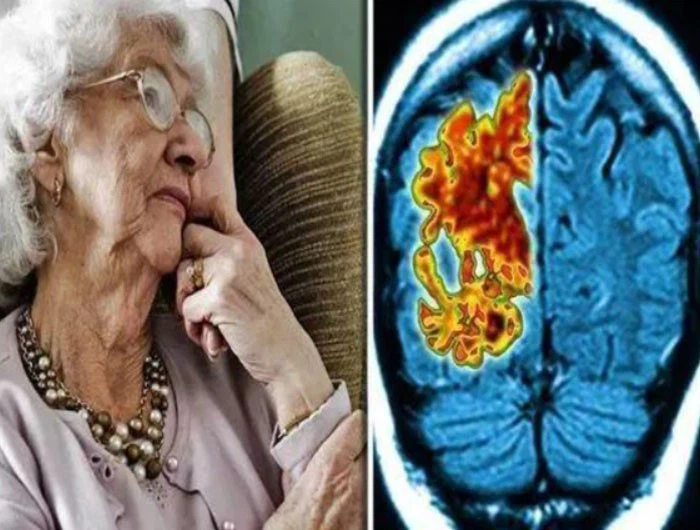
Activation of microglia is an important pathological feature in neurodegenerative diseases such as Alzheimer's disease (AD) and Parkinson's disease (PD). In AD, microglia can engulf beta amyloid (A β) and tau proteins, limiting their pathological spread. However, under pathological conditions, microglia may also accelerate the spread of A β and tau, leading to neurodegenerative changes. In PD, the activation of microglia begins in the early stages and persists throughout the course of the disease. When α - synuclein accumulates outside the cell, it can activate microglia through pattern recognition receptors (PRRs), triggering pro-inflammatory responses and leading to neuroinflammation and neuronal damage.
Pharmacological effects and mechanisms

Cholinesterase inhibition
The main component of huperzine A tablet, which is a potent acetylcholinesterase inhibitor. Cholines are enzymes that break down acetylcholine (ACh), which is an important neurotransmitter involved in regulating learning and memory function in the brain. This increases the concentration of ACh in synaptic cleft by inhibiting the activity of acetylcholinesterase, reducing the breakdown of ACh. This helps to enhance the excitation conduction between neurons and improve cognitive function.
Multiple protective effects on nerve cells
In addition to its acetylcholinesterase inhibitory effect,this also has multiple neuroprotective effects on nerve cells. It can increase dopamine levels in the brain, counteract oxidative stress, cell apoptosis, mitochondrial dysfunction, and inflammatory responses induced by β - amyloid protein, hydrogen peroxide, ischemia and hypoxia. Recent studies have shown that it can effectively reduce the aggregation of β - amyloid proteins in neurons and mitochondria, confirming its existence as a target organelle independent of acetylcholinesterase - mitochondria.

The braking mechanism of Huperzine A on microglia

Inhibit the release of inflammatory mediators
Activated microglia release various inflammatory mediators, such as TNF - α, IL-1 β, and IL-6, which exacerbate neuroinflammatory responses and lead to neuronal damage. It may exert anti-inflammatory effects by inhibiting the release of inflammatory mediators from microglia. The antioxidant and anti apoptotic effects of this may help alleviate the inflammatory response of microglia. Oxidative stress and cell apoptosis are important pathological processes in neuroinflammation, and it can reduce the release of inflammatory mediators from microglia by clearing free radicals, inhibiting apoptosis related signaling pathways.
Regulating the activation status of microglia
Overactivation of microglia is an important cause of neuronal damage during neuroinflammation. This may exert a "braking" effect by regulating the activation status of microglia. The neuroprotective effect of it may indirectly affect the function of microglia. For example, by reducing neuronal damage and death, lowering the damage associated molecular pattern (DAMP) released by neurons, the activation signal of microglia can be reduced. In addition, it may directly act on microglia, regulating their surface receptor expression or signaling pathways, and inhibiting their overactivation.


Promote the phagocytic function of microglia
In neuroinflammation, the phagocytic function of microglia is crucial for clearing pathogens and damaging tissues. However, overactivated microglia may lose their phagocytic function or their phagocytic function may be inhibited. This may exert a "braking" effect on neuroinflammation by promoting the phagocytic function of microglia. The effect of it on the phenotype of microglia may help enhance their phagocytic function. For example, it may promote the phenotypic transformation of microglia into disease-related microglia (DAM), which have stronger phagocytic function.
Regulating the interaction between microglia and neurons
There is a close interaction between microglia and neurons, which plays an important role in neuroinflammation. This may exert a "braking" effect on neuroinflammation by regulating the interaction between microglia and neurons. The improvement of neuronal function by it may help regulate the activity of microglia. For example, by enhancing the excitation conduction and cognitive function of neurons, reducing neuronal damage and death, and thus lowering the activation level of microglia. In addition, this may maintain the resting state of microglia and reduce their overactivation by regulating signaling pathways between microglia and neurons.

Experimental research and clinical evidence

Animal study
Animal experiments provide preliminary evidence for the braking mechanism of it on microglia. In AD model mice, after treatment with this, the activation level of microglia in the mouse brain decreased, the release of inflammatory mediators decreased, and cognitive function improved. Research has shown that it may exert neuroprotective effects by regulating the function of microglia and reducing neuroinflammatory responses in the brains of AD mice. In PD model mice, paclitaxel also showed similar anti-inflammatory and neuroprotective effects, reducing the activation of microglia and the release of inflammatory mediators, and improving the motor function of mice.
Clinical research evidence
Clinical studies have further confirmed the improving effect of this on neuroinflammation. In the clinical treatment of AD patients, this can significantly improve their cognitive function while reducing the levels of inflammatory mediators in their cerebrospinal fluid. This suggests that it may alleviate neuroinflammatory responses in AD patients by regulating the function of microglia. In addition, in clinical studies of some other neurological diseases, such as vascular dementia and cognitive impairment after stroke, paclitaxel has also shown an improvement effect on neuroinflammation, enhancing patients' cognitive function and quality of life.


In depth study of mechanisms
Although current research has preliminarily revealed the "braking" mechanism of this on microglia, there are still many questions that need further investigation. For example, through which signaling pathways does it regulate the activation status and function of microglia? What is the regulatory mechanism of this on the interaction between microglia and neurons? In depth research on these issues will help to better understand the pharmacological effects of it and provide a more scientific basis for its clinical application.
Optimization of clinical applications
In clinical applications, the efficacy and safety of it still need further optimization. At present, the dosage and duration of treatment for this have not been completely standardized, and there are significant differences in efficacy among different patients. Future research needs to further explore the optimal therapeutic dose and duration of it, as well as how to personalize treatment based on individual differences in patients. In addition, the combination use of this with other drugs is also a worthwhile research direction, as it may improve treatment efficacy and reduce adverse reactions through combination therapy.


Exploration of new indications
In addition to the currently approved indications, the potential applications of huperzine A tablet in other neurological disorders are also worth exploring. For example, in neuroinflammatory diseases such as multiple sclerosis and Huntington's disease, it may exert therapeutic effects by regulating the function of microglia. Future research needs to conduct more clinical trials to evaluate the efficacy and safety of it in these diseases, providing a basis for the development of its new indications.
In summary, as a cholinesterase inhibitor with it as its main component, exhibits excellent physicochemical properties and pharmacological advantages. Its high lipid solubility allows it to effectively cross the blood‑brain barrier and exert targeted effects on the central nervous system. By improving memory impairment and relieving related neurological symptoms, it provides important support for patients with cognitive dysfunction. With clear mechanisms and favorable pharmacokinetic characteristics, this has become a valuable clinical option for the adjuvant treatment of memory disorders.


The active pharmaceutical ingredient in the product exhibits certain sensitivity to light and high temperature. Huperzine A itself is relatively stable in the solid state; however, prolonged exposure to intense light tends to induce slight oxidative degradation.
High-temperature and high-humidity environments accelerate moisture absorption by tablet excipients and facilitate the formation of related impurities.
When stored under conventional sealed, light-shielded conditions at room temperature (below 25 °C), the assay and related substances of the tablets can meet specifications within the shelf life.
Humidity serves as a critical influencing factor. Moisture absorption may lead to tablet splitting and discoloration, accompanied by elevated levels of degradation impurities.
Therefore, the preparation should be packed with moisture-proof packaging and kept away from humid and direct sunlight conditions. Accelerated stability studies indicate that long-term storage at 40 °C and 75% RH results in gradual reduction of active ingredient content and continuous accumulation of impurities; prolonged storage at high temperatures is not recommended.
FAQ
How quickly does huperzine work?
+
-
Previous work has identified that orally ingested huperzine A appears in the blood within 15-minutes and reaches peak levels by 60-minutes (22).
How to get huperzine A naturally?
+
-
Huperzine A is a chemical that is naturally found in a type of moss known as Chinese clubmoss (Huperzia serrata).
Hot Tags: huperzine a tablet, suppliers, manufacturers, factory, wholesale, buy, price, bulk, for sale