




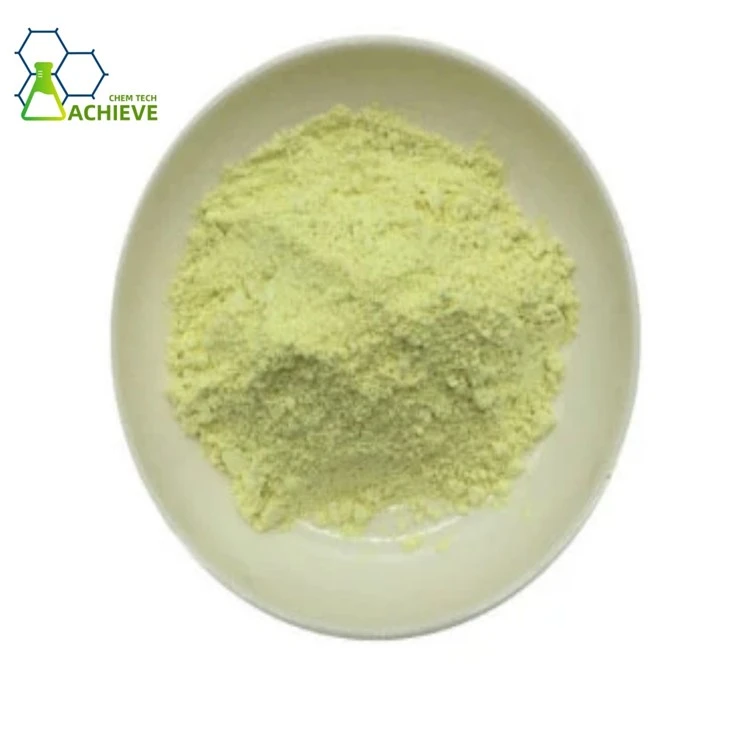


Doxycycline powder is a core solid formulation of broad-spectrum semi-synthetic tetracycline antibiotics, predominantly supplied as doxycycline hydrochloride powder. Featuring excellent water solubility, superior stability and high bioavailability, it serves as a common antibacterial raw material for clinical therapy, livestock breeding and biomedicine. This powder appears pale yellow to yellow crystalline powder, odourless with a bitter taste. It dissolves readily in water and methanol, and is sparingly soluble in ethanol. Chemically, it is more stable than natural tetracyclines, less susceptible to acid-base environments, and boasts enhanced photostability and thermostability, effectively overcoming the drawbacks of conventional tetracyclines such as easy degradation and rapid loss of efficacy.
As a bacteriostatic antibiotic, its antibacterial spectrum covers Gram-positive bacteria, Gram-negative bacteria, rickettsiae, mycoplasmas, chlamydiae, spirochetes and various other pathogenic microorganisms; it exerts bactericidal activity at high concentrations.

| Product Name | Doxycycline Powder | Doxycycline Tablets | Doxycycline Injection | Doxycycline Capsules | Doxycycline Paste | Doxycycline Drops | |
| Product Type | Powder | Tablet | Injection | Capsules | Paste | Drops | |
| Product Purity | >98% | >98% | >98% | >98% | >98% | >98% | |
| Product Specifications | 10g;100g;1kg | Customizable | Customizable | Customizable | Customizable | Customizable | |
| Product Form | Organic synthesis | Customizable | Customizable | Customizable | Customizable | Customizable | |
Our Products Form



Doxycycline COA
|
|
||
| Certificate of Analysis | ||
| Compound name | Doxycycline | |
| CAS No. | 564-25-0 | |
| Quantity | Customized | |
| Packaging standard | Customized | |
| Manufacturer | Shaanxi BLOOM TECH Co., Ltd | |
| Lot No. | 202601090056 | |
| MFG | Jan 9th 2026 | |
| EXP | Jan 8th 2029 | |
| Structure |
|
|
| Item | Enterprise standard | Analysis result |
| Appearance | Light yellow to brown | Conformed |
| Water content | ≤5.0% | 0.12% |
| Loss on drying | ≤1.0% | 0.23% |
| Heavy Metals | Pb≤0.5ppm | N.D. |
| As≤0.5ppm | N.D. | |
| Hg≤0.5ppm | N.D. | |
| Cd≤0.5ppm | N.D. | |
| Purity (HPLC) | >98% | 99.26% |
| Single impurity | <0.8% | 0.16% |
| Total microbial count | ≤750cfu/g | 30 |
| E. Coli | ≤2MPN/g | N.D. |
| Salmonella | N.D. | N.D. |
| Ethanol (by GC) | ≤5000ppm | 100ppm |
| Storage | Store in a sealed, dark, and dry place below -20°C | |
|
|
||
|
|
||
| Shaanxi Chuzhan is a technology enterprise specializing in the research and development, production of chemicals and equipment customization services, providing OEM/ODM full-chain solutions. We offer flexible full-process customized services, from formula research and development to equipment selection, all can be deeply adapted according to customer requirements. Support full-cycle technical collaboration from small-scale trials, medium-scale trials to large-scale production, equipped with a professional engineering team to provide process optimization suggestions, and can customize packaging labels according to the brand requirements of customers. | ||


| Chemical Formula | C22H24N2O8 |
| Exact Mass | 444.15 |
| Molecular Weight | 444.44 |
| m/z | 444.15 (100.0%), 445.16 (23.8%), 446.16 (2.7%), 446.16 (1.6%) |
| Elemental Analysis | C, 59.46; H, 5.44; N, 6.30; O, 28.80 |

Antibacterial Activity and Spectrum

Doxycycline powder has an extremely extensive antibacterial spectrum encompassing bacteria, mycoplasmas, chlamydiae, rickettsiae, spirochetes and certain protozoa, ranking among the first-line agents for clinical treatment of intracellular pathogenic infections. Among Gram-positive bacteria, it delivers robust inhibitory activity against staphylococci, streptococci, pneumococci, Clostridium tetani, actinomycetes and more, and effectively manages Gram-positive bacterial infections of the skin, respiratory tract and soft tissues. Against Gram-negative bacteria, it demonstrates high susceptibility against Escherichia coli, Salmonella, Shigella, Brucella, Vibrio cholerae, Neisseria gonorrhoeae, enabling precise intervention against digestive, genitourinary and systemic Gram-negative bacterial infections.
Beyond common pathogenic bacteria, the drug exhibits exclusive antibacterial efficacy against a variety of special pathogens. This core application advantage explains its irreplaceable status as a broad-spectrum antibacterial agent in clinical practice and breeding industries. For rickettsial infections, doxycycline is the only first-line drug clinically suitable for most rickettsioses. It powerfully inhibits the proliferation of pathogens responsible for epidemic typhus, endemic typhus, scrub typhus, Q fever, spotted fever and other disorders, rapidly alleviating typical symptoms including high fever, rash and general aching, with cure rates far exceeding those of other broad-spectrum antibiotics.


In the treatment of atypical pathogenic infections, mycoplasmas and chlamydiae have no cell walls, rendering cell wall-targeted antibiotics such as penicillins and cephalosporins completely ineffective. Doxycycline precisely interferes with pathogen metabolism via inhibiting protein synthesis, making it the preferred therapeutic agent for mycoplasma pneumonia, ocular infections caused by Chlamydia trachomatis, genitourinary chlamydial infections and psittacosis pneumonia. It is especially applicable to refractory atypical respiratory tract infections. Meanwhile, it shows prominent inhibitory activity against Borrelia recurrentis, Treponema pallidum and Leptospira, capable of managing systemic infections induced by spirochetes.
Moreover, it is highly active against zoonotic pathogens including Yersinia pestis, Francisella tularensis and Brucella, serving as a core agent for public health prevention and control of severe zoonoses. In terms of protozoal infections, it exerts moderate suppression on Entamoeba histolytica and Toxoplasma gondii, and can act as a foundational agent in combination regimens for protozoal diseases.


It should be noted that with widespread antibiotic application, opportunistic pathogens have developed mild resistant variants. A minority of Acinetobacter baumannii, Pseudomonas aeruginosa and methicillin-resistant staphylococcal strains show reduced susceptibility to single-agent doxycycline. Accordingly, combination therapy is frequently adopted clinically for severe and mixed infections. Treatment regimens are formulated based on antimicrobial susceptibility testing to guarantee antibacterial efficacy and avoid insufficient therapeutic response.
Applications in Clinical Medicine
In human clinical medicine, doxycycline powder functions as a fundamental antibacterial active pharmaceutical ingredient (API). It can be processed into oral powder, dispersible tablets, injections and multiple other formulations, widely applied to treat diverse infectious diseases covering multisystem infections across the human body, and represents an essential drug for clinical anti-infective therapy.
For respiratory tract infections, it is a routine treatment for community-acquired pneumonia, acute exacerbation of chronic bronchitis, tonsillitis, sinusitis and pharyngitis.


It is particularly indicated for atypical pneumonia induced by mycoplasmas, chlamydiae and Legionella. Compared with macrolides, it carries lower resistance rates and more stable efficacy, and can be used rationally by adults and children aged 8 years and above.
In targeted management of specific infectious diseases, it is the first-choice therapy for rickettsioses, brucellosis, cholera and relapsing fever.For plague and tularemia, it can be combined with aminoglycosides to achieve synergistic bactericidal effects and raise cure rates of severe infections.
For sexually transmitted diseases, it treats urethritis, cervicitis and pelvic inflammatory disease triggered by Chlamydia trachomatis and Ureaplasma urealyticum. It also serves as an alternative therapy for syphilis, gonorrhoea and leptospirosis in patients allergic to penicillin, with verified safety and efficacy in clinical practice. In addition, it assists in the management of moderate to severe acne and periodontitis. By restraining proliferation of skin and periodontal pathogens, it mitigates inflammatory reactions and relieves lesions of the skin and periodontal tissues.


For special infection scenarios, doxinyl powder stands out as a core alternative drug for specific disorders and patient populations by virtue of high stability, strong penetrability and broad antibacterial spectrum, possessing unique and irreplaceable clinical value. In biodefence and severe infectious disease prevention and control, it is a primary prophylactic and therapeutic agent for inhalational anthrax. Anthrax spores exhibit extreme tolerance to conventional antibiotics, yet doxycycline can penetrate spore coats and vegetative cell membranes, inhibit protein synthesis of Bacillus anthracis and block toxin production, effectively lowering mortality from anthrax infection. It is therefore a key antibacterial API reserved for global public health emergencies.
For intestinal infections, doxycycline can be combined with anti-protozoal agents such as metronidazole for recurrent amoebic colitis caused by drug-resistant amoebae. The dual antibacterial and anti-protozoal effects eliminate intestinal pathogens, resolve chronic intestinal inflammation and alleviate intractable symptoms including persistent diarrhoea and abdominal pain. For patients with penicillin hypersensitivity, doxycycline fills the therapeutic void of penicillin preparations.


It can be safely administered for tetanus and gas gangrene caused by Clostridium tetani and Clostridium perfringens, and effectively treats cervicofacial, thoracic and abdominal actinomycosis induced by actinomycetes, addressing the clinical dilemma of limited therapeutic options for allergic patients.
Furthermore, the drug delivers prominent adjuvant therapeutic value in dermatology and stomatology. For chronic inflammation triggered by Cutibacterium acnes and periodontal pathogens, it achieves sustained mild bacteriostasis to gradually eliminate local inflammatory lesions. Unlike hormonal agents, it does not induce dependence and ensures superior safety, suitable for long-term regulation and treatment of moderate and severe chronic inflammation. Benefiting from wide applicability, low resistance potential and controllable safety profile, doxinyl powder remains an indispensable foundational API within the clinical anti-infective system.

Applications in Veterinary Medicine and Animal Husbandry

Thanks to favourable water solubility, convenient administration and cost-effectiveness, doxycycline powder is the most extensively used antibacterial powder raw material in livestock, poultry and aquaculture. It is mainly administered via feed mixing or drinking water to prevent and treat bacterial and mycoplasmal infectious diseases in livestock, poultry and aquatic species.
In poultry farming, it effectively treats chronic respiratory disease, infectious coryza, colibacillosis and salmonellosis in chickens, ducks and geese, relieving clinical signs such as coughing, gasping, white diarrhoea and depression.
It reduces mortality among young birds and improves survival rates. Meanwhile, it prevents secondary mycoplasmal infections in poultry and lowers the incidence of mass outbreaks of respiratory diseases.
In livestock breeding, it is applicable to respiratory syndrome, infectious pleuropneumonia, pasteurellosis and brucellosis in pigs, cattle and sheep, effectively alleviating fever, cough, dyspnoea and intestinal diarrhoea in livestock. It achieves remarkable therapeutic outcomes against piglet yellow and white scour and bacterial enteritis in cattle and sheep.


In addition, it can be used for postoperative anti-infection and stress-induced infection prophylaxis in livestock, reducing the incidence of secondary infections during breeding.
Within aquaculture, it prevents and treats bacterial gill rot, red skin disease and enteritis in fish, shrimp and crabs, inhibits pathogenic bacteria such as vibrios and aeromonads in aquaculture environments, improves living conditions of aquatic animals and reduces the outbreak risk of aquatic diseases.
Compared with commonly used antibacterial agents including β-lactams and macrolides, doxinyl powder boasts multiple distinctive advantages for livestock and aquaculture, satisfying medication demands of large-scale intensive breeding with high comprehensive application value.First, it features excellent water solubility and can dissolve completely in drinking water systems, matching the free drinking administration mode of livestock and poultry. Cumbersome feed mixing is unnecessary, drastically cutting labour costs for farm medication. Synchronized group administration avoids uneven individual dosing, suitable for mass prevention and treatment of epizootics.Second, it is rapidly absorbed in vivo and exerts quick onset.


Effective blood drug concentrations are attained within 1–2 hours after administration to livestock, poultry and aquatic organisms, enabling rapid containment of disease spread and reducing mortality resulting from acute infections.Third, it possesses powerful tissue penetration capacity, capable of reaching deep into respiratory mucosa, pulmonary tissues and intestinal mucosa of livestock and poultry, as well as muscle and gill tissues of aquatic animals. It precisely targets lesion sites to thoroughly eradicate deeply latent pathogenic bacteria and mycoplasmas, preventing infection recurrence and overcoming the limitation that ordinary antibiotics merely relieve symptoms without addressing root causes.
Fourth, it follows a mild metabolic profile, undergoing thorough metabolism in animals with a short residual period. Standardized implementation of withdrawal periods eliminates risks of excessive drug residues, fully complying with food safety and green farming criteria and meeting requirements for large-scale marketing of livestock and poultry products.


Additionally, its broad antibacterial spectrum simultaneously covers bacteria, mycoplasmas, chlamydiae and other common breeding pathogens. A single agent can resolve mixed respiratory, digestive and systemic infections without frequent drug rotation, effectively reducing the variety of farm medicines and lowering breeding costs and risks of drug stress. Owing to the above strengths, doxinyl powder has become an essential standby medicine for preventing and treating mixed infections and seasonal diseases in livestock, poultry and aquaculture, occupying an irreplaceable position within the modern green animal husbandry industry.

Emerging Research and Future Directions
Oncology
1) MMP Inhibition: Doxycycline's anti-metastatic effects are being tested in breast cancer and glioblastoma trials.
2) Senolytic Therapy: Early studies suggest it may clear senescent cells, delaying aging-related diseases.
Neurodegenerative Diseases
Alzheimer's Disease: Doxycycline reduced amyloid-beta plaques by 60% in mouse models, prompting Phase II human trials.

Antiviral Applications
1) Dengue Virus: In vitro studies show doxycycline inhibits viral replication by blocking host cell proteases.
2) SARS-CoV-2: A 2020 study reported reduced viral load in COVID-19 patients, though larger trials are needed.
FAQ
What infections will doxycycline clear up?
+
-
Doxycycline is mainly used to treat bacterial infections, including some:
urinary tract infections (UTIs)
sexually transmitted infections (STIs)
chest infections.
gum infections.
Which two diseases can doxycycline prevent?
+
-
Doxycycline (or "doxy" for short) is a common antibiotic. Recent research shows that taking doxycycline within 3 days (or 72 hours) after sex can help some people reduce the chances of getting syphilis, chlamydia, and, in some studies, gonorrhea. This prevention strategy is called doxy PEP.
Is doxycycline a high risk drug?
+
-
The Warnings and Precautions sections of package inserts for doxycycline alert users to a number of risks: permanent tooth discoloration and enamel hypoplasia during tooth development in a child if taken in the last half of the mother's pregnancy.
Hot Tags: doxycycline powder, suppliers, manufacturers, factory, wholesale, buy, price, bulk, for sale, cholesterol powder, Cryptotanshinone, procaine powder, Methylprednisolone Hemisuccinate CAS 2921 57 5, Norepinephrine Tartrate, L Sulforaphane CAS 142825 10 3