




Shaanxi BLOOM Tech Co., Ltd. is one of the most experienced manufacturers and suppliers of protopine cas 130-86-9 in China. Welcome to wholesale bulk high quality protopine cas 130-86-9 for sale here from our factory. Good service and reasonable price are available.
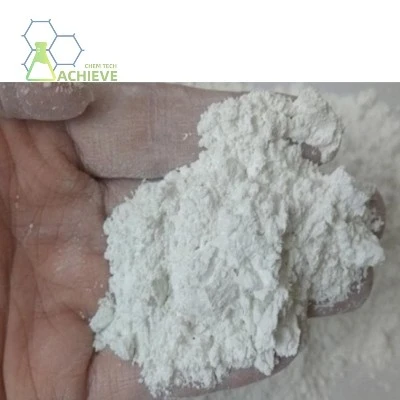
Protopine(Corydinine) is an isoquinoline alkaloid that is widely distributed in various plants such as the Papaveraceae, Berberaceae, and Menispermaceae families. It is one of the key components of the traditional Chinese medicine Atrophine, which has analgesic and sedative effects. Its molecular structure is unique, possessing both the characteristics of phenylmethylisoquinoline and protocatechuic acid. This heterocyclic framework enables it to interact with various neurotransmitter receptors and ion channels.
|
|
|

|
Chemical Formula |
C20H19NO5 |
|
Exact Mass |
353.13 |
|
Molecular Weight |
353.37 |
|
m/z |
353.13 (100.0%), 354.13 (21.6%), 355.13 (2.2%), 355.13 (1.0%) |
|
Elemental Analysis |
C, 67.98; H, 5.42; N, 3.96; O, 22.64 |
Modern pharmacological studies have shown that corydinine has multi-targeting characteristics: it can regulate the dopamine system, block voltage-gated calcium channels, and slightly inhibit acetylcholinesterase, resulting in significant sedative and anti-anxiety effects; at the same time, it can competitively antagonize μ-type opioid receptors, exerting non-addictive analgesic effects; in the cardiovascular system, this component can inhibit myocardial calcium influx, exhibit anti-arrhythmic activity, and have bidirectional regulation of vascular smooth muscle. Recent research has also found that it can induce tumor cell apoptosis, demonstrating anti-tumor potential. Due to its low oral bioavailability, researchers are developing derivatives of corydinine through structural modification. This natural molecule, with its unique multi-effectiveness and low addiction potential, is becoming an important lead compound for the development of drugs for neurological and psychiatric disorders.

Clinical Medical Applications

1.1 Anti-inflammatory and Anti-infective Therapy
Inflammation is the body's defensive response to infection and injury, and chronic inflammation is closely associated with tumors, cardiovascular diseases and other disorders. Protopine exerts potent anti-inflammatory effects by inhibiting the TLR4/NF-κB/MAPK signaling pathway and reducing the release of inflammatory factors (TNF-α, IL-1β, IL-6) and inflammatory mediators (iNOS, COX-2).
Animal experiments have proven that its inhibitory effect on carrageenan-induced paw edema in mice is three times that of aspirin, with no obvious gastrointestinal side effects.In the anti-infective field, corydinine presents inhibitory activity against Helicobacter pylori, Leishmania, strongyloides and SARS-CoV-2. Against Helicobacter pylori (Class I gastric carcinogen), its MIC₅₀ reaches 100 μg/mL, restraining bacterial growth by destroying the integrity of bacterial cell membranes. Its anti-parasitic mechanism blocks UGM, a key enzyme for cell wall synthesis in Leishmania, to hinder parasite reproduction.


Anti-COVID research indicates it can target and inhibit viral RNA-dependent RNA polymerase to block viral replication, which has been verified by molecular docking. Clinically, corydalis preparations containing corydinine have been applied in the adjuvant treatment of gastritis, gastric ulcers and inflammatory bowel diseases, alleviating mucosal inflammation, abdominal pain and diarrhea.
1.2 Anti-tumor Therapy (Multi-target Tumor Suppression)
As a novel microtubule stabilizer, corydinine induces tubulin polymerization, blocks cell mitosis via G2/M phase arrest and triggers tumor cell apoptosis. It shows inhibitory activity against various solid tumors such as liver cancer, colon cancer, breast cancer and prostate cancer, as well as leukemia.
Liver cancer: 10–40 μM corydinine suppresses the proliferation of HepG2 and Huh-7 cells and induces apoptosis through the ROS/PI3K/Akt pathway. In vivo assays with 5–20 mg/kg dosage inhibit the growth of xenograft tumors in nude mice without significant hepatorenal toxicity.
Colon cancer: It stabilizes p53 protein and upregulates downstream apoptotic genes to induce apoptosis and autophagy in HCT116 cells, thereby restraining tumor invasion and metastasis.


Prostate cancer: It exhibits strong anti-proliferative activity against hormone-refractory prostate cancer (HRPC) cells and triggers mitochondria-mediated apoptosis by regulating the Cdk1/cyclin B1 complex and Bcl-2 family proteins.
Possessing extremely low toxicity to normal cells (e.g., HUVEC) and a high therapeutic index, corydinine is suitable for combined chemotherapy with cisplatin, paclitaxel and other drugs to reduce drug resistance.
1.3 Analgesia and Addiction Intervention
Traditional opioid analgesics such as morphine and fentanyl deliver powerful analgesic effects but carry high risks of addiction and respiratory depression. Corydinine achieves analgesia through three mechanisms: activating opioid receptors, inhibiting Nav1.7 (a key pain target) voltage-gated sodium channels and blocking calcium influx, with significant analgesic effects and no addiction risk. In animal tests, intracerebroventricular injection at 20–200 μg per mouse produces potent analgesia, which can be partially reversed by naloxone, confirming its correlation with the opioid receptor pathway.


Clinically, compound preparations containing corydinine are used for adjuvant treatment of postoperative pain, cancer pain and chronic neuralgia, cutting down opioid dosage and addiction risks.For addiction caused by opioid abuse, protopine alleviates morphine withdrawal symptoms including anxiety, tremors and physical pain in a dose-dependent manner via the anticholinergic pathway. In vitro experiments demonstrate that 5–50 μM corydinine markedly inhibits the activation of addiction-related signaling pathways induced by morphine, providing a new strategy for clinical drug rehabilitation.
1.4 Prevention and Treatment of Cardiovascular Diseases
Thrombosis is the core pathological cause of myocardial infarction and cerebral infarction. Protopine inhibits platelet aggregation and prevents thrombosis by elevating platelet cAMP levels, suppressing thromboxane synthase activity and reducing arachidonic acid release. In vitro tests, 0.25–1.0 mM corydinine significantly inhibits ADP and collagen-induced platelet aggregation with efficacy comparable to aspirin, without increasing bleeding risks.As a calcium channel antagonist, corydinine inhibits calcium influx in vascular smooth muscle cells, dilates the aorta, mesenteric artery and portal vein, reduces peripheral vascular resistance and exerts hypotensive effects.


It prominently restrains norepinephrine-induced vasoconstriction without affecting cAMP/cGMP levels, making it applicable for adjuvant treatment of hypertensive patients complicated with vasospasm.
1.5 Treatment of Neurological Diseases
Alzheimer's disease (AD) is closely linked to insufficient acetylcholine in the brain. Corydinine acts as a specific, reversible and competitive acetylcholinesterase (AChE) inhibitor. It increases cerebral acetylcholine concentration by inhibiting AChE activity, improving learning and memory functions.
Animal experiments show that intraperitoneal injection at 0.1–1 mg/kg notably ameliorates scopolamine-induced memory impairment in mice, with no cholinergic side effects such as nausea and vomiting.Corydinine enhances the binding of GABA to cerebral synaptic membrane receptors, promotes chloride influx and inhibits neuronal excitability to exert anti-epileptic effects. In the pentylenetetrazol-induced epilepsy model, dosages of 0.005–0.05 mg/kg prolong the convulsion incubation period, shorten seizure duration and reduce seizure severity. Meanwhile, its anti-oxidant and anti-apoptotic properties alleviate cerebral ischemia-reperfusion injury and improve neurological deficits, offering a novel target for nerve repair after stroke.


1.6 Hepatic and Renal Protection
Against liver injury induced by drugs (acetaminophen) and toxicants (carbon tetrachloride), corydinine protects hepatocytes by inhibiting microsomal drug-metabolizing enzymes, reducing oxidative stress and suppressing hepatocellular apoptosis, thereby lowering serum transaminase (AST, ALT) levels. A dosage of 11 mg/kg significantly alleviates pathological liver damage with no obvious hepatotoxicity.
In the LPS-induced acute kidney injury (AKI) model, corydinine inhibits the TLR4 pathway, reduces inflammatory cell infiltration and blocks renal tubular epithelial cell apoptosis. It decreases blood urea nitrogen (BUN) and serum creatinine (Scr) levels to restore renal function.

Agricultural and Plant Protection Applications

3.1 Botanical Pesticides (Insecticidal and Bacteriostatic)
As an active ingredient of natural botanical pesticides, corydinine exhibits contact toxicity, stomach toxicity and antifeedant effects against agricultural pests such as aphids, spider mites and cabbage caterpillars. It kills pests by inhibiting pest acetylcholinesterase activity and interfering with nerve conduction. Additionally, it inhibits plant pathogenic fungi including powdery mildew, downy mildew and anthracnose, destroying fungal cell membrane integrity to suppress spore germination and mycelial growth.
Botanical pesticides feature low toxicity, low residue, environmental friendliness and low drug resistance risk, complying with the development needs of green agriculture.
3.2 Plant Growth Regulators
Protopine regulates the balance of endogenous plant hormones, promoting seed germination, seedling growth and root development, and improving plant stress resistance (drought resistance, salt tolerance and disease resistance). Low concentrations (10–50 μM) boost the seedling growth and yield of wheat, rice and vegetables, while high concentrations restrain excessive vegetative growth and accelerate flower bud differentiation.

Daily Chemical and Skincare Applications

4.1 Anti-oxidation and Anti-aging Skincare
Corydinine possesses powerful anti-oxidant activity, eliminating free radicals such as superoxide anions and hydroxyl radicals, inhibiting lipid peroxidation and mitigating skin damage caused by oxidative stress to delay skin aging. Its anti-oxidant capacity is superior to vitamin C and vitamin E, with high stability against photothermal decomposition. Adding corydinine to skincare products improves dull skin, fine lines and sagging, and enhances skin elasticity and luster.
4.2 Anti-inflammatory Soothing and Sensitive Skin Care
For skin problems such as sensitive skin, hormone-dependent dermatitis and acne, corydinine inhibits skin inflammatory responses, reduces the release of inflammatory factors and relieves skin redness and itching. Mild and non-irritating, it is suitable for daily sensitive skin care, reducing skin sensitivity and strengthening the skin barrier function.
4.3 Antibacterial and Anti-acne
Corydinine inhibits skin pathogenic bacteria such as Propionibacterium acnes and Staphylococcus aureus, reducing acne formation and alleviating acne redness and pain without inducing drug resistance.



6.1 Prospects
With the rapid development of natural pharmaceutical research, corydinine boasts prominent advantages including multi-target efficacy, low toxicity and abundant sources. Its applications in medicine, agriculture, daily chemicals and scientific research will continue to expand. In the future, through structural modification to optimize drug efficacy, development of novel delivery systems to enhance bioavailability, and large-scale clinical trials for efficacy verification, corydinine is expected to become a new therapeutic drug for inflammation, tumors and neurodegenerative diseases, while playing a significant role in green agriculture and natural skincare.
6.2 Challenges
Current applications of corydinine are restricted by poor water solubility, low bioavailability, insufficient clarification of action mechanisms, high industrial production costs and limited large-scale clinical data. Further interdisciplinary cooperation integrating cutting-edge technologies such as synthetic biology, nanotechnology and structural biology is required to break existing bottlenecks and advance the industrialization of corydinine.


Biosynthesis (In Planta Pathway)
Protopine is enzymatically synthesized via the benzylisoquinoline pathway in Papaveraceae plants such as Corydalis yanhusuo and Chelidonium majus, with (S)-reticuline serving as the initial precursor.
Core synthetic steps:(S)-scoulerine is generated under the catalysis of berberine bridge enzyme;Cheilanthifoline synthase (CYP719A25) catalyzes the formation of (S)-cheilanthifoline;Subsequent cyclization mediated by stylopine synthase (CYP719A20) yields (S)-stylopine;N-methyltransferase facilitates the generation of (S)-cis-N-methylstylopine;Finally, N-methylstylopine hydroxylase mediates oxidative ring-opening to produce protopine.
This pathway features strict stereospecificity and mild reaction conditions, acting as the predominant natural biosynthesis route in plants.
Total Chemical Synthesis (Laboratory / Industrial Route)
The chemical synthesis of protopine is centered on Bischler‑Napieralski cyclization and ring-expansion rearrangement, featuring a mature process and scalable production potential.
Skeleton Construction via Cyclization: Using alkoxy-substituted 1-(2-bromobenzyl)-3-benzazepin-2-one as the starting material, Bischler‑Napieralski cyclization catalyzed by phosphorus oxychloride (POCl₃) affords the key indeno[2,1-a][3]benzazepine intermediate.
Singlet Oxygen Ring Expansion: The intermediate is oxidized by singlet oxygen to undergo ring expansion, forming a ten-membered cyclic keto-lactam.
Carbonyl Reduction to Methylene: The lactam carbonyl group is reduced to methylene with DIBAL‑H or NaBH₄. After deprotection, crude protopine is obtained.
Purification and Quality Control: The crude product is purified by recrystallization (methanol-chloroform system) and high-performance liquid chromatography (HPLC), achieving a purity of over 98% and meeting official API quality specifications.
FAQ
What is protopine used for?
+
-
Protopine (7) is an isoquinoline alkaloid extracted from the tuber of Rhizoma corydalis with diverse biological activities such as anti-arrhythmia, cardiovascular protection and anti-hypertensive .
Hot Tags: protopine cas 130-86-9, suppliers, manufacturers, factory, wholesale, buy, price, bulk, for sale, Zidovudine powder, Benzobarbital CAS 744 80 9, Bicuculline CAS 485 49 4, 3 Dimethylaminophenol, Iodomethane-d3, Loperamide Hydrochloride Powder CAS 34552 83 5