


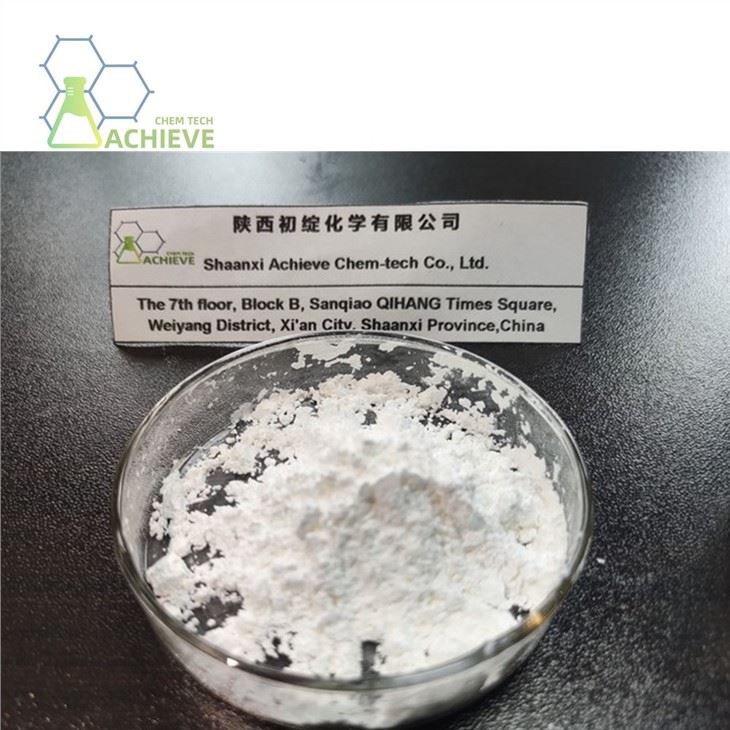


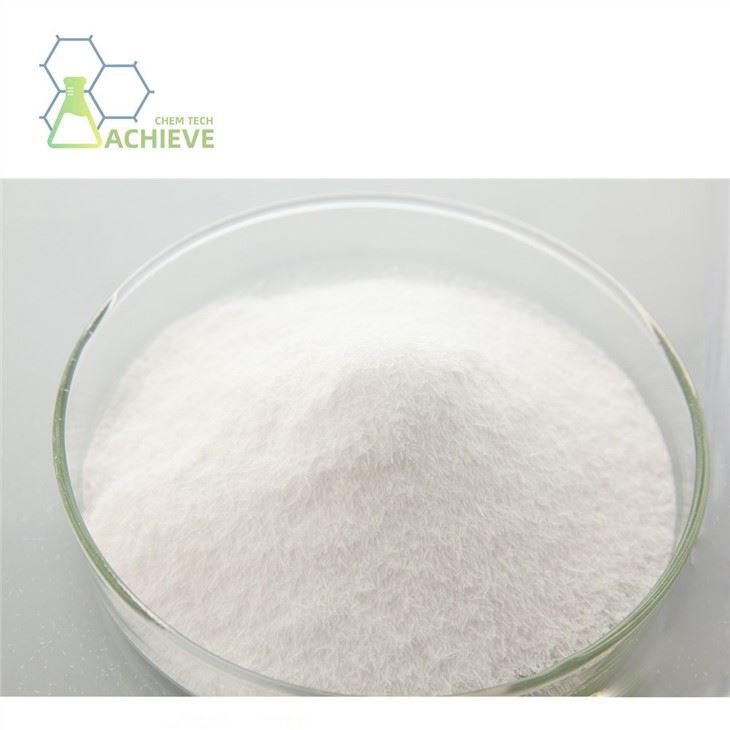
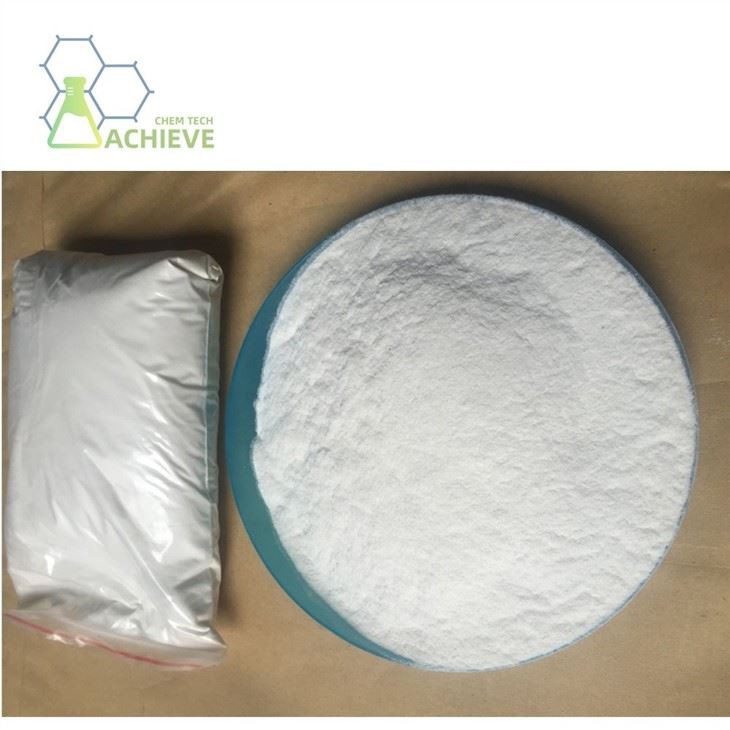
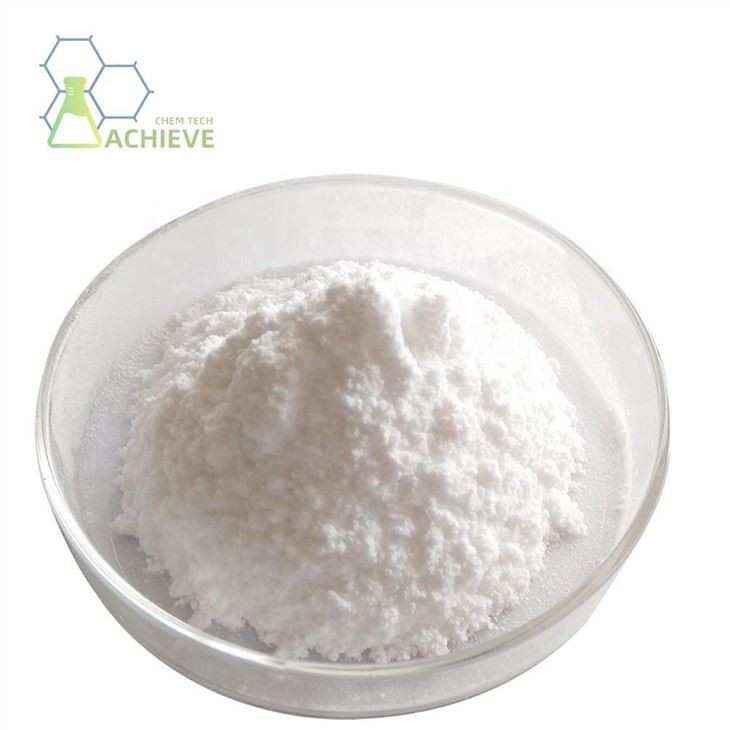
Shaanxi BLOOM Tech Co., Ltd. is one of the most experienced manufacturers and suppliers of tianeptine sodium salt cas 30123-17-2 in China. Welcome to wholesale bulk high quality tianeptine sodium salt cas 30123-17-2 for sale here from our factory. Good service and reasonable price are available.
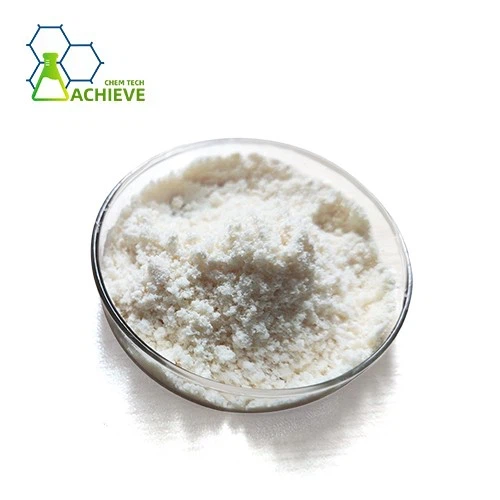
Tianeptine sodium salt, also known as Stablon or Coaxil, usually appears as a white or slightly yellow crystalline powder. It is similar in appearance to other powdery solids, although tiny grains or depressions may appear on the surface.

The solubility in water is low. It is soluble in some organic solvents such as ethanol, ether and chloroform. However, its solubility in silver nitrate, mercury nitrate and cerium chloride is high. Considered a surfactant, it reduces the surface tension of liquids. Reducing surface tension, the cohesive force between the surface layer of a liquid and the molecules inside, makes it easier for the liquid to spread and transfer. is a drug with antidepressant and anxiolytic properties and its chemical name is 7-hydroxy-5,6,7,8-tetrahydronaphtho[1,2-a]pyridin-9-one. This article will focus on the physical properties of Tianeptine.
At the same time, our company not only provides pure powder, but also offers injections and tablets. If needed, please feel free to contact us.
|
|
|


|
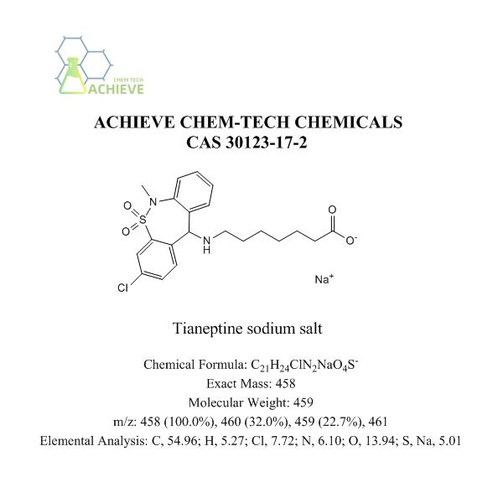
Chemical Formula |
C21H24ClN2NaO4S- |
|
Exact Mass |
458 |
|
Molecular Weight |
459 |
|
m/z |
458 (100.0%), 460 (32.0%), 459 (22.7%), 461 |
|
Elemental Analysis |
C, 54.96; H, 5.27; Cl, 7.72; N, 6.10; O, 13.94; S, Na, 5.01 |
|
|
|
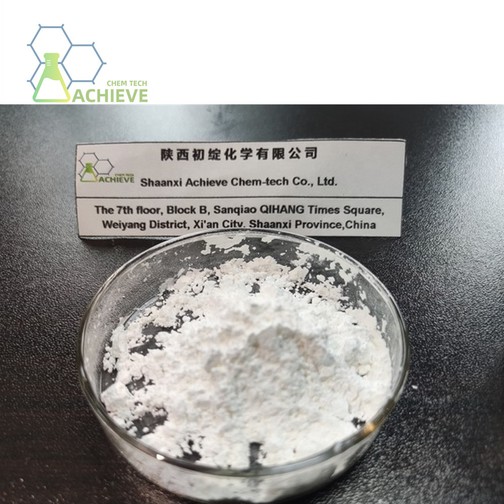
Tianeptine sodium Powder COA
 |
|
|
|
|
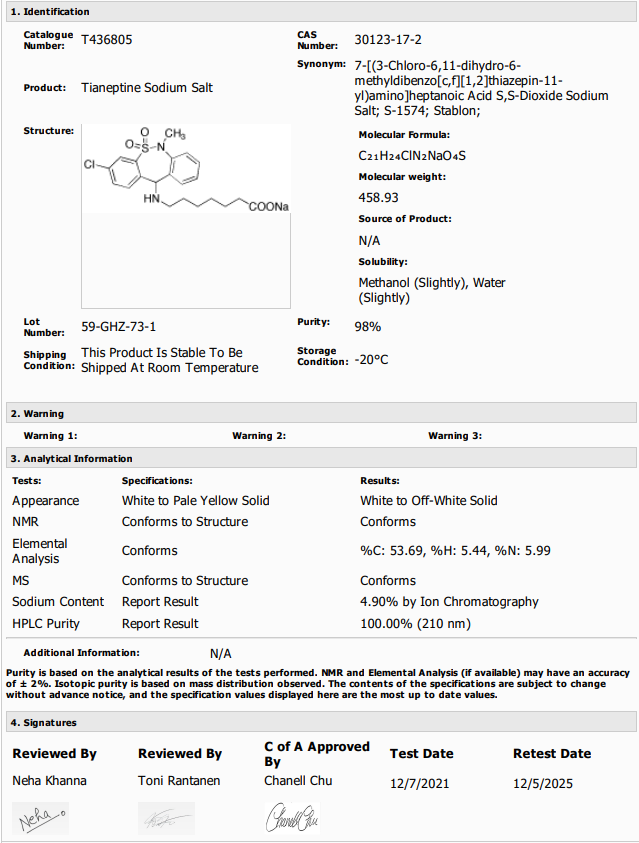
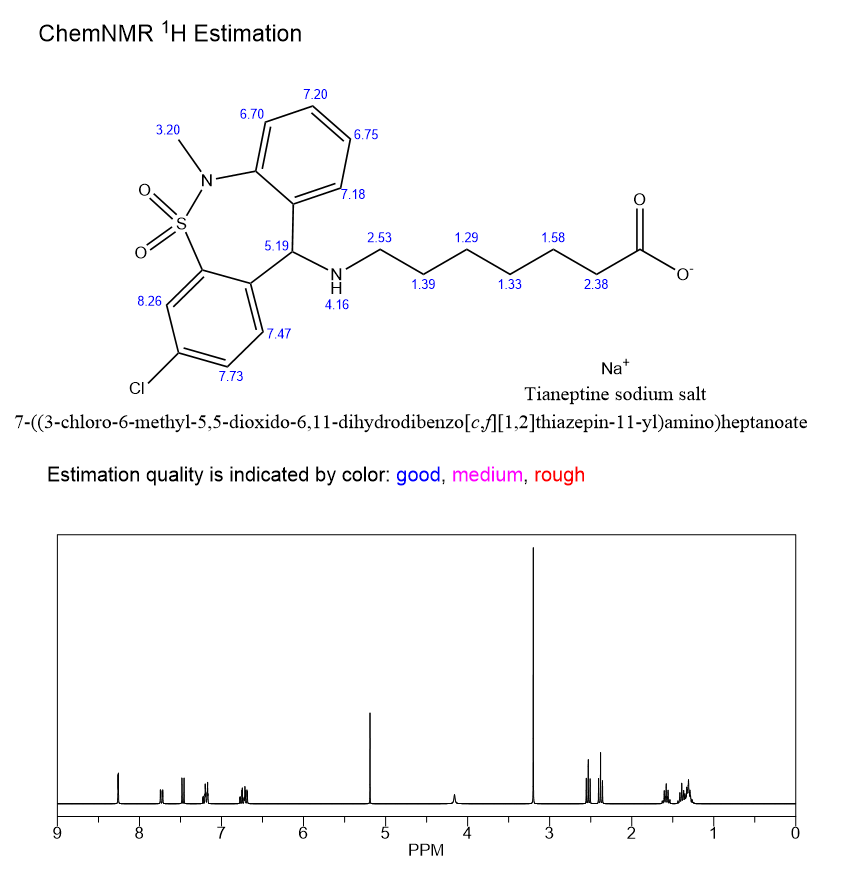

The invention relates to a synthesis process of the drug Tianeptine sodium salt, in particular to a method for synthesizing thieneptine sodium by using 3-chloro-6-methyldibenzo [c, f] [1,2] thiazazol-11 (6H) - keto-5,5 - dioxide as the starting material, forming a Schiff base with amine, reducing, hydrolyzing and finally freeze-drying to salt. The starting material of the method is stable, easy to purchase, and the process is simple. The overall reaction conditions of the synthesis route are mild, the experimental operation is simple, and it is easy to realize industrial production.
In non stressed rats, the treatment of Tianeptine can prevent the increase of the mRNA level of corticotropin releasing factor (CRF) in dBNST induced by CMS, and reduce the mRNA level of corticotropin releasing factor (CRF) in dBNST. In the pressure avoidance control group and CMS exposed rats, Tianeptine treatment significantly reduced the level of CRF mRNA of ventral BNST and CEA. In the basolateral nucleus (BLA) of the amygdala in anesthetized rats, Tianeptine blocked the stress induced enhancement of PB in the CA1 region, but did not affect the stress induced enhancement of LTP. In the amygdala, hippocampus and LTP of anesthetized rats, Tianeptine was enhanced by administration of enhanced PB under non stress conditions. In rats, Tianeptine attenuates peripheral induction rather than central, LPS or IL-1 β Behavioral signs of induced morbid behavior.


In rats, Tianeptine caused the normalized proportion of AMPA/kainate receptor mediated current amplitude ratio from NMDA receptor and prevented the attenuation of stress induced inactivation of NMDA-EPSCS. In both control and stressed animals, in the temporal cortex and dentate gyrus of the rat, Tianeptine significantly reduced cell apoptosis, but had no effect on Amons in the Horn of Africa. In the nucleus accumbens only, Tianeptine (2.5 mg/kg, intraperitoneal injection) increases extracellular dopamine. In the two nucleus accumbens and striatum, Tianeptine significantly increased the extracellular concentrations of hydroxyphenylacetic acid (DOPAC) and homovanillic acid (HVA).
The following is a common laboratory synthesis method for Tianeptine sodium salt:
Preparation of raw materials:
O-Nitrochlorobenzene
O-nitrochlorobenzene is a common organic synthesis raw material that can be obtained through purchase or chemical synthesis methods. The structural formula of o-nitrochlorobenzene is C6H4ClNO2, with a molecular weight of 153.5.
01
Triethylamine
Triethylamine is an organic base with strong hygroscopicity. It can be prepared through the reaction of ethyl acetate and ammonia, or it can be purchased directly. The structural formula of triethylamine is (CH3CH2) 3N, with a molecular weight of 101.1.
02
Sodium acetate
Sodium acetate is an organic salt that is easily soluble in water and can be prepared by reacting acetic acid with sodium hydroxide, or directly purchased. The structural formula of sodium acetate is CH3COONa, with a molecular weight of 134.9.
03
Water
Water is the most common solvent in the laboratory and can be used to dissolve raw materials and products.
04
Synthesis steps:

Mix o-nitrochlorobenzene, triethylamine, and water together, heat to reflux state, and the reaction time is about 30 minutes to 1 hour.
After the reaction is completed, add sodium acetate and water, and then heat until dissolved.
Cool the solution to precipitate crystals. Stir with a glass rod and filter the crystals.
Wash the crystal to remove any residual mother liquor. Then dry the crystal to obtain the crude Tianeptine product.
Add the crude Tianeptine to an appropriate amount of water and heat it to a dissolved state. Add an appropriate amount of sodium hydroxide solution to adjust the pH value to around 7, then add an appropriate amount of activated carbon, heat and boil for a few minutes.
Filter and remove activated carbon particles, cool the solution, and precipitate crystals. Stir with a glass rod and filter the crystals to obtain Tianeptine high-quality products.
Wash and dry the Tianepine boutique to obtain the final product Tianepine sodium salt.

Tenepptin sodium salt is a tricyclic antidepressant. Its antidepressant mechanism is different from that of traditional tricyclic antidepressants. It can increase the reuptake of 5-HT in the synaptic space, which may have the effect of improving the conduction of 5-HT neurons. No affinity for choline or adrenaline receptors. The antidepressant effect is similar to that of tricyclic drugs, but the tolerance is better than that of tricyclic drugs. In animal experiments, it can increase the spontaneous activity of pyramidal cells in the hippocampus and accelerate the recovery of their function after inhibition; It can increase the reabsorption of serotonin by neurons in cerebral cortex and hippocampus. Thioneptin sodium is absorbed rapidly and completely in the digestive tract. The distribution is rapid, and the PPB is up to 94%. Through the liver β- The metabolism of oxidation and N-demethylation is complete, and the clearance terminal T1/2 is short, which is 2.5h. A small amount of prototype drug (8%) is excreted from the kidney, mainly its metabolite is excreted from the urine. T1/2 clearance was prolonged for 1 hour in patients with renal insufficiency.
Tianeptine sodium salt, also known as aminopeptidin or sodium aminopeptidin, is an organic compound with a molecular formula of C19H16N4Na2O4 and a molecular weight of 408.34. The following are the main uses of the product:

Antidepressants
Tianepine sodium salt is a drug with antidepressant activity that is widely used to treat various types of depression, including mild to severe depression. It works by regulating the levels of neurotransmitters serotonin (5-HT) and norepinephrine (NE) in the brain. Compared with traditional antidepressants, it has different mechanisms of action and pharmacological characteristics, making it an effective antidepressant.
Antianxiety drugs
Tianepine sodium salt is also used to treat anxiety disorders and stress reactions. It alleviates anxiety and stress responses by increasing the levels of serotonin and norepinephrine in the brain, while also affecting dopamine (DA) and γ- The aminobutyric acid (GABA) system also has a certain regulatory effect. This makes it a drug with anti anxiety activity and widely used to treat various types of anxiety disorders.


Improve memory and cognitive function
Research has found that Tianepine sodium salt has a certain impact on neurotransmitters in the brain, which can improve memory and cognitive function. It promotes neuronal excitability and plasticity by increasing the levels of dopamine and norepinephrine in the brain, and improves performance in areas such as attention, reaction time, and emotional management. These effects can be applied to treat neurocognitive disorders such as attention deficit hyperactivity disorder (ADHD).
Neuroprotective agents
Tianepine sodium salt has neuroprotective effects and can protect the brain from various neurodegenerative diseases and brain damage. It exerts neuroprotective effects by regulating the levels of neurotransmitters serotonin and norepinephrine and increasing the release of brain derived neurotrophic factor (BDNF). These effects can be applied to treat neurodegenerative diseases such as Parkinson's disease and Alzheimer's disease.


Antifatigue drugs
Tianepine sodium salt is used as an anti fatigue drug to alleviate physical fatigue and fatigue related symptoms. It improves the body's fatigue and emotional state by regulating the levels of neurotransmitters serotonin and norepinephrine and increasing the release of dopamine. These effects can be applied to treat fatigue related diseases such as chronic fatigue syndrome.
What are the side effects of this compound?
Dependence and abuse: Long term use may lead to dependence and abuse, especially at high doses, which act similarly to opioid drugs and can cause addiction and other serious side effects.
Withdrawal symptoms: Discontinuing long-term use may result in withdrawal symptoms similar to opioid withdrawal, including anxiety, chills, tremors, depression, muscle pain, and sweating.
Psychological symptoms: Excessive use of the drug beyond therapeutic doses is associated with psychiatric symptoms, especially in individuals with a history of substance abuse or psychiatric disorders.
Heart and respiratory risks: Overdosing on it may lead to opioid like effects, resulting in respiratory failure and death, as it directly affects the μ - opioid receptor. In addition, excessive intake may also lead to cardiac toxicity.
Central nervous system suppression: High doses of this drug may increase the risk of central nervous system suppression, especially when used in combination with other central nervous system inhibitors such as benzodiazepines.
Other side effects: Even at low doses, it may cause side effects such as abdominal pain, nightmares, constipation, dizziness, drowsiness, dry mouth, headache, and nausea.
Drug interactions: It may interact with other drugs, increasing the risk of side effects, especially when used in combination with MAOIs (monoamine oxidase inhibitors).
Pregnancy and breastfeeding: It may be unsafe during pregnancy as it can lead to addiction to it at birth. There is insufficient safety information about it during breastfeeding, but it is recommended to avoid its use.
History of substance use disorders: People with a history of substance use disorders need to pay particular attention to the risks of dependence and withdrawal when using it.
Frequently Asked Questions
Why was its' hydration history 'quietly erased by suppliers?
+
-
It was mistakenly labeled as a monohydrate for a long time, but it is actually an anhydrous substance with crystalline water.
Tokyo Chemical Industry (TCI) publicly corrected: The old label mistakenly wrote "Hydrate · xH ₂ O", which is now recognized as anhydrous salt, but the actual moisture content is still between 3.0-7.0% - historically named as "pseudo hydration", the true substance is anhydrous with wet stored water.
What is its solubility in water? Why do data fight?
+
-
It's not 10 mg/mL, it's true solubility at 45 mg/mL.
The old directory generally stated 10 mg/mL, but in 2025, the supplier tested and updated: water-soluble up to 45 mg/mL. Cognitive lag - the laboratory is still using conservative data and can actually prepare a 4.5% aqueous solution.
How many hours is the precise half-life of its photodegradation? Are there carcinogens in the product?
+
-
Half life of 12.0 ± 2.4 hours; One of the eight new products is predicted to be mutagenic.
Latest research in 2024: Simulating complete degradation under 106 hours of sunlight, 8 unreported transformation products (TP1-TP8) were identified. Toxicity prediction: TP4 is a mutagenic substance - avoiding light as an active pharmaceutical ingredient is not only to prevent potency, but also to prevent "toxicity".
Is its "true melting point" 180 ° C or 184 ° C? Which is correct?
+
-
All right, the only difference is' decomposition before melting '.
The literature reports that 180 ° C (decomposition) is not contradictory to 183-187 ° C. Truth: This product melts and decomposes simultaneously, and the heating rate and whether the capillary is sealed or not can cause the apparent melting point to drift - it is not a fixed value, but an interval.
Why does the prepared solution "die in 2 months"?
+
-
It's not degradation, it's fluorescence suicide.
Solid dry powder is stable at room temperature for 2 years, but the solution (DMSO/water) is only stable for 2 months at -20 ° C. Cold mechanism: After dissolution, the molecular conformation is limited by the solvent cage, the photosensitive groups are exposed, and weak laboratory light can induce fluorescence photolysis - what freezes is motion, and the light path cannot be frozen.
Hot Tags: tianeptine sodium salt cas 30123-17-2, suppliers, manufacturers, factory, wholesale, buy, price, bulk, for sale, tetracaine hcl powder, API Researching Only , Pure Tetracaine, sapropterin dihydrochloride powder, benzocaine 200mesh, pure aspirin powder