



Shaanxi BLOOM Tech Co., Ltd. is one of the most experienced manufacturers and suppliers of n-acetyl-l-proline cas 68-95-1 in China. Welcome to wholesale bulk high quality n-acetyl-l-proline cas 68-95-1 for sale here from our factory. Good service and reasonable price are available.
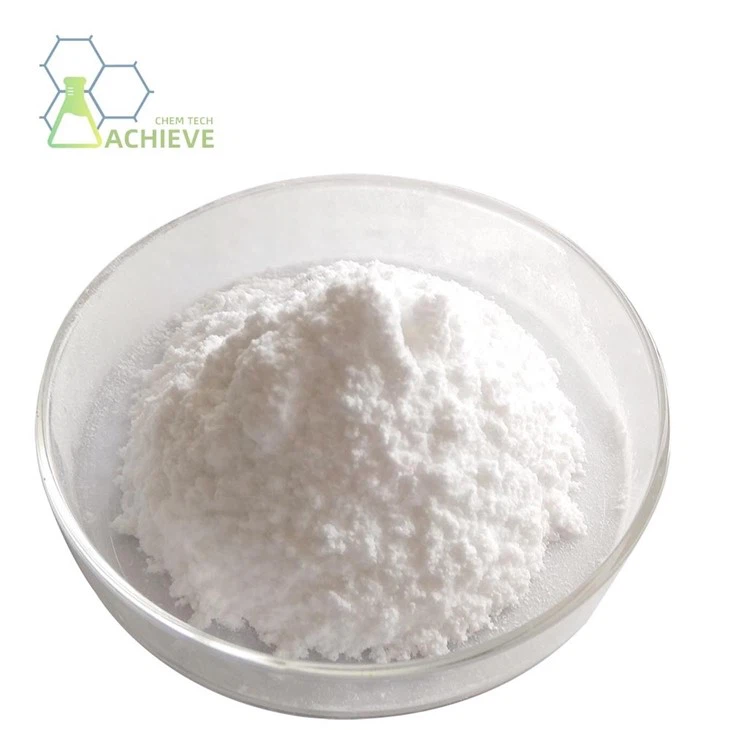
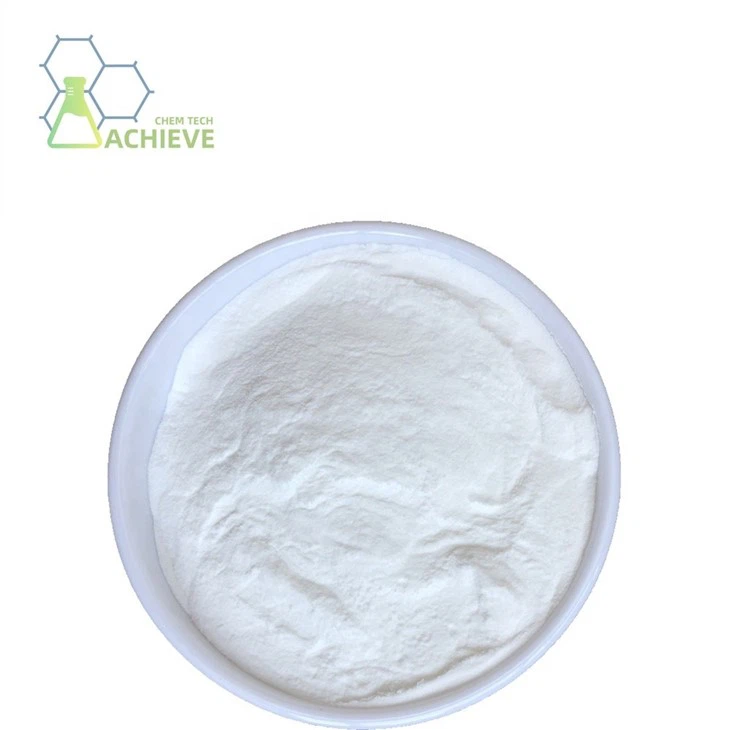
N-acetyl-L-proline typically appears as a white to off white solid powder at room temperature and pressure. This powder has a certain acidity and stable chemical properties, which are related to the carboxyl groups in its molecular structure. This acid-base characteristic gives it a certain reactivity in chemical reactions.
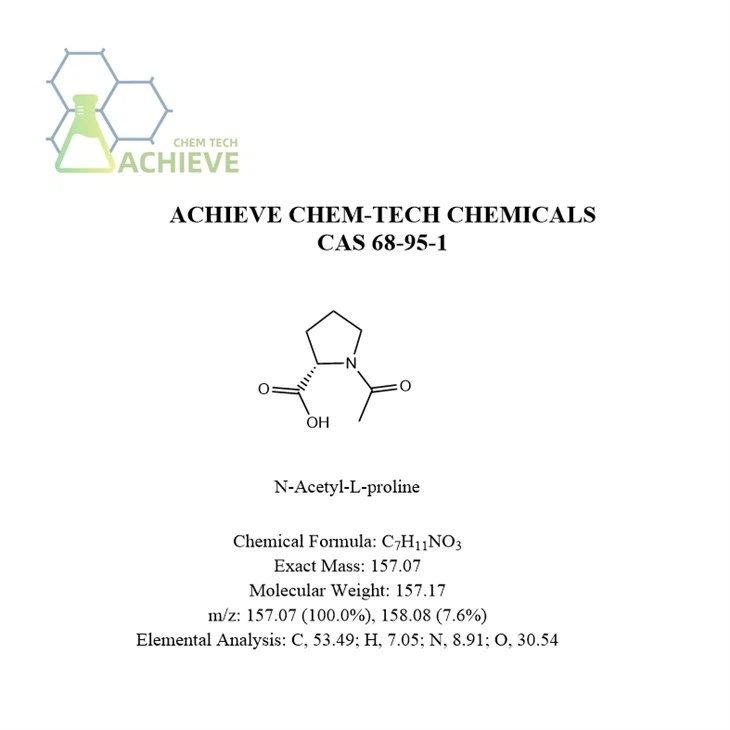
Molecular formula C7H11NO3, CAS 68-95-1, insoluble in water but soluble in common organic solvents such as chloroform, ethyl acetate, etc. Amino is another important functional group in the molecule. It can not only form amide bonds with carboxyl groups, but also react with other functional groups, such as alkylation reactions, acylation reactions, etc. These reactions contribute to the synthesis of compounds with specific structures and functions. It is an important fine organic chemical intermediate with wide applications in the fields of medicine, pesticides, and chemical industry.

|
|
|


|
Chemical Formula |
C7H11NO3 |
|
Exact Mass |
157 |
|
Molecular Weight |
157 |
|
m/z |
157.07 (100.0%), 158.08 (7.6%) |
|
Elemental Analysis |
C, 53.49; H, 7.05; N, 8.91; O, 30.54 |


N-acetyl-L-proline, as an acetylated derivative of L-proline, has a certain acidity and unique chemical structure, making it widely used in organic synthesis and drug development. Its main applications include organic synthesis intermediates, biologically active molecule synthesis, drug development, and biochemical research. It can be used as an intermediate in organic synthesis and a raw material for pharmaceutical molecules.
N-acetyl amino acids can be used to synthesize L-proline amide. L-proline amide, as an important optically active pyrrole derivative, can directly catalyze asymmetric Robinson cyclization reactions, Aldol reactions, etc. It can also be used as a chiral intermediate to synthesize certain chiral drugs, and can be used to synthesize vildagliptin, amisulpride, and remdesivir. The synthesis steps are as follows:

Mix 45.11g of product with dichloromethane, stir evenly, lower the temperature to below 0 ℃, gradually add 45mL of thionyl chloride dropwise, maintain 0 ℃ during the process. After the dropwise addition is complete, raise the temperature to 25 ℃ and continue the insulation reaction for 6 hours. The reaction is controlled by the dot plate, and after the reaction is complete, it is concentrated and dried to obtain 46g of compound shown in formula (III) (purity of 98.3%, yield of 91%)
46g of compound (III) was reacted with 250mL of 25% concentrated ammonia solution at 25 ℃ with stirring for 3 hours, and filtered to obtain 33.45g of 1-acetyl-2-pyrrolidinecarboxamide (purity 98%, yield 81.5%)
33.45g of 1-acetyl-2-pyrrolidinecarboxamide was added to 64mL of 2N HCl and heated to 100 ℃ for reflux reaction. The system temperature was kept in a micro reflux state during the reaction for a total of 2 hours.
After the reaction was completed, it was concentrated to a small volume until crystallization was achieved.
The pH was adjusted to 8, filtered, and dried to obtain 20.34g of the target product L-proline amide with a yield of 78.2%. The D-type isomer was detected to be 0.11%, and its purity was determined to be 92.1% by high-performance liquid chromatography (HPLC).

Analysis of physical and chemical properties
Appearance and properties
N-acetyl-l-proline is a white to off white crystalline powder with a melting point range of 115-117 ℃ and a specific rotation of -86 ° (ethanol solution). The molecular formula is C ₇ h ₁ no ₃, the molecular weight is 157.17 g/mol, the density is about 1.3 g/cm ³, and the solubility at 25 ℃ is slightly soluble in water, chloroform and methanol, but insoluble in ethanol and ether.
Chemical stability
It shall be sealed and stored in a cool and dry environment (2-8 ℃) to avoid strong oxidant contact. It has high esterification activity and can react with alcohols through carboxyl units to produce ester derivatives. For example, it can react with methanol to produce methyl ester under the catalysis of dichlorosulfoxide. The reaction condition is 0 ℃ stirring for 4 hours, and the yield can reach more than 90%.
Purity and content determination
High performance liquid chromatography (HPLC)
Chromatographic conditions: C18 column (4.6 mm × 250 mm, 5 μ m), the mobile phase was acetonitrile water (containing 0.1% formic acid, vgv), the flow rate was 1.0 ml/min, and the detection wavelength was 210 nm.
Quantitative method: external standard method, linear range 0.1-100 μ g/ml, recovery 98% -102%, RSD≤1.5%.
Advantages: high separation efficiency, suitable for the detection of trace impurities in complex matrix.
Nuclear magnetic resonance spectroscopy (NMR)
Sample preparation: dissolve the sample in deuterated DMSO at a concentration of about 10 mg/ml.
Spectrum characteristics:
¹ H NMR: δ 1.8-2.2 (m, 2h, CH ɑ), δ 2.0 (s, 3h, CH ₃ CO), δ 3.4-3.6 (m, 2h, CH ɑ n), δ 4.2-4.4 (m, 1H, CHN).
¹ ³ C NMR: δ 22.5 (CH ɑ), δ 23.1 (CH ₃ CO), δ 53.2 (CH ɑ n), δ 172.8 (COOH), δ 174.5 (CONH).
Application: confirm the molecular structure and stereo configuration, and identify cis and trans isomers.
Mass spectrometry (MS)
Ionization mode: electrospray ionization (ESI), positive ion mode.
Characteristic peak: m/z 158.1 [m+h]+, m/z 116.1 [m-coch ₃]+.
Purpose: quickly confirm molecular weight and fragment ions, and assist in structural analysis.
Impurity control and safety assessment
Residual solvent detection
Methods: Headspace Gas Chromatography (HS-GC) was used to detect the residual solvents such as methanol and dichloromethane used in the synthesis process.
Limit value: conform to ICH guidelines, such as methanol residue ≤ 3000 ppm, dichloromethane ≤ 600 ppm.


Microbial limit test
Culture medium: TSA (trypsin soy peptone agar) is used for bacterial culture, and SDA (Sabouraud glucose agar) is used for fungal culture.
Standard: total bacteria ≤ 1000 cfu/g, mold and yeast ≤ 100 cfu/g.
Analysis of heavy metals and elements
Methods: inductively coupled plasma mass spectrometry (ICP-MS) was used to detect the contents of lead, arsenic, mercury and other heavy metals.
Limit value: Pb ≤ 10 ppm, as ≤ 5 ppm, Hg ≤ 1 ppm.

Applicability of application domain analysis method

Pharmaceutical R&D
Pharmacokinetic study: the concentration of n-acetyl-l-proline in biological samples was quantitatively analyzed by LC-MS/MS, and the detection limit was 0.1 ng/ml.
Enzyme activity research: as the substrate analogue of angiotensin converting enzyme (ACE), the enzyme activity was evaluated by monitoring the production rate of hydrolysates by HPLC.
Cosmetics industry
Stability test: under accelerated test (40 ℃/75% RH), the content change is detected by HPLC, and the degradation product is required to be ≤ 2.0% within 6 months.


Agriculture
Evaluation of the potency of plant growth regulators: the accumulation of it in crop tissues was quantitatively analyzed by LC-MS to correlate the effect of stress resistance improvement.
Method validation and optimization direction
Green chemical substitution
To explore supercritical fluid chromatography (SFC) to replace traditional HPLC, reduce the use of organic solvents, while maintaining the separation efficiency.
Rapid screening technology
The near infrared spectroscopy (NIR) model is developed to realize the rapid and nondestructive detection of the content and moisture of the API, which is suitable for the online monitoring of the production line.
Multicomponent analysis
Combined with two-dimensional liquid chromatography (2D-LC), the simultaneous separation and quantification of it and its derivatives (such as esters and amides) were realized.

Medical field: disease treatment and drug development potential
Liver disease and treatment of metabolic diseases
The product, as a coenzyme precursor of the urea cycle, has shown clinical value in the treatment of hereditary hyperammonemia. With the breakthrough of gene editing technology (such as crispr-cas9), the research and development of precision therapy for urea cycle enzyme defects will be accelerated, and the demand for it as a coenzyme supplement may further expand.


In addition, animal experiments show that it can improve ammonia metabolism in liver cirrhosis model animals by activating carbamyl phosphate synthase (CPS1), and may become an adjuvant drug for hepatic encephalopathy in the future. The global market scale of liver disease drugs is expected to reach 120billion US dollars in 2027. If it can complete the transformation of clinical trials, it will occupy the market segment share.
Development of antiviral drugs
Studies have shown that it and its derivatives can be used as hepatitis C virus (HCV) inhibitors, providing new ideas for antiviral drug design by improving drug selectivity and inhibition effect. With the increasingly serious problem of virus resistance, the research and development of innovative drugs based on this compound may become a hot spot in the industry.

Cosmetics industry: anti aging and repair function driven growth

Cell level anti-aging components
N-acetyl-l-proline has immunomodulatory and anti-inflammatory effects, and can interfere with skin health from the cellular level. In 2024, the number of filings increased by 2335% year-on-year, and the volume of social media increased rapidly, becoming a popular component of cell-level skin care. It is suitable for high-end anti-aging and repairing essences and creams to meet consumers' needs for natural ingredients and cell level care.
Whitening and antioxidant application
The inhibitory effect of the compound on tyrosinase was stronger than that of the traditional component 377 (phenylethyl resorcinol), and the whitening effect was more significant. With the continuous growth of whitening products market, it is expected to become the core component of high-end whitening essence and cream, replacing some chemical synthetic agents, and meeting the consumers' pursuit of efficient and mild ingredients.

Agriculture and Industry: green technology promotes new applications

Agriculture
As a plant growth regulator, it can enhance the stress resistance of crops. The experiment of the Chinese Academy of Agricultural Sciences showed that spraying the compound solution on the leaves could increase the drought resistance of rice by 25% and the yield by 12%. Under the background of climate change, the demand for stress resistant crop varieties surged, and the compound annual growth rate of it biostimulant market is expected to reach 15%.
Industrial Biotechnology
As a key component of microbial culture medium, it ushered in growth opportunities with the outbreak of synthetic biology industry. In 2025, the global bio manufacturing market is expected to exceed US $500billion, and its demand in cell culture medium will expand synchronously. In addition, the exploration of its derivatives (such as n-acetylglutamine) in the field of biodegradable materials may open up new industrial application scenarios.


Early Synthesis and Basic Understanding
Research on N‑Acetyl‑L‑proline began in the early 20th century. In 1900, Richard Willstätter first isolated L‑proline, laying the foundation for the study of its derivatives. In 1901, Emil Fischer further confirmed the structure of proline and carried out exploratory synthesis. Later, using L‑proline as the starting material, researchers successfully synthesized N‑Acetyl‑L‑proline via acetylation with acetic anhydride, identifying it as an N‑acetylated derivative of proline.
Biological Sources and Functional Exploration
In the mid-to-late 20th century, the compound was discovered in natural products. Studies confirmed that it can be produced through post-translational acetylation and proteolysis of proteins, as well as by N‑terminal acetylation of free L‑proline catalyzed by N‑terminal acetyltransferases. Meanwhile, as a substrate analog of angiotensin-converting enzyme (ACE), it has been widely used in research on the active site and inhibition mechanism of ACE, becoming an important tool molecule in biochemistry and drug discovery.
FAQ
What is n-acetyl-L-Proline?
+
-
Description. N-Acetyl-L-proline or N-Acetylproline, belongs to the class of organic compounds known as N-acyl-alpha amino acids. N-acyl-alpha amino acids are compounds containing an alpha amino acid which bears an acyl group at its terminal nitrogen atom.
What is L-Proline good for?
+
-
L-proline is prescribed to aid in the healing of skin and joints. One of its significant functions is the ability to make collagen, which helps repair skin and cartilage damage.
Is L-Proline safe for everyone?
+
-
Proline is an amino acid that is naturally produced by the human body, so it is generally safe to consume. However, as with all dietary supplements, taking proline may cause side effects, especially when taken in large quantities.
What is the safe handling of N acetyl L-Proline?
+
-
Handling in a well ventilated place. Wear suitable protective clothing. Avoid contact with skin and eyes. Avoid formation of dust and aerosols.
Hot Tags: n-acetyl-l-proline cas 68-95-1, suppliers, manufacturers, factory, wholesale, buy, price, bulk, for sale, CAS 1246308 85 9, 37 formaldehyde, 3 Nitrobenzaldehyde 99 , 4 7 Benzothiazolediol 2 1 1 biphenyl 4 yl , CAS 2130009 90 2, 4 3r 5r 7r adamantan 1 yl phenyl boronic acid